

U.S. stock futures were mixed Tuesday morning, November 10, as Dow Jones futures rose while Nasdaq-100 futures remained virtually unchanged ahead of a closely watched inflation report. At 5:01 a.m. Eastern, Dow E-mini futures gained 205 points, or 0.39%, while S&P 500 E-mini futures advanced 12.5 points, or 0.17%, according to Reuters market reporting.
Nasdaq-100 E-mini futures slipped just 3 points, or 0.01%, revealing a more cautious mood toward technology stocks after Monday’s strong market rebound. The figures describe premarket futures trading, not the opening or closing performance of the underlying stock indexes.
The divergence follows an unusually strong Monday session in which the Dow Jones Industrial Average rose 2.15% and the Nasdaq Composite climbed 2.74%, based on closing index values recorded by the Federal Reserve Bank of St. Louis. Technology stocks therefore outperformed the Dow during Monday’s recovery but showed less momentum in Tuesday’s early futures trading.
That distinction matters after the sharp technology-sector losses documented in the November 6 selloff. Investors now face a more immediate test: whether the recovery can withstand fresh inflation figures and uncertainty surrounding the interest-rate outlook.
Why Nasdaq Futures Are Lagging
Monday’s rebound came after a difficult period for artificial intelligence and semiconductor stocks, with investors reassessing valuations and the financial returns expected from large technology investments. The Nasdaq-100 had previously suffered a substantial decline during October’s AI stock selloff, showing how quickly sentiment toward growth-oriented companies can change.
Tuesday’s nearly flat Nasdaq futures suggest that traders were not extending Monday’s technology rally as aggressively as gains in Dow futures might imply. However, a small premarket decline does not establish that investors have started another sustained technology selloff. The distinction between the indexes is important because the Nasdaq-100 has substantial exposure to large technology and growth-oriented businesses, while the Dow follows 30 established U.S. companies across several industries.
The Nasdaq-100 futures contract also tracks a different underlying index from the Nasdaq Composite used in Monday’s closing comparison. Earlier episodes of technology-sector weakness illustrate why the performance of major market benchmarks can differ even when investors respond to the same economic developments. A stronger Dow alongside a nearly unchanged Nasdaq is evidence of differing early market performance, not proof that money is permanently leaving technology stocks.
Lower oil prices were another prominent development before Tuesday’s opening bell. Brent crude futures briefly fell below $90 a barrel in early trading, according to Reuters, following an extended decline associated partly with reduced concerns about an immediate escalation of Middle East supply disruptions.
Falling energy costs can potentially benefit transportation companies, manufacturers and other businesses that consume large amounts of fuel, although the timing and size of any benefit depend on contracts, hedging and actual purchasing costs. The broader November market outlook provides additional context for how energy prices, interest rates and artificial intelligence investment concerns have shaped financial-market expectations.
Inflation Report Could Change the Picture
The Bureau of Labor Statistics is scheduled to release October’s Consumer Price Index at 8:30 a.m. Eastern on Tuesday, November 10, according to its official CPI release schedule. The report will provide new evidence about consumer-price pressures before the Federal Reserve’s next monetary policy decision. A higher-than-expected inflation reading could revive concerns about additional interest-rate increases, while a softer reading could ease some of those concerns. Neither outcome guarantees that stock prices will move in a particular direction.
The previous official report showed consumer prices rising 0.6% in September on a seasonally adjusted monthly basis, following a 0.4% increase in August. Annual headline inflation accelerated to 3.7%, while the index excluding food and energy increased 0.3% during September and 2.6% over the preceding 12 months.
Gasoline prices were a significant contributor, rising 9.1% during the month, according to the Bureau of Labor Statistics’ September CPI report. That combination of broad inflation pressure and volatile energy prices explains why investors are particularly interested in whether October’s figures show a meaningful change in the underlying trend.
One important qualification is that Tuesday’s falling crude oil prices cannot change consumer-price movements already recorded during October. Oil futures respond immediately to market expectations, while consumer inflation measures prices collected over the earlier reference period using a different methodology. The historical relationship between inflation releases and Federal Reserve expectations is explored in the September inflation preview. Investors should therefore distinguish the market’s current response to cheaper oil from what the October CPI report actually measures.
Federal Reserve Rates Remain in Focus
The Federal Reserve maintained its benchmark interest-rate target at 3.75% to 4.00% during its October 28 meeting, according to the official FOMC policy statement. The decision passed by a 10–2 vote, with two policymakers preferring an additional quarter-percentage-point increase. The disagreement highlighted continued concern about elevated inflation despite the central bank’s decision to leave borrowing costs unchanged. The significance of that split is explained in the October rate decision.
For stock investors, the immediate question is how the new inflation figures may alter expectations for future monetary policy. Higher interest rates can increase financing expenses and reduce the present value investors assign to companies’ expected future earnings, although the effects differ across companies and market conditions.
Long-term Treasury yields also matter because they influence financial valuations and several borrowing markets, a relationship examined in the Treasury yield analysis. The CPI report could influence these expectations, but the Federal Reserve has not committed to a particular December decision.
What the Market Moves Mean for Investors
The mixed futures performance has different implications depending on what investors actually own. Someone holding a technology-heavy index fund may be more sensitive to changes in large growth-company valuations than an investor whose portfolio is concentrated in industrial, financial or other established businesses.
Broad-market retirement portfolios can hold both groups, making the effect of changing sector leadership less straightforward than a comparison between two index headlines. The performance of individual companies can also diverge significantly, as illustrated by the stocks under watch around this week’s market reopening.
For households, stock-market movements do not automatically translate into immediate changes in mortgage rates, credit-card interest or savings-account yields. Those borrowing and deposit rates depend on lender pricing, market yields, credit conditions and Federal Reserve policy rather than any single futures session.
The relationship between monetary policy and household borrowing costs becomes more important when inflation figures shift expectations about future rates. A volatile trading morning therefore matters most as information about changing financial conditions, not as evidence that a household’s borrowing costs have already changed.
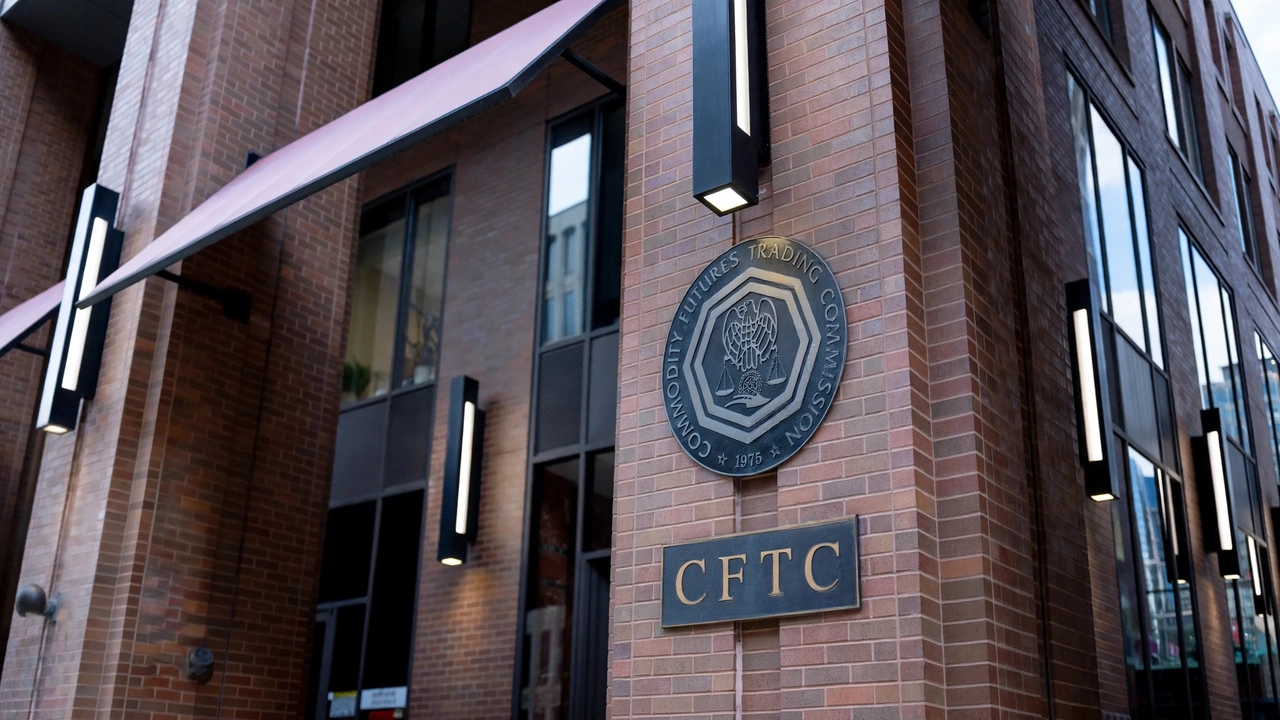
Investors should also distinguish between a futures quotation and an observed gain or loss in their investment accounts. Futures contracts trade before the regular stock session and can move considerably as new information arrives, while the underlying indexes reflect their own constituent stocks and calculation methods. The Commodity Futures Trading Commission’s futures trading guidance explains the structure and risks of these contracts. Tuesday’s early figures cannot establish how the Dow, S&P 500 or Nasdaq will finish the trading day.
What Happens Next
The first major scheduled test is the October CPI release at 8:30 a.m. Eastern, followed by the regular U.S. stock-market opening at 9:30 a.m. Investors will be assessing the reported monthly inflation change, underlying price pressures and how Treasury yields and equity futures respond to the information.
Particular attention will fall on whether technology shares recover their early momentum or continue lagging other sectors. Any assessment after the release must use the actual published figures rather than pre-release expectations. For now, Tuesday’s market picture is one of selective optimism rather than a uniform advance.
Dow futures have extended part of Monday’s recovery, while Nasdaq-100 futures show much less conviction despite technology stocks having led the previous session’s gains. Lower oil prices offer a potential source of relief, but inflation and Federal Reserve uncertainty remain unresolved. The decisive question is whether incoming economic data support the recovery or expose its limits.