

U.S. consumer inflation is expected to accelerate in September as higher gasoline and food prices lift household costs, creating a fresh test for the Federal Reserve’s interest-rate outlook ahead of its October policy meeting.
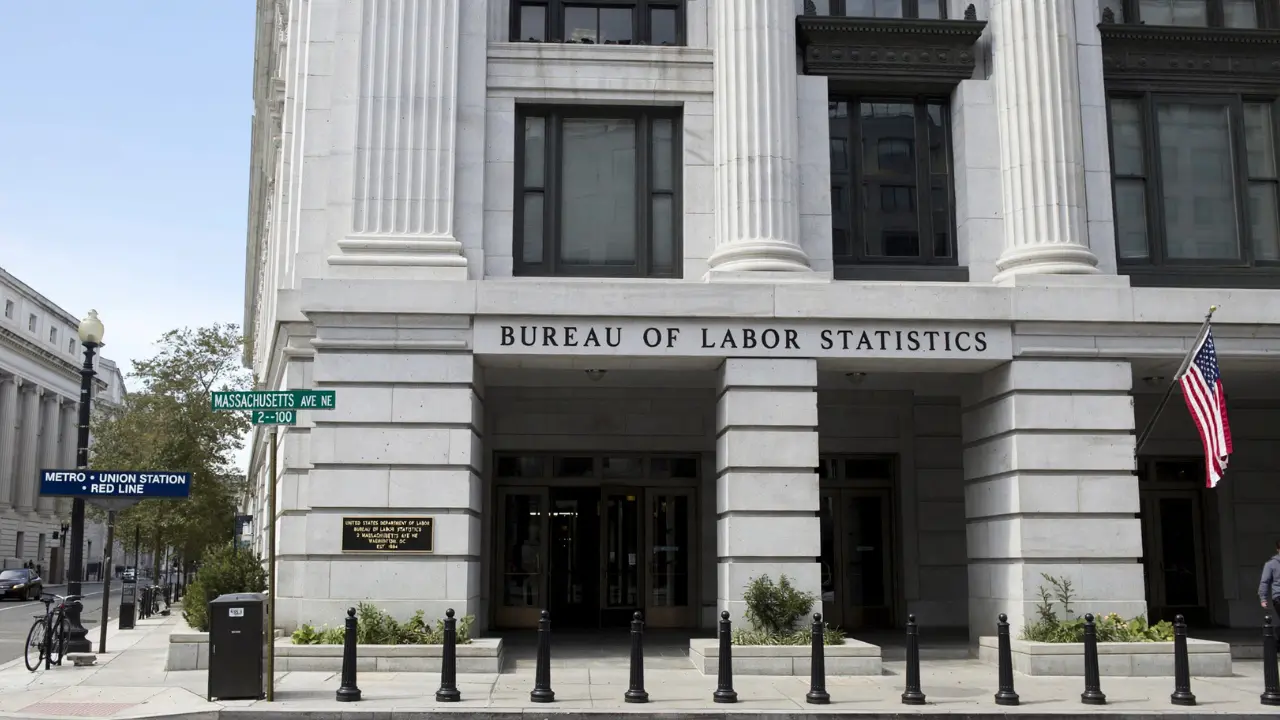
The Bureau of Labor Statistics is scheduled to publish September’s CPI report on Wednesday, October 14, at 8:30 a.m. Eastern Time. Economists surveyed by Reuters economists forecast a 0.6% monthly increase in the headline consumer price index, compared with 0.4% in August. Annual inflation is projected to rise to 3.6% from 3.4%.
However, underlying inflation may tell a different story. Core CPI, which excludes food and energy, is expected to rise 0.2% in September, slowing from August’s 0.3% increase. The contrast could influence how policymakers assess the need for another interest-rate increase before the end of 2026.
Inflation Pressures Before September Data
The latest confirmed August CPI showed consumer prices rising 0.4% over the month, following a 0.1% increase in July. Annual headline inflation stood at 3.4%, unchanged from July.
Gasoline prices rose 3.9% in August and accounted for more than one-third of the monthly headline increase. Energy prices climbed 2.1%, while shelter costs advanced 0.3%. Core consumer prices increased 0.3% during August, although the annual core inflation rate eased to 2.4% from 2.5% in July.
The figures underscore why the distinction between headline and underlying inflation matters. Investozora’s explanation of CPI measurement details how the government constructs the index and tracks changes in consumer prices.
For September, economists anticipate another energy-driven increase. The Reuters survey indicates gasoline alone could contribute approximately 0.3 percentage points to the overall monthly CPI increase. If the forecasts prove accurate, headline monthly inflation would accelerate by 0.2 percentage points while core monthly inflation would slow by 0.1 percentage point.
That divergence is important. It would suggest that energy and food are exerting greater immediate pressure on household budgets even as price increases outside those categories become less pronounced. Still, slower core inflation in one month would not establish that underlying inflation pressures have been resolved.
Fed Rate Outlook Faces Test
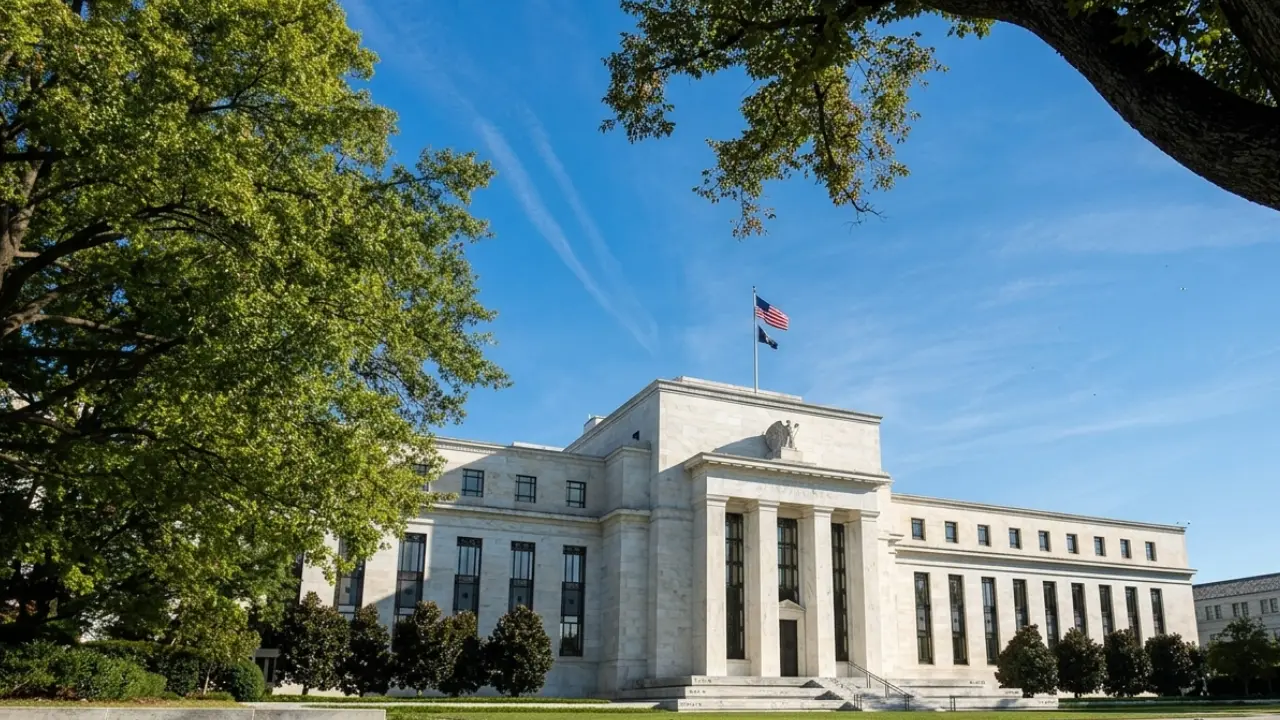
The Federal Reserve raised its benchmark interest-rate target by 25 basis points to 3.75%–4.00% at its September 16 meeting, according to its policy statement. The central bank described economic activity as expanding solidly while inflation remained elevated.
Its September economic projections placed the median federal funds rate at 4.1% at the end of both 2026 and 2027. The September projection for 2026 was higher than June’s 3.8%, reflecting a firmer projected policy path.
Investozora’s earlier Fed rate analysis examined how the September decision and updated projections reshaped the monetary-policy outlook. Those projections represent individual policymakers’ assessments of appropriate policy, not binding commitments or predetermined decisions.
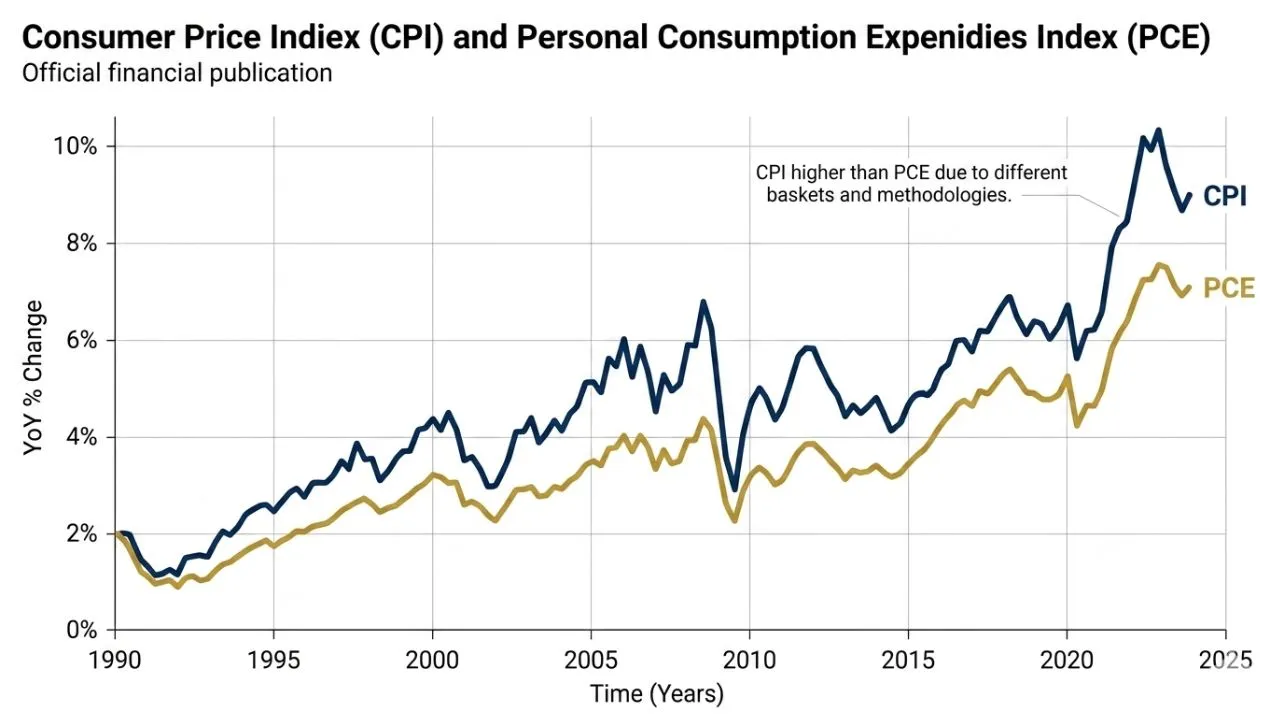
The same projections raised the median 2026 headline PCE inflation forecast to 3.7% from 3.6% in June, while the core PCE forecast increased to 3.4% from 3.3%. The Fed targets 2% inflation as measured by the personal consumption expenditures price index, rather than CPI. Although the measures frequently move in similar directions, their expenditure weights and methods differ.
A stronger-than-expected core CPI report could reinforce concerns about persistent inflation and support arguments for additional tightening. A softer reading could strengthen the case for keeping rates unchanged at the October meeting while policymakers assess further evidence.
Investozora’s assessment is that the composition of September inflation may be more informative for the immediate policy debate than the headline figure alone.
What Markets Should Watch Next
The September report will provide several indicators beyond the overall inflation rate. Monthly core inflation will help reveal whether price pressures are broadening. Shelter inflation will show how rental-related costs are evolving, while gasoline and food prices will indicate how much of the monthly increase is concentrated in essential household expenses.
The figures also have implications for consumers and financial markets. Persistent inflation can keep borrowing costs elevated by limiting the Federal Reserve’s flexibility to lower interest rates. Investozora has previously examined how higher interest rates affect consumer borrowing costs.
However, mortgage rates, Treasury yields and savings-account returns also depend on market expectations and other financial conditions rather than moving automatically with a single CPI release.
For Social Security recipients, September inflation data will also complete the third-quarter CPI-W comparison used to determine the 2027 cost-of-living adjustment. That calculation uses the Consumer Price Index for Urban Wage Earners and Clerical Workers, not the headline CPI-U rate.
The Fed’s next scheduled policy meeting is October 27–28, followed by another meeting on December 8–9. Investozora’s October Fed preview provides additional context on the policy questions facing officials ahead of the next decision.
Whether September’s inflation report strengthens the case for another rate increase will depend on the actual figures, their underlying components and the broader economic evidence available to policymakers.