
China’s retail sales rose just 0.4% in October 2026 from a year earlier, while industrial production increased 4.8%, according to official figures released Monday, November 16. Both measures slowed from September, when retail sales increased 1.1% and industrial output grew 5.5%.
The figures show China’s consumer spending and factory activity losing momentum even as high-technology manufacturing continued to expand rapidly. The National Bureau of Statistics reported that October retail sales totaled 4.6463 trillion yuan, while industrial production increased 0.21% from September on a seasonally adjusted basis.
Retail sales rose just 0.02% month over month. The contrasting annual growth rates highlight an economy where industrial production remains stronger than the country’s headline retail-sales measure, although the two series cover different activities and use different price adjustments.
Consumer Spending Slows
China’s retail sales data showed particularly weak demand for automobiles and some household-related products. Sales of automobiles by retailers above the designated reporting threshold fell 21.4% from October 2025, while gold and jewelry sales dropped 28.7% and building-material sales declined 11.2%. By contrast, communication equipment sales increased 6.5%, indicating that spending conditions differed sharply across categories.
Retail sales excluding automobiles increased 2.5% from a year earlier, substantially faster than the overall 0.4% increase. Urban retail sales grew only 0.2%, compared with 1.5% growth in rural areas, while catering revenue increased 0.7%. The figures point to uneven consumer demand rather than a uniform decline in spending across the economy.
For January through October, total retail sales reached 41.6464 trillion yuan, an increase of 1.0% from the corresponding period in 2025. Online sales of goods and services rose 3.7% during the same period, with online goods sales increasing 2.9% and online services sales rising 5.0%. China’s figures provide another perspective on consumer demand alongside separately measured U.S. retail sales, although the two countries’ statistics are not directly interchangeable.
Industrial Growth Remains Uneven
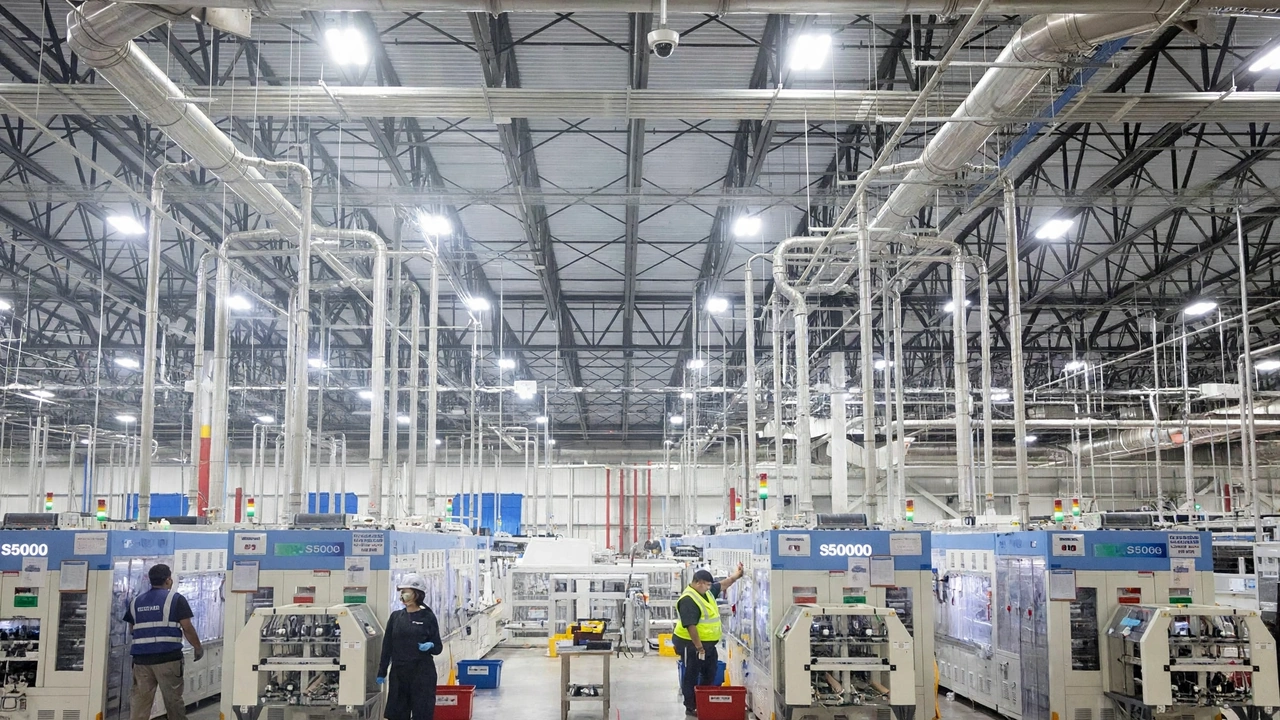
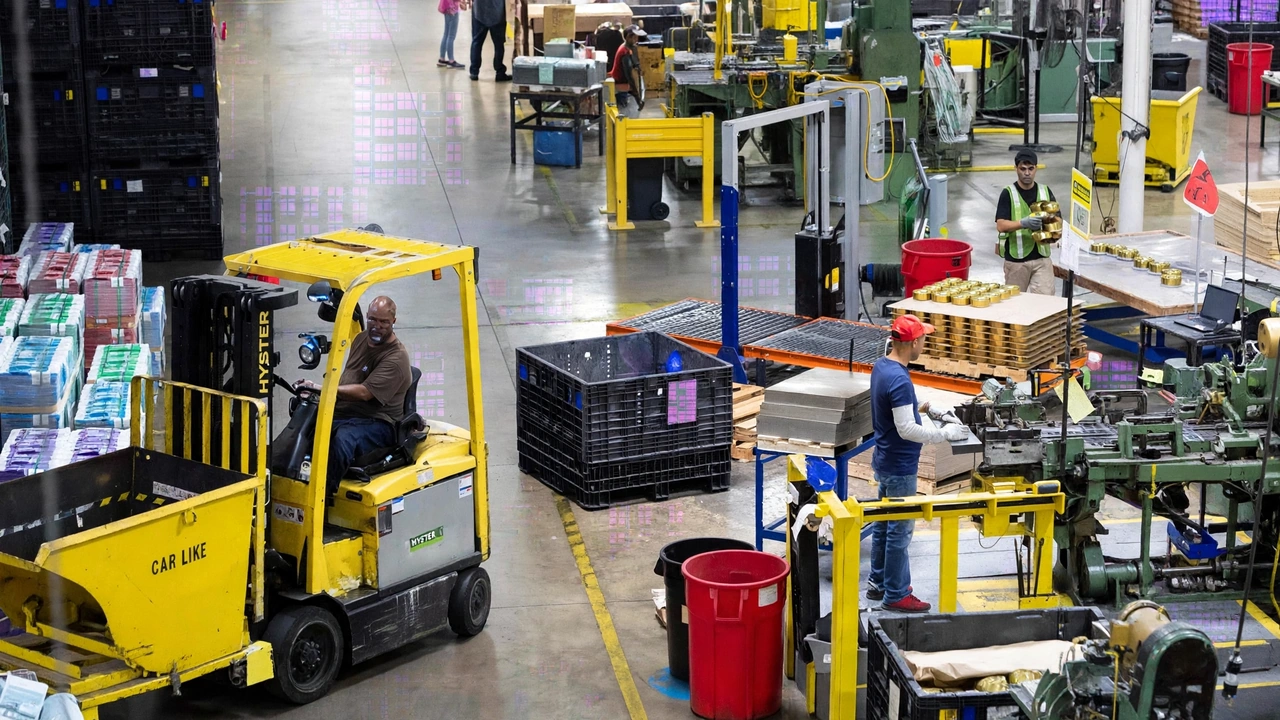
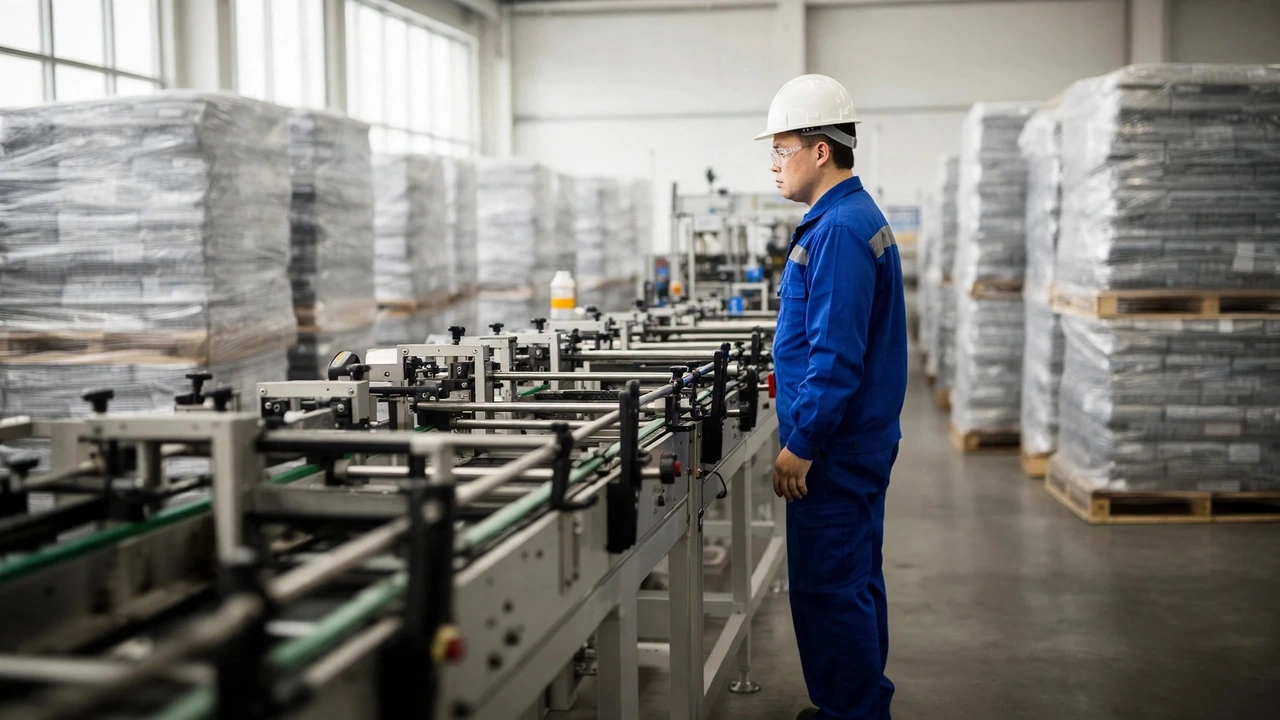
China’s industrial production report showed that manufacturing value added increased 5.4% year over year in October, while mining output grew 0.7%. High-technology manufacturing expanded 17.6%, substantially outpacing overall industrial production, and equipment manufacturing rose 10.6%. These differences show that technologically advanced industries remained an important source of growth despite the slowdown in the broader industrial sector.
Among individual industries, computer, communications and other electronic-equipment manufacturing increased 19.4%, while specialized-equipment manufacturing grew 11.5%. Automobile manufacturing value added increased just 0.9%, although the number of new-energy vehicles produced rose 17.1%. Industrial production growth slowed by 0.7 percentage points from September, compared with a 0.6-percentage-point decline in manufacturing growth.
The slowdown is relevant to global manufacturers and investors monitoring demand for industrial equipment, components and technology products. U.S. manufacturing activity provides a separate indicator of business conditions, but purchasing managers’ surveys and China’s industrial value-added figures measure different aspects of activity. China’s high-technology performance therefore does not establish that international demand for every Chinese manufactured product is strengthening.
Property Weakness Adds Pressure
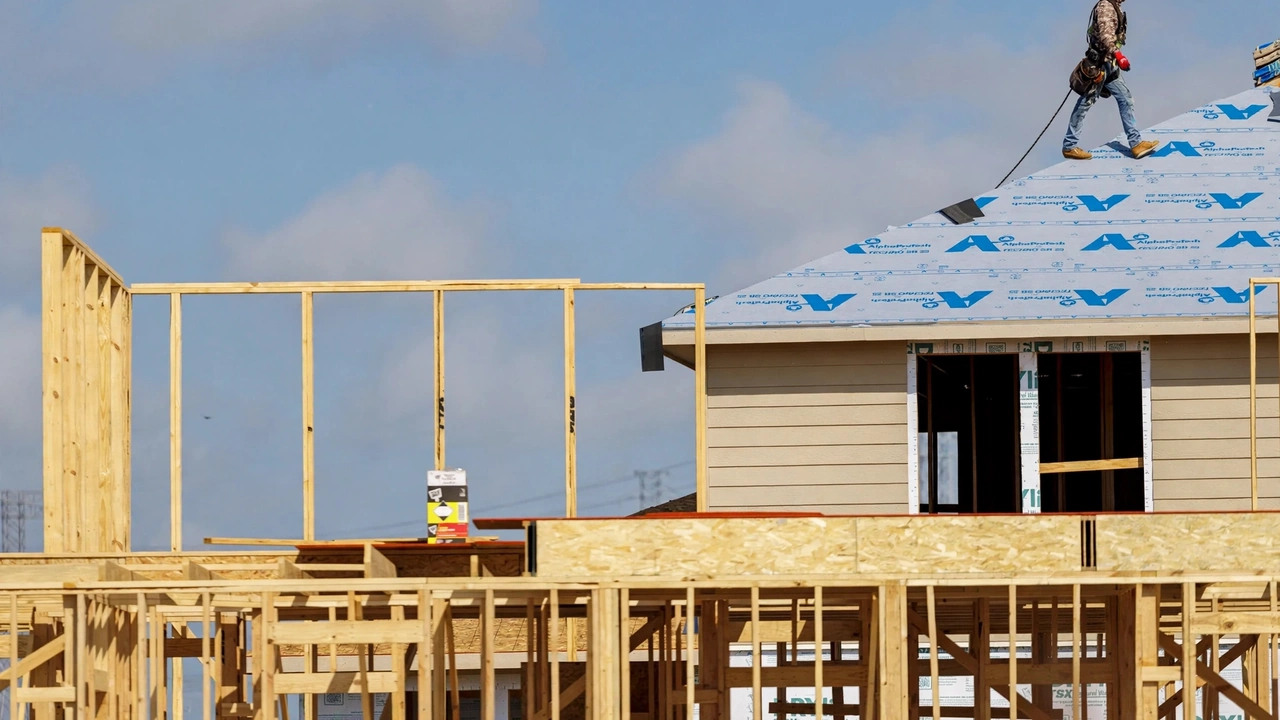
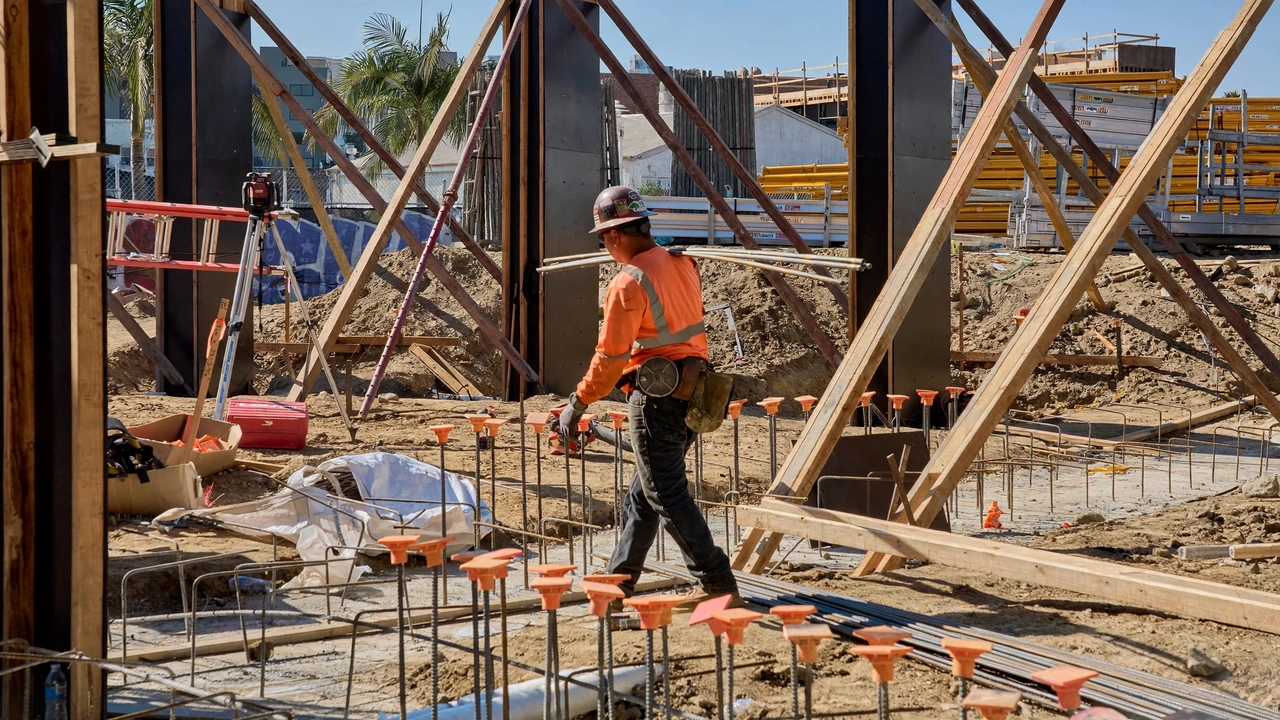
The broader October economic release showed that property-development investment fell 21.6% during the first ten months of 2026 from a year earlier. New commercial housing sales by floor area declined 13.7%, while their sales value dropped 14.3%.
These figures provide important context for the weakness in construction-material sales, although the data alone do not establish precisely how much the property downturn contributed to October’s overall retail-sales slowdown. Outside manufacturing, China’s index of services production increased 4.6% year over year in October, according to the statistical bureau.
The figure shows that service-sector activity was still growing even as retail sales slowed sharply. Separately reported U.S. services activity offers international context, but the two measures follow different statistical methodologies and should not be compared as equivalent growth rates.
Why the Figures Matter Globally
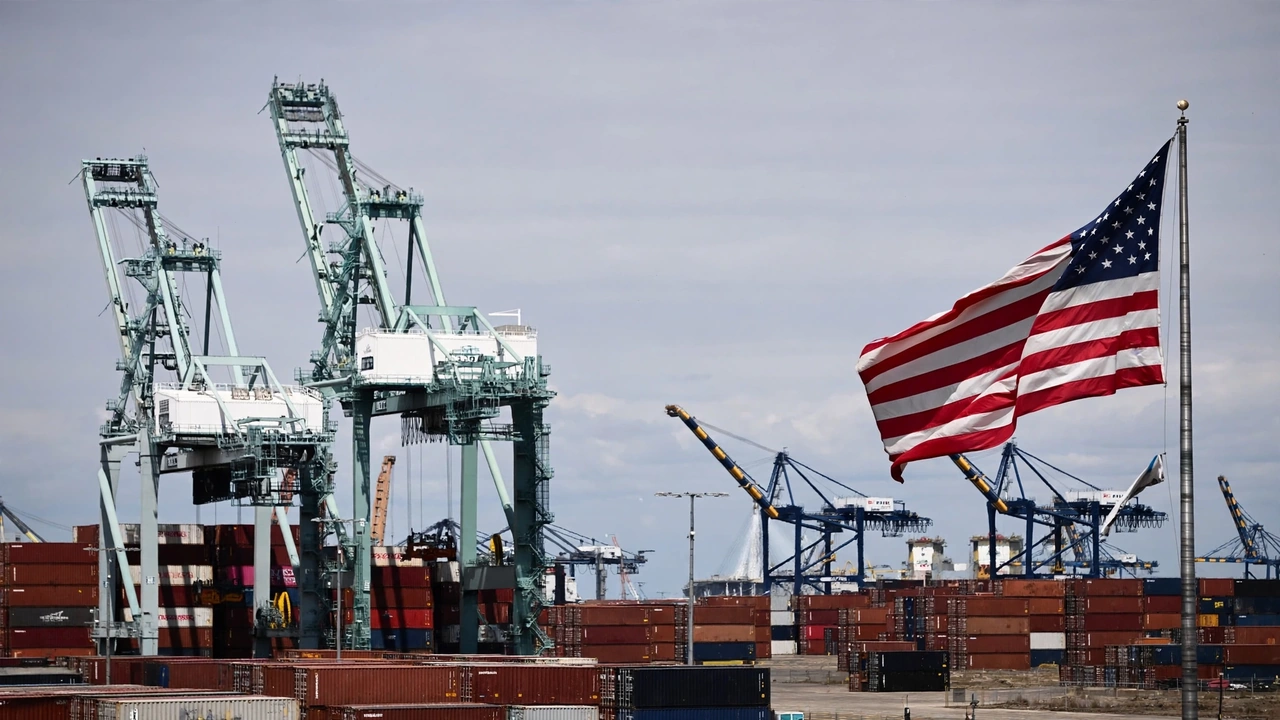
China’s industrial sector remains closely connected to international manufacturing and supply chains, making changes in domestic production and overseas demand relevant beyond its borders. The latest report showed that the export delivery value of industrial enterprises above the designated size rose 18.6% in nominal terms in October.
This indicator captures export-related factory deliveries, not the same measure as customs exports or industrial value-added growth. Trade remains an important area to monitor as Washington and Beijing address economic relationships involving technology and critical minerals, including the subjects of recent China trade talks.
The relationship between Chinese production and American demand also makes official U.S. trade figures relevant for understanding broader cross-border flows. Neither dataset alone establishes an immediate effect of October’s Chinese retail-sales slowdown on American consumers or financial markets.
China’s next monthly activity report will help determine whether October’s weakness was temporary or part of a more sustained slowdown. The National Bureau of Statistics has scheduled its November economic activity release for December 15, 2026, at 10 a.m. Beijing time, subject to calendar changes. For now, the October figures show slower growth in both retail spending and overall industrial production, alongside continued strength in selected high-technology industries.