
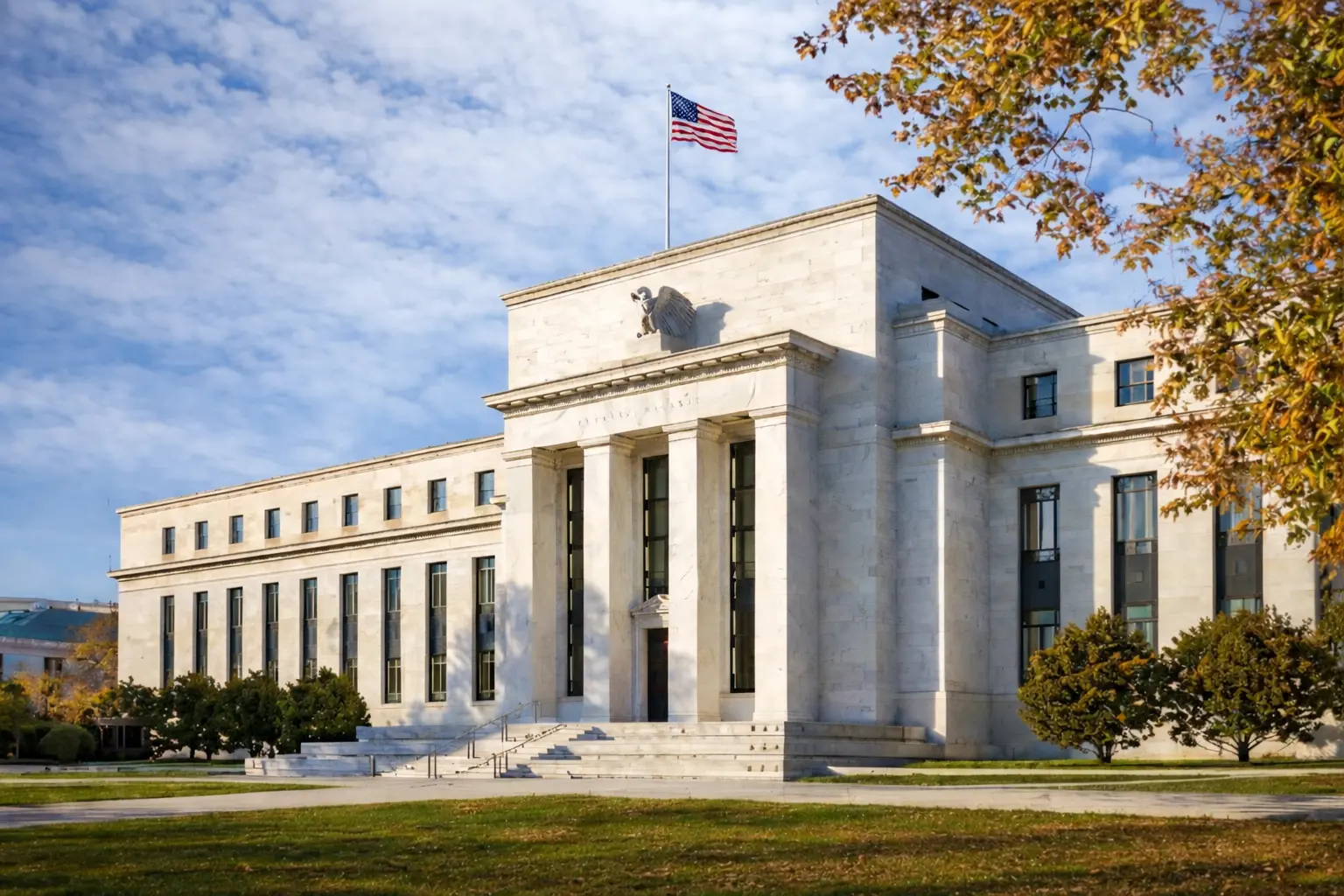
Updated: June 5, 2026 – Most Americans think money moves instantly. You tap your phone. A transfer appears. A paycheck shows up at midnight. A bill payment posts before your morning coffee. From the outside, the U.S. financial system feels continuous, like electricity running through a wire.
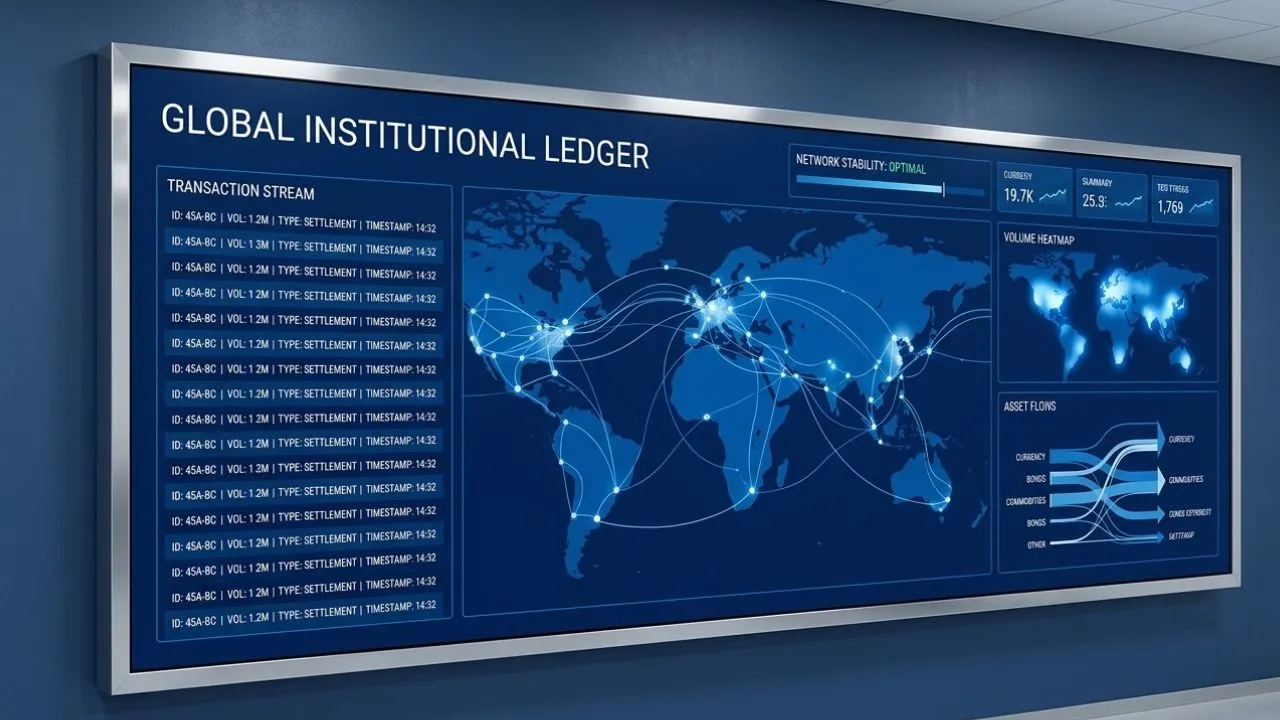
But beneath that screen is something far more structured. Money in the United States does not move in a constant stream. It moves in coordinated waves, governed by what are known as Federal Reserve settlement windows.
These windows are the invisible clock of American liquidity. They determine when reserves shift between banks, when payroll actually clears, when Treasury payments become usable, and why balances sometimes look stable until they suddenly don’t.
The most important forces in modern finance are often the least visible. They are procedural, timed, and deeply connected to how liquidity moves through the banking system.
In 2026, the mechanics of payment settlement and reserve timing have gained renewed attention as households, markets, and policymakers increasingly focus on liquidity reliability during periods of elevated economic uncertainty.
The Financial System Most People Never See
If you have ever checked your account and wondered why a deposit is “pending,” you have brushed up against settlement timing. If you have ever scheduled a transfer on Friday and seen it arrive Monday.
You have felt the effect of a closed processing window. And if your mortgage autopay hit before your paycheck posted, you experienced a liquidity mismatch created by timing, not income.
The average household interprets these moments emotionally. It feels like delay. It feels like instability. And it feels like something is wrong. In reality, what you are encountering is the choreography of Federal Reserve settlement windows, the structured intervals during which banks exchange reserves and transactions become legally final.
Understanding this layer of the system does not require advanced finance knowledge. It requires clarity about how money actually settles between institutions. Often, what appears to be a shadow liquidity crisis is simply the system waiting for the next legal window to open.
What a Federal Reserve Settlement Window Really Is
Every commercial bank in the United States holds reserve balances at the Federal Reserve. When Bank A sends money to Bank B, what ultimately changes is not just numbers on a consumer screen. What changes are reserve balances held at the Fed. Settlement is the moment those reserves move.
The Federal Reserve operates multiple payment rails, including Fedwire Funds Service for high-value, real-time transfers and FedACH for batch-processed electronic payments like payroll and government benefits. Each of these systems operates within defined hours as outlined by Federal Reserve Financial Services.
A Federal Reserve settlement window is the designated period when transactions are processed and reserves are transferred between institutions.
Outside those windows, transactions may be queued, batched, or simply wait. From the consumer perspective, a payment may appear initiated. From the system perspective, it may not yet be settled. That distinction matters. Settlement is final. Until that point, liquidity is provisional.
The Daily Timing Cycle of American Money
Liquidity in the U.S. banking system follows a rhythm. In the early morning hours, overnight batches are reconciled. Payroll files submitted the previous day are processed. Treasury payments are queued for release. Banks adjust their reserve positions.
This mechanical cycle is why we often see a Friday morning bank update as the system clears the final weekly batches before the weekend pause. The FedACH and Fedwire timing mechanics are documented in full, including the specific daily cutoff windows that govern when each payment rail accepts new transaction files.
During business hours, high-value transfers move through Fedwire in real time, but even those flows have cutoffs. Late in the day, institutions prepare for end-of-day settlement. After closing windows pass, remaining transactions wait for the next operational cycle.
Weekends introduce a pause. Federal holidays introduce a pause. Those pauses do not stop economic activity, but they do delay settlement. When settlement pauses, liquidity does not disappear.
It waits. This waiting can tighten short-term balances inside banks and amplify anxiety for households relying on precise timing between income and obligations.
Why Settlement Timing Shapes Market Liquidity
At an institutional level, settlement timing influences more than individual deposits. It shapes short-term liquidity conditions across markets. According to data from the Board of Governors of the Federal Reserve System, the reserve balance framework is designed to handle these massive ebbs and flows, but timing remains the critical variable.
Before holiday weekends, markets sometimes adjust positions because fewer settlement opportunities remain. End-of-month and quarter-end periods often see concentrated reserve movements. Funding markets, repo rates, and short-term borrowing conditions respond subtly to these flows. These are not dramatic events. They are adjustments within a highly resilient system. But they demonstrate that liquidity is not abstract. It is timed.
Treasury Payments and Reserve Movement
When the U.S. Treasury issues payments, whether for benefits, refunds, or vendor obligations, those funds originate from the Treasury General Account (TGA) at the Federal Reserve. As payments settle, reserves move from the TGA into commercial banks. Banks then credit customer accounts.
The Federal Reserve Bank of New York manages the operational aspects of the Treasury General Account, ensuring that these massive liquidity shifts are balanced against the broader banking system’s needs.
The structure of the Treasury General Account and how its daily balance fluctuations affect the timing of consumer-facing federal payments is explained in detail in the Treasury General Account guide.
The reverse happens when tax payments are made. Reserves move from commercial banks back to the Treasury. These flows are scheduled, coordinated, and processed within settlement windows.
This is why many taxpayers notice that an IRS refund may not clear immediately even after receiving an “Approved” notification; the physical movement of reserves is bound by the TGA’s clearing schedule.
How Modern Payment Rails Are Changing Liquidity Expectations
While the core settlement framework of the Federal Reserve remains structured around reserve transfers and operational windows, consumer expectations around timing have changed dramatically in recent years.
The expansion of digital banking, same-day ACH processing, and newer real-time payment infrastructure has created the perception that all money now moves instantly. In reality, the underlying reserve architecture still depends on coordinated settlement mechanics between institutions.
The launch and continued expansion of the Federal Reserve’s FedNow Service has further accelerated expectations around instant payments, even though core reserve settlement and interbank reconciliation still operate within structured liquidity frameworks.
This distinction has become increasingly important in 2026 as households monitor Treasury refunds, payroll deposits, and government payments more closely amid tighter cash-flow conditions.
Investors and consumers often focus on the visible deposit itself, but the more important layer is the liquidity system operating underneath it. As explained in Investozora’s analysis of the Treasury payment system before deposits appear in bank accounts, government disbursements frequently move through multiple operational stages before becoming fully settled and spendable.
The same timing dynamic exists across Fedwire and ACH processing networks, where cutoff periods, batch schedules, and interbank reserve reconciliation continue to shape when liquidity becomes legally final inside the banking system. For financial markets, these operational details may appear procedural. For households relying on precise payment timing, they directly shape real-world cash availability.
The Human Impact of Invisible Timing
Financial stress is rarely caused by a single large event. It is more often created by small mismatches between timing and obligation. A paycheck settles Monday morning. Rent was drafted Sunday night.
None of these are failures. They are structural outcomes of settlement timing. But to a household operating on thin margins, timing feels like vulnerability. Over decades observing American financial behavior, I have seen how confidence is shaped not only by income level, but by predictability.
When settlement timing is misunderstood, it can lead to a quiet cash crunch even for those with high incomes, as their paper wealth is temporarily locked behind a closed settlement window. The mechanics are procedural; the response is human.
Why Settlement Windows Matter More in 2026
Digital banking has accelerated expectations. Consumers increasingly expect immediacy.. Real-time payment networks such as FedNow are expanding availability for certain transactions. Financial technology firms are marketing speed as stability.
But even in a faster environment, core reserve settlement still operates within structured frameworks. Banks still reconcile balances. Treasury still moves funds on defined schedules. Federal holidays still pause portions of the system, such as the settlement pause that occurs annually when banks close on federal holidays, creating a 24-hour lag that affects direct deposits across every federal payment program.
In 2026, understanding liquidity timing is a form of financial literacy. It helps households plan and helps businesses manage cash flow. Speed has increased, but structure remains.
Why Settlement Stability Matters During Policy Transitions
Settlement infrastructure rarely attracts public attention during stable economic periods. But during moments of Federal Reserve transition, liquidity mechanics become significantly more important to markets.
In 2026, investors are closely watching how future Federal Reserve leadership could influence reserve conditions, funding stability, and the broader path of monetary policy. While interest rates remain the most visible policy tool, the operational side of the financial system including reserve availability and settlement efficiency continues to underpin market confidence.
This is why Federal Reserve policy discussions extend beyond rate decisions alone. The structure of reserve management, payment system resilience, and banking liquidity coordination all play a role in preserving stability during periods of economic uncertainty.
As Investozora explained in its broader Federal Reserve policy framework analysis, the central bank’s influence reaches far beyond headline rate changes. Operational liquidity management remains one of the least visible but most essential pillars of the U.S. financial system.
Questions surrounding future policy leadership and Federal Reserve succession planning, including recent market attention on Kevin Warsh and the evolving rate outlook, have further increased investor focus on how the Federal Reserve may approach liquidity conditions over the next policy cycle.
Ultimately, stable settlement infrastructure helps prevent temporary funding stress from turning into broader financial instability. That stability is often invisible to households until the system experiences pressure.
The System Beneath the Screen
The American financial system is often described in terms of policy, rates, or markets. Yet its most powerful feature is operational discipline. Federal Reserve settlement windows quietly determine when liquidity becomes real. They coordinate payroll cycles, government disbursements, and institutional transfers.
They ensure finality in a system that processes trillions of dollars daily. This coordination is evident in the recurring federal holiday liquidity cycles, where the system manages the transition from settlement pause back to active clearing through a defined re-entry sequence that the Federal Reserve settlement guide documents in full.
For households, these windows shape when money feels available. Understanding this does not require technical expertise. It requires recognizing that money moves on a clock and that the clock is deliberate. The screen on your phone shows the result. The system beneath it follows structure. And structure, more than speed, is what keeps U.S. liquidity stable.
The Consumer Impact of Settlement Infrastructure
For most households, Federal Reserve settlement windows are invisible until a deposit is expected and does not arrive. Understanding the structured timing behind that gap transforms what feels like financial anxiety into predictable, manageable knowledge.
When a Social Security payment, an IRS refund, or a VA disability benefit enters the federal payment pipeline, it passes through the same reserve settlement architecture described in this article before it reaches a consumer account.
The direct deposit posting times at every major bank reflect how each institution interacts with those settlement windows at the consumer level. For recipients of federal benefits who want to understand exactly when each agency submits its payment file to the Treasury, the Treasury payment system guide provides the complete pre-deposit staging sequence.
The Federal Reserve publishes its full payment system operations reference, including Fedwire and FedACH service descriptions, operating hours, and cutoff schedules, through its official payment services documentation.
That resource is the authoritative institutional source for anyone building a working understanding of U.S. liquidity infrastructure. The complete picture of how these systems connect, from the Federal Reserve’s settlement windows through the Treasury to a consumer bank account, is documented in the US money movement system reference.