
The Social Security Administration (SSA) is scheduled to distribute its final round of regular November payments on Wednesday, November 25, 2026, just one day before Thanksgiving. The payment generally applies to retirement, survivor and disability beneficiaries whose benefits follow the fourth-Wednesday schedule, based on a birth date between the 21st and 31st of any month. However, some beneficiaries with birthdays within those dates follow different payment rules.
The SSA’s official payment calendar confirms November 25 as the final scheduled payment date this month. It is a regular monthly benefit, not an additional Thanksgiving payment or an early distribution of the 2027 Social Security increase. For households preparing for holiday expenses and December bills, understanding which payment group they belong to is particularly important.
Who Gets Paid on November 25?
Americans receiving Social Security retirement benefits, Social Security Disability Insurance (SSDI) or survivor benefits may qualify for Wednesday’s payment if they are assigned to the fourth-Wednesday cycle. Under the SSA’s payment date rules, this generally covers eligible beneficiaries whose payments are based on a birthday falling between the 21st and 31st. The birthday-based system generally applies to claims filed after April 30, 1997, subject to certain exceptions.
One distinction I would highlight is that the birthday determining your payment date is not necessarily your own. If you receive benefits through another person’s earnings record, such as certain spousal benefits, that person’s birthday generally determines your payment schedule. This means two people born on the same day could receive their Social Security payments on different dates.
For example, a retired worker born on the 25th who receives benefits through their own earnings record would generally belong to the November 25 payment group. Someone born on the 8th who receives benefits solely through a spouse born on the 25th could also follow that schedule. These examples illustrate how the existing rules work, provided no other payment-cycle exceptions apply.
Who Will Not Receive Wednesday’s Payment?
Not every Social Security beneficiary should expect another deposit on November 25. Several groups had earlier scheduled payment dates this month, including people who applied for or were receiving Social Security benefits before May 1997 and those receiving both Social Security and Supplemental Security Income (SSI).
Their regular Social Security payment was scheduled for November 3. The complete November schedule, based on the SSA’s official calendar and the broader 2026 payment calendar, shows how these groups differ.
| Beneficiary group | Scheduled payment date |
|---|---|
| November SSI beneficiaries | October 30, 2026 |
| Pre-May 1997 and dual SSI/Social Security beneficiaries | November 3, 2026 |
| Birthday-based group: 1st–10th | November 10, 2026 |
| Birthday-based group: 11th–20th | November 18, 2026 |
| Birthday-based group: 21st–31st | November 25, 2026 |
The November 10 payment was moved forward by one day because Veterans Day fell on Wednesday, November 11. Thanksgiving, by comparison, falls on Thursday, November 26, according to the government’s federal holiday calendar. Consequently, the fourth-Wednesday payment requires no similar holiday adjustment.
Other exceptions can also affect when beneficiaries receive their money. The SSA’s payment procedures place beneficiaries living outside the United States on the third-of-the-month payment cycle and can apply that schedule to other beneficiaries sharing the same earnings record. Anyone uncertain about their assigned date can confirm it through their personal Social Security account.
Why SSI Recipients Have a Different Schedule
People receiving only Supplemental Security Income should not expect a regular November 25 payment under the published calendar. Their November benefit was scheduled for Friday, October 30, because November 1 fell on a Sunday. Their next regular SSI payment is scheduled for Tuesday, December 1.
This creates a calendar-month distinction that can easily cause confusion. Some recipients experience two SSI payments within one calendar month, followed by a month without a regular deposit. These adjustments change when the money arrives rather than creating an additional monthly benefit or eliminating an existing entitlement.
The Next Payment Arrives Before Christmas
For beneficiaries receiving their regular Social Security payment on November 25, the next scheduled monthly payment is December 23. Comparing those two dates in the official SSA calendar reveals a 28-day interval between deposits. The December payment is scheduled two days before Christmas, without requiring a holiday-related adjustment.
That timing matters for households managing rent, utilities, groceries, medical expenses and holiday purchases on a fixed monthly income. I would distinguish the scheduled arrival date from the amount available to spend, because receiving money before a holiday does not mean a household has additional income. The underlying Social Security payment system continues to operate on its existing monthly cycles.
Will the November 25 Payment Include the 3.6% Raise?
The upcoming payment will not include the 2027 cost-of-living adjustment (COLA). On October 14, the Social Security Administration announced a 3.6% increase in Social Security and SSI benefits for 2027, affecting approximately 76 million Americans across the two programs. The agency estimates that average retirement benefits will rise by about $75 per month.
The 2027 COLA increase begins with regular Social Security payments distributed in January 2027. Eligible SSI recipients will receive their first increased payment on December 31, 2026, because January 1 is a federal holiday. Neither the November 25 nor the December 23 regular Social Security payment includes that annual increase.
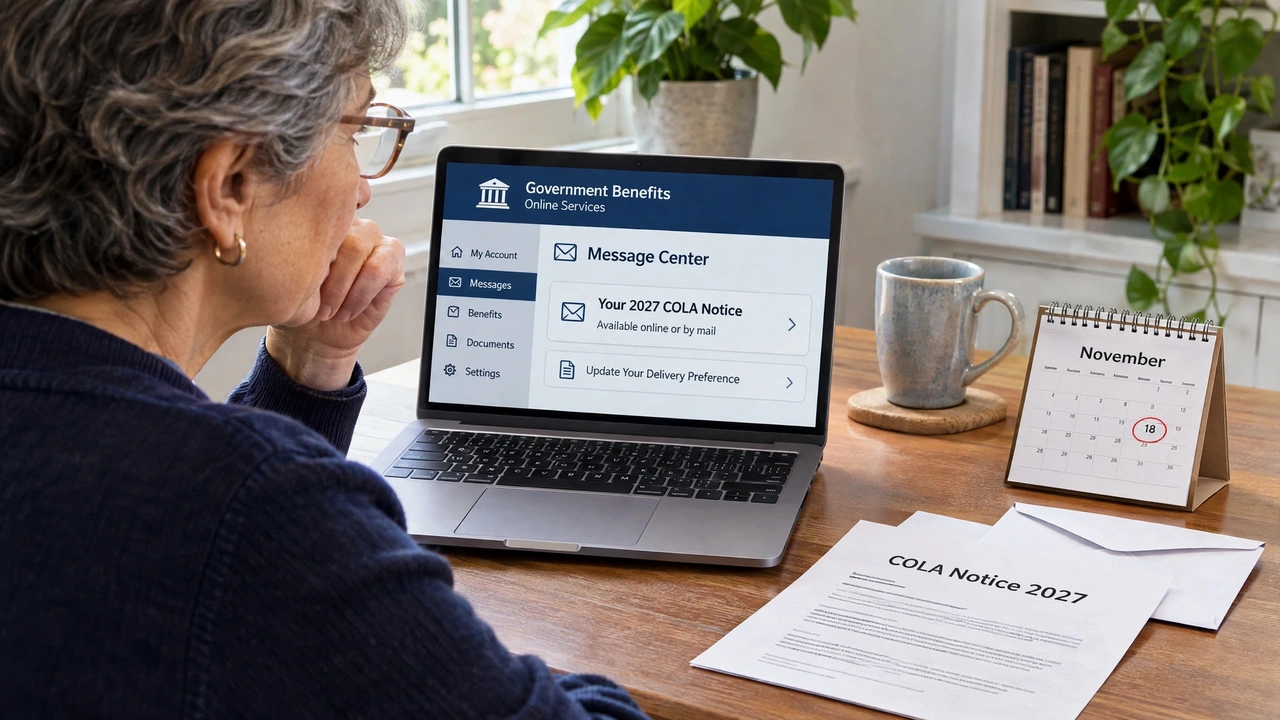
Individual benefit increases will vary according to each beneficiary’s existing payment amount and applicable deductions. According to the SSA’s COLA guidance, eligible paperless account holders can access personalized benefit notices online, with retirement and disability recipients able to view them starting in early December. Beneficiaries receiving paper notices should expect them during December.
What to Do if Your November 25 Payment Is Missing
If November 25 is your assigned payment date but the money does not appear in your account, the SSA recommends contacting your bank or financial institution first. A pending payment or posting delay does not necessarily mean that your benefits have been suspended. Your bank may be able to determine whether an electronic payment has arrived but has not yet been made available.
If the problem remains unresolved, the SSA’s missing payment guidance directs beneficiaries to contact the agency at 1-800-772-1213 or their local Social Security office. Beneficiaries can also use their personal SSA account to confirm their scheduled payment information. The agency can investigate missing payments and issue replacements when appropriate.
Beneficiaries should also be cautious about unexpected messages offering extra holiday payments or early access to the 2027 benefit increase. In an October 30 scam prevention warning, the SSA reminded recipients that annual benefit increases happen automatically and require no activation fee. Do not provide banking information or send money in response to unsolicited payment offers.
For those assigned to the fourth-Wednesday cycle, November 25 remains the scheduled payment date, followed by December 23. No special application is required to receive these regularly scheduled benefits. The next annual benefit increase begins with January 2027 Social Security payments, while SSI beneficiaries follow their separate year-end schedule.