
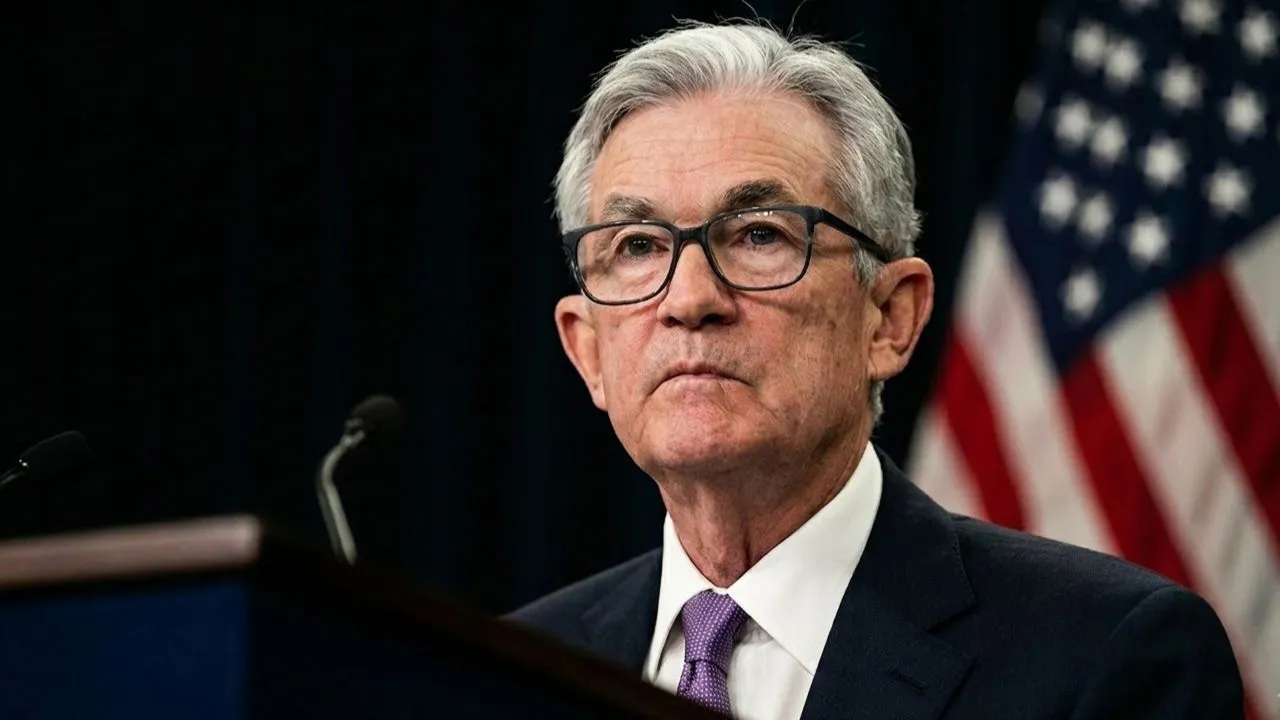
The four-step repricing sequence this article explains activates today at 2:00 PM ET. Check your HYSA rate by June 20. The dot plot signal will determine whether Step 2 begins tonight or after a hold.
The Federal Reserve released the FOMC minutes from the April 28 to 29, 2026 meeting today at 2:00 PM ET. The minutes affect savings account APYs, CD yields, and mortgage rates for approximately 130 million American households.
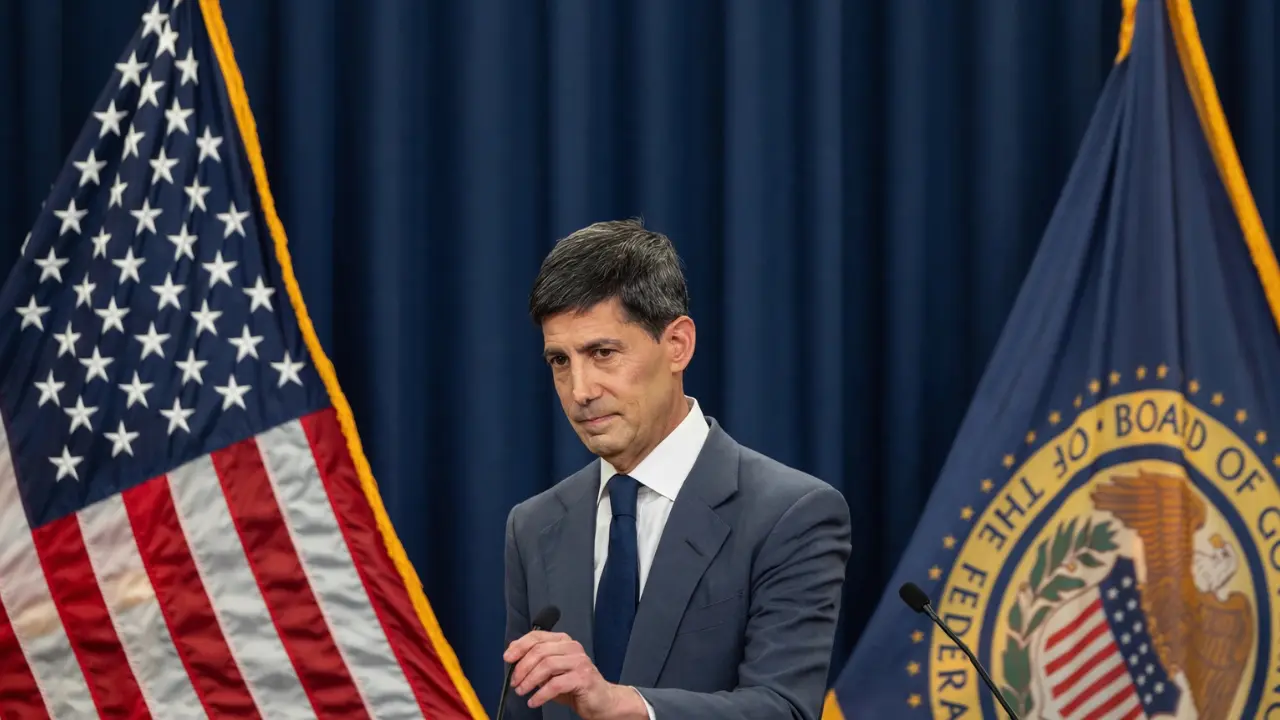
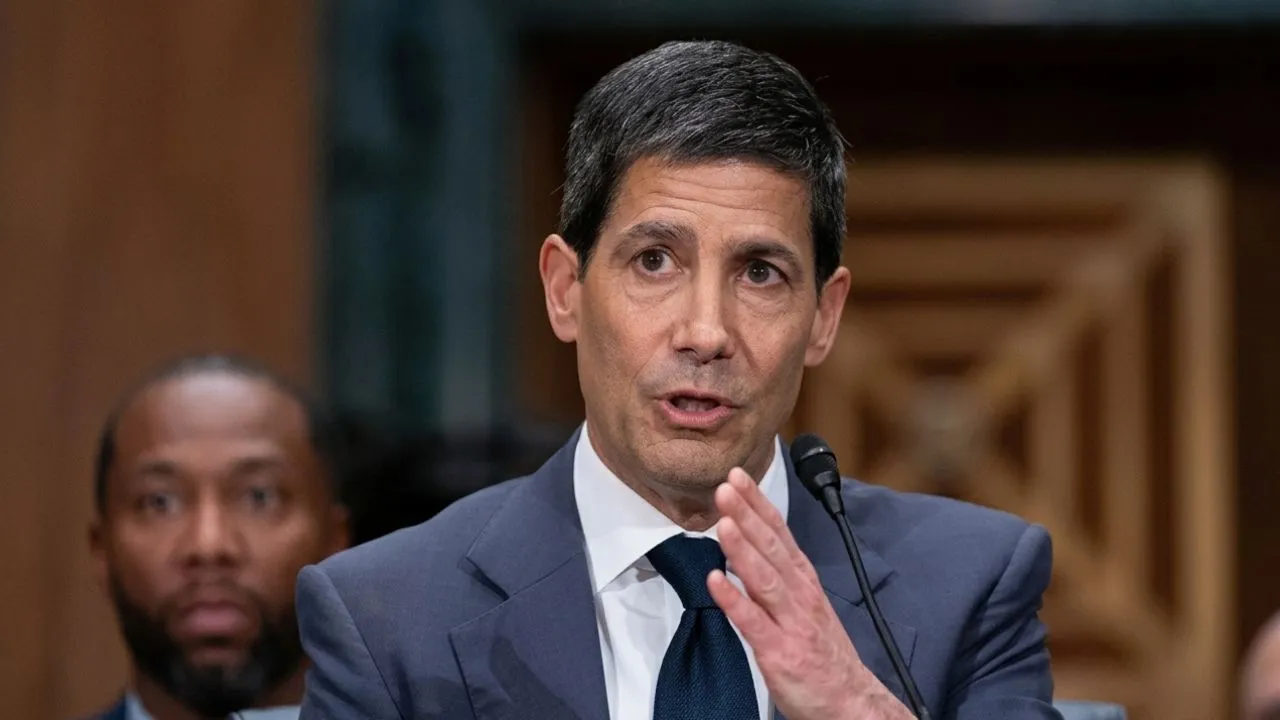
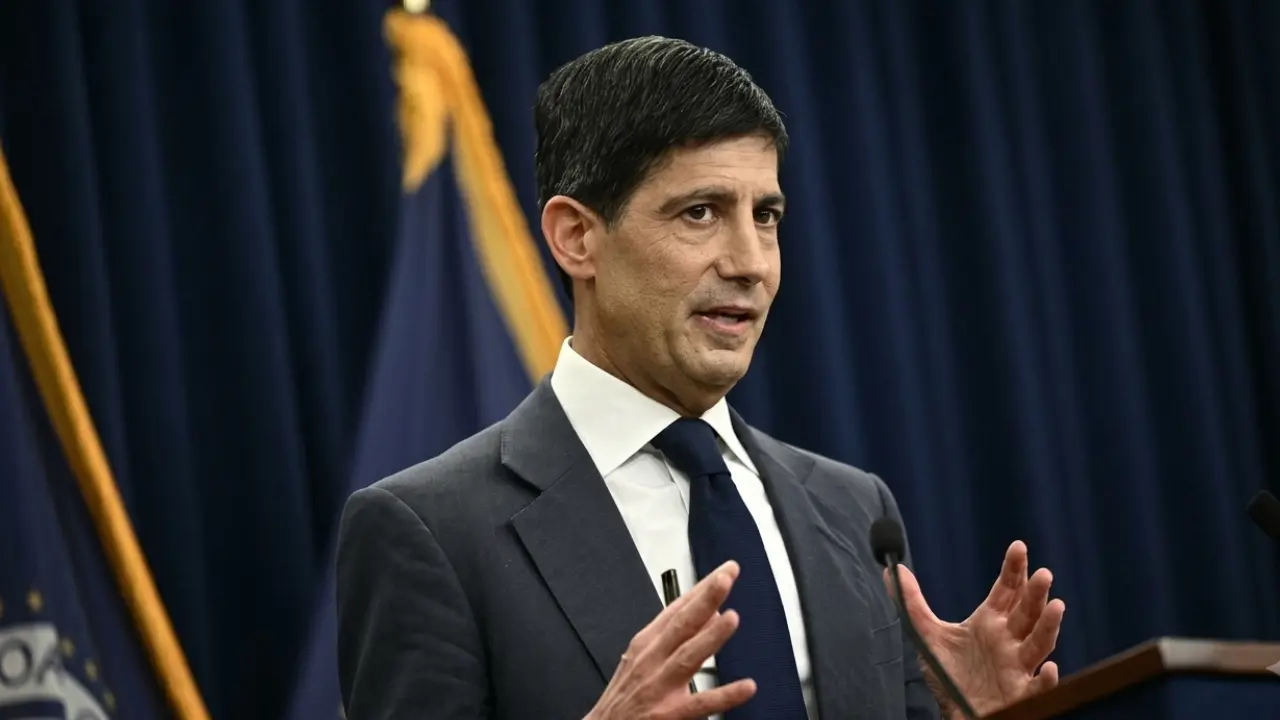
The federal funds rate is 3.5% to 3.75%. Kevin Warsh chairs his first FOMC vote June 16 to 17, 2026. The Federal Reserve does not change your savings account rate. Your bank does.
The sequence between a Fed vote and the number that appears in your online banking app involves four separate institutions operating on four different timelines, and understanding exactly how that sequence works gives you a permanent advantage over every other saver who waits for their bank to send an email notification.
The FOMC minutes from the April 28 to 29, 2026 meeting released today at 2:00 PM ET at federalreserve.gov. That release today activates Step 1 of the sequence this article explains.
The money movement system guide covers the full institutional pipeline from Fed policy signal to your bank account balance. The federal funds rate is 3.5% to 3.75%, confirmed in the April 29 FOMC implementation note. That rate is the overnight borrowing rate between banks.
It is not a savings account rate. It is not a mortgage rate. It is the benchmark from which every other rate in the American financial system is derived, through a specific four-step repricing sequence that plays out across days, weeks, and sometimes months after each FOMC decision.
Step 1: Primary dealers reprice within hours of the Fed signal
Primary dealers are the 24 financial institutions authorized to trade directly with the Federal Reserve, per federalreserve.gov’s primary dealer list. They include JPMorgan Chase, Goldman Sachs, Citigroup, and 21 others.
Within minutes of an FOMC statement or minutes release that shifts rate expectations, primary dealers begin repricing their Treasury security bids and offers to reflect the new probability distribution of future federal funds rates.

This repricing moves the 2-year Treasury yield, which is the benchmark rate most directly tied to Fed policy expectations. The 2-year yield moves because primary dealers are pricing what the federal funds rate will be over the next two years, not what it is today.
When the FOMC minutes reveal broader internal support for rate hikes than markets expected, primary dealers immediately bid down the price of 2-year Treasuries, pushing the yield higher. When the minutes reveal a more dovish committee, the 2-year yield falls.
The 2-year Treasury yield published daily by the Federal Reserve at federalreserve.gov/releases/h15 is the single number that transmits Fed policy expectations to the rest of the rate system.
Everything that follows in the repricing sequence flows from this number. The FOMC minutes full analysis covers how today’s minutes release moved this benchmark and what the movement signals for June 16.
Step 2: HYSA platforms and online banks reprice within 24 to 72 hours
High-yield savings accounts at online institutions, including Ally, Marcus, Discover Bank, SoFi, and similar platforms are priced primarily by treasury operations desks that monitor the 2-year yield and the federal funds rate target continuously.
These institutions operate with lower cost structures than traditional banks, allowing them to pass rate changes to consumers faster. When the 2-year yield moves significantly after an FOMC statement or minutes release, competitive online savings platforms typically revise their APYs within 24 to 72 hours.
The revision is not automatic. It requires an internal pricing committee review and an approval process. But at competitive HYSA institutions, this process runs on a compressed timeline because any delay represents lost deposits to faster-moving competitors.
The institutional target is to be among the first platforms to post a revised rate following any significant Fed signal. This 24 to 72 hour window after a hawkish FOMC minutes release, like today’s potential signal that the April 29 committee debated rate hikes internally is when informed savers check their current APY against the competitive market.
The Warsh June 16 rate hike consumer impact guide covers the dollar impact of a 25 basis point hike on a $75,000 savings account at current competitive APYs.
Step 3: CD rates follow within 3 to 7 business days
CD rates at competitive online institutions are priced off the forward rate curve, the market’s current expectation of where the federal funds rate will be at various future dates. When FOMC minutes shift that expectation significantly, CD rates move within 3 to 7 business days of the release.
The directional guidance here is precise. If today’s minutes reveal that a number of participants discussed rate hike scenarios for June 16, CD rates at competitive institutions will move higher before June 16 as banks price in the hike probability.
A 12-month CD opened the week before a confirmed rate hike will typically offer a rate 20 to 35 basis points lower than the same CD opened the week after the hike, once repricing completes. On a $50,000 deposit, that difference is $100 to $175 in annual interest income.
If the minutes reveal a committee comfortable with holding through late 2026, CD rates hold near current levels. The Federal Reserve H.15 daily rates page publishes the market’s current pricing of Treasury securities across all maturities daily.
Comparing the 6-month and 12-month Treasury yields before and after today’s 2 PM ET release tells you precisely how the CD rate environment is about to move at competitive institutions. The FOMC minutes five signals analysis covers the specific language patterns in today’s document that drive this repricing.
Step 4: Brick-and-mortar banks lag by 2 to 4 weeks
Traditional large banks, the ones with physical branch networks, checking accounts, and consumer credit cards, reprice savings products on a significantly longer timeline than online institutions. The operational reasons are structural.
Large banks manage savings rate adjustments through relationship banking frameworks, retail pricing committees, and balance sheet constraints that operate on quarterly rather than weekly cycles.
When the federal funds rate moves by 25 basis points, the typical brick-and-mortar savings account rate at a large traditional bank reflects approximately 40 to 60 percent of that change over 2 to 4 weeks, compared to 85 to 95 percent at competitive online institutions.
This gap is called the deposit beta, is the measurable cost of keeping savings at a traditional bank rather than a competitive HYSA platform during a rising rate environment. The Bureau of the Fiscal Service at the U.S. Treasury disburses all federal payments including Social Security and IRS refunds through the FedACH network, per fiscal.treasury.gov.
The rate your bank pays on your savings is determined entirely separately from when federal payments arrive, two different institutional systems, both connected to the Fed but operating on different mechanisms.
The how the Fed controls your savings and mortgage rates guide explains the full deposit beta mechanics and why the same Fed rate environment produces different APYs at different institution types.
The Warsh Fed chair policy changes guide covers how Warsh’s institutional preferences, specifically his documented inclination toward faster balance sheet reduction, may widen the repricing gap between online and traditional institutions in 2026.
What you should do now
- Check the H.15 rates page tonight and note the 2-year Treasury yield. Compare it to yesterday’s closing level. The direction and size of the move tells you how markets interpreted today’s FOMC minutes for the June 16 rate decision.
- Check your current HYSA APY in your online banking app today. Within 48 to 72 hours of today’s minutes release, compare it again. Any change at a competitive institution will reflect the signal from the minutes.
- If you have a CD maturing in the next 30 days, hold the proceeds in your HYSA for at least 72 hours after today’s release before rolling into a new CD. The repriced CD yield after today’s signal will likely differ from what is available this morning.
- If your savings are at a traditional brick-and-mortar bank, understand that repricing usually lags online institutions by 2 to 4 weeks. If today’s minutes are hawkish, any savings rate improvement at your bank may not appear until mid-June.
- Use federalreserve.gov/releases/h15 as your daily benchmark. It is free, updated every business day, and published directly by the primary source that tracks the rates influencing savings accounts, CDs, mortgages, and Treasury yields nationwide.