
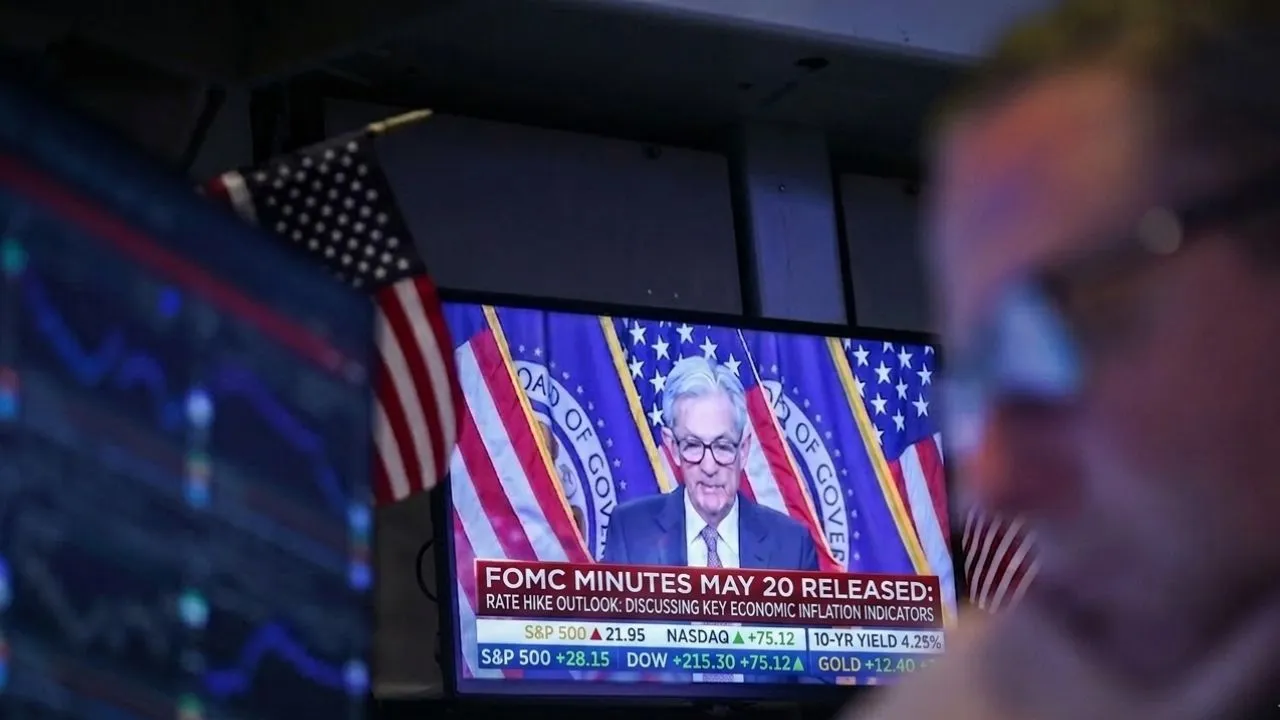
The four-dissent committee documented in these minutes votes today. Decision releases 2:00 PM ET. Whether Warsh holds the easing bias or removes it determines the savings rate repricing sequence beginning tonight.
Key Findings
1. Dissent count and direction: Four dissenters, two camps. Stephen Miran dissented in favor of a 25bps rate cut. Beth Hammack, Neel Kashkari, and Lorie Logan dissented in the opposite direction, they supported holding rates but objected to the easing bias embedded in the statement language.
2. Inflation language: The committee described inflation as “elevated, in part reflecting the recent increase in global energy prices”, no “moderating,” no “persistent.” The word “elevated” with an energy-price attribution signals the committee sees inflation as externally driven, not entrenched.
3. Forward guidance signal: The statement contained an easing bias that three of four dissenters explicitly rejected. That internal split, one member pushing for cuts, three members opposing even the language of future cuts, makes the June 16 outcome under Warsh genuinely ambiguous. The committee is fractured in both directions simultaneously.
Four dissents: what it signals
Four dissenting votes in a single FOMC meeting is the highest count since 1992, per Federal Reserve historical voting records. Dissent is not abstention, each dissenting member records their opposing position permanently in the published minutes.
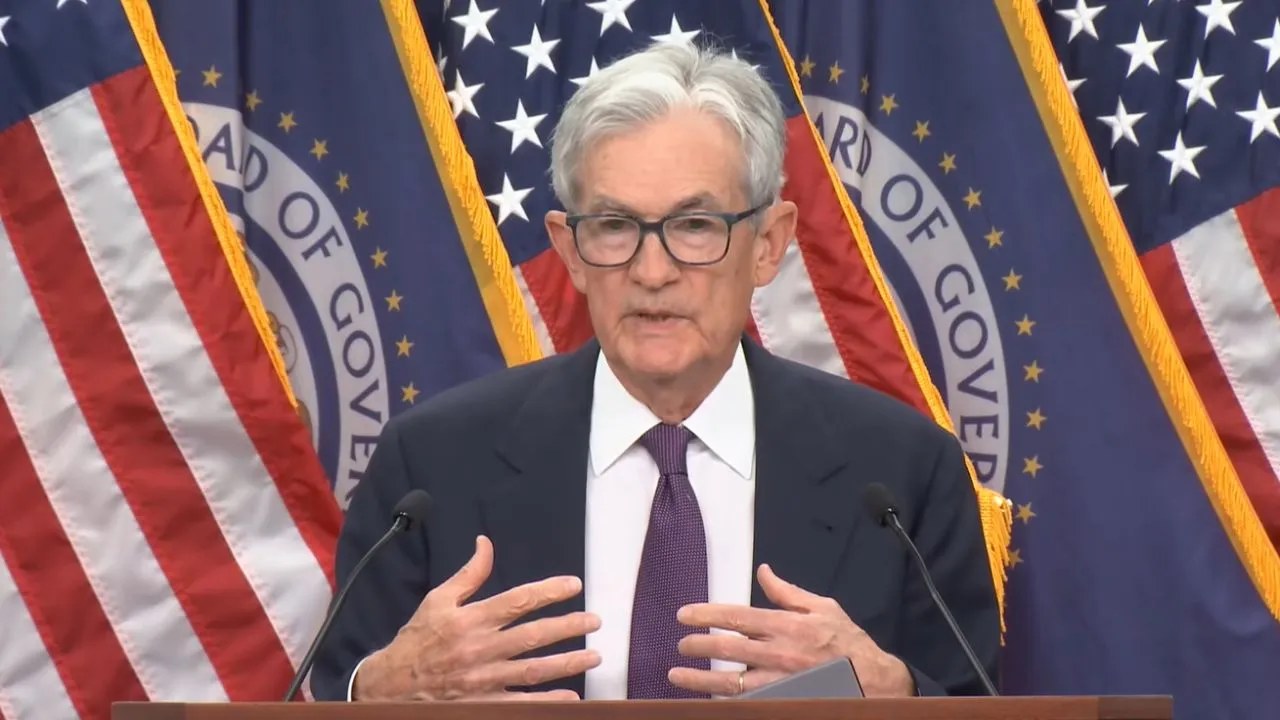
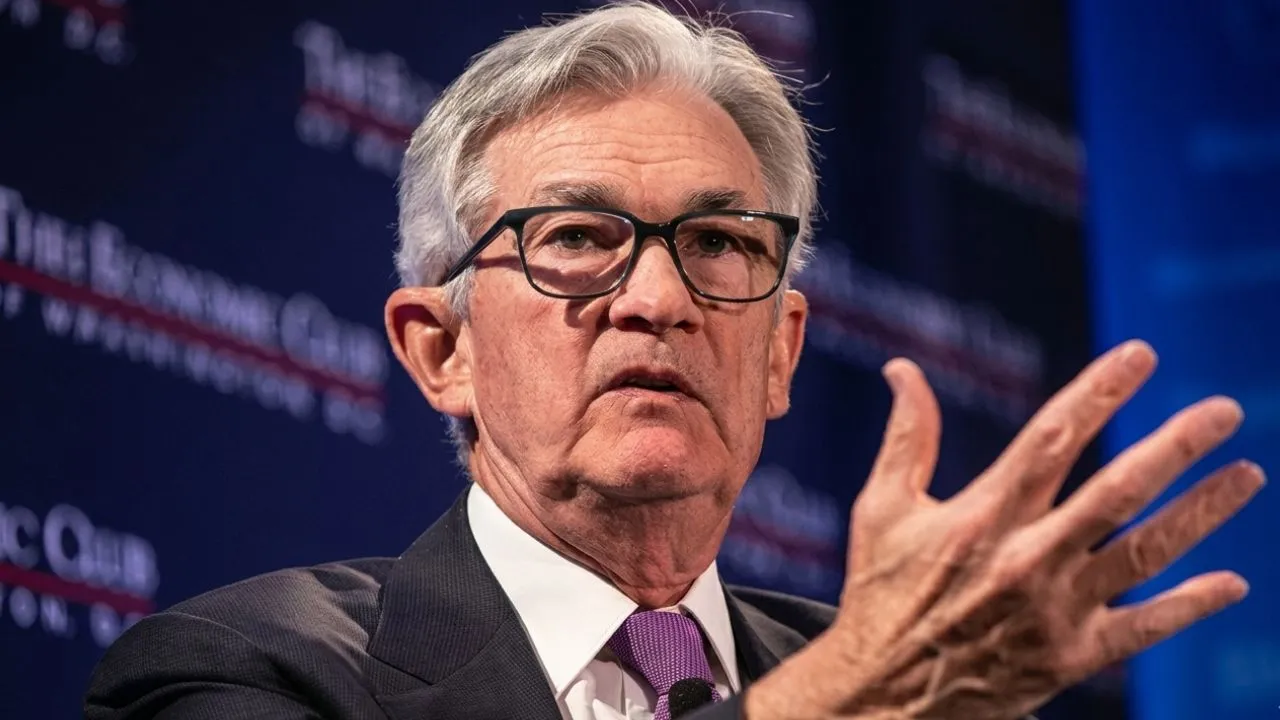
When Kevin Warsh chairs his first meeting on June 16–17, he inherits a committee divided between a dovish camp protecting employment and a hawkish camp prioritizing inflation reduction through higher rates. Today’s minutes reveal which camp holds more votes and that determines whether June 16 produces a hold or a hike.
Your savings rate now
High-yield savings accounts currently pay 3.50%–4.50% APY per FDIC published rate data. A hawkish signal in today’s minutes triggers a specific sequence: primary dealer banks reprice internal models within hours; online banks update posted savings rates within 24–72 hours; brick-and-mortar banks lag 2–4 weeks.
If the minutes show an evenly divided committee, rates hold until June 16 itself. Check your bank’s savings rate page tomorrow morning for first post-release movement.
Mortgage rates: the math
The 30-year fixed mortgage rate stands at 6.58% per Freddie Mac’s primary mortgage survey. Mortgage rates track the 10-year Treasury yield, which responds to FOMC language within minutes of release. A hawkish reading, four dissenters favoring higher rates, inflation language hardening, typically pushes the 10-year yield 5–15 basis points higher within the first hour.
That translates to 0.05%–0.15% higher rates on new 30-year applications by Thursday morning. Refinance applications submitted before 5:00 PM ET today lock at current rates.
Your 2027 Social Security check
The 2027 Social Security COLA is calculated using the Consumer Price Index for Urban Wage Earners during August, September, and October 2026. Federal Reserve rate decisions directly shape inflation through those months.
Current COLA projections sit at 3.9%–4.2% per the Senior Citizens League’s most recent estimate. A hawkish June 16 rate hike compresses that projection toward 3.5%–3.8% by reducing late-2026 inflation. A rate hold preserves the higher number. The mechanism runs on a six-month lag, today’s FOMC signal is the earliest warning available.
Warsh inherits this committee
Kevin Warsh was confirmed as the 17th Federal Reserve chair by a 54–45 Senate vote on May 12, 2026. He has not yet been sworn in as of today’s release, Jerome Powell continues as chair pro tempore under Federal Reserve Board rules. Warsh’s first FOMC meeting as chair runs June 16–17, 2026.
Today’s minutes are the last internal Fed document available before that meeting. Whatever language appears here about dissent, inflation trajectory, and forward guidance sets the expectation framework for Warsh’s inaugural rate decision.