


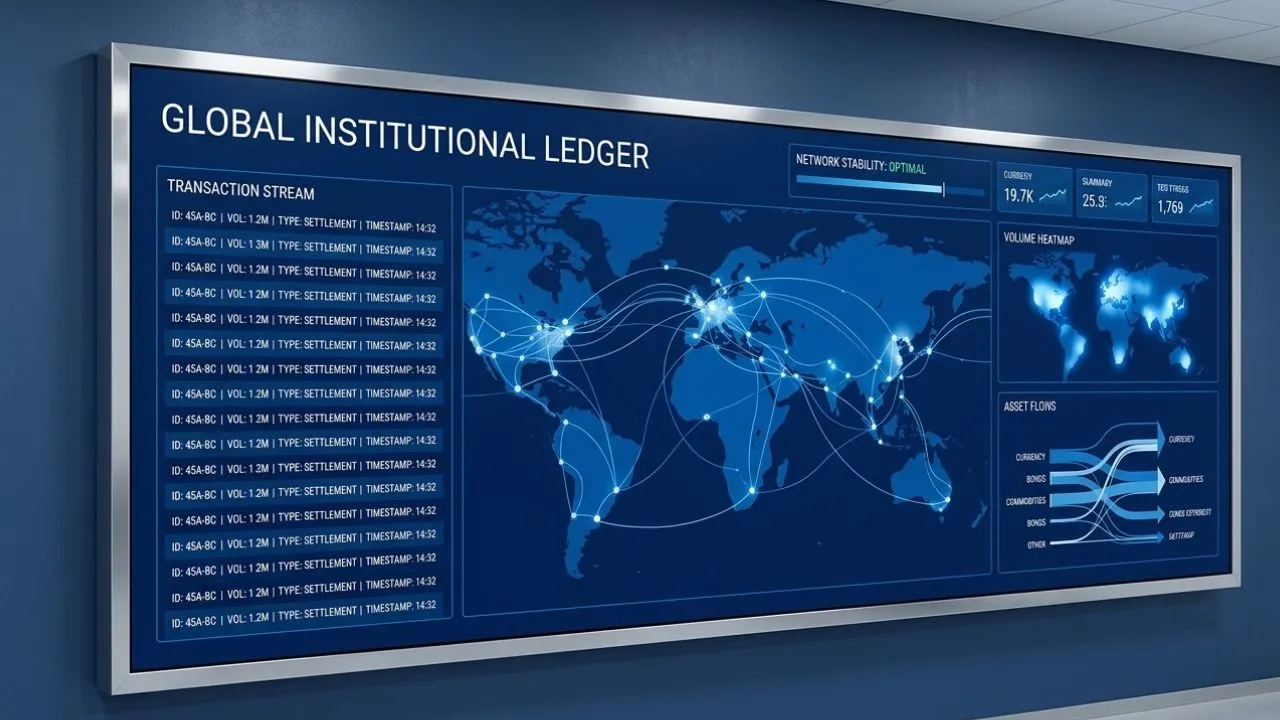
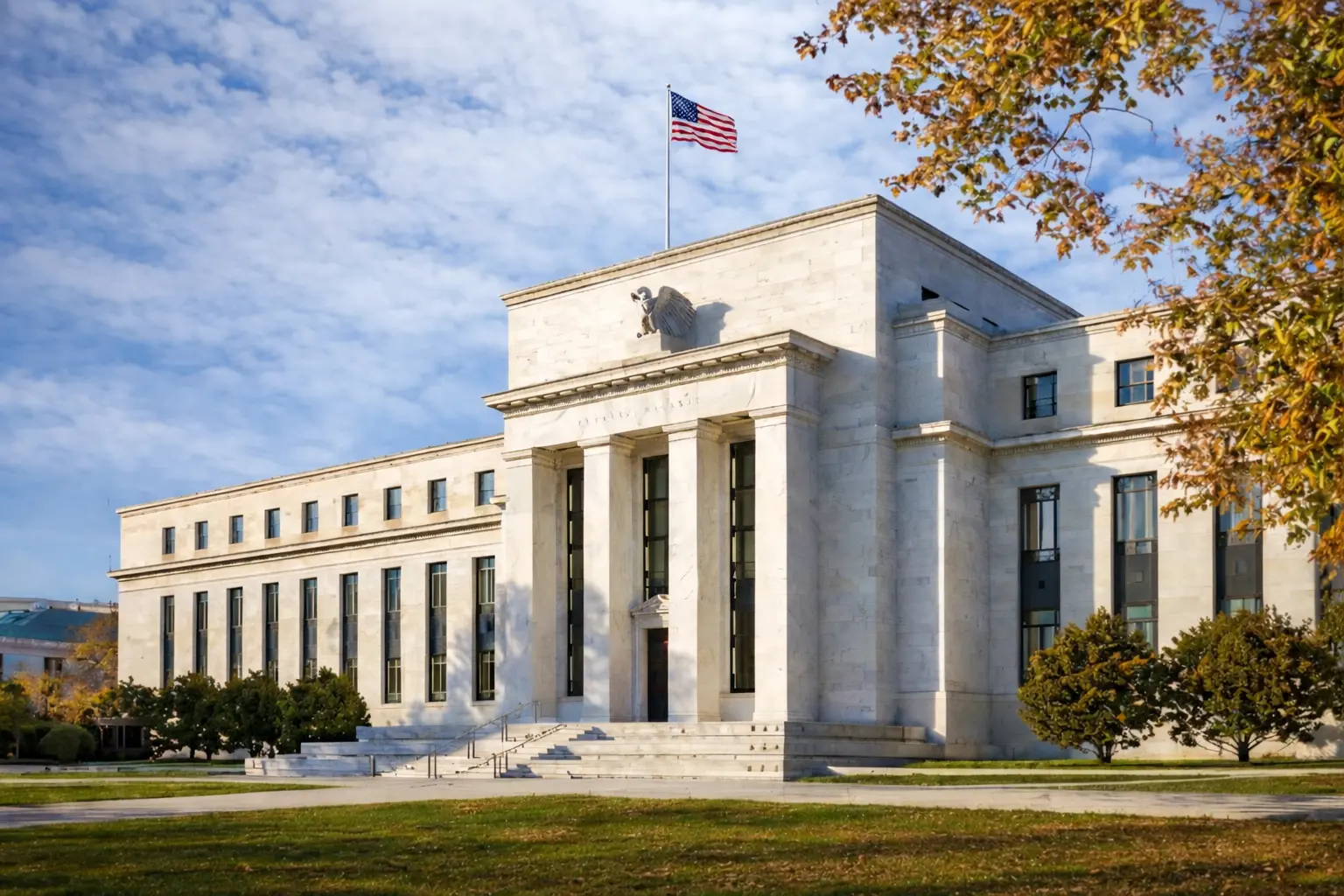
The Federal Reserve balance sheet is the central accounting record of the Fed’s holdings and obligations. As of 2026, total Federal Reserve assets exceed $7 trillion, with U.S. Treasury securities and agency Mortgage-Backed Securities comprising the overwhelming majority.
The balance sheet expanded dramatically from 2008 to 2022 through quantitative easing programs and contracted through quantitative tightening beginning in 2022.
What the Federal Reserve Balance Sheet Is
The Federal Reserve balance sheet is a consolidated financial statement that records every asset the Fed holds and every liability it owes. Unlike a commercial bank balance sheet, the Fed’s ledger is not oriented toward profitability, it is the operational accounting of a sovereign monetary authority whose liabilities are, by law, the currency of the United States.
The Fed publishes its balance sheet weekly as the H.4.1 statistical release, available at federalreserve.gov. This document provides granular line-item data on every category of Federal Reserve asset and liability, updated every Thursday afternoon.
It is among the most closely watched financial documents in global markets, as changes in the balance sheet’s size and composition directly signal the Federal Reserve’s monetary policy stance.
The what is the Federal Reserve article establishes the institutional context within which the balance sheet operates. The balance sheet is the physical ledger of the entire monetary policy operation, every quantitative easing purchase, every discount window loan, and every reverse repo agreement is recorded here.
Asset Side: What the Fed Owns
U.S. Treasury Securities
As of 2026, U.S. Treasury securities constitute the largest single category on the Federal Reserve balance sheet, representing the majority of the Fed’s total assets. These holdings are managed through the System Open Market Account (SOMA), a portfolio maintained and operated by the New York Federal Reserve Bank on behalf of the entire Federal Reserve System.
Treasury holdings span the maturity spectrum—Treasury bills, notes, bonds, and Treasury Inflation-Protected Securities (TIPS). The composition of maturities on the SOMA portfolio directly affects the yield curve.
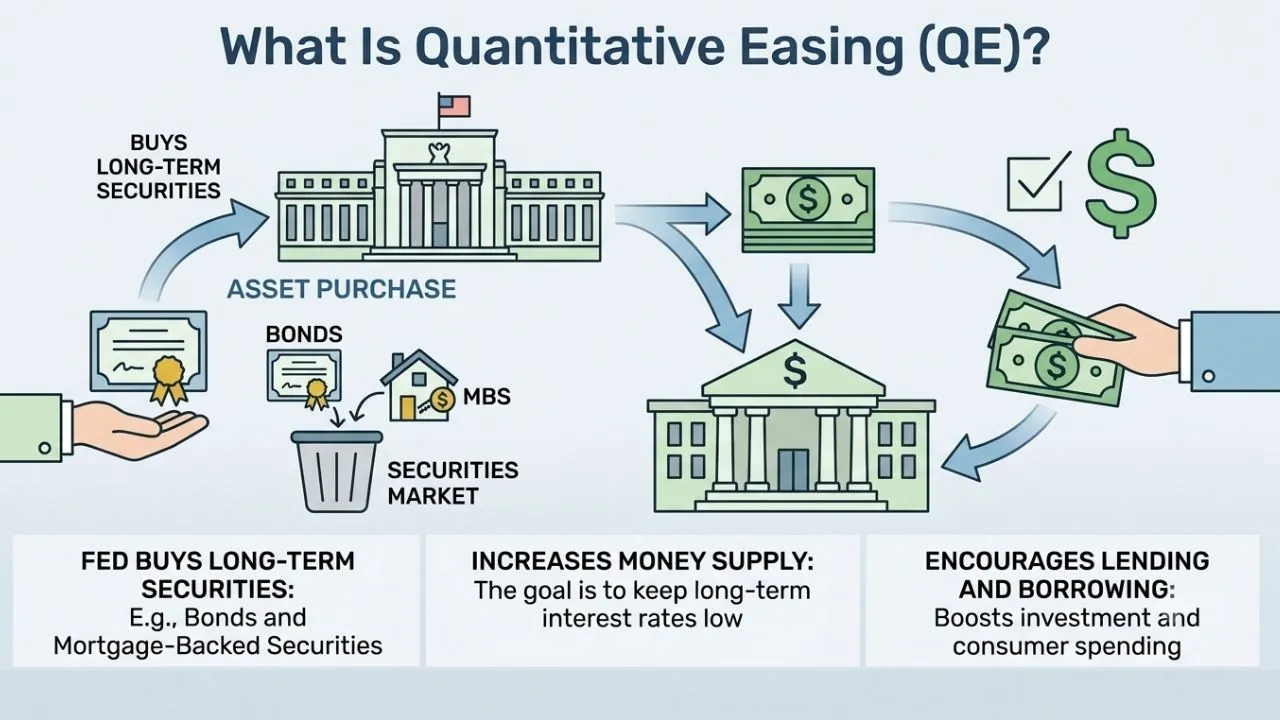
When the Fed holds large quantities of long-duration Treasuries, it suppresses long-term yields relative to short-term rates, a deliberate policy outcome during quantitative easing programs designed to lower mortgage rates and stimulate investment.
As of 2026, under the Federal Reserve’s quantitative tightening program, the Fed is allowing maturing Treasury securities to roll off the balance sheet at a capped monthly rate rather than being reinvested, a process that gradually reduces the SOMA portfolio size and drains reserves from the banking system.
Agency Mortgage-Backed Securities
Agency Mortgage-Backed Securities (MBS) are the second major asset category on the Federal Reserve balance sheet. These are pools of residential mortgages guaranteed by Fannie Mae, Freddie Mac, and Ginnie Mae, the government-sponsored enterprises (GSEs) and federal housing agencies.
The Fed acquired agency MBS at scale beginning with the first quantitative easing program in 2008-2009 and expanded those holdings through QE2, QE3, and the COVID-era QE4 program in 2020. The Fed’s agency MBS holdings suppress the spread between long-term Treasury yields and conforming mortgage rates.
As the Fed allows MBS to run off under quantitative tightening, this spread has widened, contributing to elevated mortgage rates in the 2024-2026 period. The treasury yields mortgage savings Social Security article maps the direct transmission from Fed MBS holdings to 30-year fixed mortgage pricing.
Discount Window and Other Loan Facilities
The Federal Reserve balance sheet also records outstanding balances from the discount window, emergency loans extended to commercial banks, as well as any outstanding balances from special lending facilities activated during financial stress.
During the March 2023 banking crisis, the Fed activated the Bank Term Funding Program (BTFP), which appeared as a distinct loan facility line item on the balance sheet until it expired in March 2024.
Liability Side: What the Fed Owes
Federal Reserve Notes in Circulation
The largest liability on the Federal Reserve balance sheet is Federal Reserve Notes, the physical currency in circulation throughout the United States. Every $1, $5, $10, $20, $50, and $100 bill in existence is a liability of the Federal Reserve System, representing a claim against the Fed’s assets.
As of 2026, currency in circulation remains above $2 trillion, reflecting both domestic demand and significant overseas holdings of U.S. dollar notes. The Bureau of Engraving and Printing manufactures the notes to Federal Reserve specifications, and the regional Federal Reserve Banks issue them into circulation through commercial bank withdrawals. Each note carries the seal of the regional bank that issued it.
Reserve Balances of Depository Institutions
Reserve balances, funds that commercial banks hold in their accounts at Federal Reserve Banks are the second largest liability category on the Fed’s balance sheet. These balances are the primary mechanism through which the Fed implements monetary policy.
When the Fed purchases securities through open market operations, it credits the selling bank’s reserve account, creating new reserve balances as a simultaneous liability entry on the Fed’s ledger. As of 2026, total bank reserves held at the Federal Reserve exceed $3 trillion, according to the H.4.1 weekly release.
The Federal Reserve settlement windows US liquidity article details how these reserve balances move intraday through Fedwire to settle interbank obligations, and how the aggregate reserve level affects the Fed’s ability to maintain its rate corridor without frequent open market interventions.
Overnight Reverse Repo Facility Balances
ON RRP balances, cash deposited at the Fed overnight by money market funds and other eligible counterparties in exchange for Treasury collateral appear as a liability on the Fed’s balance sheet.
During 2022 and 2023, ON RRP balances surged past $2 trillion as money market funds parked enormous cash reserves at the Fed rather than in private markets. By 2025-2026, declining ON RRP usage has reduced this liability category significantly, a structural shift analyzed in the FOMC minutes May 20 expectations savings review.
The Deferred Asset: A Modern Anomaly
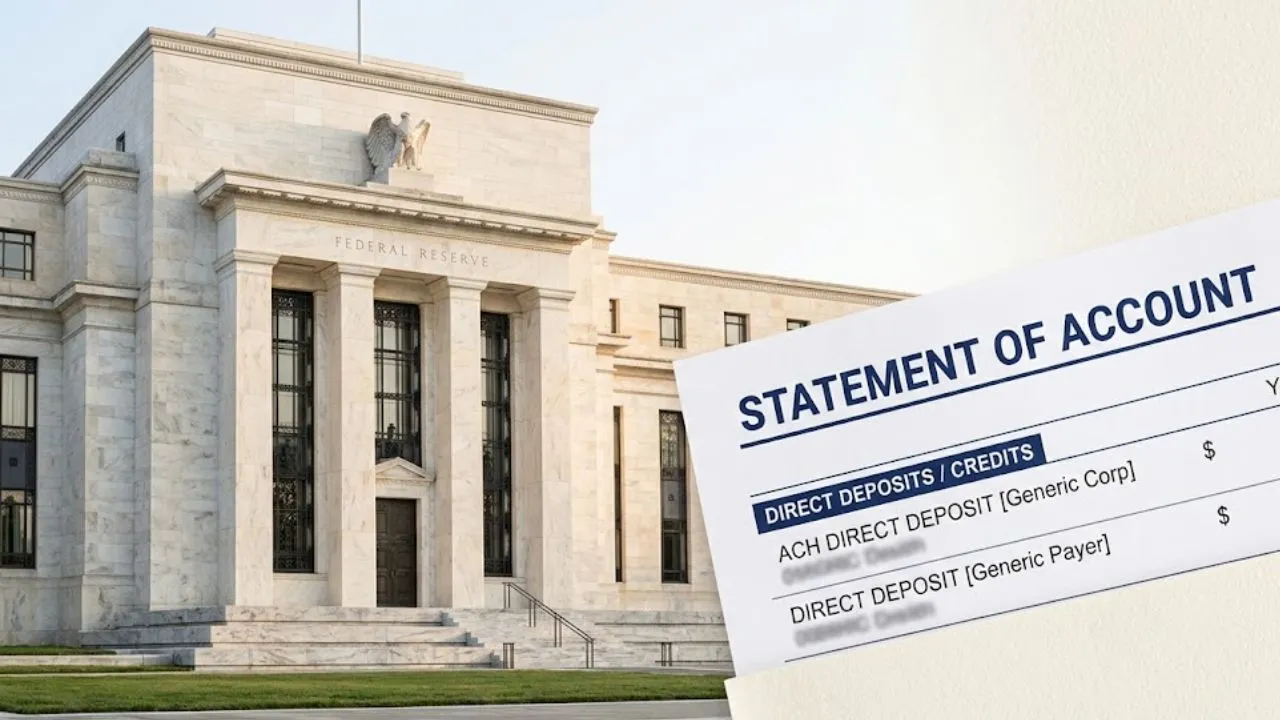
Under the current high-rate environment, the Federal Reserve has been operating at an accounting loss. The Fed pays IORB to commercial banks and ON RRP rates to money market funds, its interest expense while earning interest on its legacy portfolio of low-rate Treasury securities and agency MBS purchased during the near-zero rate era.
When interest expense exceeds interest income, the Fed records a deferred asset rather than a loss, because as a sovereign monetary authority it cannot technically go bankrupt.
As of 2026, the Federal Reserve’s cumulative deferred asset ,representing earnings it owes to the U.S. Treasury but cannot remit until the loss is recouped, has reached a historically unprecedented level. The federal reserve loss deposit impact 2026 article documents the fiscal implications of this accounting position for Treasury revenues.
How Balance Sheet Size Affects Your Deposits and Payments
The size and composition of the Federal Reserve balance sheet is not an abstract financial metric, it has direct, measurable effects on the financial conditions that govern your bank account, mortgage, and federal payment receipts.
When the Fed’s balance sheet is large, reserves in the banking system are abundant. Banks holding excess reserves face little pressure to compete aggressively for deposits, which can suppress savings account yields.
Conversely, as the balance sheet contracts through quantitative tightening, reserves become less abundant, and banks must compete more actively for deposit funding, creating upward pressure on savings rates.
The federal reserve policy explained pillar article provides the master framework for understanding how every balance sheet change propagates through the monetary transmission mechanism into the deposit yields, loan rates, and payment system liquidity that affect American households daily.
The treasury general account explained article complements this analysis by documenting how the U.S. Treasury’s own account at the New York Fed, which draws down when the government spends and replenishes when taxes are collected, interacts with aggregate bank reserves and the Federal Reserve balance sheet in real time.
Why did the Federal Reserve’s balance sheet grow so large?
The Fed expanded its balance sheet through four rounds of quantitative easing between 2008 and 2022, purchasing Treasury securities and agency MBS to suppress long-term yields and stimulate economic recovery. The most dramatic expansion occurred in 2020, when the Fed purchased over $3 trillion in assets within months of the COVID-19 economic shutdown to prevent a financial system collapse.
What is the System Open Market Account?
The System Open Market Account (SOMA) is the portfolio of securities the Federal Reserve holds as its primary asset base. The New York Fed manages SOMA on behalf of all 12 Federal Reserve Banks. SOMA comprises U.S. Treasury securities, agency MBS, and foreign currency holdings. The SOMA portfolio’s composition directly implements the FOMC’s balance sheet policy directives.
Does the Federal Reserve’s balance sheet affect inflation?
Yes. A larger balance sheet means more reserves in the banking system, which supports a larger money supply and, all else equal, can contribute to inflationary pressure if economic capacity is fully utilized. The Fed’s current quantitative tightening program is designed in part to reduce monetary accommodation and support its 2 percent inflation target.
How can I track the Federal Reserve balance sheet myself?
The Fed publishes the H.4.1 Factors Affecting Reserve Balances release every Thursday at 4:30 PM Eastern Time at federalreserve.gov/releases/h41. This is the primary source document for all balance sheet data.
Escalation and Official Sources
For verified Federal Reserve balance sheet data, use only primary sources: the H.4.1 release at federalreserve.gov, the SOMA portfolio data published by the New York Fed at newyorkfed.org, and the Federal Reserve’s annual report to Congress. Do not rely on third-party aggregators for balance sheet figures, as rounding methodologies and reporting lag vary widely.
For questions about how balance sheet operations affect your specific federal payment or deposit timing, the FedACH settlement delays explained article provides the operational bridge between macro balance sheet policy and your individual account posting experience.
The Federal Reserve Balance Sheet as the Ledger of American Monetary Policy
The Federal Reserve balance sheet is the quantitative record of every monetary policy decision the Fed has executed since its founding. Its expansion represents economic stimulus; its contraction signals tightening.
As of 2026, the Federal Reserve balance sheet reflects a transition from an era of extraordinary accommodation into a period of deliberate contraction, with real consequences for mortgage affordability, deposit yields, bank reserve levels, and the speed of federal payment settlement.
The Federal Reserve balance sheet does not live in a spreadsheet at the Fed, it lives in the financial conditions of every American who borrows money, saves money, or receives a federal payment.
What You Should Do Now
- Access the Federal Reserve’s H.4.1 release every Thursday to track current balance sheet levels.
- Compare the current SOMA Treasury portfolio size against your savings account yield to assess whether quantitative tightening has yet reached full transmission into your bank’s deposit pricing.
- Review the Fed rate hold May 7 2026 FOMC decision for the most recent committee guidance on the balance sheet runoff pace.
- Read the treasury federal budget explained article to understand how the Fed’s remittances to the Treasury currently suspended due to the deferred asset affect federal fiscal capacity.






One thought on “Federal Reserve Balance Sheet Explained: Assets, Liabilities, and Monetary Policy Impact @import url("https://fonts.googleapis.com/css2?family=Poppins:wght@400;500;600&family=Source+Sans+3:wght@400;500;600;700&display=swap"); /* ========================================= NORMAL BYLINE ========================================= */ .izo-clean-byline { display: flex; align-items: center; justify-content: space-between; width: 100%; max-width: 620px; gap: 16px; margin-top: 4px; margin-bottom: 16px; font-family: "Poppins", Arial, sans-serif; } .izo-clean-byline-content { display: flex; flex-direction: column; justify-content: center; align-items: flex-start; min-width: 0; gap: 4px; line-height: 1.12; transform: translateY(-4px); font-family: "Poppins", Arial, sans-serif; } .izo-clean-author-wrap { position: relative; display: inline-block; width: fit-content; line-height: 1.12; margin: 0; padding: 0; outline: none; } .izo-by-label { font-family: "Poppins", Arial, sans-serif; font-size: 14px; font-weight: 400; color: #111; line-height: 1.12; margin-right: 3px; } .izo-clean-author-name { position: relative; display: inline-block; font-family: "Poppins", Arial, sans-serif; font-size: 14px; font-weight: 600; color: #111; cursor: pointer; line-height: 1.12; padding: 0; margin: 0; text-decoration-line: underline; text-decoration-color: #111; text-decoration-thickness: 1px; text-underline-offset: 1px; } .izo-clean-author-name::after { display: none; } .izo-clean-meta { font-family: "Poppins", Arial, sans-serif; font-size: 11px; font-weight: 400; color: #555; line-height: 1.12; margin: 0; padding: 0; } /* ========================================= RIGHT ACTIONS GOOGLE + SHARE ========================================= */ .izo-byline-actions { display: flex; align-items: center; justify-content: flex-end; gap: 7px; flex: 0 0 auto; position: relative; top: 6px; } /* ========================================= GOOGLE SOURCE BADGE ========================================= */ .izo-google-source-badge { display: inline-flex; align-items: center; justify-content: center; width: 34px; height: 34px; min-width: 34px; flex: 0 0 34px; padding: 6px; margin: 0; box-sizing: border-box; background: #ffffff !important; border: 1px solid rgba(85,85,85,0.30) !important; border-radius: 6px; box-shadow: none !important; text-decoration: none !important; overflow: hidden; transition: border-color 0.18s ease, background-color 0.18s ease; } .izo-google-source-badge img { display: block; width: 100%; height: 100%; max-width: 100%; object-fit: contain; object-position: center; margin: 0; padding: 0; border: 0 !important; border-radius: 0 !important; background: transparent !important; box-shadow: none !important; } .izo-google-source-badge:hover { background: #ffffff !important; border-color: rgba(85,85,85,0.45) !important; box-shadow: none !important; transform: none !important; } .izo-google-source-badge:focus { background: #ffffff !important; outline: 1px solid rgba(85,85,85,0.45); outline-offset: 2px; box-shadow: none !important; } /* ========================================= SHARE BUTTON ========================================= */ .izo-share-button { display: inline-flex; align-items: center; justify-content: center; width: 34px; height: 34px; min-width: 34px; flex: 0 0 34px; padding: 7px; margin: 0; box-sizing: border-box; background: #ffffff !important; border: 1px solid rgba(85,85,85,0.30) !important; border-radius: 6px; box-shadow: none !important; color: #333333 !important; cursor: pointer; text-decoration: none !important; overflow: hidden; appearance: none; -webkit-appearance: none; transition: border-color 0.18s ease, color 0.18s ease, background-color 0.18s ease; } .izo-share-button svg { display: block; width: 18px; height: 18px; fill: none; stroke: currentColor; stroke-width: 1.8; stroke-linecap: round; stroke-linejoin: round; margin: 0; padding: 0; } .izo-share-button:hover { background: #ffffff !important; border-color: rgba(85,85,85,0.45) !important; color: #111111 !important; box-shadow: none !important; transform: none !important; } .izo-share-button:focus { background: #ffffff !important; outline: 1px solid rgba(85,85,85,0.45); outline-offset: 2px; box-shadow: none !important; } /* ========================================= AUTHOR DETAILS CARD ========================================= */ .izo-clean-author-tooltip { position: absolute; top: calc(100% + 10px); left: 0; width: 440px; max-width: calc(100vw - 40px); background: #fff; color: #333; border: 1px solid #e5e5e5; border-radius: 8px; padding: 16px; font-family: "Source Sans 3", Arial, sans-serif; font-size: 13px; font-weight: 400 !important; line-height: 1.55; box-shadow: 0 8px 24px rgba(0,0,0,0.10); opacity: 0; visibility: hidden; transform: translateY(5px); transition: opacity 0.2s ease, transform 0.2s ease, visibility 0.2s ease; z-index: 9999; pointer-events: none; } /* ========================================= IMAGE + BIO ========================================= */ .izo-tooltip-main { display: flex; align-items: flex-start; gap: 14px; width: 100%; } .izo-tooltip-image { width: 96px; height: 96px; flex: 0 0 96px; object-fit: cover; object-position: center; display: block; border-radius: 6px; margin: 0; padding: 0; } .izo-tooltip-bio { flex: 1 1 auto; min-width: 0; font-family: "Source Sans 3", Arial, sans-serif; font-size: 13px; font-weight: 400; line-height: 1.55; color: #333; margin: 0; padding: 0; } .izo-clean-author-tooltip strong { font-family: "Source Sans 3", Arial, sans-serif; font-weight: 400 !important; } /* ========================================= DESKTOP HOVER ========================================= */ .izo-clean-author-wrap:hover .izo-clean-author-tooltip { opacity: 1; visibility: visible; transform: translateY(0); pointer-events: auto; } /* ========================================= KEYBOARD / MOBILE TAP ========================================= */ .izo-clean-author-wrap:focus .izo-clean-author-tooltip, .izo-clean-author-wrap:focus-within .izo-clean-author-tooltip { opacity: 1; visibility: visible; transform: translateY(0); pointer-events: auto; } /* ========================================= POPUP FOOTER SOCIALS | READ PROFILE ========================================= */ .izo-tooltip-footer { display: flex; align-items: center; gap: 14px; margin-top: 16px; width: 100%; } .izo-tooltip-socials { display: flex; align-items: center; gap: 14px; margin: 0; padding: 0; } .izo-tooltip-socials a { display: inline-flex; align-items: center; justify-content: center; width: 24px; height: 24px; color: #222; text-decoration: none; border: none; transition: opacity 0.2s ease, transform 0.2s ease; } .izo-tooltip-socials a:hover { opacity: 0.72; transform: translateY(-1px); } .izo-tooltip-socials svg { width: 21px; height: 21px; fill: currentColor; display: block; } /* Grey separator */ .izo-tooltip-separator { display: inline-flex; align-items: center; justify-content: center; color: #b5b5b5; font-family: "Source Sans 3", Arial, sans-serif; font-size: 20px; font-weight: 400; line-height: 1; margin: 0 1px; } /* Read profile */ .izo-clean-author-tooltip .izo-profile-link { display: inline-block; font-family: "Source Sans 3", Arial, sans-serif; font-size: 13px; font-weight: 600; color: #1a73e8; text-decoration: none; border-bottom: 1px solid #1a73e8; line-height: 1.25; white-space: nowrap; } /* ========================================= MOBILE ========================================= */ @media (max-width: 650px) { .izo-clean-byline { display: flex; flex-direction: row; align-items: center; justify-content: space-between; width: 100%; max-width: 100%; gap: 7px; margin-top: 3px; margin-bottom: 14px; flex-wrap: nowrap; } .izo-clean-byline-content { display: flex; flex-direction: column; flex: 1 1 auto; min-width: 0; max-width: calc(100% - 68px); gap: 3px; line-height: 1.12; transform: translateY(-4px); } .izo-clean-author-wrap { line-height: 1.12; margin: 0; padding: 0; max-width: 100%; white-space: nowrap; } .izo-by-label { font-size: 12px; line-height: 1.12; margin-right: 3px; } .izo-clean-author-name { font-size: 12px; font-weight: 600; line-height: 1.12; padding: 0; margin: 0; text-underline-offset: 1px; white-space: nowrap; } .izo-clean-meta { font-size: 9.5px; line-height: 1.12; margin: 0; padding: 0; color: #555; white-space: nowrap; } /* ========================================= GOOGLE + SHARE MOBILE STAY ON SAME ROW ========================================= */ .izo-byline-actions { display: flex; flex-direction: row; align-items: center; justify-content: flex-end; gap: 5px; flex: 0 0 auto; white-space: nowrap; position: relative; top: 5px; } /* GOOGLE MOBILE */ .izo-google-source-badge { width: 28px; height: 28px; min-width: 28px; flex: 0 0 28px; padding: 5px; border-radius: 5px; background: #ffffff !important; border: 1px solid rgba(85,85,85,0.30) !important; box-shadow: none !important; margin: 0; } .izo-google-source-badge img { width: 100%; height: 100%; } /* SHARE MOBILE */ .izo-share-button { width: 28px; height: 28px; min-width: 28px; flex: 0 0 28px; padding: 6px; border-radius: 5px; background: #ffffff !important; border: 1px solid rgba(85,85,85,0.30) !important; box-shadow: none !important; margin: 0; } .izo-share-button svg { width: 15px; height: 15px; stroke-width: 1.8; } /* ========================================= MOBILE AUTHOR CARD ========================================= */ .izo-clean-author-tooltip { width: min(340px, calc(100vw - 32px)); max-width: calc(100vw - 32px); padding: 14px; left: 0; font-size: 12.5px; line-height: 1.5; } .izo-tooltip-main { gap: 11px; align-items: flex-start; } .izo-tooltip-image { width: 82px; height: 82px; flex: 0 0 82px; border-radius: 5px; } .izo-tooltip-bio { font-size: 12.5px; line-height: 1.5; } /* Mobile footer */ .izo-tooltip-footer { gap: 11px; margin-top: 14px; flex-wrap: nowrap; } .izo-tooltip-socials { gap: 12px; } .izo-tooltip-socials a { width: 22px; height: 22px; } .izo-tooltip-socials svg { width: 20px; height: 20px; } .izo-tooltip-separator { font-size: 18px; margin: 0; } .izo-clean-author-tooltip .izo-profile-link { font-size: 12.5px; line-height: 1.2; } }
ByAdarsha Dhakal

Adarsha Dhakal is the Founder and Editor of Investozora, an independent U.S. financial news publication he launched in August 2025. He covers IRS tax refunds, Social Security benefit payments, federal payment systems, Federal Reserve policy, and U.S. Treasury operations, explaining how government financial decisions affect the daily lives of American households. All reporting is sourced directly from official government records including IRS.gov, SSA.gov, FederalReserve.gov, and fiscal.treasury.gov.
|
Read full profile →
Published May 23, 2026 · 9:01 AM ET · Updated 2 months ago

”