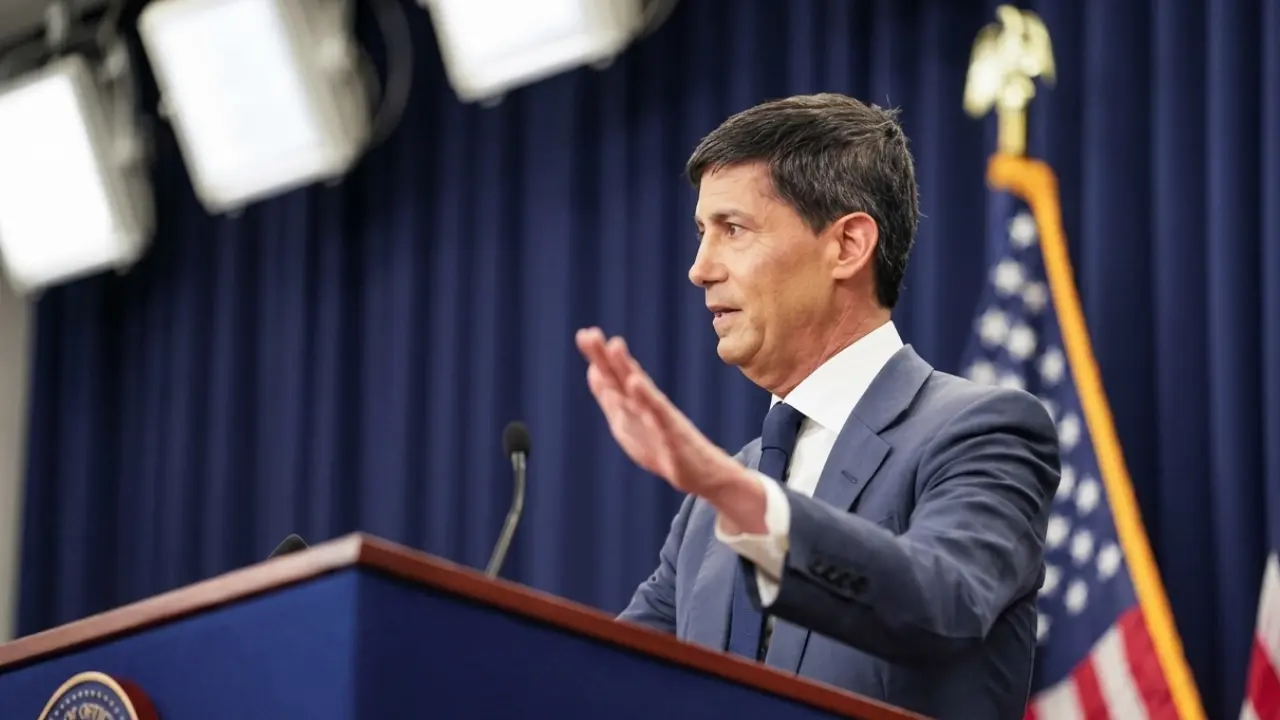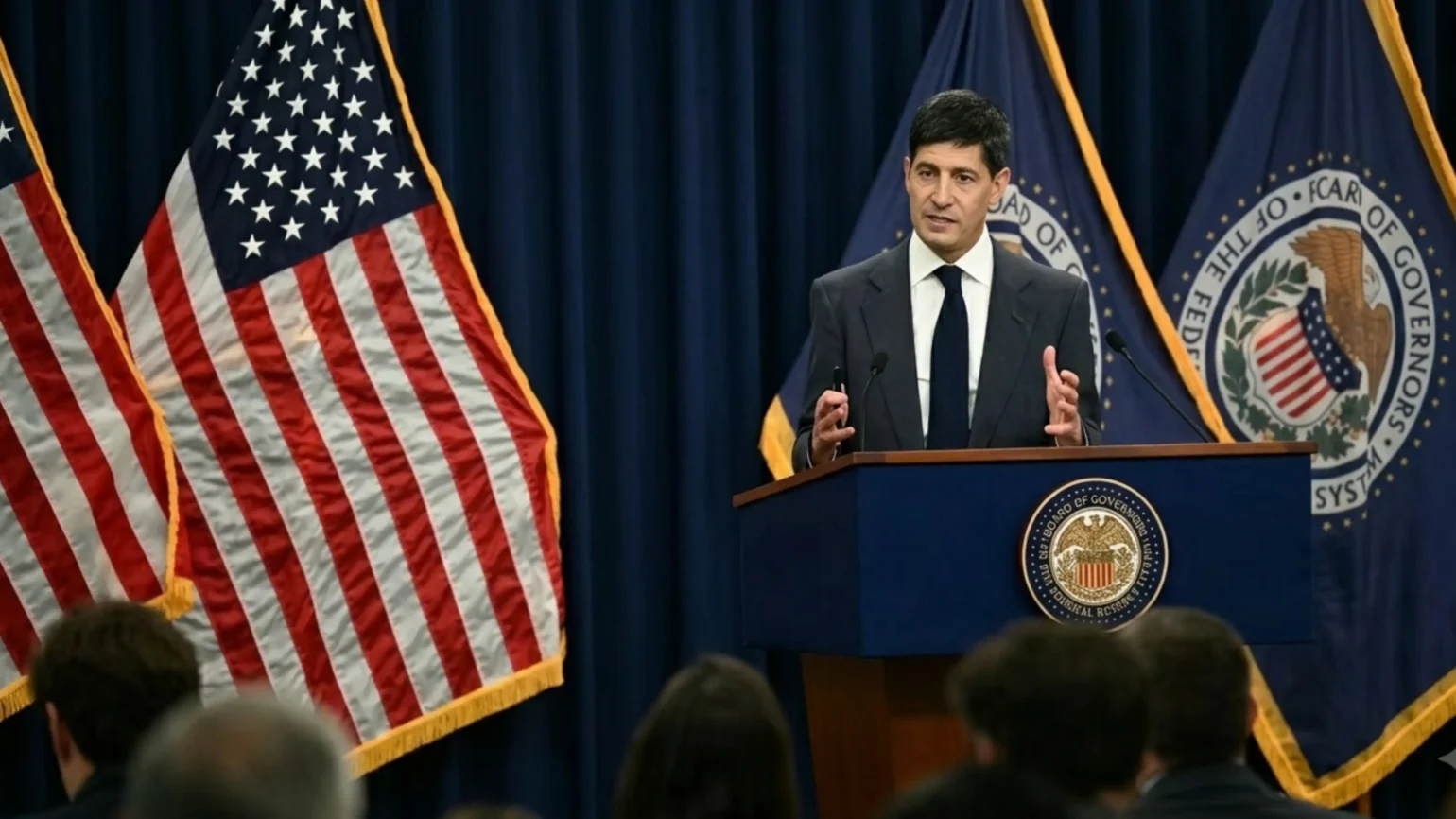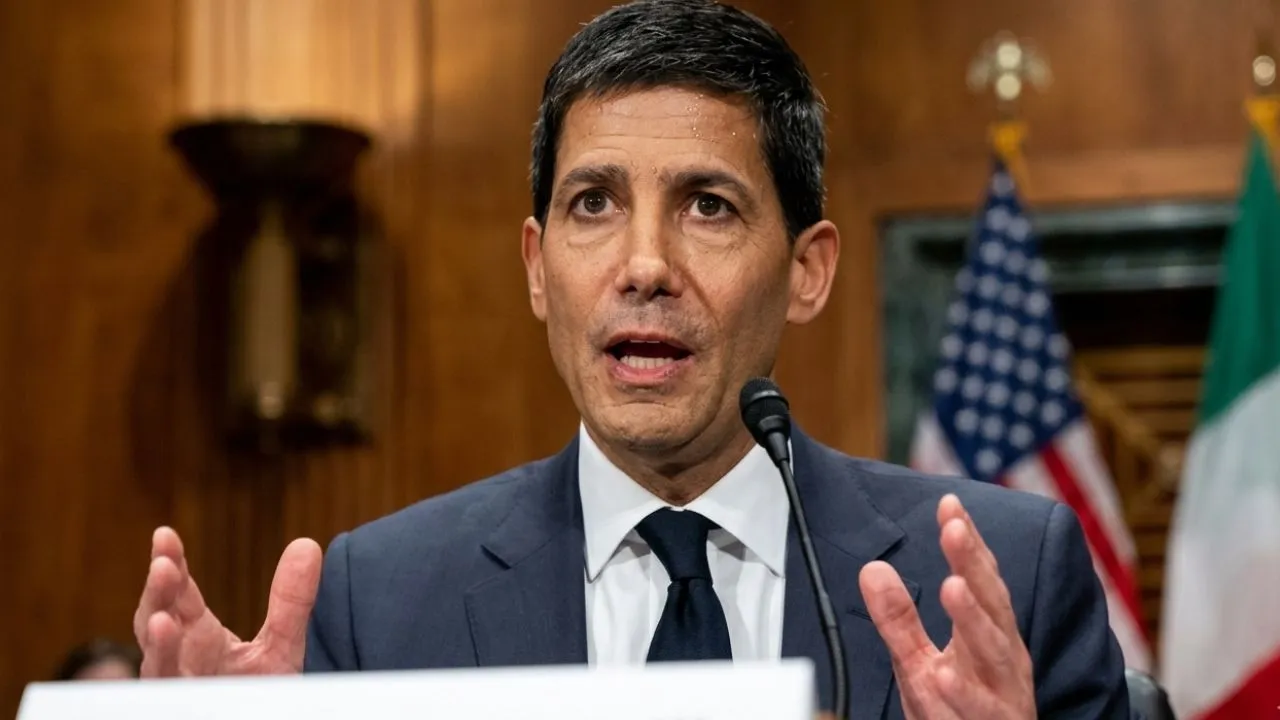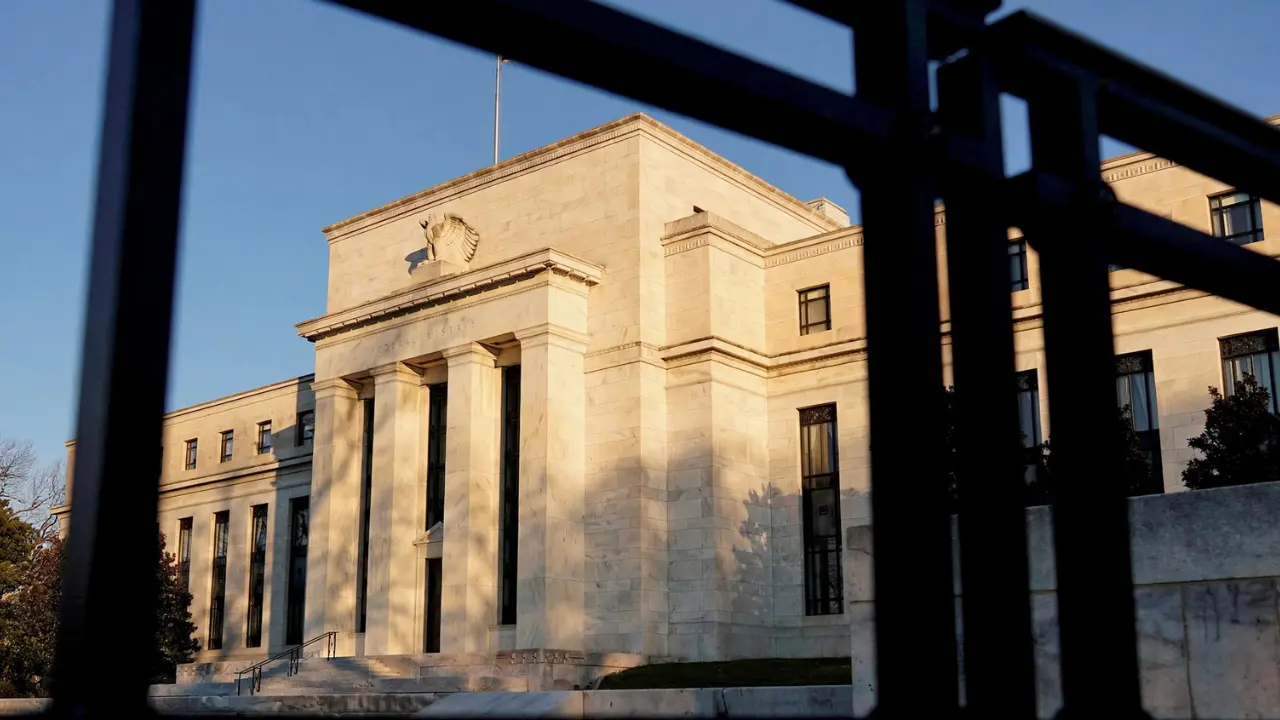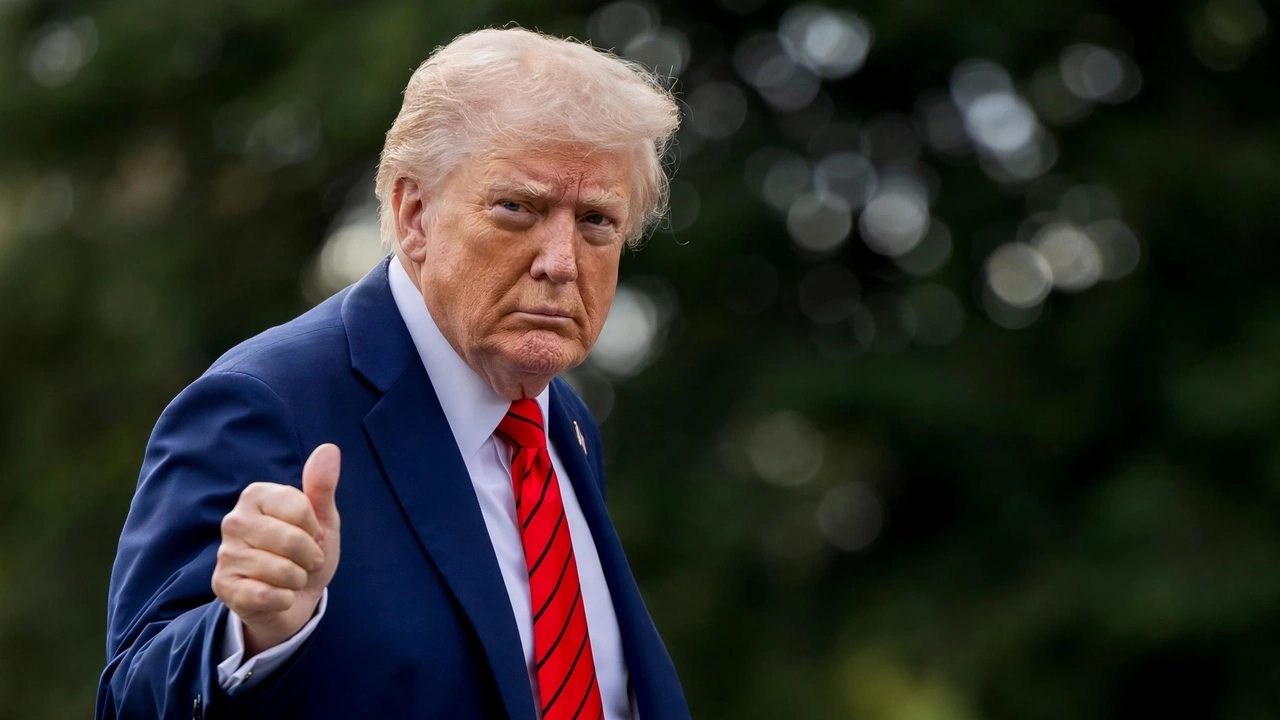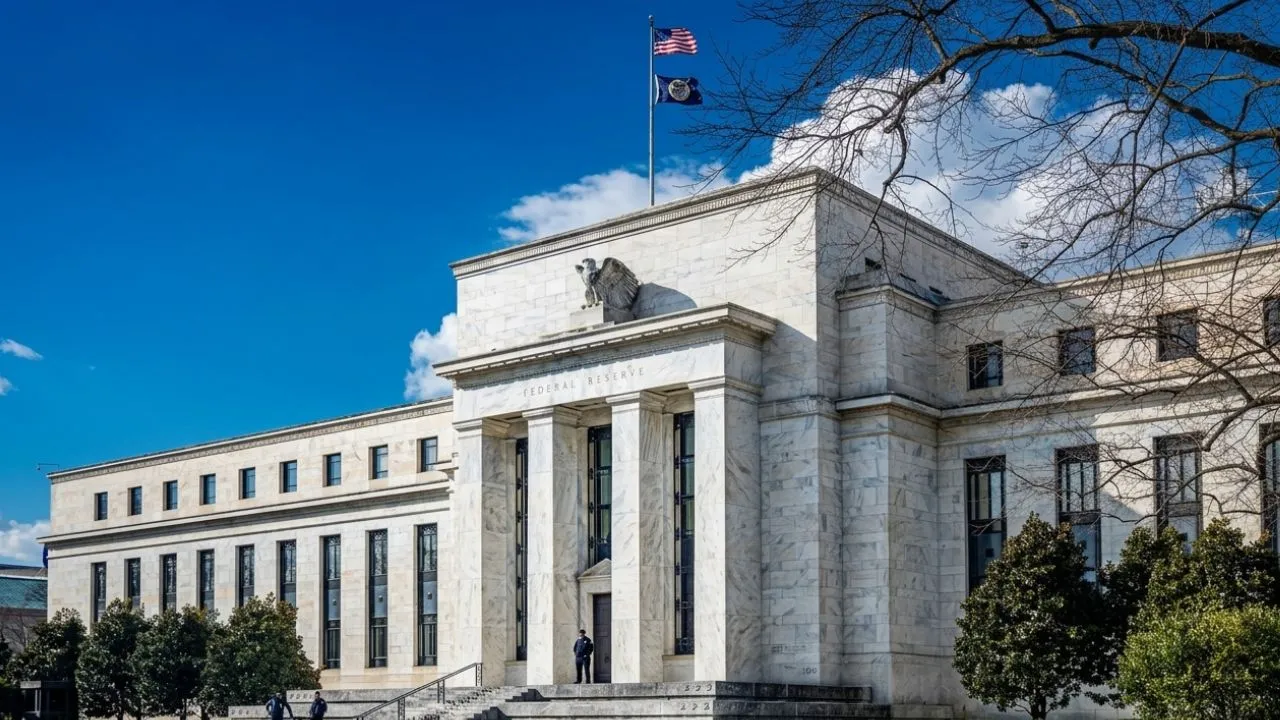

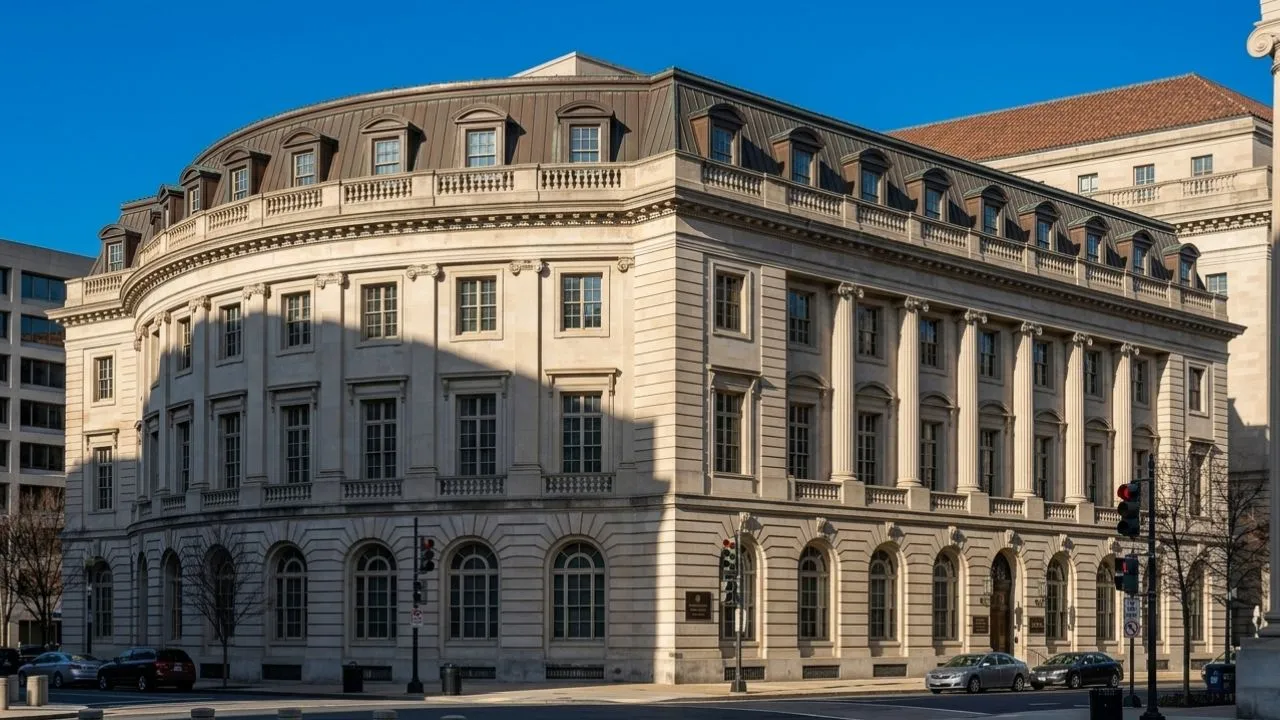
On May 19, 2026, the U.S. Department of Justice formally announced the Anti-Weaponization Fund, established through the settlement of Donald J. Trump v. Internal Revenue Service, drawn directly from the federal Judgment Fund. Source: justice.gov
What began as a tax records lawsuit has become the single most disruptive force in the current federal budget negotiation. On May 19, 2026, the U.S. Department of Justice announced a $1.776 billion settlement in the case of Donald J. Trump v. Internal Revenue Service, stemming from the unauthorized leak of tax records by an IRS contractor.
The settlement established the Anti-Weaponization Fund, funded entirely through the federal Judgment Fund, which is a permanent, open-ended congressional appropriation historically used to pay legally mandated claims against the United States government.
The fund is not simply a legal settlement. It creates a five-member commission authorized to identify and compensate third parties who claim to be victims of politically motivated government prosecution or what the order terms “lawfare.”
That structural design is where the constitutional argument breaks open. Congress never authorized this commission. The administration drew the full $1.776 billion from appropriated funds without a specific legislative vote to do so, and the Judgment Fund mechanism has never been used to create a standing claims commission of this design and scale.
As federal budget standoffs threaten broader entitlement programs including the Social Security trust fund timeline outlined in our benefit cut analysis, the immediate legislative casualty of this fund is the $70 billion Senate reconciliation package.
According to Congressional tracking data from the National Energy and Fuels Institute, deep divisions over the anti-weaponization fund completely broke down negotiations over Senate Bill S.2 as of June 2, 2026. That reconciliation package was the primary fiscal vehicle for the current session, and its collapse creates a direct path toward a government shutdown on September 30.
The federal payment system infrastructure that processes Social Security deposits, IRS refunds, veterans benefits, and federal payroll operates on the assumption that appropriated funds flow through a functioning annual budget. A shutdown interrupts that chain at multiple points simultaneously.
On May 20, 2026, Capitol Police officers filed a lawsuit seeking to block the anti-weaponization fund payouts entirely, arguing the commission structure is unconstitutional on separation of powers grounds.
The House Judiciary Committee Democratic analysis identifies ten distinct constitutional and statutory violations in the fund’s design, including the argument that the Judgment Fund cannot be used to create prospective claims infrastructure and that the settlement itself constitutes a fraud on the court because it resolves claims not before the court at the time of settlement.
The House Appropriations dimension adds a second political layer. A Levin Amendment to block elected officials from receiving fund distributions was rejected along party lines, meaning sitting members of Congress and their staffs remain eligible claimants under the current commission structure. That vote, and its implications for public perception of the fund’s purpose, is now a central argument in the shutdown negotiations.
The IRS is directly connected to the fund’s origin story, and the Trump IRS settlement analysis provides the full case history from the original tax records leak through the May 19 announcement. The broader federal civil service reclassification signed the day before this article publishes represents the second major federal institutional disruption of this week alone.
The September 30 shutdown deadline is 118 days from today. The fund litigation, the reconciliation collapse, and the Capitol Police lawsuit are all moving simultaneously through federal courts and congressional chambers at the same time.