


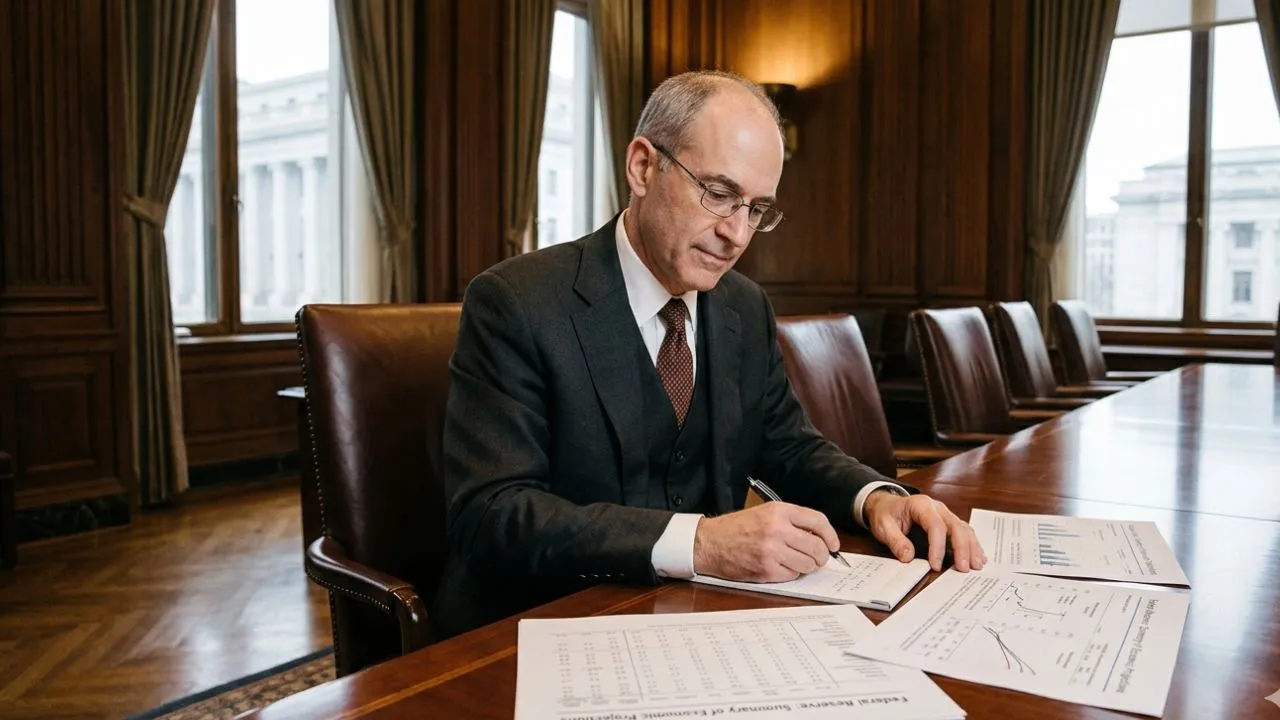
The FOMC is the committee inside the Federal Reserve that decides whether to raise, lower, or hold the interest rate that governs borrowing costs across the entire United States economy. It meets eight times per year. Its next meeting is June 16–17, 2026. Whatever it decides will directly affect the interest rate on your mortgage, credit card, auto loan, and savings account within days.
In eleven days, the most consequential financial committee in the world convenes inside the Marriner S. Eccles Building in Washington, D.C. The Federal Open Market Committee, the body that sets the federal funds rate and by extension every major borrowing cost in the American economy, will hold its June 16–17, 2026 session.
This FOMC rate decision carries unusual weight. It is the first mid-year meeting under new Federal Reserve Chair Kevin Warsh, and it will release an updated Summary of Economic Projections, the document markets and consumers alike watch to understand where rates are heading for the rest of 2026 and into 2027.
The federal funds rate currently sits at 3.50% to 3.75%, a level held steady since the measured downward adjustments of early 2026. That rate is not an abstraction. It is the overnight lending rate between commercial banks, and it functions as the foundation beneath every consumer financial product in the country.
The U.S. Prime Rate, which banks use to price credit cards, home equity lines, and small business loans, is calculated by adding 3.00 percentage points to the top of the federal funds target range. With the current target ceiling at 3.75%, the Prime Rate stands at 6.75%. Every time the FOMC moves its target rate, the Prime Rate moves the same day.
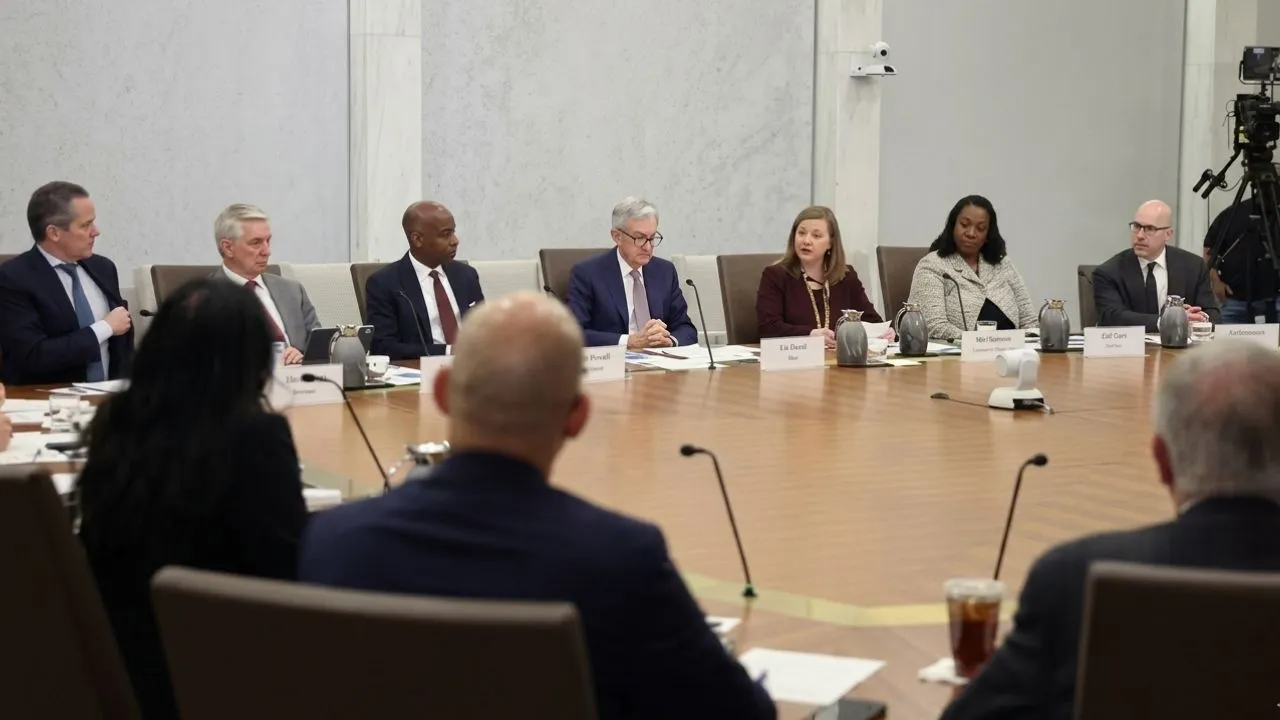
The committee that makes this decision consists of twelve voting members. Seven are members of the Board of Governors, appointed by the President and confirmed by the Senate. The president of the Federal Reserve Bank of New York holds a permanent voting seat.
The remaining four votes rotate annually among the eleven other regional Reserve Bank presidents. Chair Warsh presides over the deliberations. Vice Chair John C. Williams of New York anchors the institutional continuity.
The architecture of this body was designed to balance central authority with regional economic reality, and that tension shapes every vote. Understanding how the FOMC process works is essential context for anyone watching the June 16 decision.
How the Dot Plot Moves Markets
The Summary of Economic Projections, known in markets as the dot plot, is released at select FOMC meetings, including the June session. Each of the nineteen Federal Reserve officials, all twelve voting members plus the seven non-voting regional presidents, submits an anonymous projection for where they believe the federal funds rate should stand at year-end and in subsequent years.
The resulting scatter chart of anonymous dots reveals the committee’s collective directional signal without attributing individual views. At the March 2026 meeting, the median dot suggested two rate cuts before year-end. Since then, inflation data has complicated that projection.
The April Producer Price Index reading came in at a level that prompted renewed internal debate about whether cuts can proceed on that timeline. The June dot plot update will either confirm or revise that guidance, and the market response will be immediate.
Mortgage rate lock desks, CD pricing teams at major banks, and Treasury auction desks all reprice within hours of the 2:00 PM ET announcement. Readers tracking how Fed rate decisions affect deposits will find the June release particularly significant.
The committee does not vote on the dot plot. It votes on the rate itself, announced at exactly 2:00 PM Eastern Time on Wednesday, June 17, 2026. Chair Warsh holds his press conference at 2:30 PM ET.
The language he uses in that press conference, specifically whether he describes current policy as “restrictive,” “neutral,” or “accommodative,” carries as much market weight as the rate number itself. Traders parse the precise word choices in real time.
The Beige Book Behind the Decision
Before every FOMC meeting, the twelve regional Federal Reserve banks compile anecdotal economic intelligence from businesses, community leaders, and financial institutions in their districts. This compilation, the Beige Book, is published publicly approximately two weeks before each meeting.
The June 2026 Beige Book reported continued softness in manufacturing in the Midwest districts, persistent service-sector inflation in the Southeast, and labor market cooling in the Pacific Northwest. These regional signals feed directly into the deliberation.
The Beige Book is not a model. It is not a regression or a forecast. It is a qualitative snapshot of what businesses are actually experiencing at the ground level, and it carries significant weight precisely because it captures what aggregate statistics miss.
A widget manufacturer in Cleveland telling the Federal Reserve Bank of Cleveland that order volumes are down 18% in the past quarter is a data point that does not show up in the national GDP report for another six weeks.
The committee uses that signal now. Readers who track how the broader US money and payment infrastructure responds to Fed signals will recognize that the Beige Book is where those downstream effects begin. The final deliberation inside the June 16–17 session follows a structured sequence.
On the first day, staff economists present full briefings on domestic economic conditions, international financial developments, and financial stability risks. On the second day, each member presents their view, the committee discusses policy options, and the vote is taken. A dissent is recorded by name in the official minutes, which are released three weeks after each meeting.
The minutes from the April 28–29, 2026 meeting, already publicly available, show the committee was unanimous in its hold decision but divided on the timing of future cuts.
What June 16 Means for Your Money
The practical question most readers carry into a Fed meeting is simple. Will my mortgage rate, my credit card APR, or my savings yield move? The answer depends on both the decision itself and the forward guidance language that accompanies it.
If the FOMC holds rates at 3.50% to 3.75% on June 17, variable-rate credit card APRs remain anchored near 21% to 23% at most major issuers, the ceiling on most high-yield savings accounts stays near 4.5% to 5.0%, and 30-year fixed mortgage rates remain in the 6.8% to 7.2% range based on current Treasury spread dynamics.
If the dot plot shifts toward signaling a July or September cut, mortgage rates will begin to price that expectation in advance. Readers following how Warsh’s policy approach differs from his predecessor will find the June press conference language especially revealing.
A rate cut at this meeting is considered low probability by the CME FedWatch tool as of June 5, 2026, with futures markets pricing roughly 8% odds for a June reduction. The more significant data point is whether the number of officials projecting two cuts in 2026 holds steady, increases, or collapses in the new dot plot.
That shift, not the immediate rate decision, is what will move 10-year Treasury yields and with them, fixed mortgage pricing for the second half of the year. The full mechanics of how Treasury yields shape savings rates across the consumer economy are documented in detail at that link.
The June 16–17 FOMC meeting is not a routine policy update. It is the first major signal from the new Fed leadership about the pace and philosophy of rate normalization in the current economic cycle.
For anyone carrying variable-rate debt, holding a CD ladder, managing a mortgage decision, or simply watching a savings account, what happens inside that building on June 17 at 2:00 PM ET is directly relevant to their financial position.
Readers wanting a plain-English walkthrough of an actual Fed decision, including the vote breakdown, the chair’s public remarks, and the practical effect on loans and deposits, can turn to our rate decision explained resource, which applies the same committee mechanics described here to a real, fully-documented meeting outcome.
What You Should Do Now
- Note the exact announcement time. The FOMC rate decision releases Wednesday, June 17, 2026, at 2:00 PM ET. Chair Warsh’s press conference begins at 2:30 PM ET. Set a calendar alert if you are monitoring a CD renewal, mortgage lock, or variable-rate loan decision.
- Review your variable-rate exposure before June 17. If you carry a home equity line of credit, a variable-rate personal loan, or a high-balance credit card, understand that those rates reprice within one to two billing cycles of any FOMC rate decision. Know your current APR and your issuer’s repricing policy.
- Watch the dot plot, not just the rate. The Summary of Economic Projections released at this meeting will reveal the committee’s median expectation for year-end 2026 and 2027. That projection governs longer-term borrowing costs more directly than the immediate rate vote.
- Check the updated June meeting minutes when published. The Federal Reserve releases full meeting minutes three weeks after each session. The June 2026 minutes will document every dissent, every regional concern, and the precise language used to frame forward guidance. That document is available at federalreserve.gov.
- Read the July Social Security payment schedule now if you are a beneficiary. The FOMC rate decision affects the purchasing power of your fixed payment. The July Social Security payment schedule is already confirmed.











One thought on “What Is the Federal Open Market Committee (FOMC)? How Rate Decisions Are Made @import url("https://fonts.googleapis.com/css2?family=Poppins:wght@400;500;600&family=Source+Sans+3:wght@400;500;600;700&display=swap"); /* ========================================= NORMAL BYLINE ========================================= */ .izo-clean-byline { display: flex; align-items: center; justify-content: space-between; width: 100%; max-width: 620px; gap: 16px; margin-top: 4px; margin-bottom: 16px; font-family: "Poppins", Arial, sans-serif; } .izo-clean-byline-content { display: flex; flex-direction: column; justify-content: center; align-items: flex-start; min-width: 0; gap: 4px; line-height: 1.12; transform: translateY(-4px); font-family: "Poppins", Arial, sans-serif; } .izo-clean-author-wrap { position: relative; display: inline-block; width: fit-content; line-height: 1.12; margin: 0; padding: 0; outline: none; } .izo-by-label { font-family: "Poppins", Arial, sans-serif; font-size: 14px; font-weight: 400; color: #111; line-height: 1.12; margin-right: 3px; } .izo-clean-author-name { position: relative; display: inline-block; font-family: "Poppins", Arial, sans-serif; font-size: 14px; font-weight: 500; color: #111; cursor: pointer; line-height: 1.12; padding: 0; margin: 0; text-decoration-line: underline; text-decoration-color: #111; text-decoration-thickness: 1px; text-underline-offset: 1px; } .izo-clean-author-name::after { display: none; } .izo-clean-meta { font-family: "Poppins", Arial, sans-serif; font-size: 11px; font-weight: 400; color: #555; line-height: 1.12; margin: 0; padding: 0; } /* ========================================= RIGHT ACTIONS GOOGLE + SHARE ========================================= */ .izo-byline-actions { display: flex; align-items: center; justify-content: flex-end; gap: 7px; flex: 0 0 auto; position: relative; top: 6px; } /* ========================================= GOOGLE SOURCE BADGE ========================================= */ .izo-google-source-badge { display: inline-flex; align-items: center; justify-content: center; width: 34px; height: 34px; min-width: 34px; flex: 0 0 34px; padding: 6px; margin: 0; box-sizing: border-box; background: #ffffff !important; border: 1px solid rgba(85,85,85,0.30) !important; border-radius: 6px; box-shadow: none !important; text-decoration: none !important; overflow: hidden; transition: border-color 0.18s ease, background-color 0.18s ease; } .izo-google-source-badge img { display: block; width: 100%; height: 100%; max-width: 100%; object-fit: contain; object-position: center; margin: 0; padding: 0; border: 0 !important; border-radius: 0 !important; background: transparent !important; box-shadow: none !important; } .izo-google-source-badge:hover { background: #ffffff !important; border-color: rgba(85,85,85,0.45) !important; box-shadow: none !important; transform: none !important; } .izo-google-source-badge:focus { background: #ffffff !important; outline: 1px solid rgba(85,85,85,0.45); outline-offset: 2px; box-shadow: none !important; } /* ========================================= SHARE BUTTON ========================================= */ .izo-share-button { display: inline-flex; align-items: center; justify-content: center; width: 34px; height: 34px; min-width: 34px; flex: 0 0 34px; padding: 7px; margin: 0; box-sizing: border-box; background: #ffffff !important; border: 1px solid rgba(85,85,85,0.30) !important; border-radius: 6px; box-shadow: none !important; color: #333333 !important; cursor: pointer; text-decoration: none !important; overflow: hidden; appearance: none; -webkit-appearance: none; transition: border-color 0.18s ease, color 0.18s ease, background-color 0.18s ease; } .izo-share-button svg { display: block; width: 18px; height: 18px; fill: none; stroke: currentColor; stroke-width: 1.8; stroke-linecap: round; stroke-linejoin: round; margin: 0; padding: 0; } .izo-share-button:hover { background: #ffffff !important; border-color: rgba(85,85,85,0.45) !important; color: #111111 !important; box-shadow: none !important; transform: none !important; } .izo-share-button:focus { background: #ffffff !important; outline: 1px solid rgba(85,85,85,0.45); outline-offset: 2px; box-shadow: none !important; } /* ========================================= AUTHOR DETAILS CARD ========================================= */ .izo-clean-author-tooltip { position: absolute; top: calc(100% + 10px); left: 0; width: 440px; max-width: calc(100vw - 40px); background: #fff; color: #333; border: 1px solid #e5e5e5; border-radius: 8px; padding: 16px; font-family: "Source Sans 3", Arial, sans-serif; font-size: 13px; font-weight: 400 !important; line-height: 1.55; box-shadow: 0 8px 24px rgba(0,0,0,0.10); opacity: 0; visibility: hidden; transform: translateY(5px); transition: opacity 0.2s ease, transform 0.2s ease, visibility 0.2s ease; z-index: 9999; pointer-events: none; } /* ========================================= IMAGE + BIO ========================================= */ .izo-tooltip-main { display: flex; align-items: flex-start; gap: 14px; width: 100%; } .izo-tooltip-image { width: 96px; height: 96px; flex: 0 0 96px; object-fit: cover; object-position: center; display: block; border-radius: 6px; margin: 0; padding: 0; } .izo-tooltip-bio { flex: 1 1 auto; min-width: 0; font-family: "Source Sans 3", Arial, sans-serif; font-size: 13px; font-weight: 400; line-height: 1.55; color: #333; margin: 0; padding: 0; } /* Bio reference links: same color, font and decoration as bio text */ .izo-clean-author-tooltip .izo-tooltip-bio a, .izo-clean-author-tooltip .izo-tooltip-bio a:visited, .izo-clean-author-tooltip .izo-tooltip-bio a:hover, .izo-clean-author-tooltip .izo-tooltip-bio a:focus { color: inherit !important; font: inherit !important; text-decoration: none !important; border-bottom: 0 !important; box-shadow: none !important; } .izo-clean-author-tooltip strong { font-family: "Source Sans 3", Arial, sans-serif; font-weight: 400 !important; } /* ========================================= DESKTOP HOVER ========================================= */ .izo-clean-author-wrap:hover .izo-clean-author-tooltip { opacity: 1; visibility: visible; transform: translateY(0); pointer-events: auto; } /* ========================================= KEYBOARD / MOBILE TAP ========================================= */ .izo-clean-author-wrap:focus .izo-clean-author-tooltip, .izo-clean-author-wrap:focus-within .izo-clean-author-tooltip { opacity: 1; visibility: visible; transform: translateY(0); pointer-events: auto; } /* ========================================= POPUP FOOTER SOCIALS | READ PROFILE ========================================= */ .izo-tooltip-footer { display: flex; align-items: center; gap: 14px; margin-top: 16px; width: 100%; } .izo-tooltip-socials { display: flex; align-items: center; gap: 14px; margin: 0; padding: 0; } .izo-tooltip-socials a { display: inline-flex; align-items: center; justify-content: center; width: 24px; height: 24px; color: #222; text-decoration: none; border: none; transition: opacity 0.2s ease, transform 0.2s ease; } .izo-tooltip-socials a:hover { opacity: 0.72; transform: translateY(-1px); } .izo-tooltip-socials svg { width: 21px; height: 21px; fill: currentColor; display: block; } /* Grey separator */ .izo-tooltip-separator { display: inline-flex; align-items: center; justify-content: center; color: #b5b5b5; font-family: "Source Sans 3", Arial, sans-serif; font-size: 20px; font-weight: 400; line-height: 1; margin: 0 1px; } /* Read profile */ .izo-clean-author-tooltip .izo-profile-link { display: inline-block; font-family: "Source Sans 3", Arial, sans-serif; font-size: 13px; font-weight: 600; color: #1a73e8; text-decoration: none; border-bottom: 1px solid #1a73e8; line-height: 1.25; white-space: nowrap; } /* ========================================= MOBILE ========================================= */ @media (max-width: 650px) { .izo-clean-byline { display: flex; flex-direction: row; align-items: center; justify-content: space-between; width: 100%; max-width: 100%; gap: 7px; margin-top: 3px; margin-bottom: 14px; flex-wrap: nowrap; } .izo-clean-byline-content { display: flex; flex-direction: column; flex: 1 1 auto; min-width: 0; max-width: calc(100% - 68px); gap: 3px; line-height: 1.12; transform: translateY(-4px); } .izo-clean-author-wrap { line-height: 1.12; margin: 0; padding: 0; max-width: 100%; white-space: nowrap; } .izo-by-label { font-size: 12px; line-height: 1.12; margin-right: 3px; } .izo-clean-author-name { font-size: 12px; font-weight: 500; line-height: 1.12; padding: 0; margin: 0; text-underline-offset: 1px; white-space: nowrap; } .izo-clean-meta { font-size: 9.5px; line-height: 1.12; margin: 0; padding: 0; color: #555; white-space: nowrap; } /* ========================================= GOOGLE + SHARE MOBILE STAY ON SAME ROW ========================================= */ .izo-byline-actions { display: flex; flex-direction: row; align-items: center; justify-content: flex-end; gap: 5px; flex: 0 0 auto; white-space: nowrap; position: relative; top: 5px; } /* GOOGLE MOBILE */ .izo-google-source-badge { width: 28px; height: 28px; min-width: 28px; flex: 0 0 28px; padding: 5px; border-radius: 5px; background: #ffffff !important; border: 1px solid rgba(85,85,85,0.30) !important; box-shadow: none !important; margin: 0; } .izo-google-source-badge img { width: 100%; height: 100%; } /* SHARE MOBILE */ .izo-share-button { width: 28px; height: 28px; min-width: 28px; flex: 0 0 28px; padding: 6px; border-radius: 5px; background: #ffffff !important; border: 1px solid rgba(85,85,85,0.30) !important; box-shadow: none !important; margin: 0; } .izo-share-button svg { width: 15px; height: 15px; stroke-width: 1.8; } /* Keep the mobile author card above the featured image */ .izo-clean-byline, .izo-clean-byline-content, .izo-clean-author-wrap { position: relative; z-index: 10000; } .izo-clean-author-tooltip { z-index: 10001; } /* ========================================= MOBILE AUTHOR CARD ========================================= */ .izo-clean-author-tooltip { width: min(340px, calc(100vw - 32px)); max-width: calc(100vw - 32px); padding: 14px; left: 0; font-size: 12.5px; line-height: 1.5; } .izo-tooltip-main { gap: 11px; align-items: flex-start; } .izo-tooltip-image { width: 82px; height: 82px; flex: 0 0 82px; border-radius: 5px; } .izo-tooltip-bio { font-size: 12.5px; line-height: 1.5; } /* Mobile footer */ .izo-tooltip-footer { gap: 11px; margin-top: 14px; flex-wrap: nowrap; } .izo-tooltip-socials { gap: 12px; } .izo-tooltip-socials a { width: 22px; height: 22px; } .izo-tooltip-socials svg { width: 20px; height: 20px; } .izo-tooltip-separator { font-size: 18px; margin: 0; } .izo-clean-author-tooltip .izo-profile-link { font-size: 12.5px; line-height: 1.2; } }
ByAdarsha Dhakal

Adarsha Dhakal is a financial journalist and the Founder and Editor of Investozora, an independent U.S. financial news and economic research publication he established in August 2025. He covers the U.S. economy, Federal Reserve policy, Treasury operations, financial markets, banking, IRS taxation, and Social Security. His reporting emphasizes original government records, verified economic data, transparent calculations, and the distinction between facts and analysis. His financial and economic analysis has also appeared on Investing.com.
|
Read full profile →
Published Jun 5, 2026 · 9:07 AM ET · Updated 3 months ago

”