
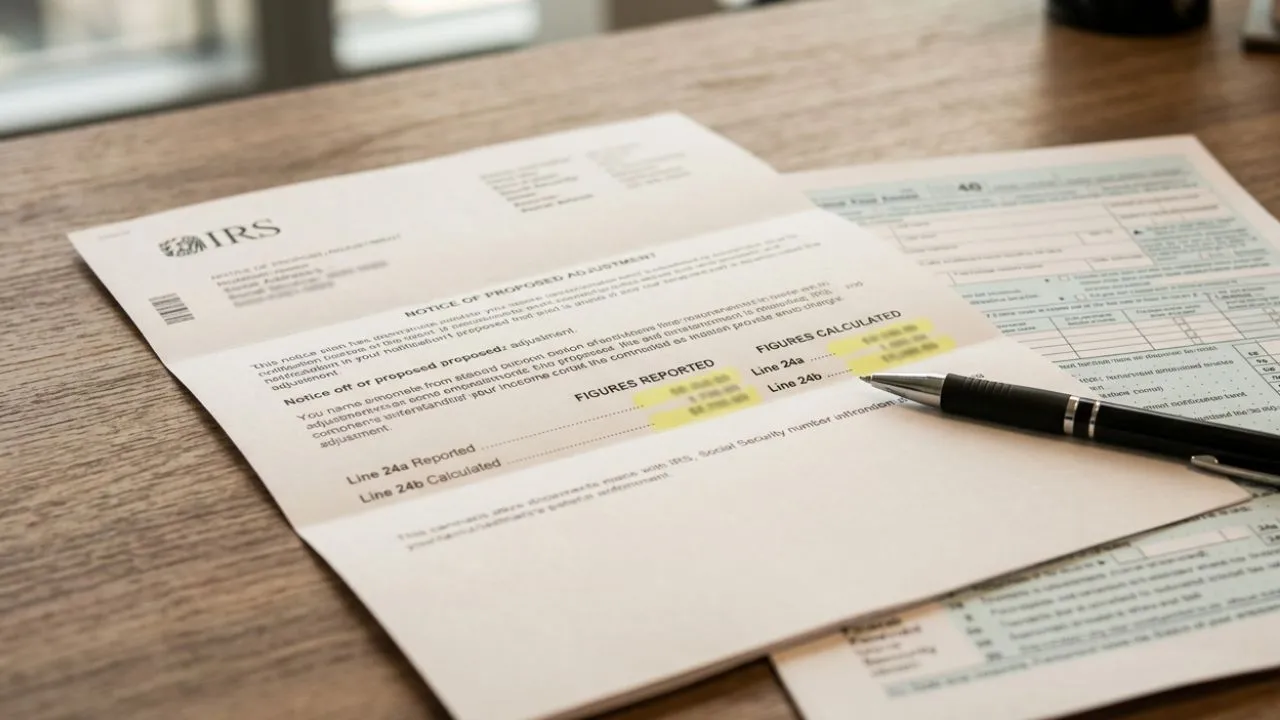
Updated: June 22, 2026 – A CP2000 notice from the IRS means a number on your tax return does not match what someone else reported about you. It is not a bill and it does not mean you are being audited. It is a proposed change you have 30 days to agree with or push back on, starting from the date printed on the notice.
Why This Notice Arrives
The IRS runs a system called the Automated Under reporter program that compares your tax return against records sent in by employers, banks, and other payers.
These records arrive on forms like W-2 and 1099, and they tell the IRS what others say they paid you. When your return does not match those numbers, the system flags it automatically, often before any human ever looks at your file.
This is purely a computer matching process. A CP2000 notice is a proposal, not a final tax bill, and the IRS makes that distinction clear right at the top of the letter. The notice can actually lower your tax bill in some cases, if the mismatch points to a credit or deduction you missed rather than income you forgot to report.
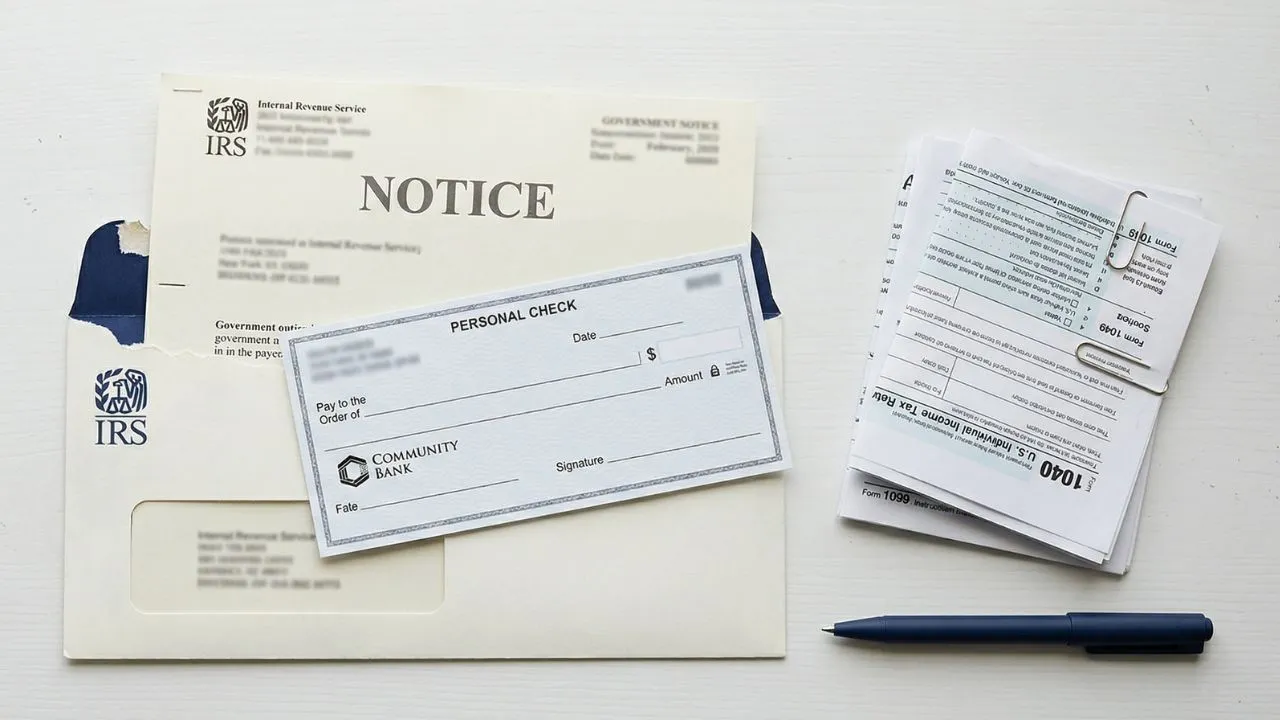
The first page of the notice lays the numbers side by side. It shows what you originally filed next to what the third party source reported, along with the payer’s name and the type of document involved. This layout exists specifically so you can spot the mismatch in seconds rather than digging through your own records first.
How the Matching System Works
Every CP2000 notice traces back to the same federal reporting structure. Employers, banks, brokers, and payment platforms are all required to send copies of income forms directly to the IRS, not just to you.
The Automated Underreporter system holds onto these records and runs a matching check against millions of filed returns each year. This same reporting backbone connects to other parts of the federal payment system that readers may already know.
The IRS uses similar automated checks before releasing a refund, much like the matching step inside the refund offset program, which screens payments for unpaid debt before they go out the door. Both systems rely on the same idea, a government computer comparing numbers before a dollar moves.
Once a mismatch is confirmed and a CP2000 is mailed, the clock starts. You have 30 days from the date on the notice, or 60 days if you live outside the United States, to send back the enclosed response form.
Steps To Resolve It
Resolving a CP2000 notice follows a clear sequence, and missing a step can cost you valuable time.
Cross Reference Payer Documents. In the first week, compare the income forms listed on the notice against your own copies of your W-2s and 1099s. Look closely at the payer name, the form type, and the dollar amount to find exactly where the numbers split apart.
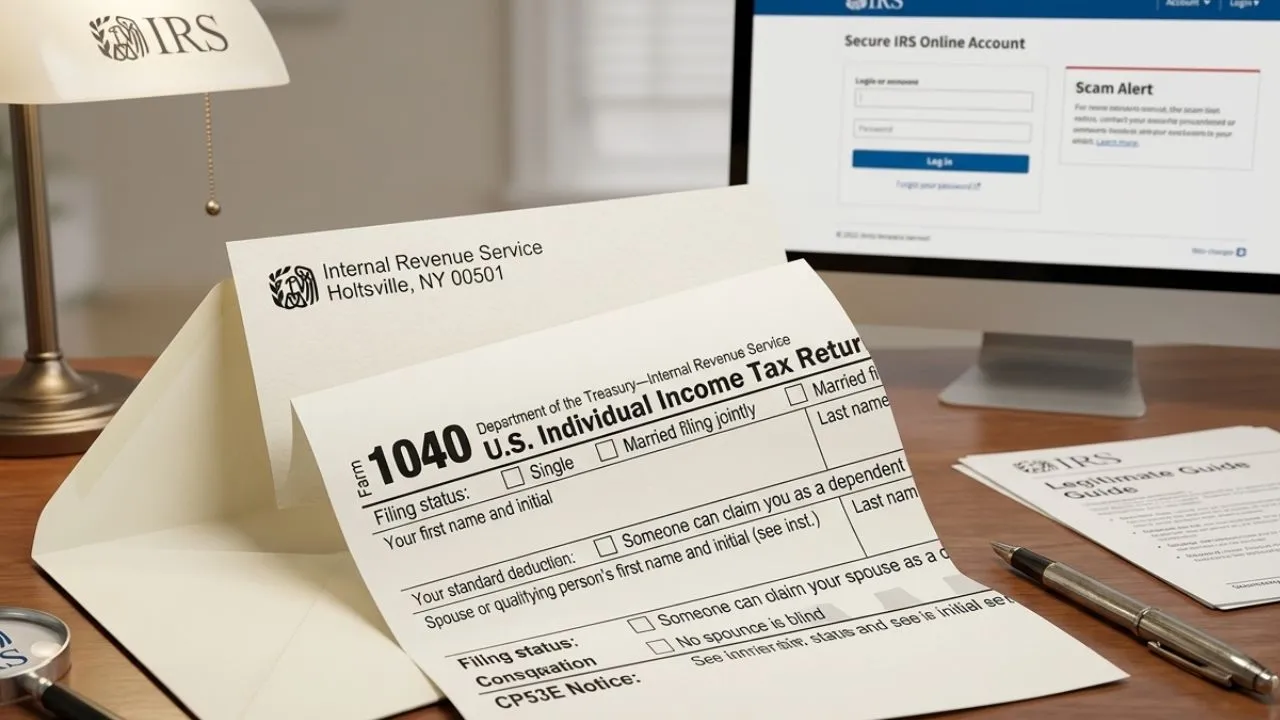
Complete the Response Form. In the following week, mark whether you agree or disagree with the IRS proposal on the enclosed form. If you agree, both spouses must sign for a joint return, and payment can be included or arranged separately. If you disagree, or if the mismatch hides a deduction you missed, prepare an amended return using Form 1040X and write CP2000 clearly across the top.
Submit Your Response. Before the 30 day window closes, send your signed documents through the official IRS Document Upload Tool, or by fax to the processing center listed on your specific notice. Keep a copy of everything you send, along with proof of the submission date.
Interest on any agreed balance starts from the original due date of your return, not from the date of the notice, so resolving the issue quickly limits how much builds up.
What Happens If You Wait
Ignoring a CP2000 notice does not make it go away. If you miss the 30 day deadline or never respond, the IRS moves to the next stage by issuing a CP3219A, known as a Statutory Notice of Deficiency. This formally locks in the proposed tax assessment as official.
That notice starts a separate 90 day clock, during which you have the legal right to challenge the assessment in U.S. Tax Court before it becomes final. Letting both deadlines pass effectively forfeits that right, which is the single biggest reason tax professionals urge people not to set a CP2000 notice aside.
Full guidance on the entire process, including every response option, sits inside the IRS page on Topic No. 652, with the matching series notice explained step by step in the agency’s CP2000 notice guide.
Common Follow Up Questions
Does a CP2000 mean I am being audited?
No. It is a computer generated proposal based on a document mismatch, separate from a formal audit, which involves a human examiner reviewing your full return.
Can a CP2000 increase my refund instead of my bill?
Yes. If the mismatch points to income you actually had withholding on, or a credit you left off your original return, the adjustment can work in your favor.
What if I already filed an amended return?
Mention that on your response form and include a copy of the amendment, so the examiner working your case can match it against the open notice.
Will this delay a future refund?
It can, particularly if the case remains open into the next filing season, since the IRS may hold a later refund until the earlier mismatch is settled.
If your case eventually does affect a refund amount, the rules for how that money finally reaches your bank follow the same federal pathway covered in the real time settlement network used across every type of federal payment.
What You Should Do Now
- Read the entire notice the day it arrives, including every page, since the second page often contains your specific response options and instructions.
- Compare each flagged item against your own tax records before deciding whether you agree with the proposed changes.
- Respond before the stated deadline even if you are still gathering documents. A timely partial response is generally better than a complete response submitted after the deadline.
- Use the secure IRS Document Upload Tool whenever available instead of mailing original documents, since it provides a confirmation record of your submission.
- Call the phone number listed directly on your notice if any part of the correspondence is unclear, since CP2000 notices can vary by IRS processing center.