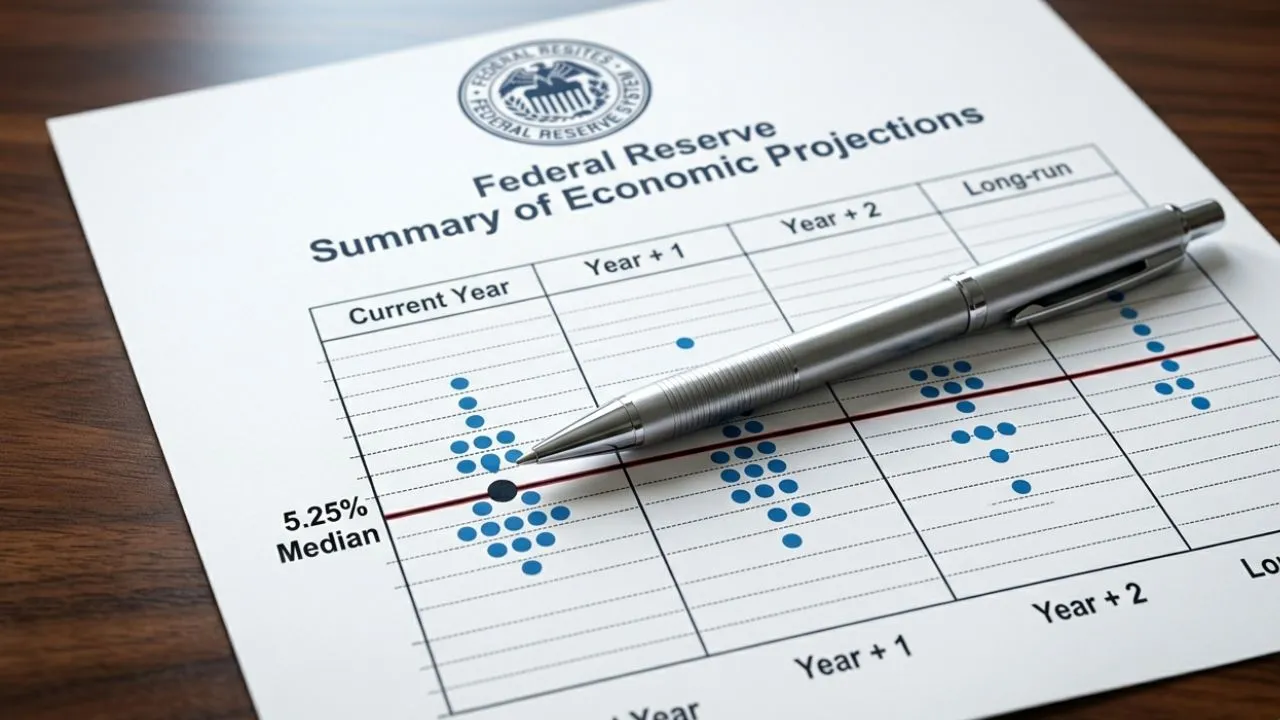


Updated: June 25, 2026 – When the Federal Reserve raises interest rates, your credit card’s annual percentage rate increases automatically. This is not a coincidence and it is not a separate decision made by your credit card company.
Your credit card’s variable APR is contractually tied to the Prime Rate, which moves in lockstep with the federal funds rate set by the Federal Reserve. Every time the Fed raises rates by 0.25 percentage points, the Prime Rate rises by the same amount, and your credit card rate follows within one or two billing cycles.
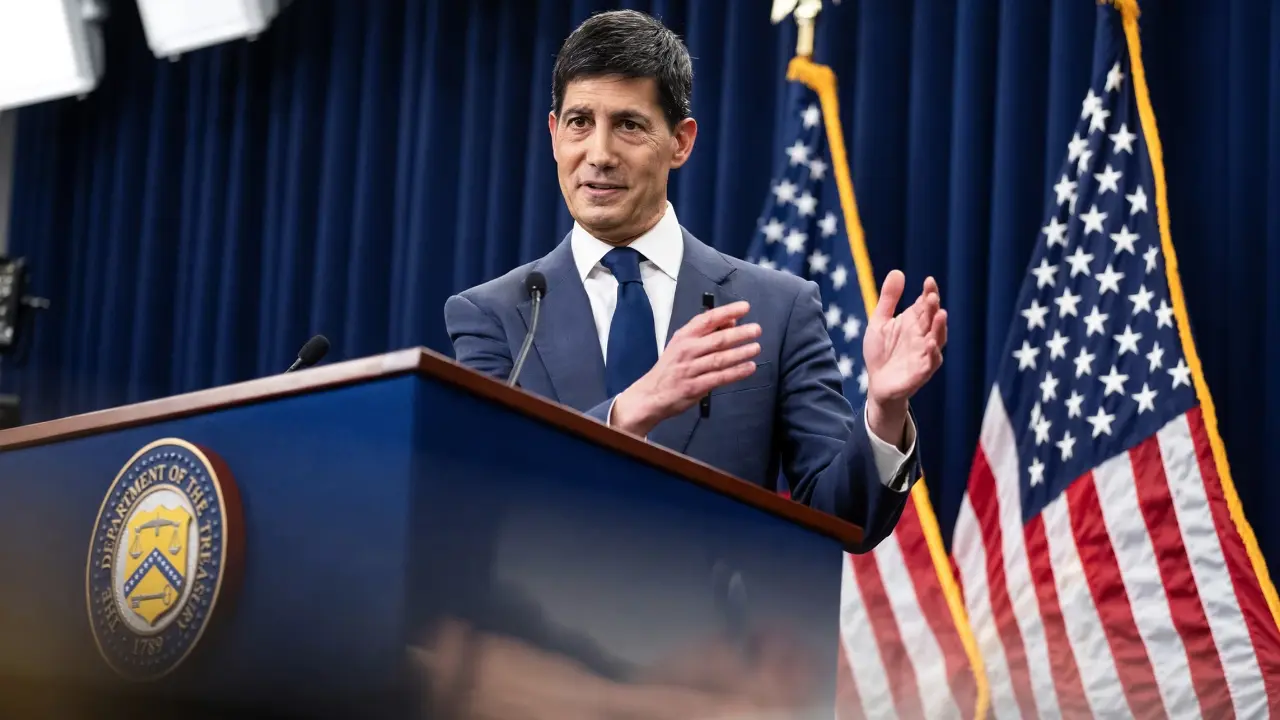
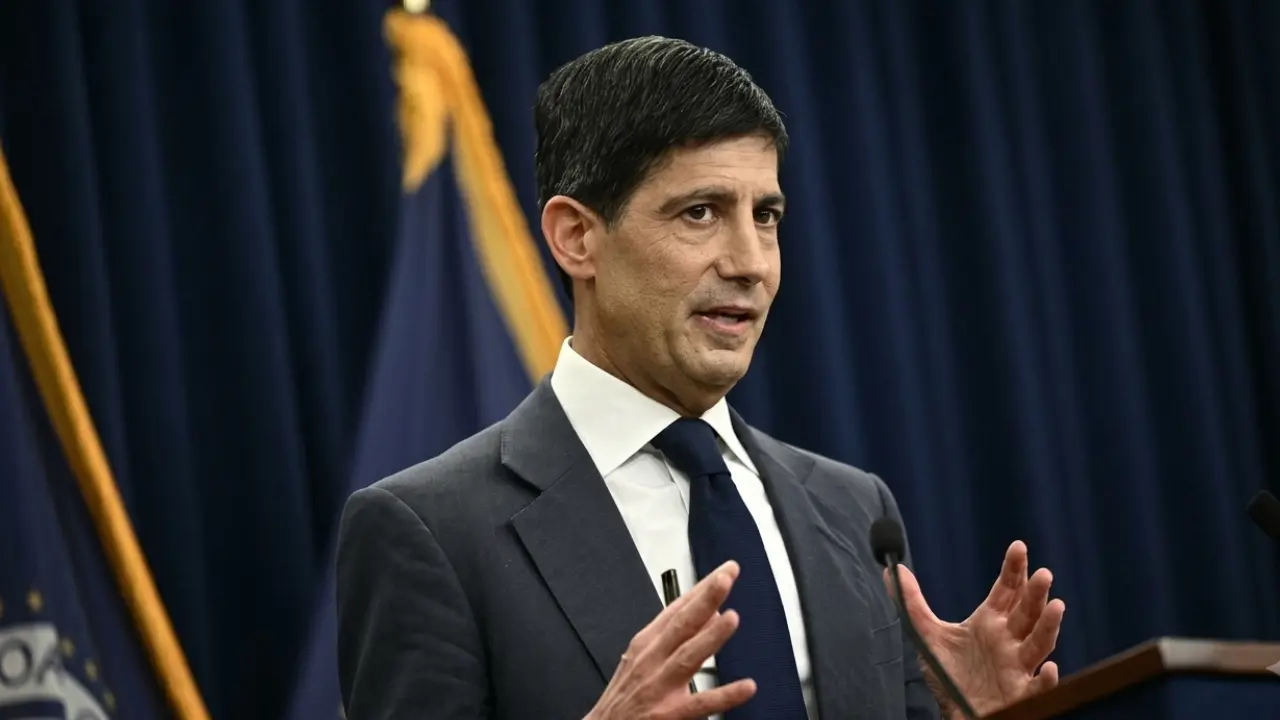
In 2026, with the Federal Reserve under Chair Kevin Warsh maintaining a restrictive policy stance following the June rate decision, average credit card APRs have reached historically elevated levels.
Understanding the exact transmission mechanism from Fed decision to credit card statement is essential for anyone carrying a variable-rate balance, which means the majority of American cardholders.
The Prime Rate Transmission Mechanism
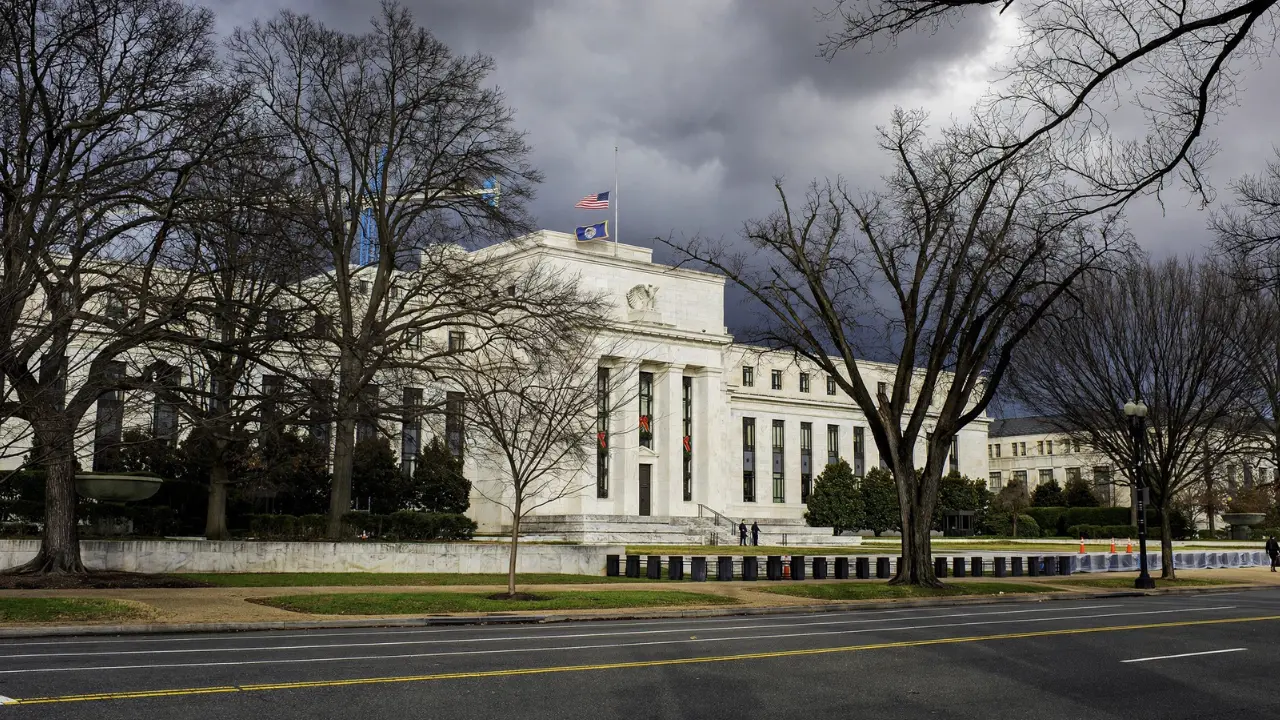
The federal funds rate is the overnight lending rate that banks charge each other for reserve balances held at the Federal Reserve. The Federal Open Market Committee sets this rate at its scheduled meetings throughout the year.
The Prime Rate, as published by major commercial banks, is universally set at the federal funds rate plus 3 percentage points. When the FOMC raises the federal funds rate from 5.25% to 5.50%, the Prime Rate automatically moves from 8.25% to 8.50%. This relationship has held consistently for decades.
Your credit card agreement specifies a variable APR that is calculated as the Prime Rate plus a fixed margin unique to your card and credit profile. A cardholder with a credit card carrying a Prime Rate plus 13.5% margin will see their APR move from 21.75% to 22.00% immediately after a 0.25 percentage point Fed rate increase. Cardholders with lower credit scores carry higher margins above Prime, meaning rate hikes affect them in absolute dollar terms more severely than cardholders with premium credit profiles.
The full sequence runs as follows. The FOMC announces its rate decision at 2:00 PM Eastern on the final day of its scheduled meeting. Major commercial banks announce their updated Prime Rate the same afternoon or the following business day.
Credit card issuers update cardholder APRs in their systems within the next one to two billing cycles, as required by the Truth in Lending Act’s change-in-terms notification rules. The FOMC June rate decision and its savings impact documents the June 2026 decision mechanics and the downstream consumer rate consequences.
How Credit Card Interest Accrues Daily
Credit card issuers do not charge interest monthly. They charge interest daily using a Daily Periodic Rate derived from the annual APR. To calculate the Daily Periodic Rate, the issuer divides the APR by 365. At a 21.5% APR, the Daily Periodic Rate is approximately 0.0589% per day. That daily rate applies to the average daily balance across each billing cycle.
A cardholder carrying a $5,000 average daily balance at a 21.5% APR accrues approximately $2.95 in interest charges per day. Over a 30-day billing cycle, that produces approximately $88.50 in interest.
A 1 percentage point Fed rate increase raises the APR from 21.5% to 22.5%, which increases the daily charge to approximately $3.08 per day and raises the monthly interest on the same $5,000 balance to approximately $92.40. This $3.90 monthly difference compounds forward on the enlarged balance if the cardholder makes only minimum payments.
The Federal Reserve’s rate policy affects not just the current balance but the trajectory of debt for households managing credit across multiple cards. The broader mechanics of how the Fed controls interest rates explains the full institutional transmission pathway from the federal funds target to consumer lending rates, including credit cards, home equity lines of credit, and auto loans.
The 2026 Rate Environment for Cardholders
The average credit card APR as of June 2026 sits near 21.5%, according to Federal Reserve consumer credit data. This reflects the cumulative effect of the rate-hiking cycle that began in 2022 and continued through multiple subsequent policy adjustments.
The June 2026 FOMC meeting under Chair Kevin Warsh held the federal funds rate at the current target range, citing ongoing inflation pressures from fiscal expansion and persistent services inflation. Warsh’s approach to Federal Reserve policy and interest rates represents a materially different communication framework than the Powell era, with implications for how quickly credit card rates may adjust if the FOMC shifts to easing.
Rate cuts, when they arrive, do not immediately reduce credit card APRs. The same contractual mechanism that transmits rate hikes within one to two billing cycles transmits cuts on the same timeline.
A cardholder who carries a balance throughout a rate-hiking cycle and into a subsequent cutting cycle pays elevated rates during the entire hike period and receives gradual relief only as cuts are implemented and transmitted through Prime Rate adjustments. This asymmetry favors aggressive debt reduction during periods of rate stability or anticipated cuts.
The Consumer Financial Protection Bureau has also engaged in ongoing rulemaking around credit card late fees and interest rate transparency that overlaps with the 2026 rate environment.
The CFPB’s 2024 rule limiting late fees to $8 for covered issuers remains under legal challenge as of mid-2026, but the underlying debate around credit card cost transparency continues to shape how issuers communicate rate changes to cardholders. The broader fiscal policy landscape, including the OBBBA tax cuts and Federal Reserve policy interaction, affects the macroeconomic backdrop that determines how long elevated credit card rates persist.
Can I negotiate my credit card APR directly with my issuer?
Yes. Credit card issuers retain discretion over the margin component of your variable APR above Prime, even though the Prime Rate itself is non-negotiable. Cardholders with long account histories, consistent on-time payments, and improved credit scores can request APR reductions by calling their issuer’s customer service line. Issuers grant these requests more frequently than cardholders expect, particularly for accounts in good standing with high credit utilization. A successful negotiation that reduces your margin from Prime plus 14% to Prime plus 12% saves the same absolute amount regardless of where the Prime Rate sits.
Will my credit card rate drop if the Fed cuts rates?
Yes, automatically. A Fed rate cut of 0.25 percentage points reduces the Prime Rate by the same amount, which reduces your variable credit card APR by 0.25 percentage points within one to two billing cycles. The Federal Reserve’s rate decisions and their savings impact tracks how cuts transmit through both deposit rates and borrowing costs, including credit cards. The net effect for cardholders is faster monthly interest reduction once cuts are implemented.
Does the Fed rate affect my fixed-rate credit card?
Fixed-rate credit cards are less common than variable-rate cards, but they do exist. A fixed APR on a credit card is not contractually tied to the Prime Rate. However, issuers can change a fixed APR with 45 days’ advance written notice under the Truth in Lending Act. In a sustained rising rate environment, most issuers eventually adjust even nominally fixed rates upward through the change-in-terms notice process. Truly fixed APRs are more common on personal loans and fixed-rate mortgages than on revolving credit.
How does this affect my minimum payment calculation?
Minimum payments on most credit cards are calculated as a percentage of the outstanding balance, typically 1% to 2% of the balance plus current interest charges, or a flat dollar minimum, whichever is greater. A higher APR driven by Fed rate increases raises the interest component of each month’s minimum payment, meaning a larger share of each payment goes to interest and less reduces the principal. This extends repayment timelines materially for cardholders making only minimum payments on large balances.
Technical Edge Cases and Escalation Pathway
Promotional APR periods, balance transfers at 0% introductory rates, and deferred interest retail cards operate outside the standard Prime Rate plus margin mechanism during the promotional window.
Once a promotional period expires, the remaining balance reverts to the card’s standard variable APR, which has been tracking Prime Rate changes throughout the promotional period even while not being charged. Cardholders who carry deferred interest promotional balances into 2026 at elevated Prime Rates face larger-than-anticipated standard APR exposure at conversion.
Cardholders who believe their APR increase was applied improperly or without required notice should first contact their issuer’s customer service department. Written disputes regarding Regulation Z Truth in Lending Act violations can be submitted to the Consumer Financial Protection Bureau’s complaint portal at consumerfinance.gov.
The Federal Reserve’s consumer compliance examination process also covers credit card APR disclosure requirements and is available for formal complaints at Federal Reserve consumer help.
Cardholders experiencing financial hardship should ask their issuer about hardship programs. Major issuers maintain undisclosed hardship programs that temporarily reduce APRs, waive fees, or restructure minimum payment amounts for cardholders experiencing documented financial distress. These programs do not appear in standard card agreements but are available by request through customer service.
What You Should Do Now
- Review your current credit card agreement or online account to identify your specific variable APR margin above the Prime Rate, which determines exactly how much each Federal Reserve rate move affects your individual interest rate.
- Calculate your current average daily balance across all variable-rate credit cards to estimate your total monthly interest exposure in the current elevated-rate environment.
- Call your credit card issuer and request an APR reduction, particularly if your account has remained in good standing for 12 or more consecutive months with on-time payments.
- Prioritize paying down the highest-APR balance first rather than distributing payments equally across multiple cards, as this strategy minimizes total interest paid while rates remain elevated.
- Monitor upcoming Federal Reserve decisions using the FOMC meeting schedule to anticipate when the next rate decision may affect your credit card billing cycle.