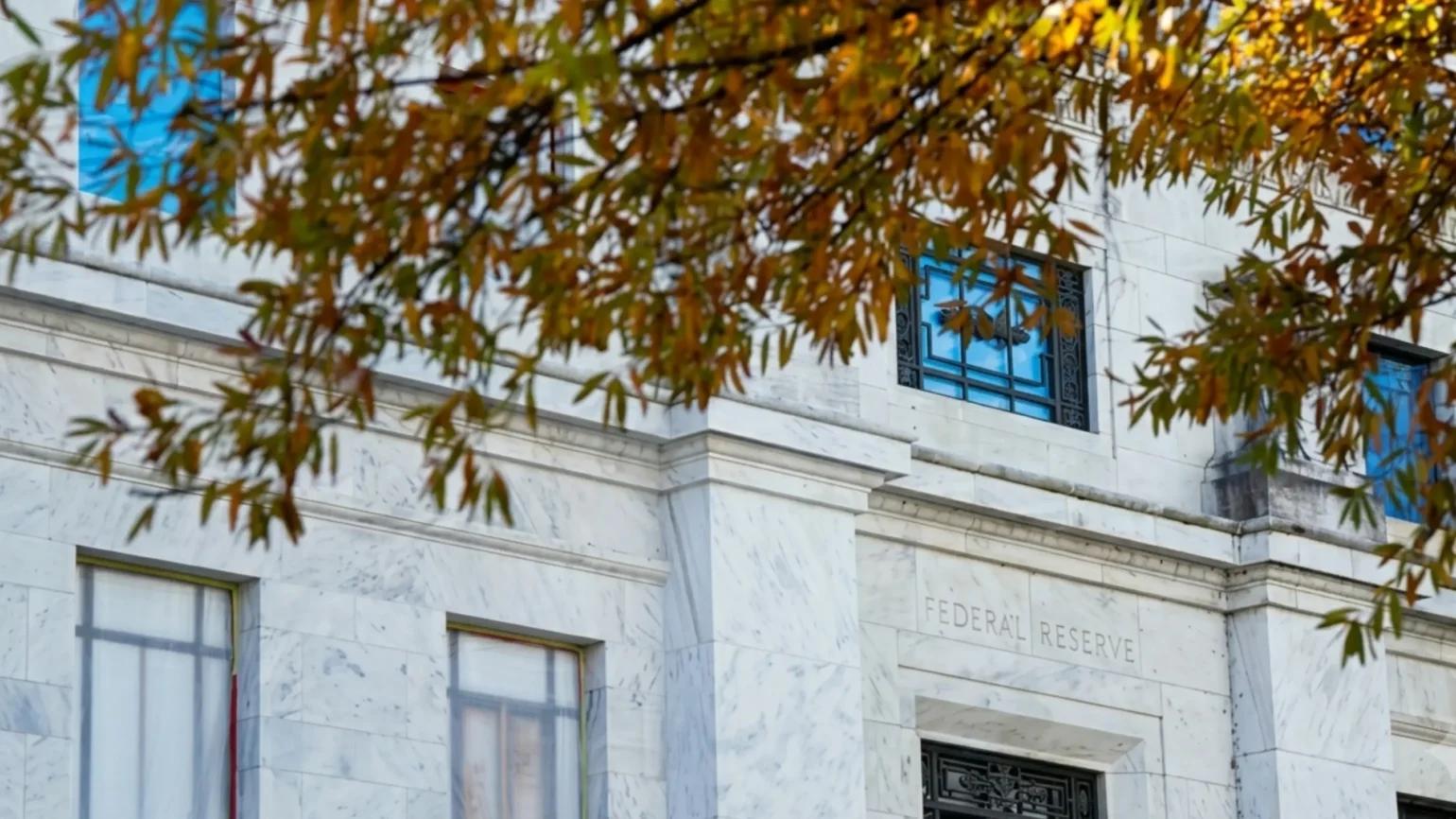
Bond markets are currently pricing something unusual for 2026: a real possibility that the Fed’s next move is a hike rather than a cut. Futures this week showed roughly even odds of a rate hike in September, down from about two-thirds before the latest jobs report but far higher than the near-zero odds markets assigned earlier this year.
No rate has actually moved, this is a shift in what traders expect the Fed to do next. The story behind the number is a tug-of-war between two releases. June nonfarm payrolls came in at a seasonally adjusted 57,000, well below May’s 115,000 and weaker than consensus, a soft number that alone would argue against a hike.
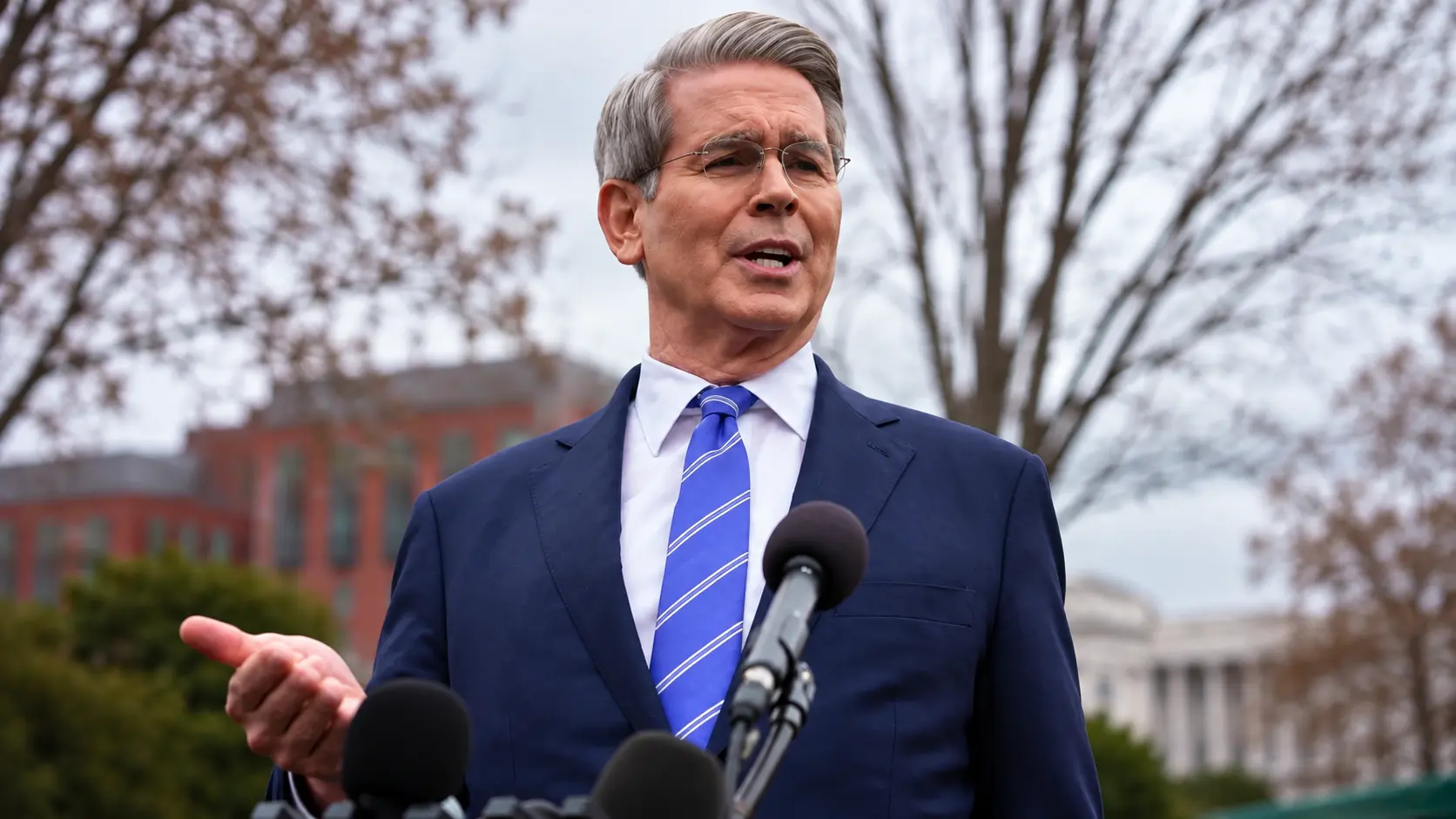
On the other side, Fed Chair Warsh has been unambiguous about the inflation side of the mandate, telling an audience in Sintra, Portugal that “prices are too high” and that anyone expecting the central bank to tolerate above-target inflation “would be disappointed.” That combination is what’s keeping hike odds elevated even as growth data softens.
Treasury yields have been the clearest real-time gauge of this back-and-forth. Earlier this month, the 10-year yield rose to around 4.50%, its highest in two weeks, as renewed oil prices tied to Middle East tensions fed inflation concerns, before pulling back to trade near 4.48%.
That’s meaningfully calmer than May, when 30-year yields briefly touched 5.197%, their highest since July 2007, after a string of inflation reports spooked fixed-income investors. Yields have come down from that peak but remain elevated by recent standards, moving on real data rather than any confirmed Fed decision.
All of this sits ahead of two concrete events. The FOMC’s June meeting minutes are due for release this week, offering more detail on how divided the committee was behind its hawkish June tone.
Beyond that, the next FOMC meeting runs July 28 to 29, where policymakers are broadly expected to hold rates while preserving room to tighten if inflation proves persistent, meaning September, not July, is the meeting markets currently treat as the more likely point for an actual hike, a dynamic closely tied to the broader bond market shifts of recent months.
If you hold savings, CDs, or money market funds, elevated hike odds are generally a reason to check whether your current yield is still competitive, since banks often adjust deposit rates ahead of any confirmed Fed move.
If you carry variable-rate debt, this is a reasonable moment to weigh a fixed-rate alternative before borrowing costs potentially rise further. None of this is a forecast Investozora is making independently, it’s a description of what Treasury markets and futures pricing currently reflect, and both can shift quickly as new data arrives.
Methodology: This article combines Treasury yield data, futures-implied rate probabilities, the Federal Reserve’s June FOMC statement, and on-the-record remarks from Fed Chair Warsh. Figures were independently reviewed as of the publication date.