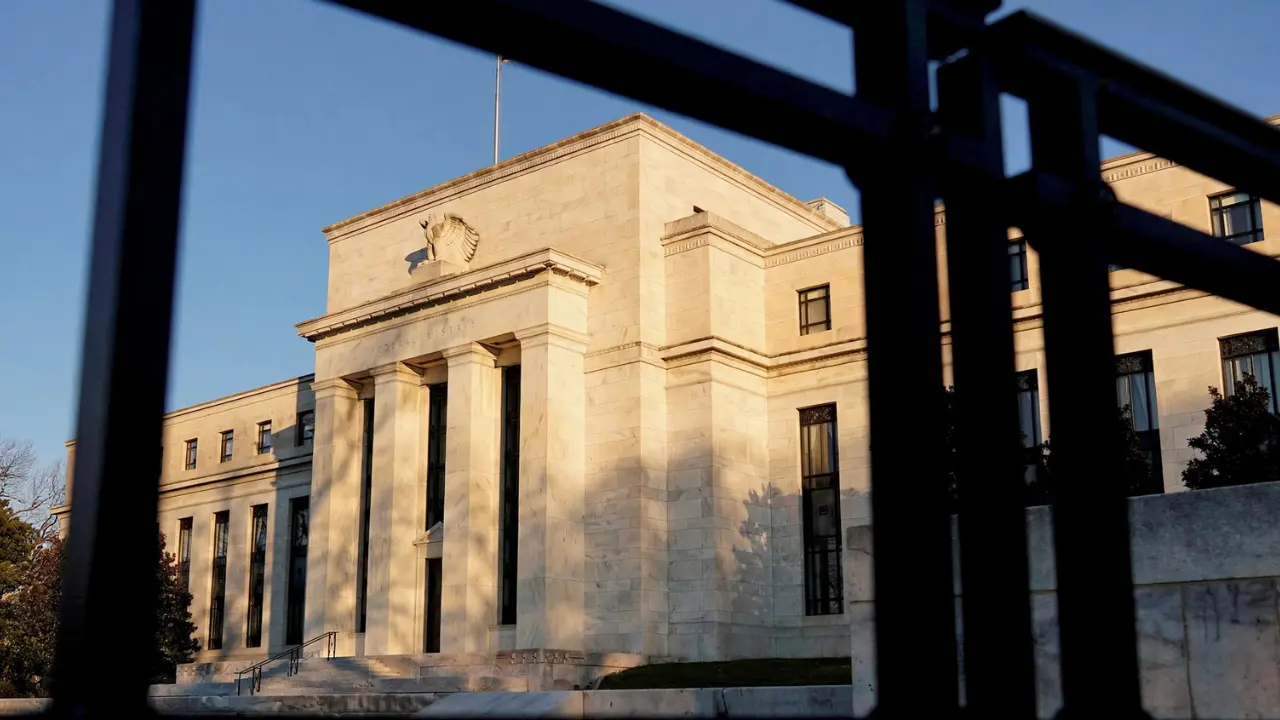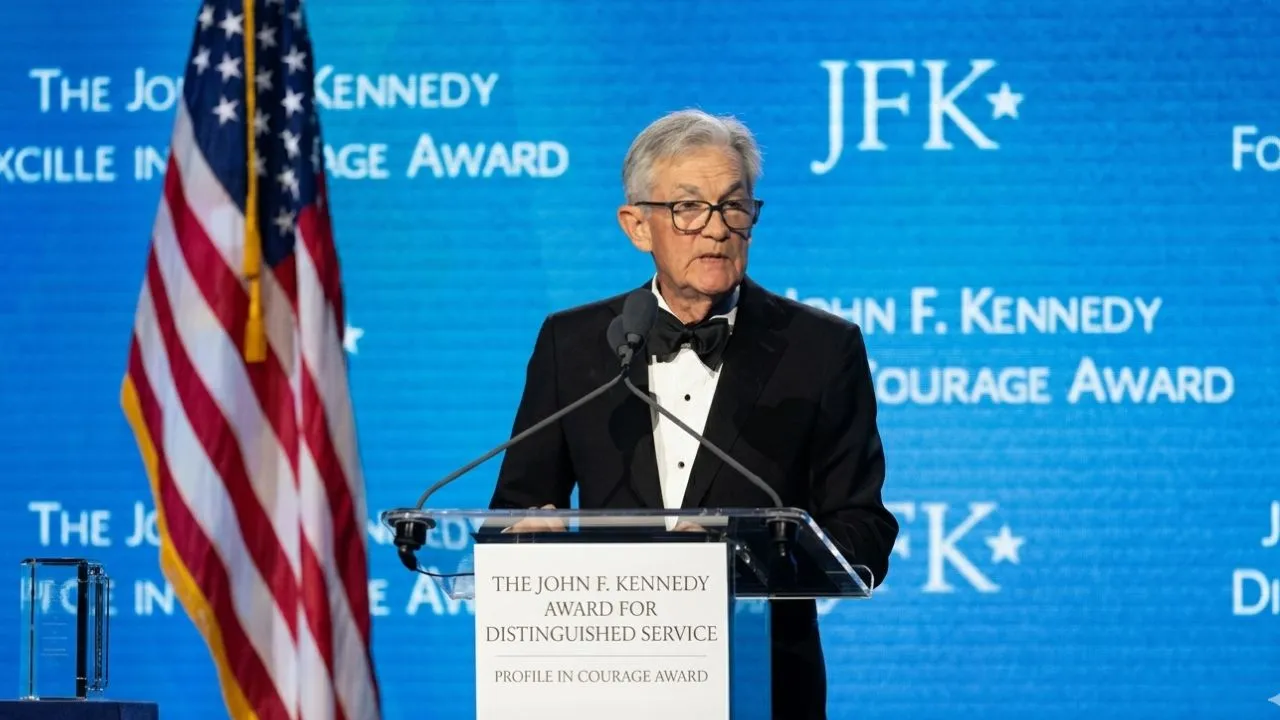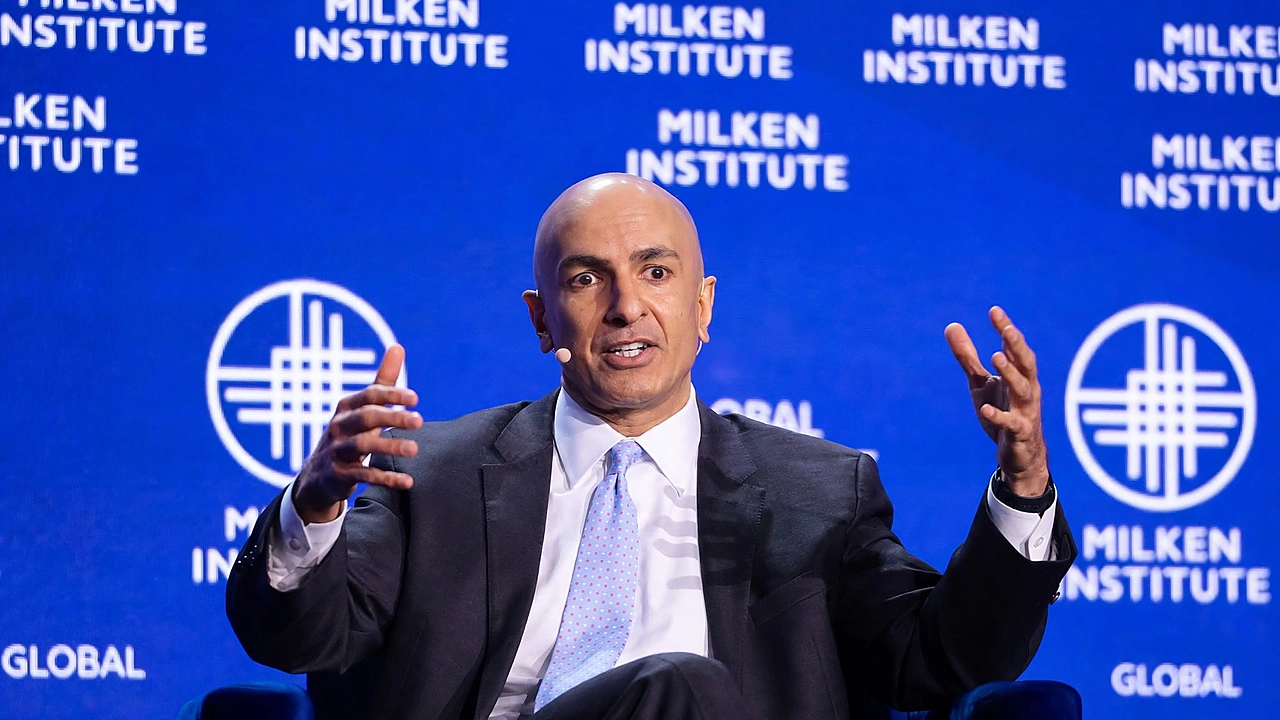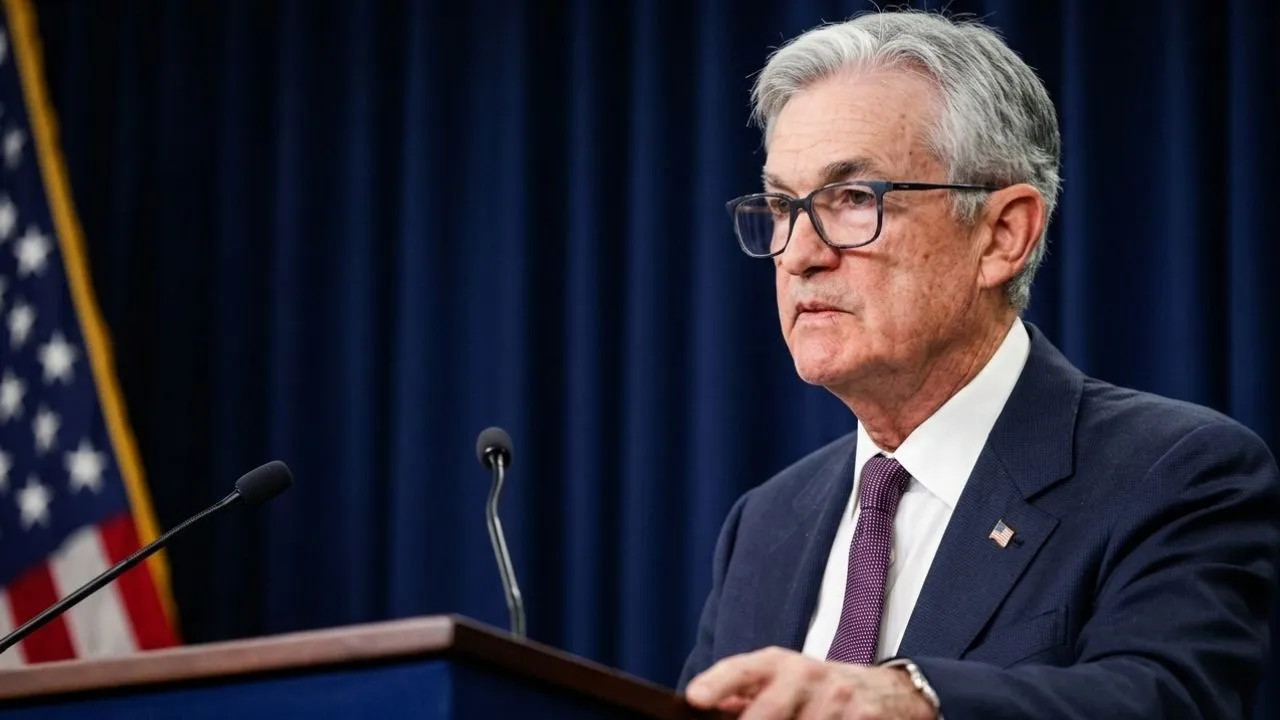

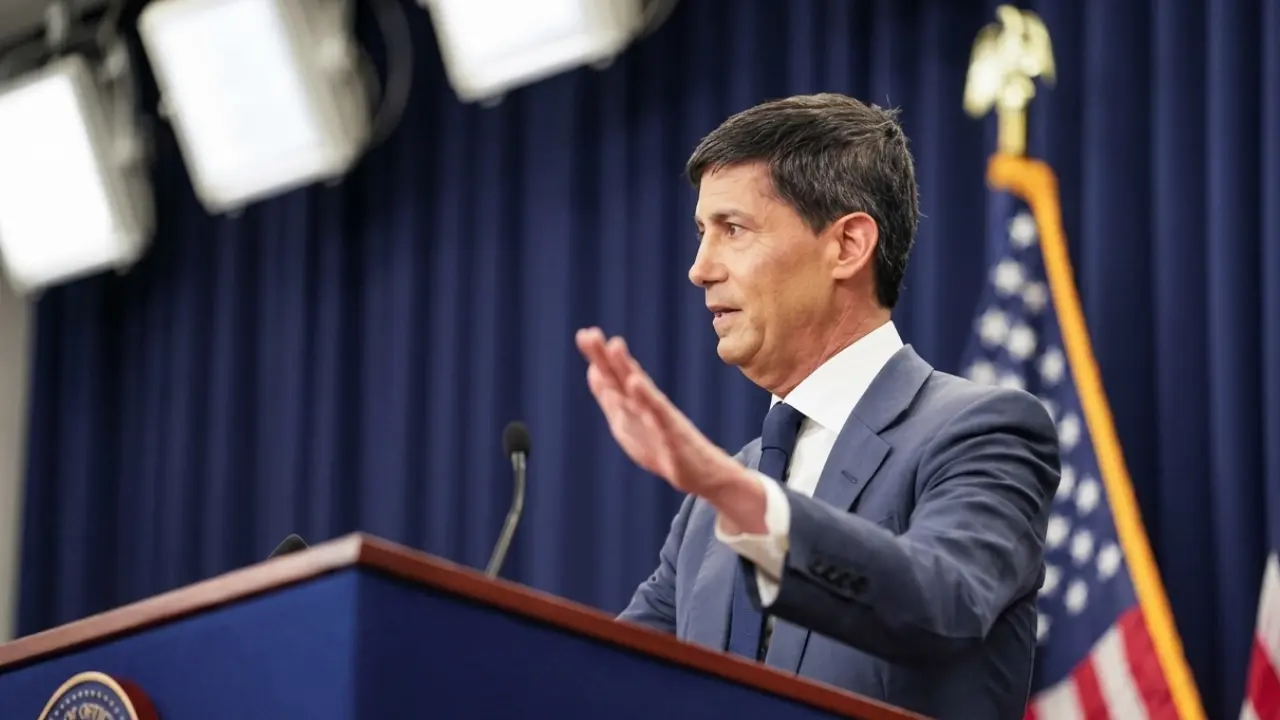
Federal Reserve Chairman Kevin Warsh told the House Financial Services Committee on July 14, 2026, that he would “continue to do my job” if President Trump challenged him personally, citing a recent Supreme Court ruling reaffirming the Fed’s independence. He testifies before the Senate Banking Committee today, according to the Federal Reserve Board’s testimony transcript.
Federal Reserve Chairman Kevin Warsh delivered his first semiannual Monetary Policy Report testimony to Congress on July 14, 2026, and the most closely watched moment had nothing to do with interest rates directly.
Asked how he would respond if President Trump targeted him personally the way his predecessor was targeted, Warsh told the House Financial Services Committee, “I would continue to do my job.”
It was, by most accounts of the hearing, his most direct comment to date on how he intends to handle the kind of pressure his predecessor faced through much of his own tenure.
The exchange itself
The question arose in the context of Trump’s earlier attempt to fire Fed Governor Lisa Cook, an episode that remains part of the backdrop to how lawmakers, particularly Democrats on the committee, have questioned Warsh’s independence since his confirmation.
Warsh pointed to the fact that the U.S. Supreme Court had recently reaffirmed the Federal Reserve’s independence in setting monetary policy, and he framed that ruling as institutional protection that extends beyond any individual chair.
“Outside the four walls of the Federal Reserve there’s no doubt a lot of politics,” Warsh told the committee. “My goal inside the central bank is for there to be no politics. To the extent there’s politics there, we’re going to get rid of it.”
In a separate exchange with Rep. Nydia Velázquez of New York, who asked directly whether he works for President Trump, Warsh responded that the Federal Reserve is “an independent central bank” and said, “We’re honored to be independent.”
Those comments echo language used repeatedly by former Fed Chair Jerome Powell during his own tenure, when he faced sustained public criticism from Trump over interest rate policy and, near the end of his term, a criminal investigation that was later abandoned. This site’s earlier coverage of the Supreme Court ruling walks through the legal basis Warsh is now leaning on in these exchanges.
Why this testimony carries extra weight
Warsh’s position is genuinely different from Powell’s in one important respect: Trump nominated him. At Warsh’s swearing-in ceremony in late May 2026, the president reportedly told him to “be totally independent. Don’t look at me.”
Whether that instruction holds up under future policy disagreements is precisely the question several Democratic committee members pressed him on during Tuesday’s hearing, warning him not to rely solely on the Supreme Court ruling as a shield if the political pressure escalates.
Former Cleveland Fed President Loretta Mester, commenting on the hearing, noted that “the president says he wants Kevin to do what he thinks is best,” while adding, “I don’t know if you can say how long that will last.”
The testimony also arrived on a day when fresh inflation data gave both sides of the independence question something to point to. The Bureau of Labor Statistics reported that consumer prices rose 3.5 percent year-over-year in June, a slowdown from May’s reading but still well above the Fed’s 2 percent target.
Warsh told the committee that “the members of our Committee have no tolerance for persistently elevated inflation,” and separately said he would not “cherry-pick” the improved June number as proof of durable progress.
That combination, a chair signaling continued hawkish resolve while facing direct questions about political independence, is part of why the “do my job” comment registered as more than a throwaway line; it was delivered in the same breath as a policy stance that keeps him at some distance from what markets initially expected from a Trump-nominated chair.
The task force question
Beyond the independence exchange, Warsh used the hearing to add detail to the five internal task forces he announced last month, covering Fed communications, balance sheet policy, economic data, productivity and jobs, and inflation frameworks.
He told the committee that any findings from those groups would go first to the 19 members of the Federal Open Market Committee before being presented publicly, and he was explicit that no changes to the Fed’s roughly $6.7 trillion balance sheet would happen without advance notice to Congress and financial markets.
Readers following the FOMC meeting schedule on this site can track when those task force findings are expected to surface at future meetings.
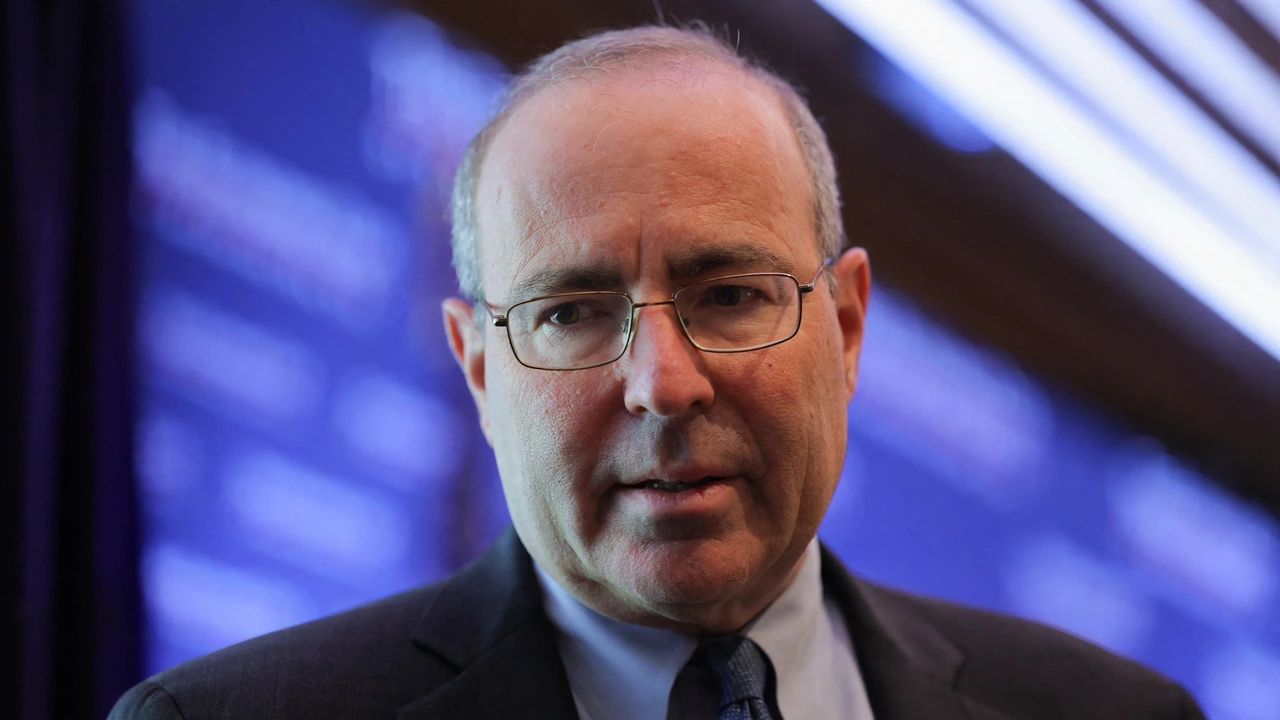
Samuel Tombs, chief U.S. economist at Pantheon Macroeconomics, offered a read on the dynamic that has developed since Warsh’s confirmation: “Now that Warsh is in position, he has the luxury of taking a long, impartial view,” Tombs said, adding that Powell “successfully showed how independent a Fed chair can be, how political interference can only get so far.”
That framing captures much of what Tuesday’s testimony was actually about, less a single dramatic confrontation and more Warsh positioning himself, only weeks into the job, along the same institutional line his predecessor eventually held.
What happens next
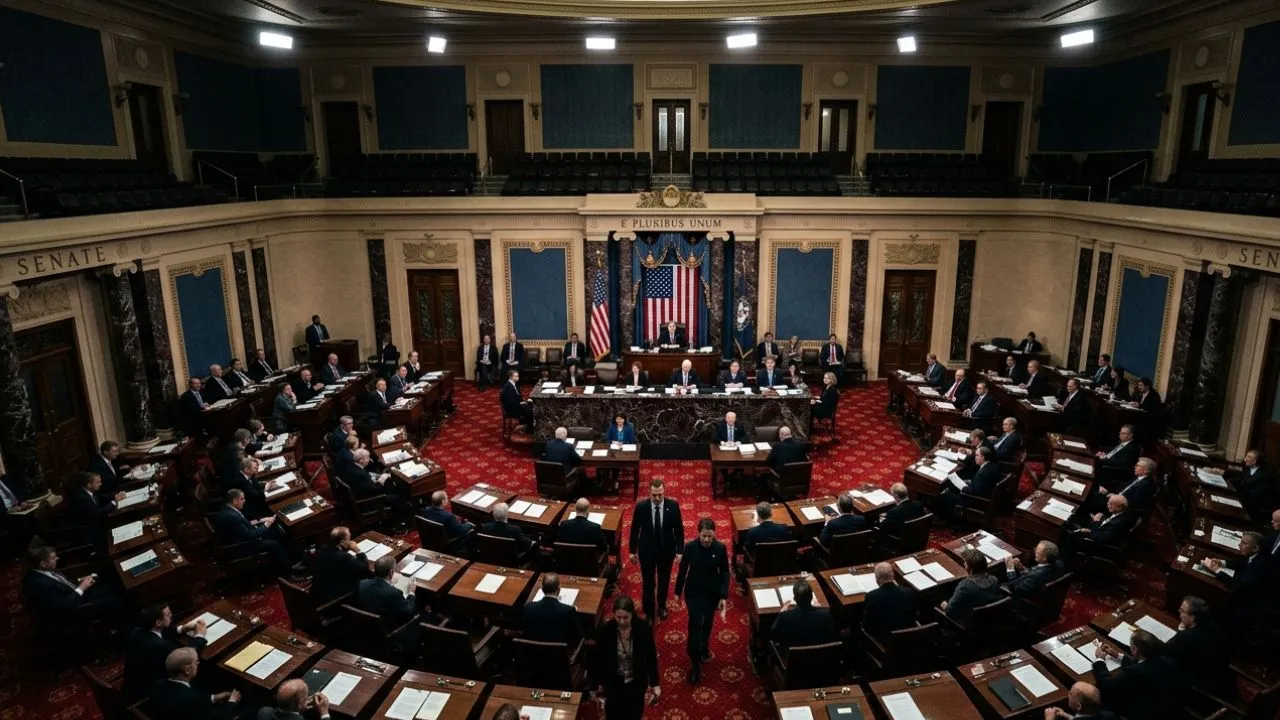
Warsh appears before the Senate Banking Committee today, July 15, 2026, for the second half of the traditional two-chamber semiannual testimony, a hearing confirmed on the committee’s own public calendar.
Analysts expect similar questions about independence and inflation policy to resurface there, particularly from senators who expressed concern during his confirmation process about his relationship with the president who nominated him.
This story, and the underlying Fed rate decision coverage on this site, will be updated as that testimony develops and as any resulting shift in rate-path expectations becomes clearer.
The financial system’s daily mechanics, including how Fed policy ultimately reaches consumer accounts through the broader money movement system, remain the throughline connecting this testimony to the payment and benefit stories developing elsewhere this week.
What you should do now
If you are tracking how Fed policy might affect savings rates, mortgage costs, or Social Security’s cost-of-living calculations later this year, treat Tuesday’s testimony as a signal of continuity rather than an imminent rate change; Warsh gave no indication of an near-term shift in the Fed’s benchmark rate.
Watch Wednesday’s Senate testimony for whether senators extract any more specific commitments, and follow the task force findings as they become public, since those, not this week’s exchange, are more likely to signal any real change in Fed practice.