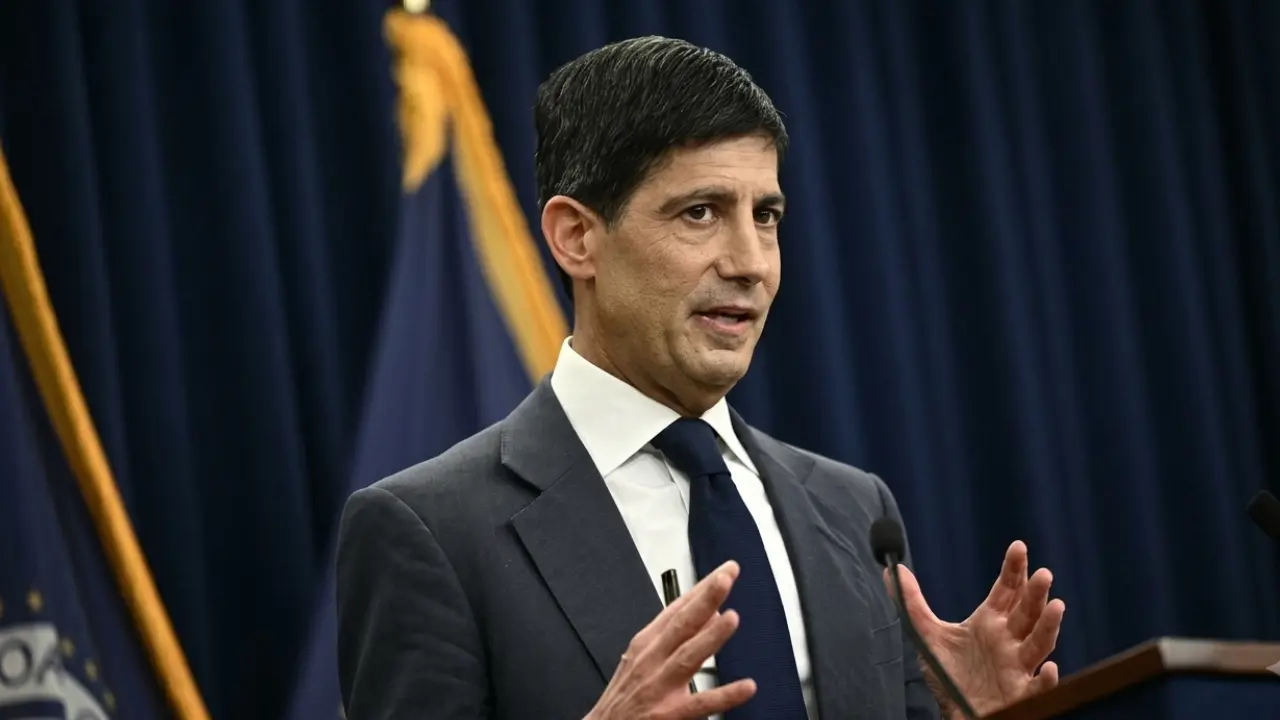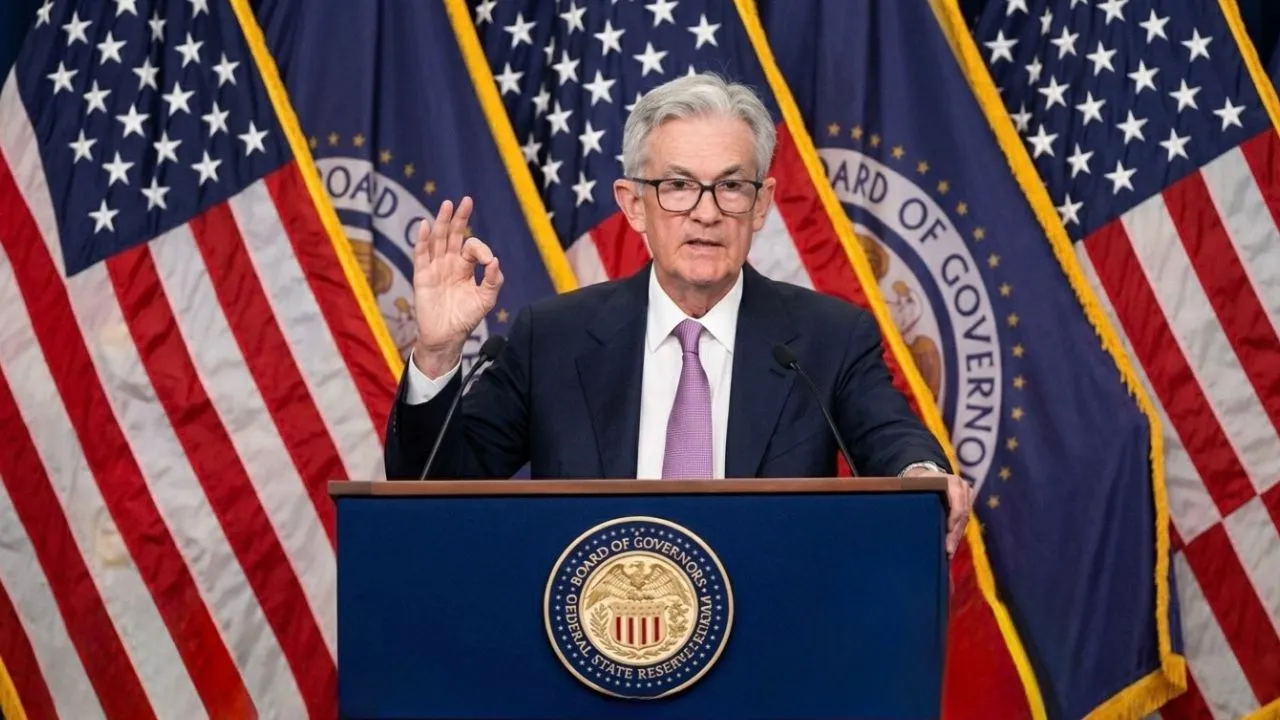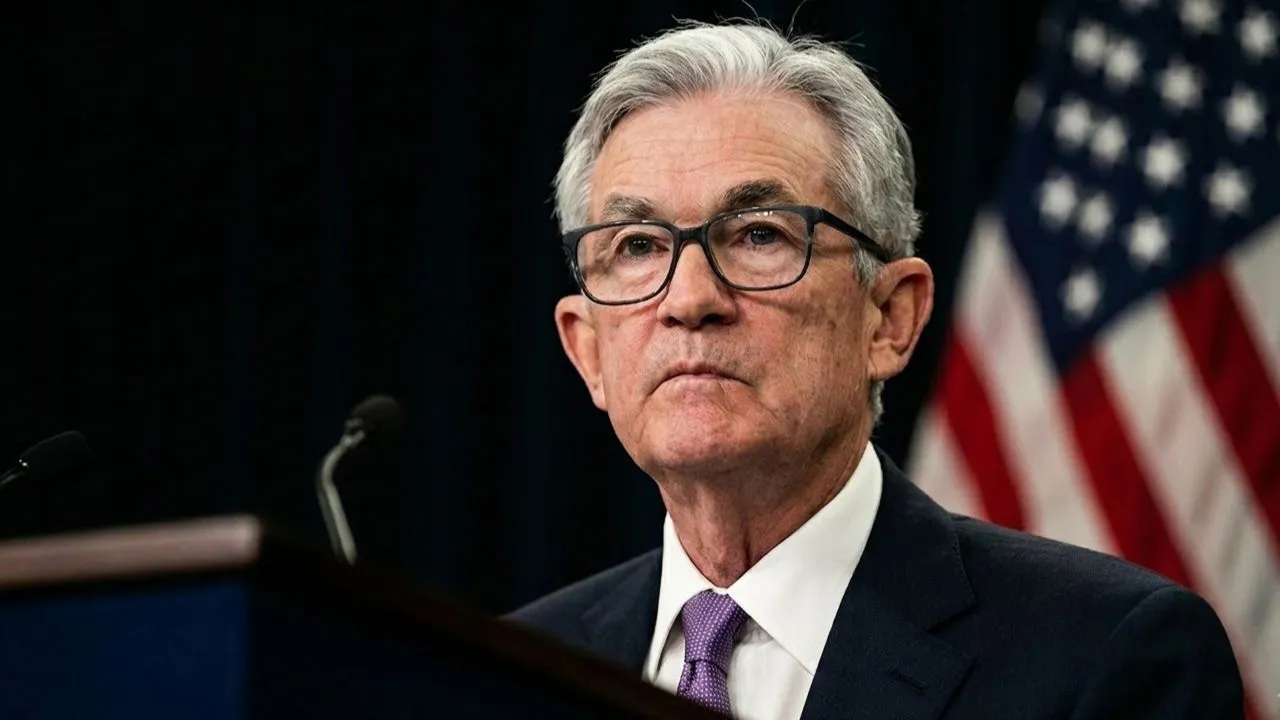

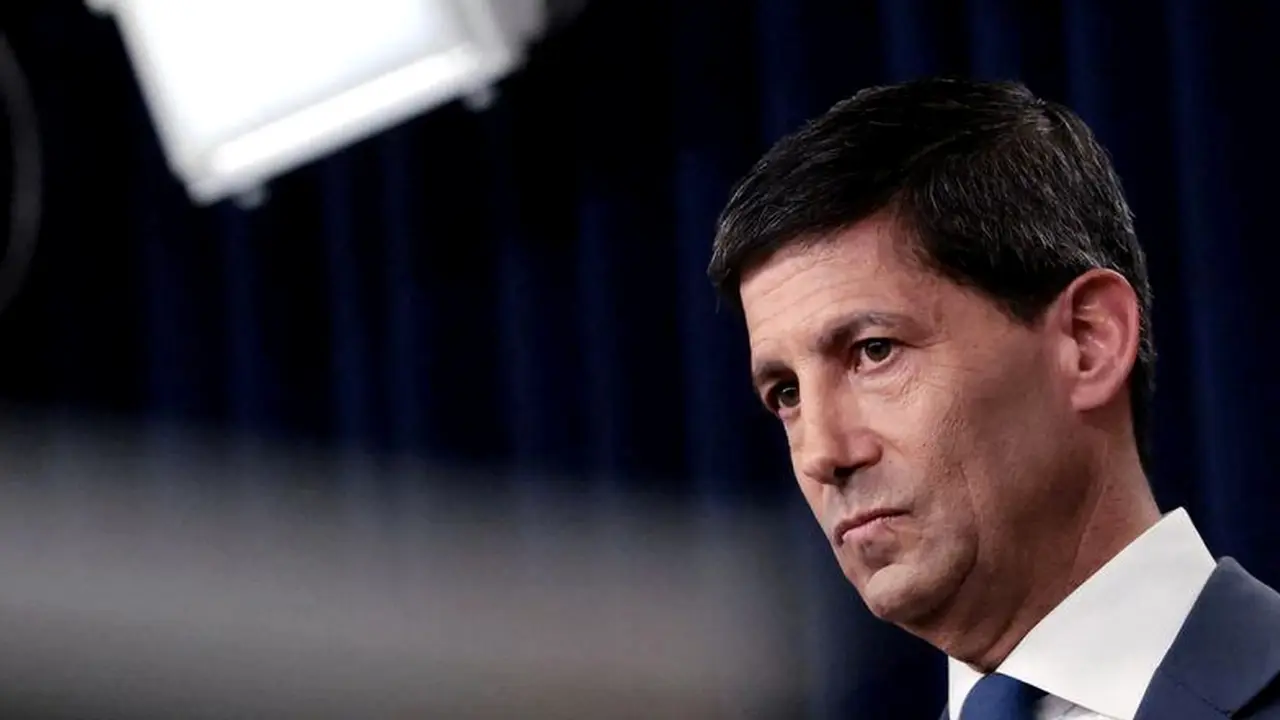
Federal Reserve Chair Kevin Warsh used his first Jackson Hole keynote as chair to do something markets had been demanding since the Fed’s July meeting: define the conditions under which he would consider tightening policy again. The message from his August 28 Jackson Hole speech was not that a September rate increase is decided.
It was that inflation remains too high, the economy remains resilient, and the Fed cannot assume price pressures will fade on their own. Warsh closed by saying he was committed to a “discipline, not to a decision,” preserving flexibility ahead of the September 15–16 FOMC meeting. But the discipline he described was plainly tougher than a passive wait-and-see stance.
First, Warsh made the 2% inflation target non-negotiable. He called the Fed’s 2% PCE objective a “firm, fixed target” and said policymakers must be confident underlying inflation is moving toward it clearly and fast enough. If not, he said, the Fed has “work to do.” That is his clearest signal yet that another rate increase remains possible. The latest BEA PCE data show the price index was up 3.7% from a year earlier in July, unchanged from June and still well above target. Warsh also said better summer readings had not convinced him the underlying trend had materially improved. For readers following Investozora’s analysis of Warsh’s interest-rate policy, Jackson Hole sharpened the threshold: improvement is not enough; the pace of improvement must be convincing.
Second, Warsh said the economy may be strong enough to absorb tighter policy. He described labor markets as consistent with full employment and said broad financial conditions were difficult to characterize as restrictive. He pointed to strong capital spending, narrow credit spreads, easier business-lending standards and healthy consumer spending. That combination matters because a Fed seeing inflation above target and financial conditions still loose has less reason to fear modest additional tightening. The July FOMC minutes show three policymakers had already preferred a quarter-point increase while the majority voted to hold rates steady.
Third, Warsh is deliberately reducing the Fed’s reliance on forward guidance. He argued that routine promises about future policy can box officials in, distort market signals and make the central bank slower to react when conditions change. His preferred model is a “quieter Fed” that communicates less mechanically and decides more from current evidence. Investors accustomed to parsing every Fed sentence for a preset path will have to place more weight on incoming inflation, employment, credit and market data.
Fourth, Warsh put conventional interest-rate policy back at the center of the Fed’s toolkit. He said short-term rates should be the predominant instrument for achieving the dual mandate and unconventional policies to stimulate the economy should generally be reserved for genuine crises. That principle matters beyond September. It points toward a Fed less inclined to rely routinely on extraordinary balance-sheet tools. Investozora’s Federal Reserve balance sheet explainer shows why that distinction matters for liquidity, bond markets and broader financial conditions.
Fifth, Warsh elevated artificial intelligence from a market story to a monetary-policy variable. He called AI potentially a new factor of production and said it could change productivity, labor demand, capital intensity and how the Fed interprets the economy. But he drew an important boundary: the productivity-and-jobs task force will report later, and its work has no bearing on decisions in the current policy setting. That keeps AI in the long-term framework instead of using optimistic productivity assumptions to justify easier policy today. Investozora has separately tracked the Fed task forces created under Warsh to examine these structural questions.
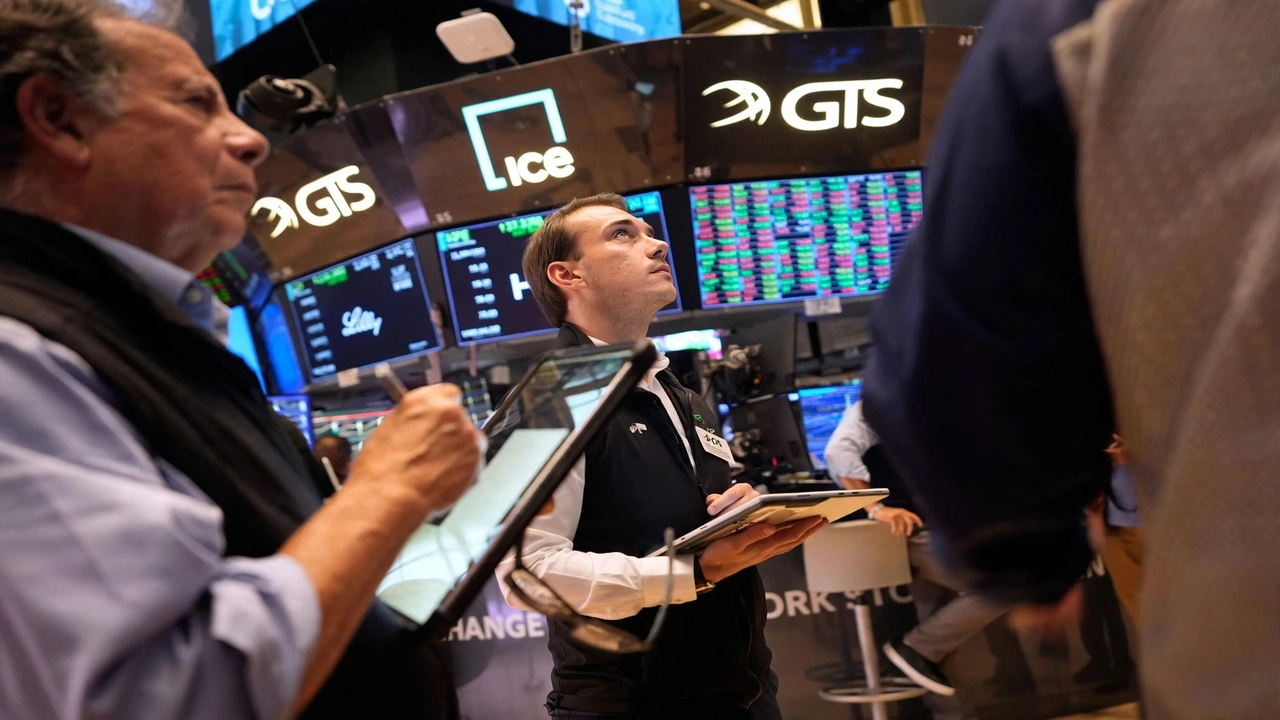
The market reaction showed investors heard the speech as hawkish. Reuters’ post-speech market report said the implied probability of a September rate increase rose to 55.7% from 35.4%, while the two-year Treasury yield jumped and the dollar strengthened. Those are market expectations, not a Fed commitment.
The next decision therefore turns on evidence. Warsh has not promised a hike. He has made the burden of proof clearer: with inflation still at 3.7% on the Fed’s preferred measure, stable labor markets and financial conditions he does not view as broadly restrictive, holding rates unchanged requires convincing evidence that underlying inflation is moving toward 2% fast enough. Jackson Hole did not settle September. It defined the test.