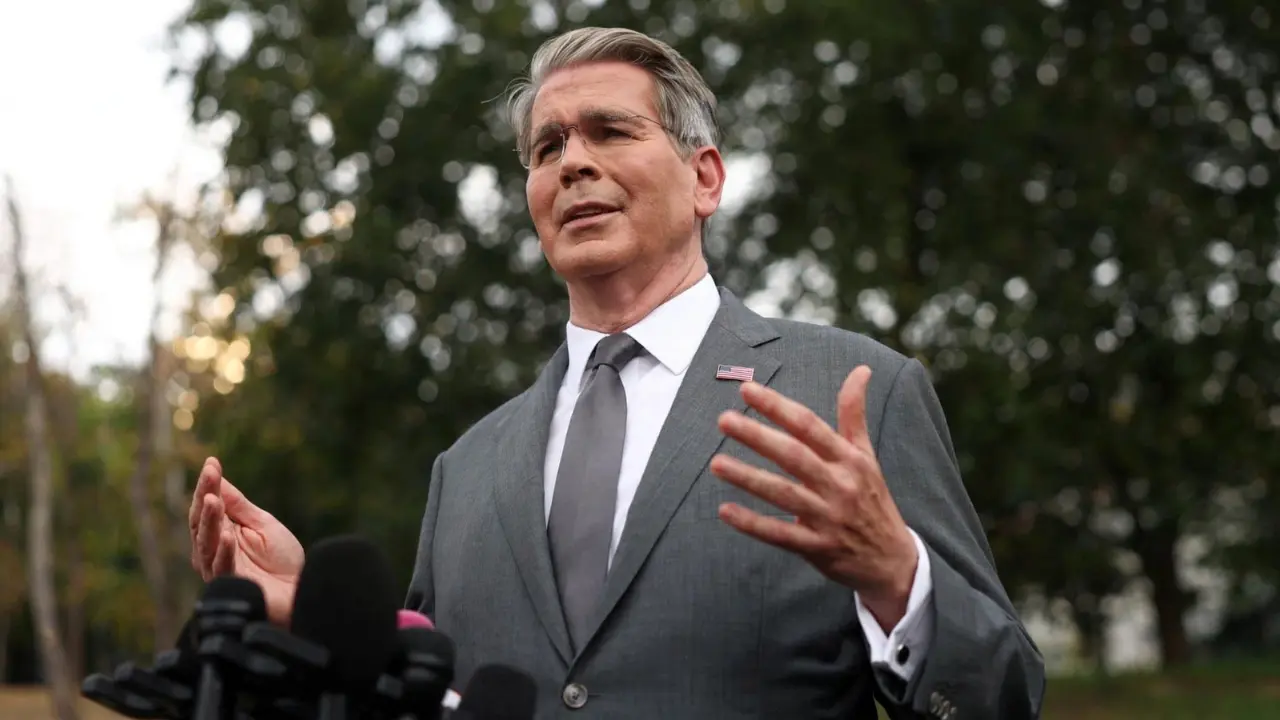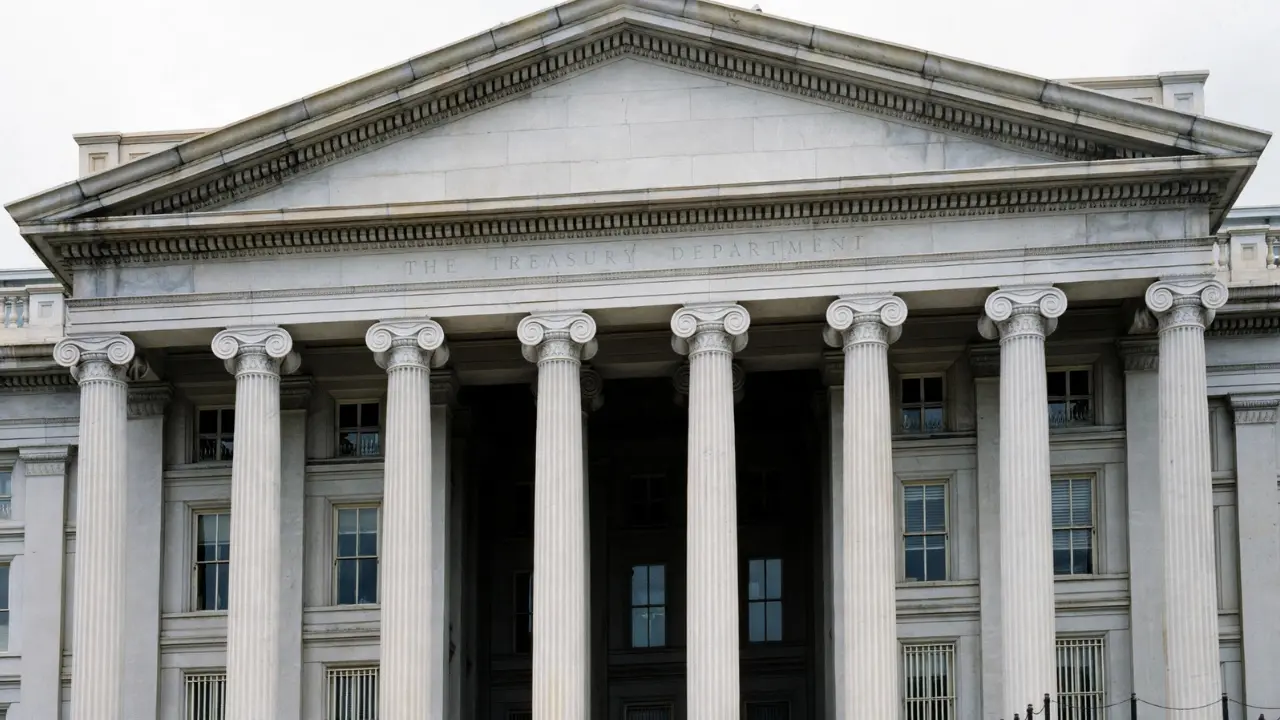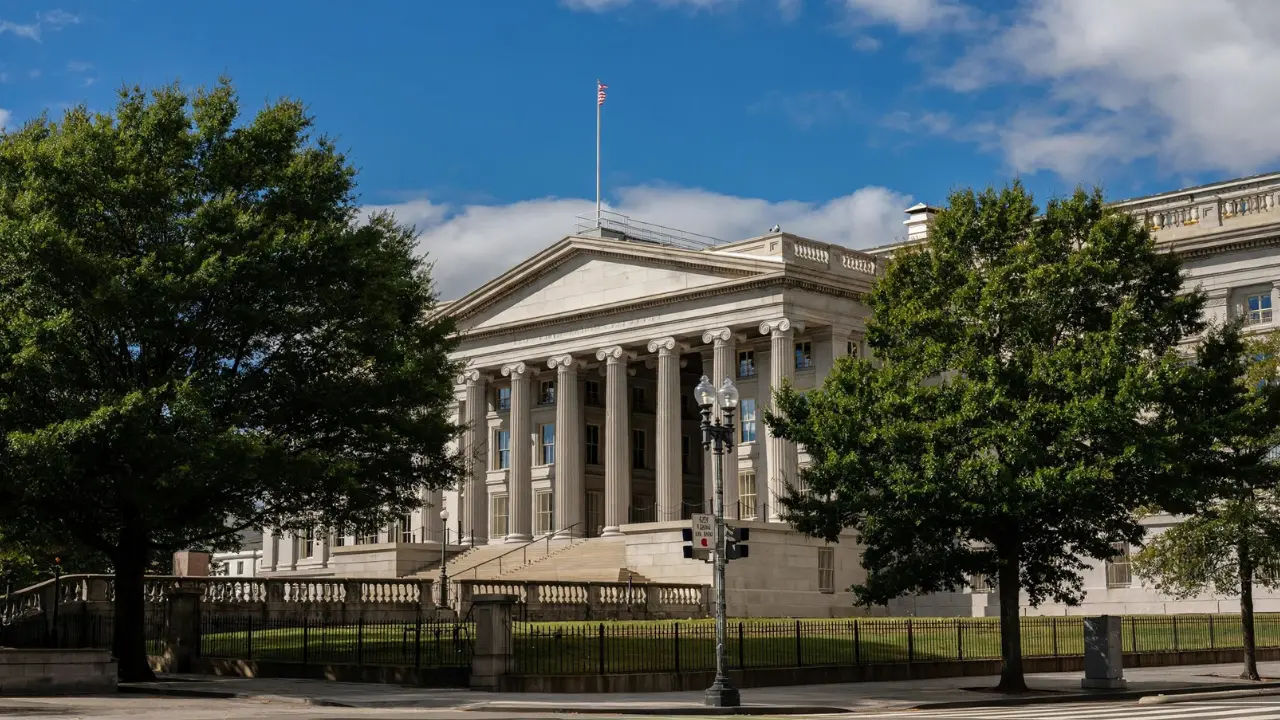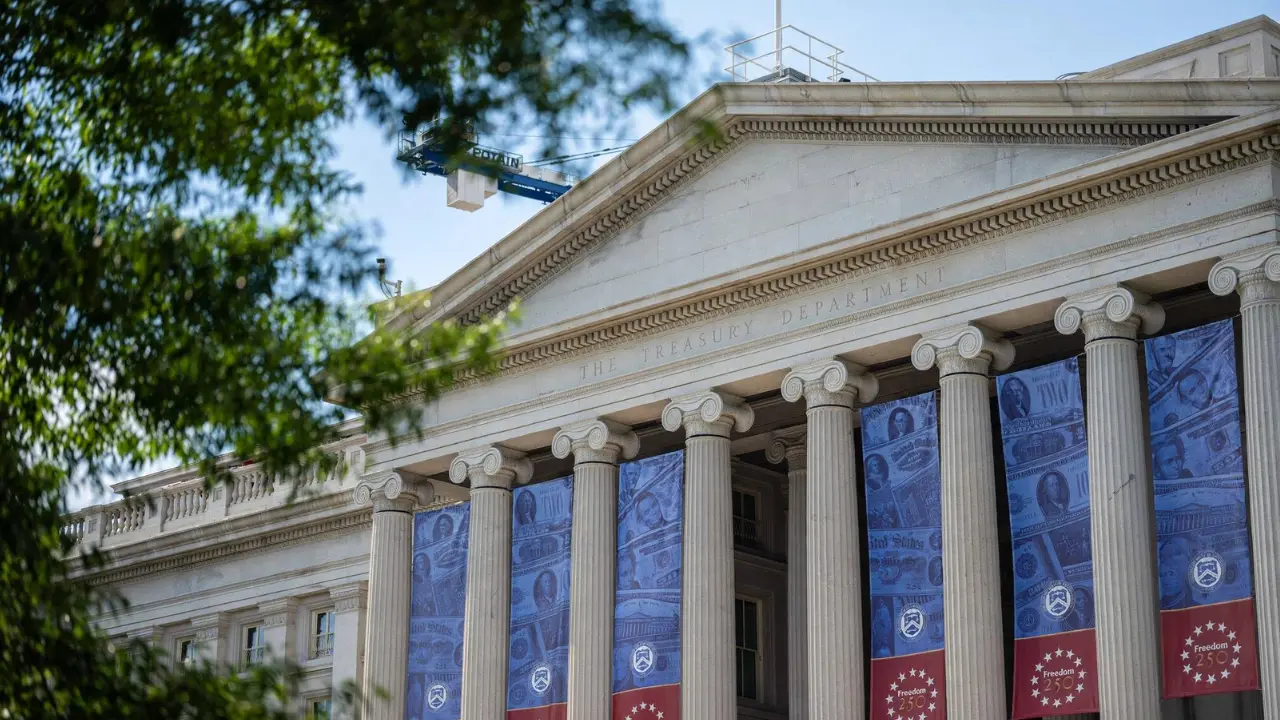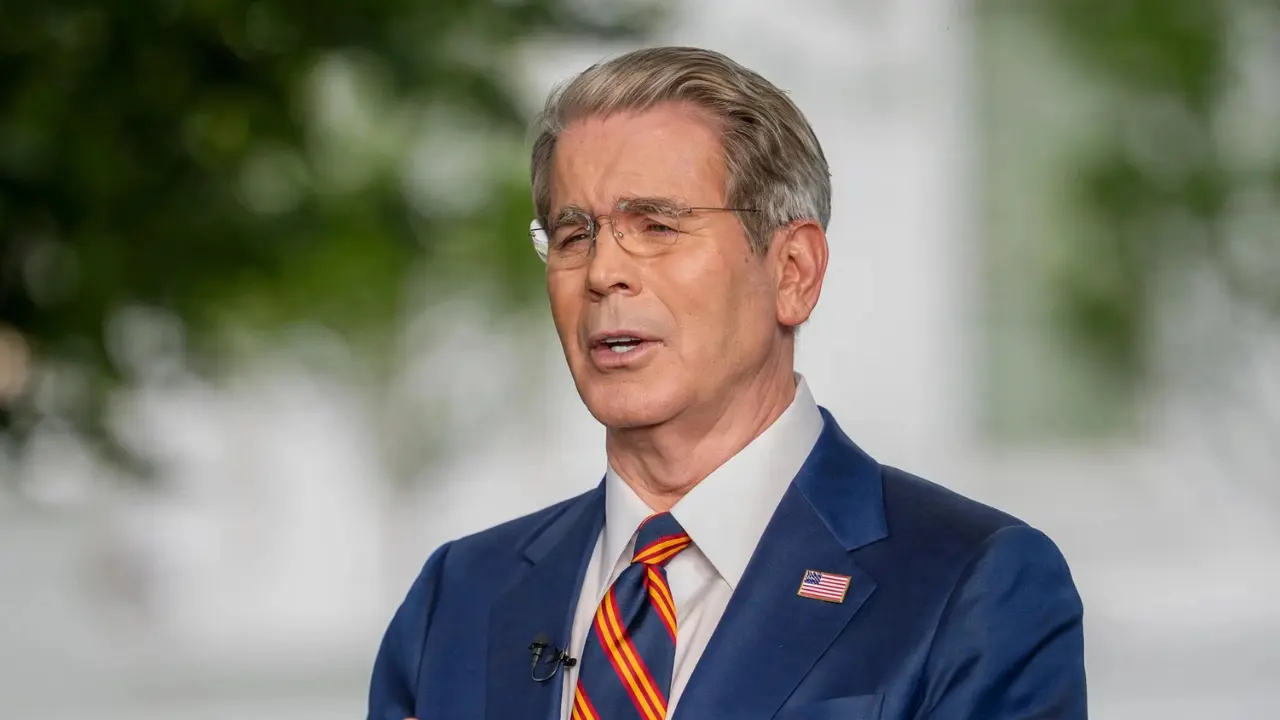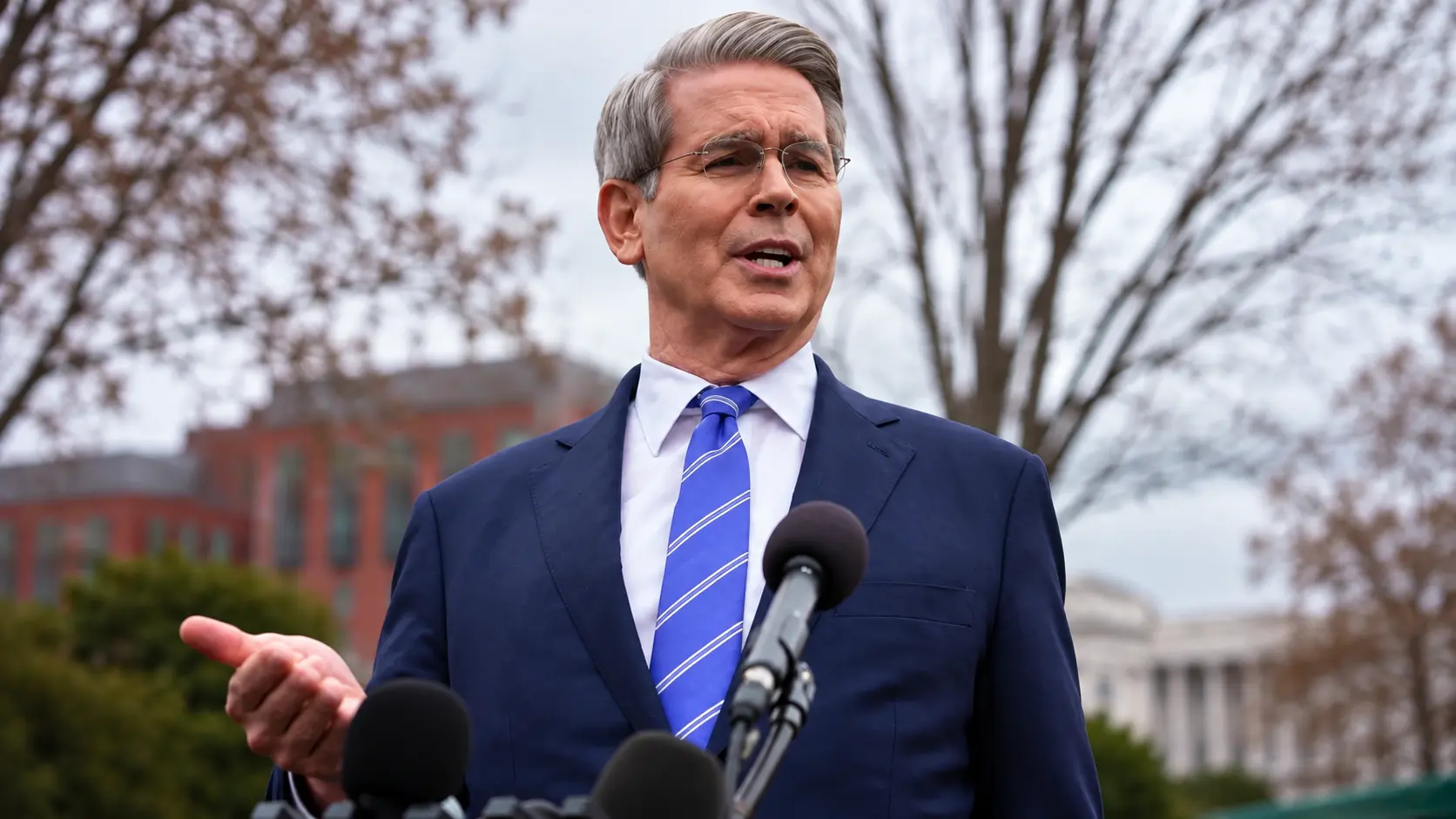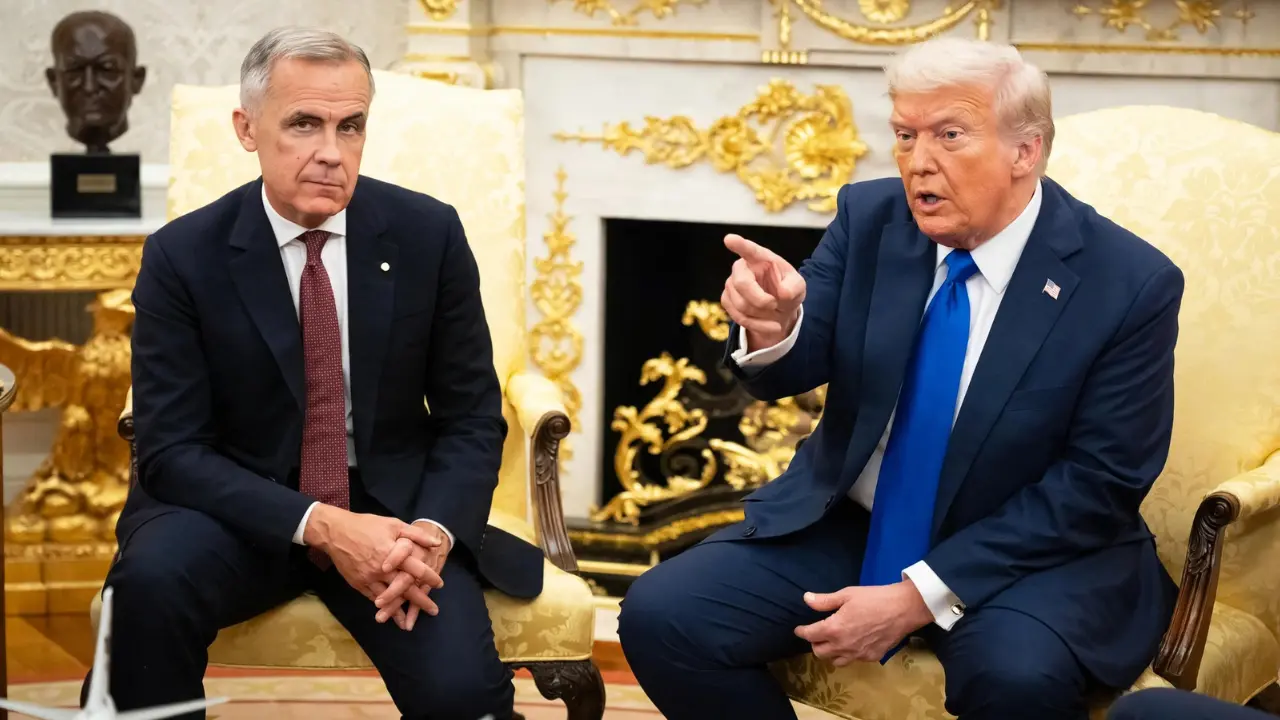

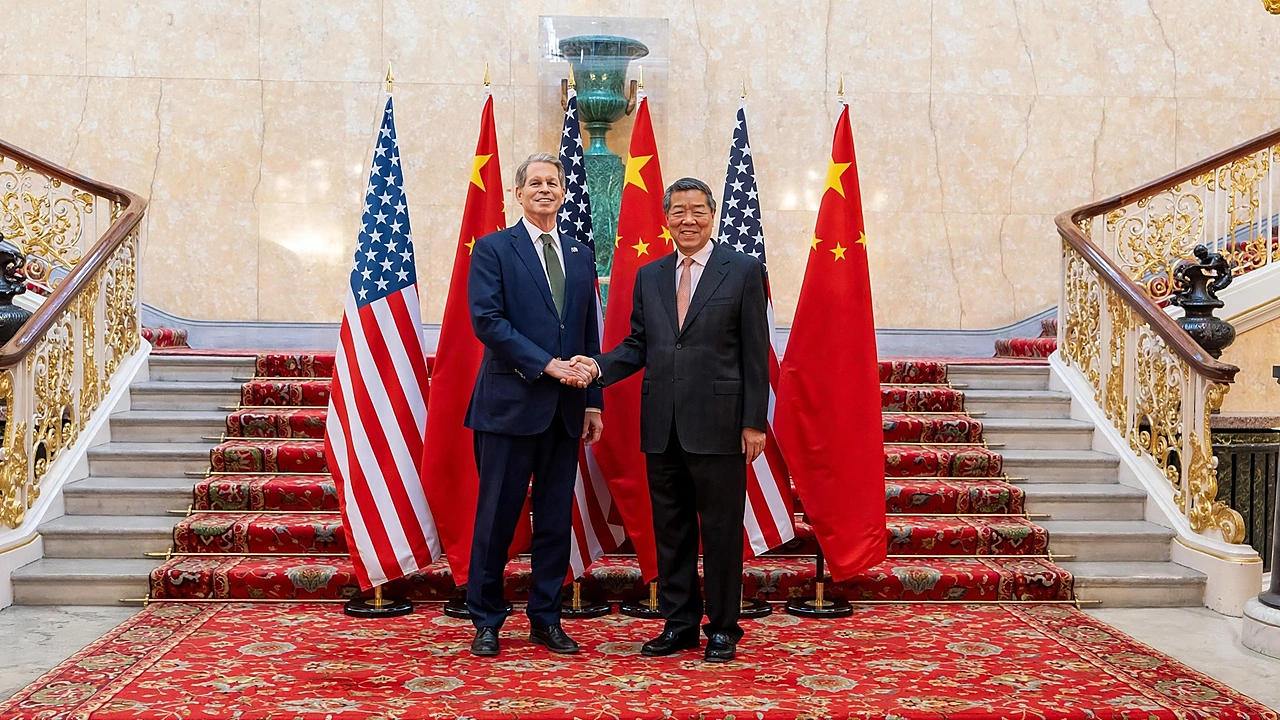
U.S. Treasury Secretary Scott Bessent and Chinese Vice Premier He Lifeng began high-level economic talks in New York on Sunday, opening another round of negotiations ahead of a planned meeting between President Donald Trump and Chinese President Xi Jinping in Washington.
The talks bring together two of the senior officials responsible for managing the economic relationship between the world’s two largest economies. U.S. Trade Representative Jamieson Greer also joined the meeting, according to the U.S. Trade Representative’s official announcement of the New York talks.
Reuters reported that the meeting began at JPMorgan Chase’s headquarters in New York and that the agenda includes artificial intelligence, trade, critical minerals and other economic issues. The negotiations are expected to help determine which areas could be advanced before Trump and Xi meet.
China had independently confirmed the negotiating round before He arrived in the United States. China’s Ministry of Commerce said He would lead a delegation to the United States from Sept. 19 through Sept. 23 for economic and trade consultations and that the two sides would discuss trade issues of concern to both governments.
The immediate question is whether the two sides can turn months of negotiations into additional concrete commitments. Greer said before the meeting that Washington plans to focus on implementation of existing commitments, trade in non-sensitive goods and improved market access for American farmers, manufacturers and workers.
Earlier this year, USTR also began developing a bilateral mechanism called the U.S.-China Board of Trade to manage trade in non-sensitive products and consider possible tariff changes. Critical minerals remain one of the most important unresolved economic issues.
A May White House fact sheet said China had committed to address U.S. concerns about shortages involving rare earths and other critical minerals, including neodymium, indium, yttrium and scandium. The same agreement included agricultural-purchase commitments and an initial Chinese purchase of 200 Boeing aircraft.
The critical-minerals issue extends beyond bilateral trade. Bessent has made diversification of mineral supply chains a Treasury priority. In January, he convened finance ministers from major U.S. partners to discuss securing supplies of rare earth elements, and Treasury has since backed efforts to improve market pricing for minerals including gallium, germanium, tungsten, antimony and neodymium-praseodymium.
Artificial intelligence adds a newer and more difficult track to the negotiations. Reuters reported before Sunday’s meeting that Bessent intended to discuss AI alongside rare earths and trade. The issue has become more contentious as Washington and Beijing dispute access to advanced chips, AI-model technology and national-security safeguards.
China’s Commerce Ministry rejected U.S. accusations this month that Chinese AI companies had conducted “industrial-scale” distillation of American models, calling the allegations unsupported.
No comprehensive agreement had been announced as the talks began, and neither government had released a final readout of Sunday’s negotiations. That makes the meeting itself the confirmed development for now.
What matters next is whether Bessent, He and Greer can narrow differences on critical-mineral access, trade commitments and AI-related concerns enough to produce specific measures for the Trump-Xi meeting.
Until either government announces those measures, potential tariff changes, new purchase commitments or AI safeguards remain negotiating possibilities rather than completed agreements.