
Oil prices settled at their highest levels since late April on Friday, October 30, as another tanker attack in the Strait of Hormuz coincided with growing concerns about Middle Eastern crude supplies and a possible escalation of the Iran conflict. December Brent crude futures rose $2.76, or 2.4%, to $117.64 a barrel, while U.S. West Texas Intermediate (WTI) futures advanced $2.12, or 2.08%, to $104.12, according to Reuters’ end-of-session market report.
Brent touched $118 during Friday’s session. The January Brent contract, which became the front-month contract after December’s expiration, settled at $113.43, up $2.63. The distinction matters because the $117.64 closing price belongs to an expiring contract, not the contract investors will follow in the next trading session.
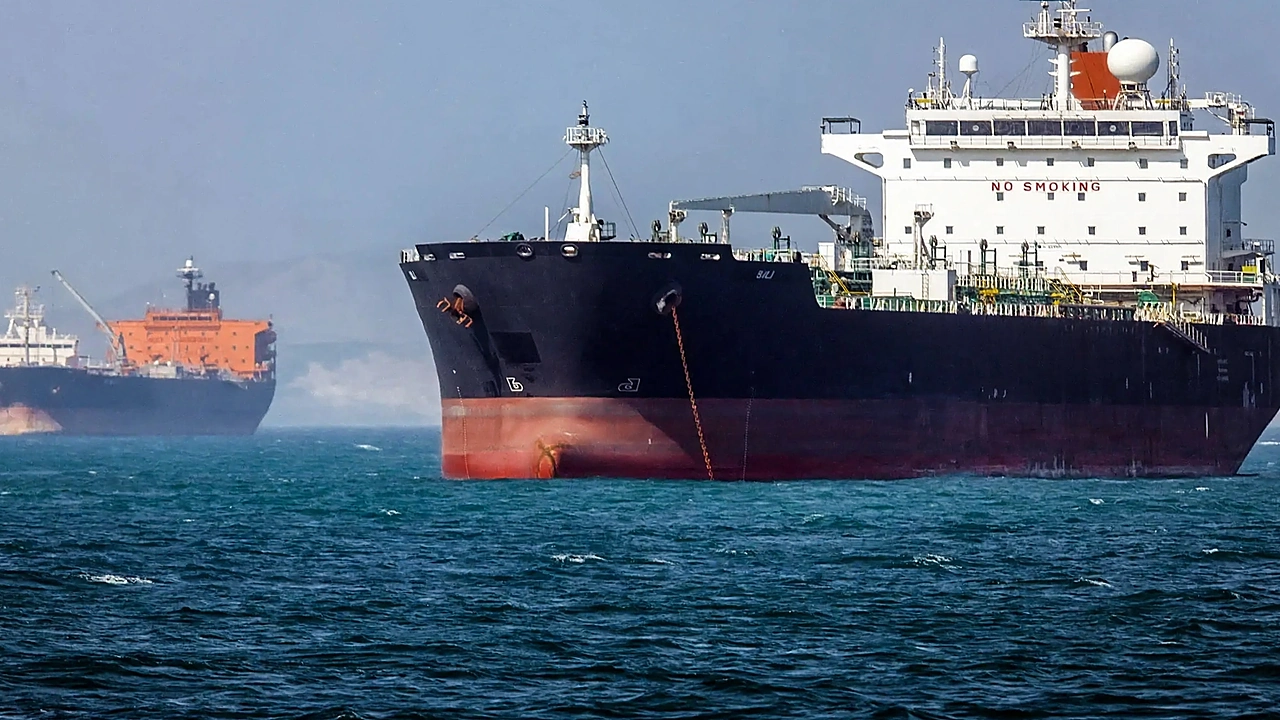
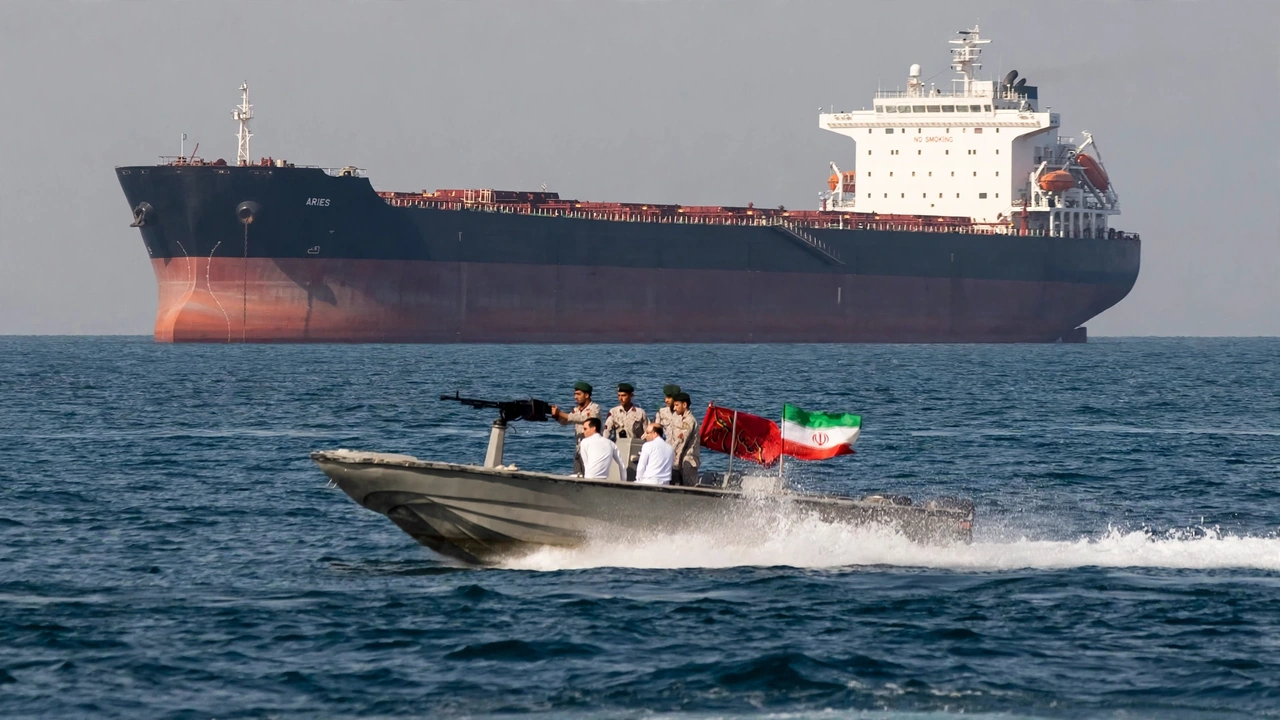
The latest move followed reports of renewed attacks on commercial shipping near one of the world’s most important energy corridors. The United Kingdom Maritime Trade Operations agency (UKMTO) reported that a crude oil tanker had been struck by an unidentified projectile while leaving the Strait of Hormuz. Its maritime incident reports also documented a separate vessel fire south of Iran’s Lavan Island.
Responsibility for the reported attacks remained uncertain. Although Reuters cited maritime sources describing explosives attached to a tanker, the UKMTO notices did not conclusively identify the weapons or perpetrators. The attacks added to existing uncertainty about shipping safety rather than establishing that oil exports had been completely halted.
I consider the distinction between physical supply losses and the market’s assessment of future disruption particularly important. Oil futures can rise when traders demand compensation for heightened geopolitical risk, even before a newly reported incident produces a measurable reduction in exported barrels.
That mechanism has become increasingly relevant during the prolonged Iran conflict. Previous disruptions prompted concerns about Hormuz closure risks and the availability of alternative export routes. Friday’s incident renewed questions about whether tankers can maintain reliable passage without further damage, delays or additional security costs.
The United States Energy Information Administration’s energy security data illustrates the corridor’s importance. The agency estimated that oil flows through Hormuz averaged 21.6 million barrels per day in the fourth quarter of 2025 but dropped to 4.9 million barrels per day during the second quarter of 2026.
That represents a decline of approximately 77.3%, based on my calculation from the EIA’s published figures. The comparison describes historical quarterly averages, not the amount flowing through the strait on October 30. It also demonstrates why renewed shipping threats can matter even when alternative pipelines and transportation arrangements remain operational.
October’s price performance provides another important perspective. Brent gained 13.6% during the month, while WTI rose 15.2%, according to Reuters. The gains were therefore not confined to Friday’s tanker news. They reflected a broader month of elevated geopolitical uncertainty and persistent concerns about energy supply.
The two benchmarks also tell somewhat different stories. Although WTI recorded the larger percentage increase during October, Brent’s December contract ended Friday $13.52 per barrel above WTI. I calculate that spread directly from the reported settlements. It is a same-day difference between the specified contracts, not proof that the spread widened during the session.
Another distinction is the relationship between futures prices and actual crude cargoes. Previously reported physical oil premiums illustrate why conditions in the spot market can diverge from exchange-traded futures. A tanker attack can affect freight expenses, insurance, cargo availability and delivery timing without producing identical price movements across every oil contract.
For U.S. consumers, sustained higher crude prices may increase pressure on gasoline, diesel and transportation costs, although the effect depends on refining margins, inventories and distribution conditions. The resulting inflation pressures may also complicate the economic outlook.
This matters for monetary policy because persistent energy inflation can influence household spending expectations and broader price developments. However, an increase in crude futures alone does not establish how the Federal Reserve will respond. The relationship between oil and rates depends on incoming inflation, employment and economic activity data.
Investors will also assess whether higher energy prices coincide with broader financial-market adjustments. Previously reported Treasury yield movements and dollar market reactions provide context, but Friday’s oil settlements alone cannot establish contemporaneous moves in those assets.
The availability of emergency supplies offers another possible buffer. The EIA’s energy-security figures and previous coverage of petroleum reserve levels help explain why inventory availability and government decisions matter during prolonged supply disruptions. No new emergency reserve release is established by Friday’s tanker incident.
The next meaningful test comes when trading resumes and investors can compare January Brent futures with the appropriate previous settlement. I will be watching verified shipping updates, actual export volumes, additional attacks and any diplomatic developments that materially change the supply outlook.
Friday’s closing prices establish a significant market move. What remains uncertain is how much additional supply risk will persist after the weekend and whether that risk will translate into measurable changes in physical oil deliveries.