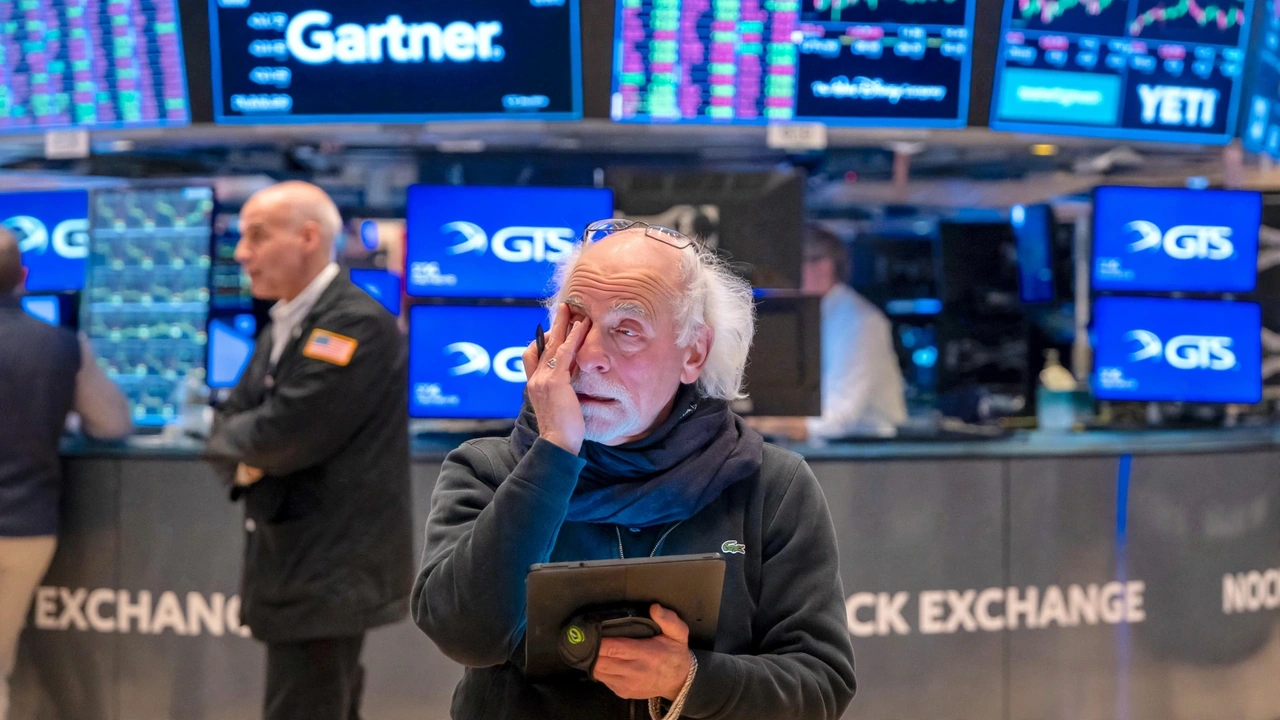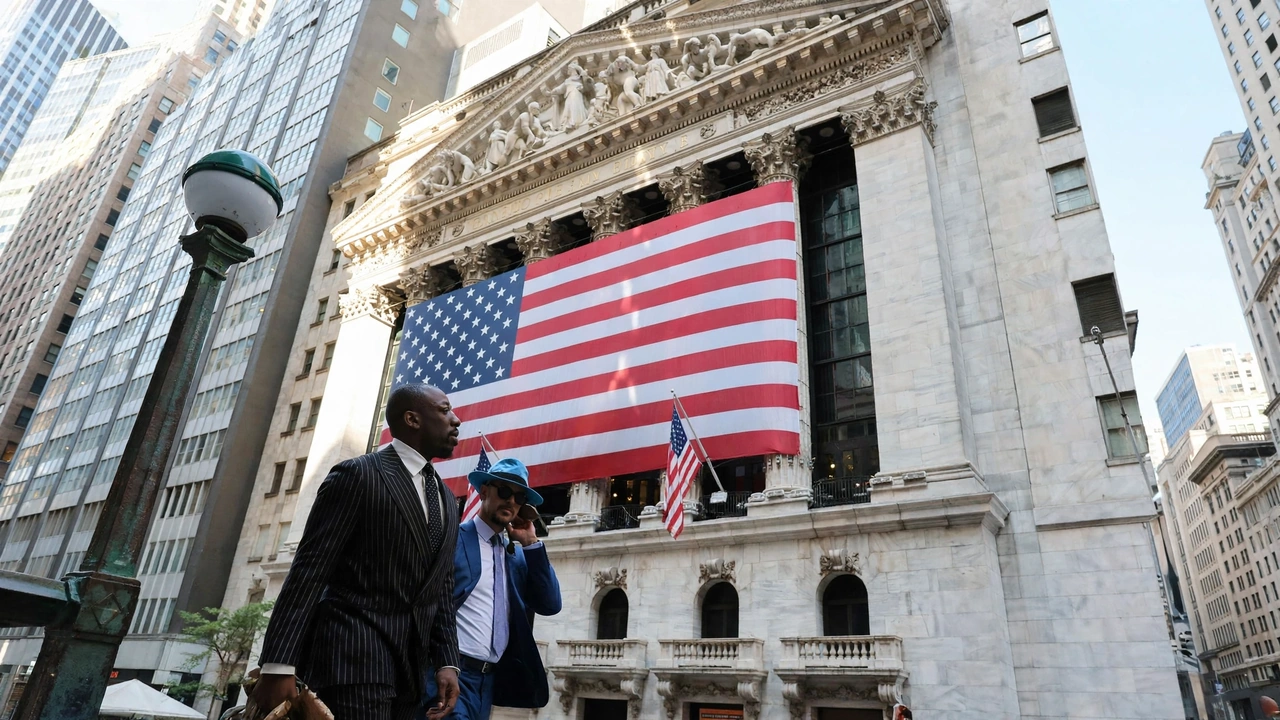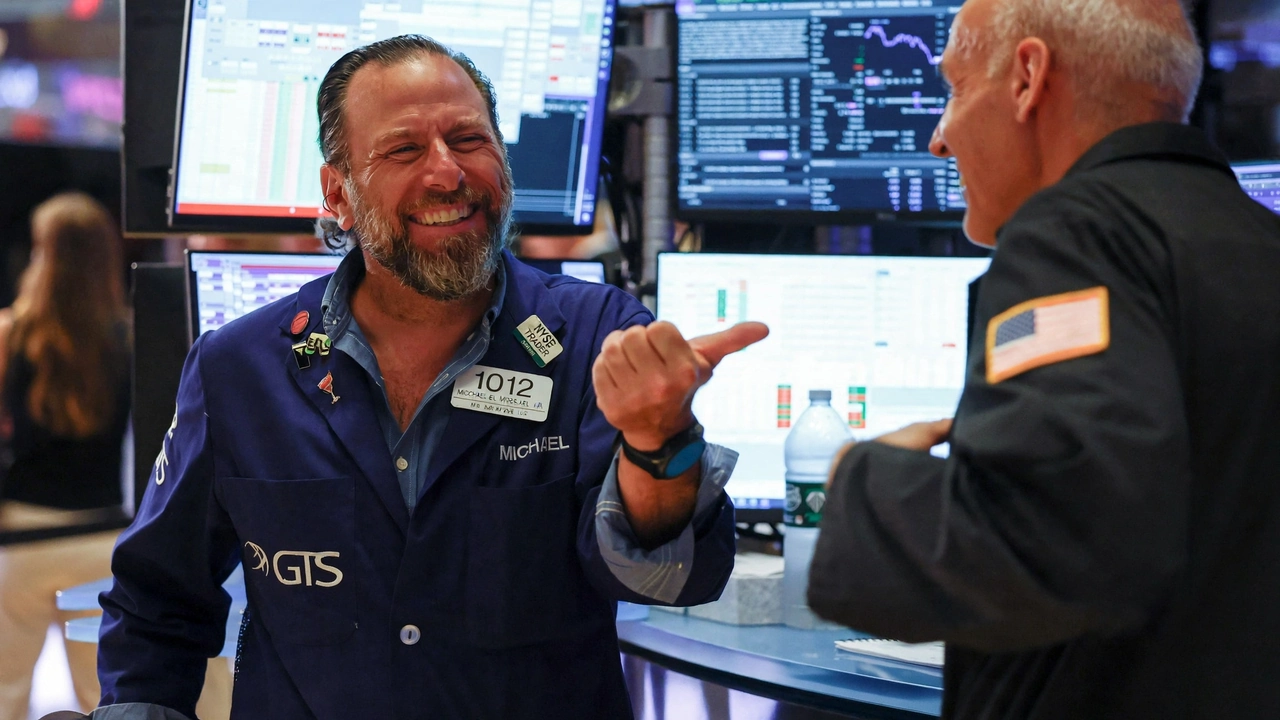

U.S. stocks rallied sharply on Monday, November 23, as Wall Street recovered from last week’s artificial intelligence selloff and NVIDIA reinstated Jensen Huang as chief executive officer. The Nasdaq Composite surged 1,471.82 points, or 6.51%, to close at 24,089.56 at 4 p.m. Eastern time, reversing Friday’s steep losses.
The rally followed a bruising week for technology shares, during which the Nasdaq plunged 5.3% on Friday alone, wiping out its gains for 2026. Monday’s advance returned the benchmark above its previous year-end level, although it remained below levels recorded earlier in November.
The recovery coincided with a major leadership reversal at NVIDIA. In a regulatory filing submitted to the U.S. Securities and Exchange Commission on Monday, the chipmaker confirmed that its board had reinstated Huang as president, chief executive officer and board member on November 22, effective immediately.
Colette Kress, who became interim CEO following Huang’s resignation earlier this month, will continue serving as executive vice president and chief financial officer. NVIDIA said in its official announcement that the board voted unanimously to restore Huang to his leadership positions.
The decision came less than a week after NVIDIA reported quarterly revenue of $115.8 billion, an increase of 103% from a year earlier. Its quarterly earnings also showed data center revenue reaching $107.6 billion, while management projected fourth-quarter revenue of approximately $130 billion, according to its SEC-filed results.
Monday’s rebound recovered more than Friday’s losses in index points. Based on the published market figures, the Nasdaq gained back 1,471.82 points from Friday’s closing level of 22,617.74, but the recovery did not erase the broader losses accumulated during the preceding trading sessions.
The bond market offered a more restrained picture. The Treasury Department’s official yield data showed the 10-year constant-maturity Treasury yield holding at 4.92% on Monday, unchanged from Friday, while the two-year yield increased three basis points to 4.63%.
That divergence remains important for technology investors because elevated Treasury yields can put pressure on company valuations, particularly when a substantial portion of expected earnings lies years in the future. Monday’s equity rally therefore did not coincide with a decline in the government’s benchmark 10-year borrowing rate.
The sharp reversal also highlights the volatility surrounding technology shares following the recent Nasdaq correction and earlier Nasdaq-100 losses. Investors holding technology-heavy funds or concentrated semiconductor portfolios remain particularly exposed to large swings in the sector.
Attention now turns to Wednesday’s economic releases. The Bureau of Economic Analysis has scheduled reports on October personal income and outlays, third-quarter gross domestic product and corporate profits for November 25 at 8:30 a.m. Eastern time.
Those figures will provide fresh evidence on inflation, consumer spending and economic growth ahead of the Federal Reserve’s next policy decision. For Wall Street, the immediate question is whether Monday’s recovery can extend beyond a single trading session as investors reassess technology valuations and the outlook for interest rates.