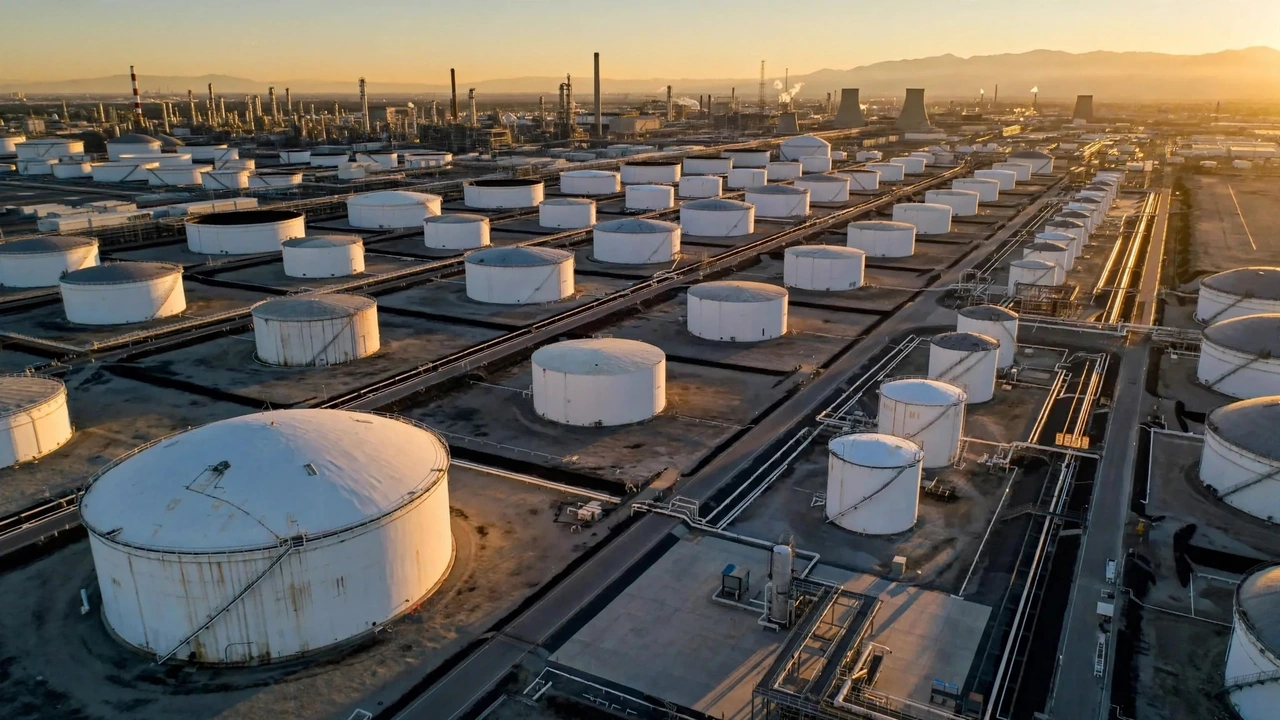

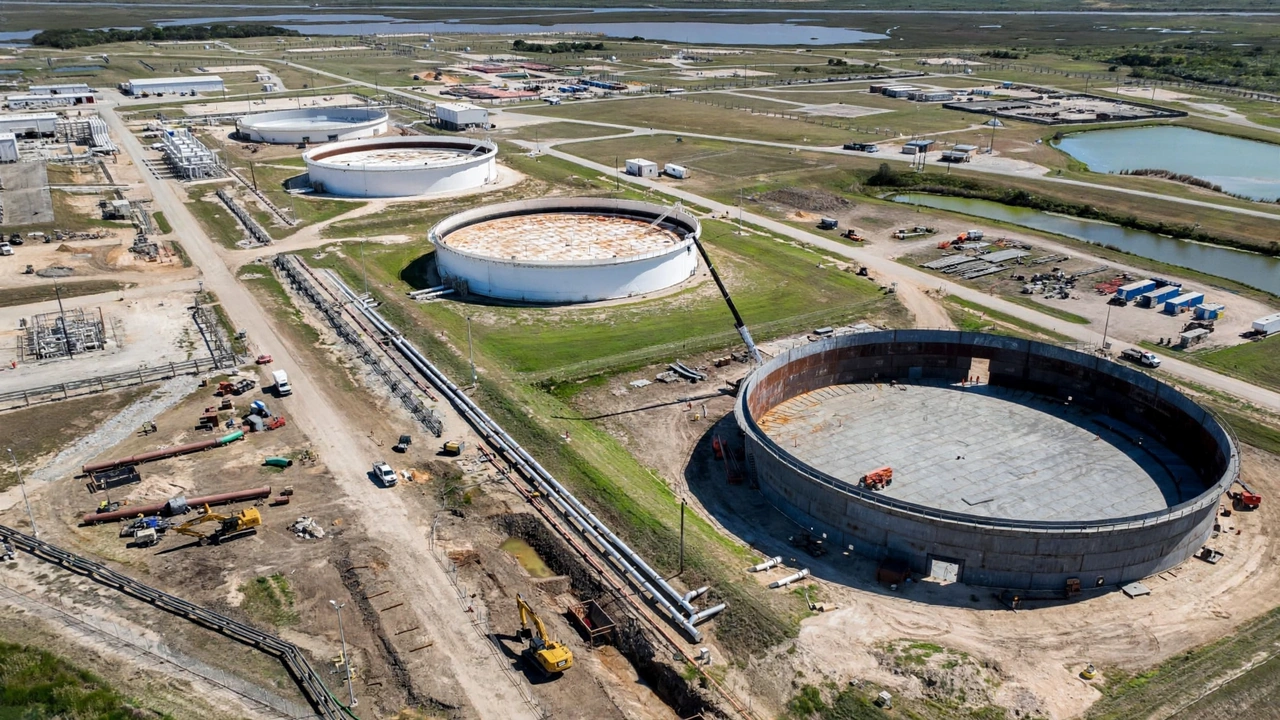
Oil prices plunged more than 7% on Monday, November 2, 2026, as renewed diplomatic efforts involving Iran raised hopes that an eventual agreement could ease disruptions to Middle Eastern crude supplies. Brent crude futures settled $8.66, or 7.63%, lower at $104.77 a barrel, while U.S. West Texas Intermediate (WTI) futures dropped $7.66, or 7.36%, to $96.46. Both figures represent Monday’s completed trading session, not live prices on Tuesday.
The decline followed reports of renewed negotiations involving Iranian officials and Qatari mediators aimed at ending the U.S.-Israeli war with Iran. Iranian President Masoud Pezeshkian said Supreme Leader Ayatollah Mojtaba Khamenei had granted the government additional authority to pursue peace discussions, according to Reuters. The development encouraged expectations that diplomatic progress could eventually reduce threats to oil production and shipping.
The selloff marked a sharp reversal from Friday’s rally, when oil prices reached six-month highs following another reported tanker attack near the Strait of Hormuz. Investozora’s earlier coverage of the Hormuz tanker attack examined the security concerns that had pushed crude prices higher before the weekend.
An important distinction emerges from the futures contracts themselves. January 2027 Brent, which became the actively followed front-month contract after December Brent expired, had settled at $113.43 on Friday. Its decline to $104.77 on Monday therefore represents an $8.66 loss on a consistent contract basis. Comparing Monday’s price with Friday’s $117.64 settlement for the expired December contract would exaggerate the actual trading decline.
WTI, meanwhile, fell from $104.12 to $96.46 per barrel. The Brent-WTI spread narrowed from $9.31 to $8.31 using the specified contracts and their respective closing prices. This $1 narrowing indicates that the international benchmark lost slightly more value in absolute dollar terms than the U.S. benchmark, although both experienced substantial percentage declines.
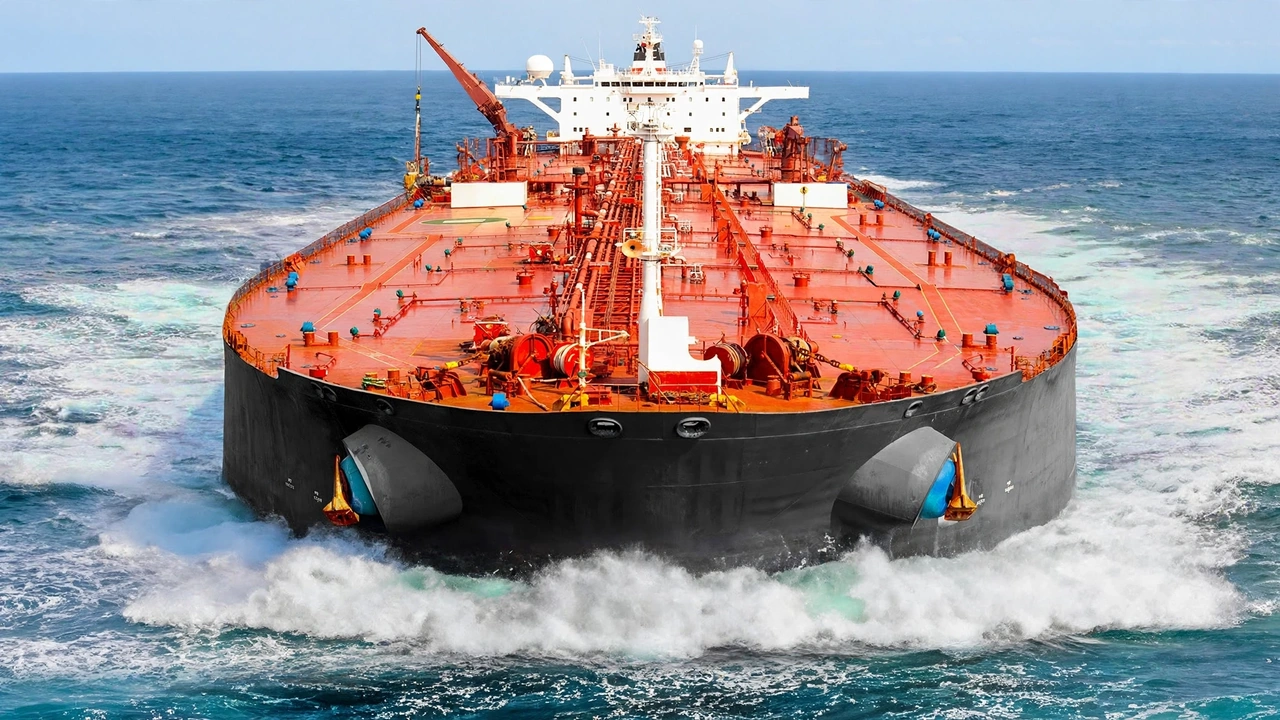
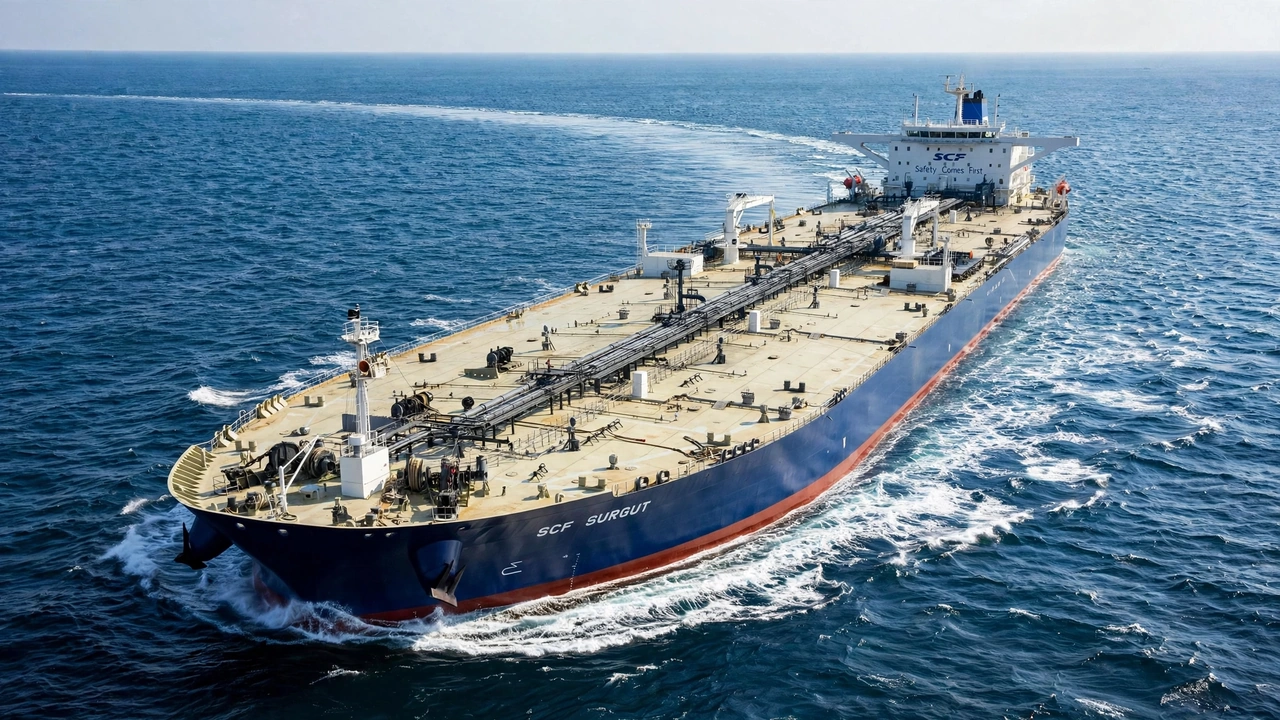
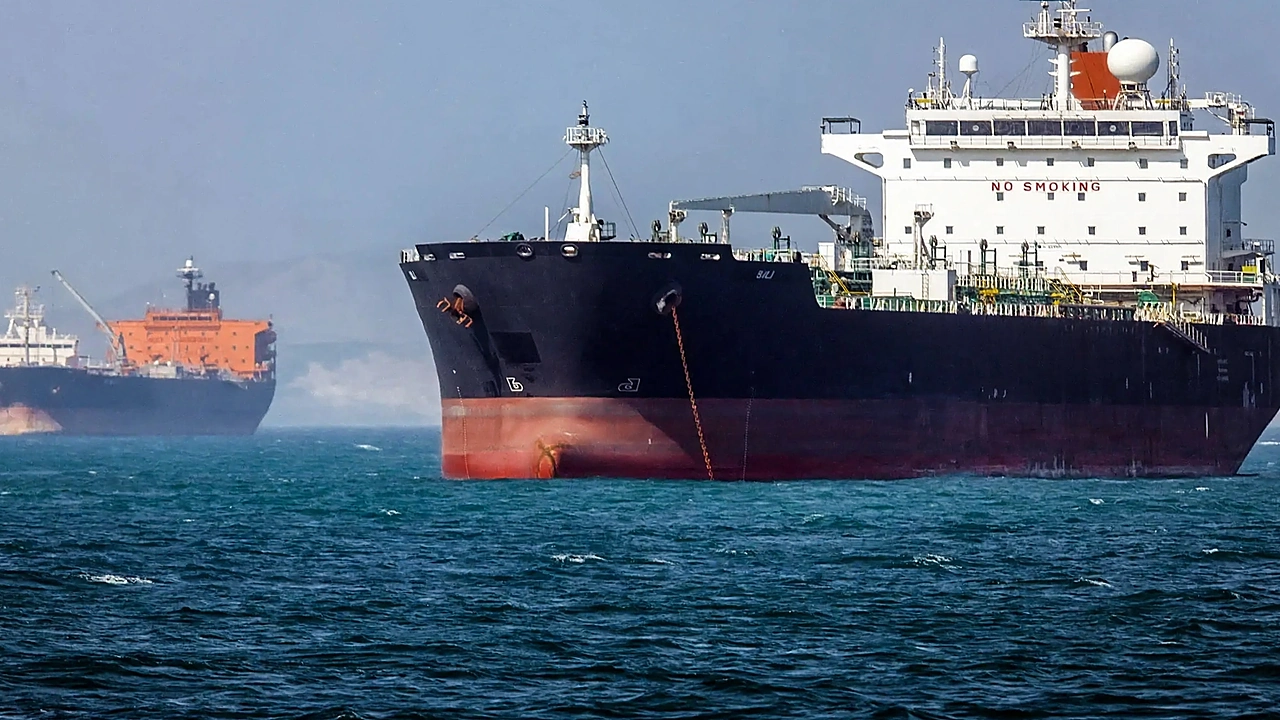
The market’s reaction reflects the importance of the Strait of Hormuz, a critical transportation corridor for global energy supplies. The U.S. Energy Information Administration’s energy security analysis estimated that petroleum liquids moving through the strait fell from 21.6 million barrels per day in the fourth quarter of 2025 to 4.9 million barrels per day in the second quarter of 2026.
That represents a 77.3% reduction between the two quarterly averages, based on Investozora’s calculation. It does not measure shipments on November 2, but illustrates the scale of earlier disruptions. Previous reporting on Hormuz closure risks and elevated physical oil premiums provides additional context for the market’s concerns about available crude supplies.
Diplomatic optimism does not mean those disruptions have ended. Oil prices can react to expectations of improving supply security before tanker movements, export volumes or inventories show a measurable recovery. Earlier coverage of Saudi export recovery illustrates why actual shipments remain a separate indicator from political announcements.
The latest decline also followed a significant production-policy decision. On November 1, seven OPEC+ producers agreed to maintain their December output targets at September’s required production levels, according to the official OPEC statement. That decision, examined in Investozora’s December production report, did not announce an additional production increase specifically intended to offset the conflict.
For consumers, a sustained reduction in crude prices could eventually ease fuel and transportation costs. However, changes in wholesale crude futures do not translate immediately or proportionately into retail gasoline prices. Refining costs, inventories, taxes and distribution conditions also matter. Previous Investozora reporting on gasoline price pressures and energy-related inflation explains those wider economic connections.
The diplomatic outlook remained uncertain on Tuesday. Reuters reported that an Iranian official described Washington and Tehran as far from an agreement, while a U.S. strike on Iran’s Qeshm Island renewed supply concerns. By 10:43 GMT on November 3, Brent had rebounded to $106.13 and WTI to $97.91 per barrel, according to Reuters’ time-stamped market report.
The next meaningful indicators will be verified developments in negotiations, security conditions around Hormuz, actual export movements and any changes in producers’ ability to deliver crude. OPEC+ has scheduled its next production review for November 29.
Monday’s exceptional decline established how quickly expectations surrounding the Iran conflict can change oil prices. Whether that repricing becomes sustained relief for global energy markets will depend on measurable improvements in physical supply and shipping security—not diplomatic hopes alone.