
The U.S. economy is sending investors two very different signals on Wednesday, September 2. Oil prices are climbing again, Treasury yields have pushed close to levels not seen since 2023, and markets are placing much higher odds on another Federal Reserve rate hike. At the same time, fresh hiring data show that the labor market is losing speed.
That mix matters because it leaves the Fed with a harder choice. Slower hiring normally gives policymakers a reason to be careful about higher rates. But oil near $96 a barrel adds fresh inflation pressure at a time when the Fed is already worried that price growth remains too high.
By Wednesday afternoon in New York, the main numbers were:
- Brent crude: about $95.76 a barrel, up roughly 1% on the day
- West Texas Intermediate crude: about $91.18 a barrel, also up about 1%
- 10-year Treasury yield: briefly above 4.81% before easing back toward the 4.8% area
- 2-year Treasury yield: near 4.39%
- September Fed rate-hike probability: about 70%
- Current federal funds target range: 3.50% to 3.75%
Oil moved higher after another round of U.S.-Iran fighting raised fears of further disruption to global energy supplies. Brent had already jumped $4.16 on Tuesday to settle at $94.65, while WTI rose $4.46 to $90.22. On Wednesday, Brent climbed above $95 again as the conflict continued, with Reuters reporting Brent around $95.76 and WTI near $91.18 during the session.
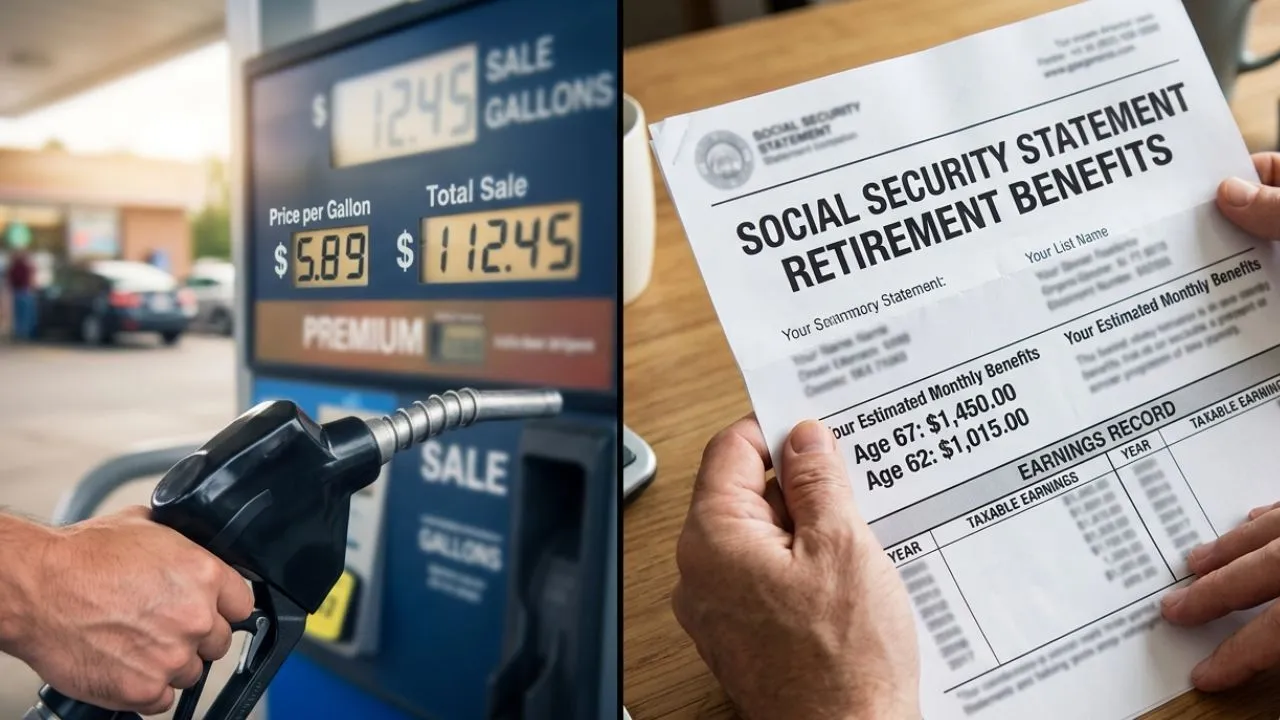
The economic risk is bigger than the price of gasoline alone. A sustained rise in crude can raise transportation, shipping and production costs and eventually put pressure on a wider range of prices.
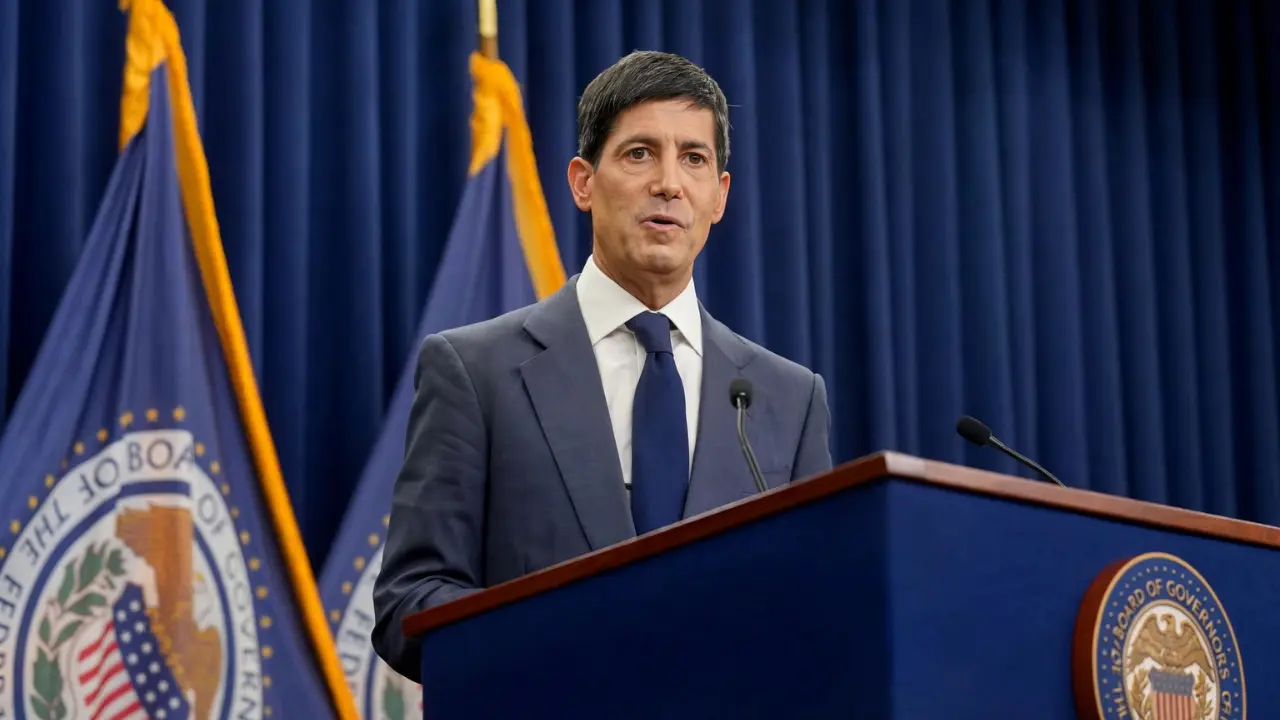
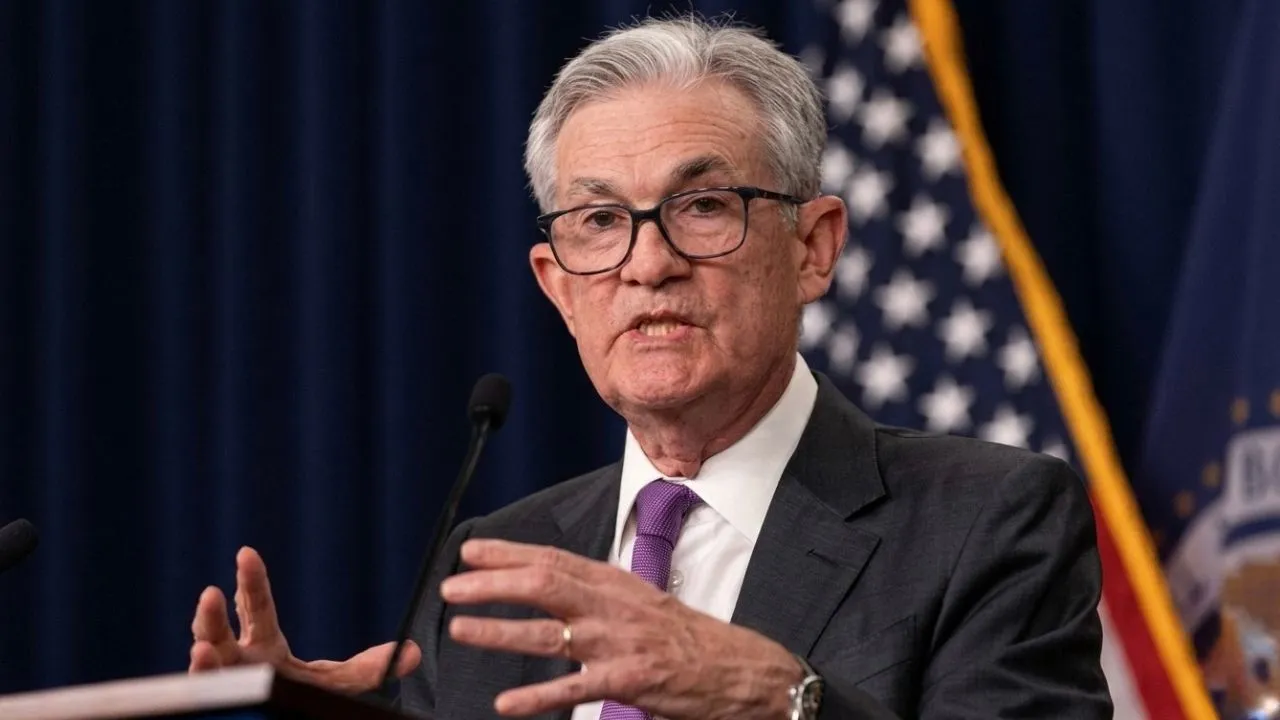
That matters now because Federal Reserve Chair Kevin Warsh said in his Jackson Hole keynote remarks that inflation remains too high and that the recent rise in commodity prices “bears watching.” The Fed must decide whether the latest energy shock is temporary or is creating a broader inflation risk.
Bond investors have reacted quickly. The 10-year Treasury yield briefly moved above 4.81% on Wednesday, reaching its highest area since late 2023 before easing later in the session.
Higher Treasury yields can feed into borrowing costs across the economy, including mortgages and business loans. Readers can follow those moves through Investozora’s U.S. Economy Dashboard and its deeper explanation of why Treasury yields rise when inflation and interest-rate expectations change. The biggest shift, however, is in expectations for the Fed.
Before Warsh’s Jackson Hole speech, markets were pricing only about a 35% chance of a September increase. Those odds jumped after his remarks and continued climbing as oil prices and Treasury yields moved higher.
By Wednesday, markets were assigning roughly a 70% probability to a quarter-point September rate hike, up sharply from about 37% one week earlier. That does not mean a rate hike is guaranteed. Market probabilities are expectations, not Federal Reserve decisions.
The Fed has not announced its September decision. Its official 2026 FOMC calendar shows that policymakers will meet on September 15 and 16. The current target range remains 3.50% to 3.75% after the Federal Reserve’s July 29 policy decision kept rates unchanged. Three policymakers dissented at that meeting because they preferred a quarter-point increase.
That split matters. It shows there was already support for tighter policy before the latest rise in oil prices. Investozora’s analysis of the September Fed rate decision and rate-hike outlook explains why the coming inflation and employment data could determine which side of that debate gains support. The complication for the Fed is that the labor market is not sending the same strong signal as inflation.
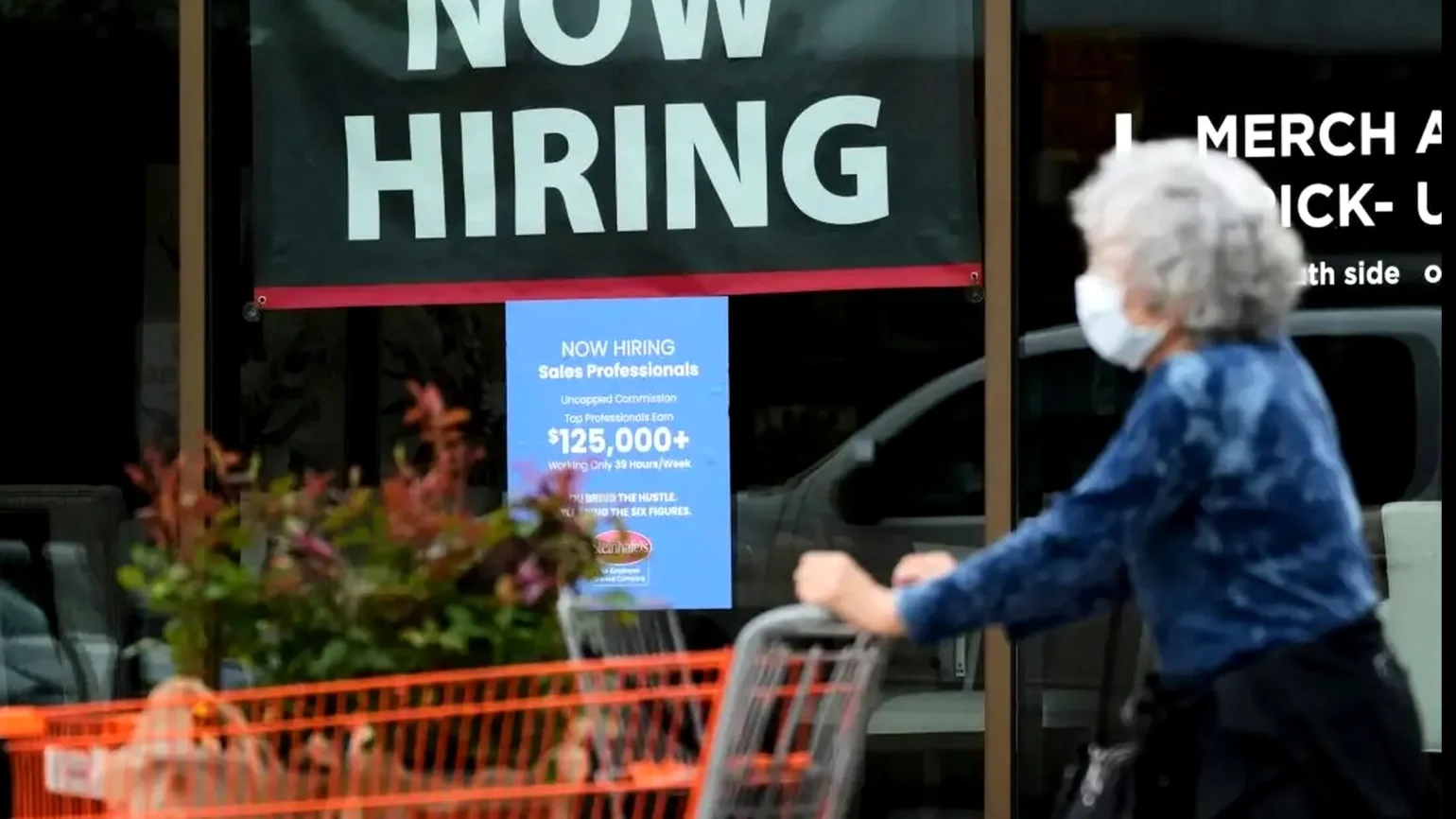
Private employers added only 38,000 jobs in August, according to the ADP National Employment Report released Wednesday. ADP said it was the slowest pace of private-sector job creation since January. Manufacturing lost 17,000 jobs, while professional and business services lost 16,000. Education and health services added 45,000.
Official government data released Tuesday also showed a cooler labor market. The Bureau of Labor Statistics July JOLTS report showed 7.3 million job openings, while hires and total separations were both about 5.1 million. Quits were little changed at 3.1 million. Investozora’s analysis of July’s 7.3 million U.S. job openings looks more closely at what those numbers say about hiring demand.
That follows an already weak July employment report. Nonfarm payroll employment fell by 23,000 in July while the unemployment rate remained at 4.1%. The next major test arrives Friday. The BLS Employment Situation release calendar confirms that the August jobs report is scheduled for September 4 at 8:30 a.m. Eastern Time.
The picture is not uniformly weak. The Census Bureau scheduled its full July Manufacturers’ Shipments, Inventories and Orders report for Wednesday, while manufacturing surveys continue to show expansion.
The August ISM Manufacturing PMI report came in at 54.6. Readings above 50 normally signal expansion, although the index slipped from 55.6 in July. ISM’s prices index remained much hotter at 71.1, another sign that manufacturers are still facing strong cost pressure. For households and investors, the key issue is now whether the oil shock lasts.
If crude remains near current levels or moves higher, inflation fears could keep pressure on Treasury yields and strengthen the argument for another Fed increase. That would matter beyond Wall Street because longer-term Treasury yields help shape financing conditions across mortgages, corporate debt and other parts of the economy.
But that outcome is not settled. If energy prices ease and Friday’s employment report shows sharper labor-market weakness, expectations for a September hike could fall again. The Fed will still have to weigh inflation against its employment mandate rather than react to any single market move.
That is what makes the current setup unusual. Oil prices and bond yields are warning about renewed inflation pressure just as employment data are pointing toward softer hiring.
For now, the U.S. economy is caught between those two forces. Oil near $96, the 10-year Treasury yield around 4.8% and a roughly 70% market-implied chance of a September rate hike are all pointing to tighter financial conditions. Friday’s jobs report could either strengthen that signal or challenge it before Fed officials make their decision on September 16.