

The Federal Reserve’s Federal Open Market Committee is scheduled to convene its two-day June 2026 policy meeting on June 16 and 17, with the official rate statement and press conference set for June 17 at 2:00 PM ET, as confirmed at federalreserve.gov.
The Fed rate decision scheduled for June 18 will reset the yield floor for every savings account, certificate of deposit, and money market fund in the United States. This is not a forecast. This is the structural mechanics of how the American banking system works.
The federal funds target rate, set exclusively by the Federal Open Market Committee, determines what banks pay you to hold your money. When that rate moves, your savings rate follows within 48 to 72 hours. Every hour you wait after the announcement is an hour the banking sector uses to quietly reprice your yield downward without telling you.
The average American has no idea this window exists. Most people discover it two weeks too late, after their high-yield savings account already dropped from 4.85% to 4.10% with a three-sentence email from their bank. The people who act in the 48-hour window before the announcement lock in higher rates on certificates of deposit and Treasury instruments before those floors collapse.
What the June 17 Decision Actually Controls
The FOMC sets the federal funds rate, which is the overnight lending rate between banks. That rate transmits directly into the prime rate, which is the benchmark every commercial bank uses to price its consumer products, including savings accounts, home equity lines, and credit cards. The prime rate has moved in lockstep with the federal funds rate for four consecutive decades.
When the FOMC raises rates, prime rises immediately. When the FOMC cuts, prime falls and banks begin compressing deposit yields within 72 hours. Understanding this transmission mechanism is the difference between a consumer who acts and a consumer who reacts.
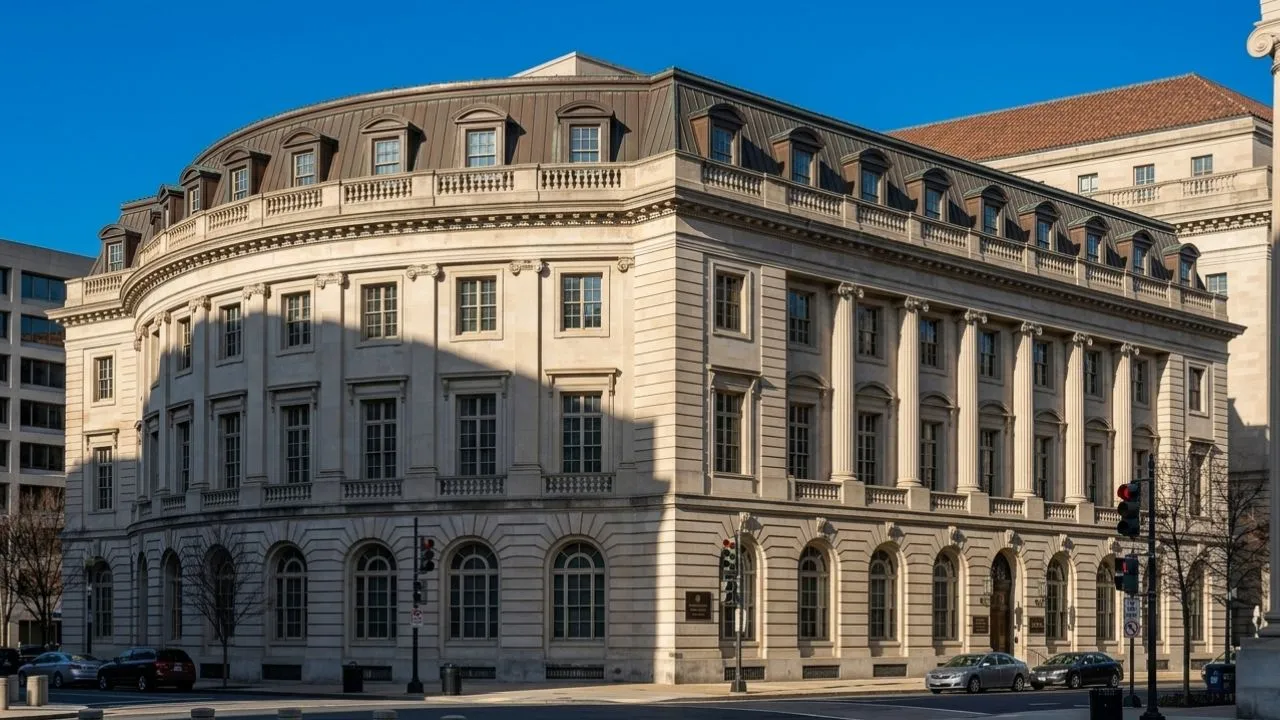
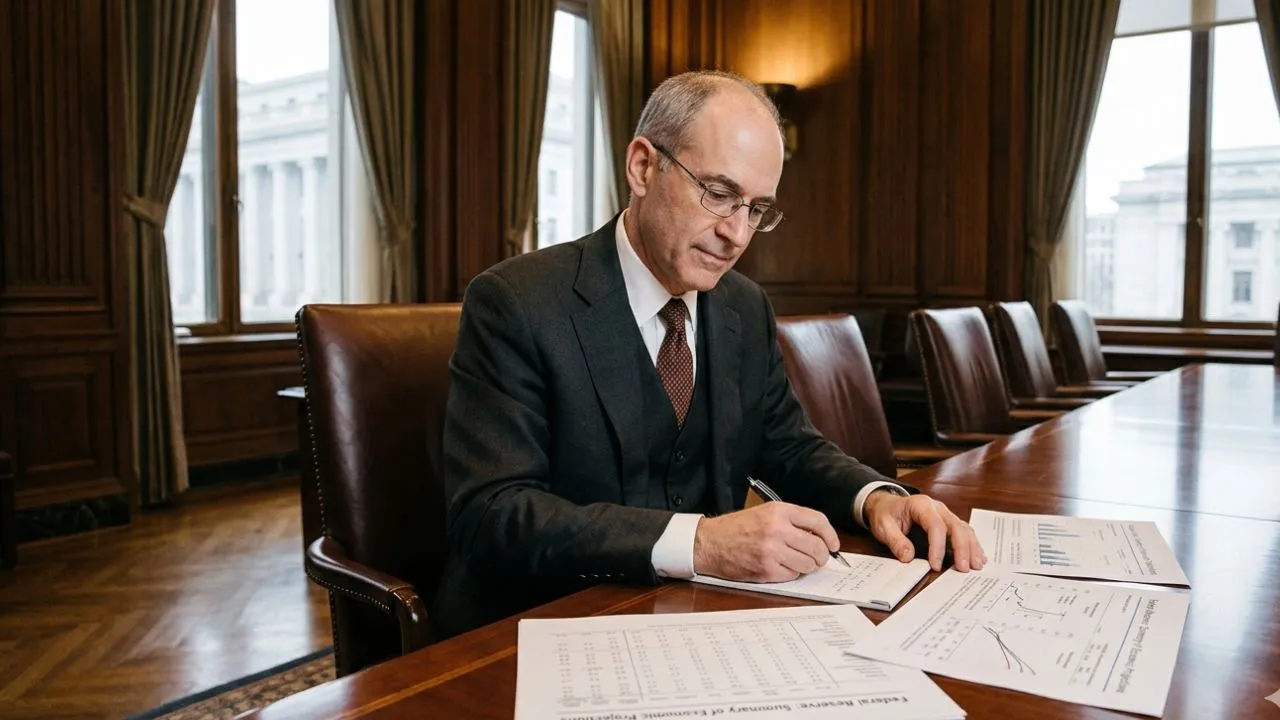

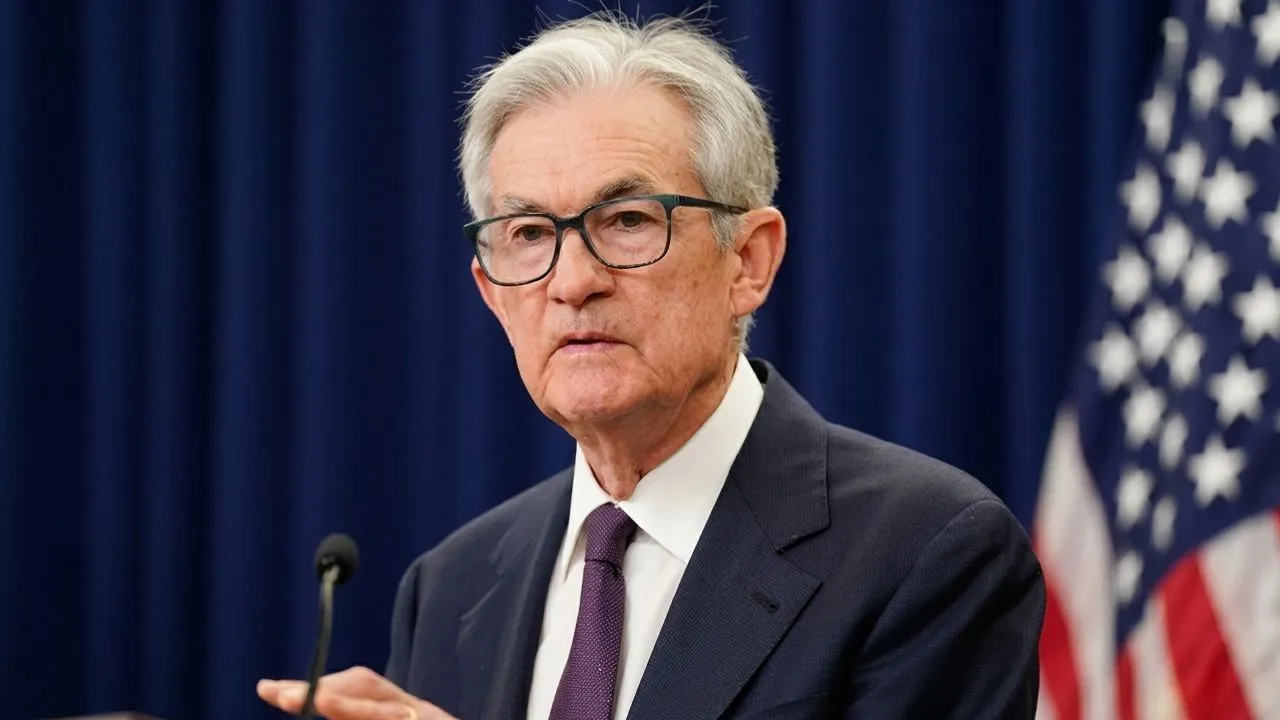
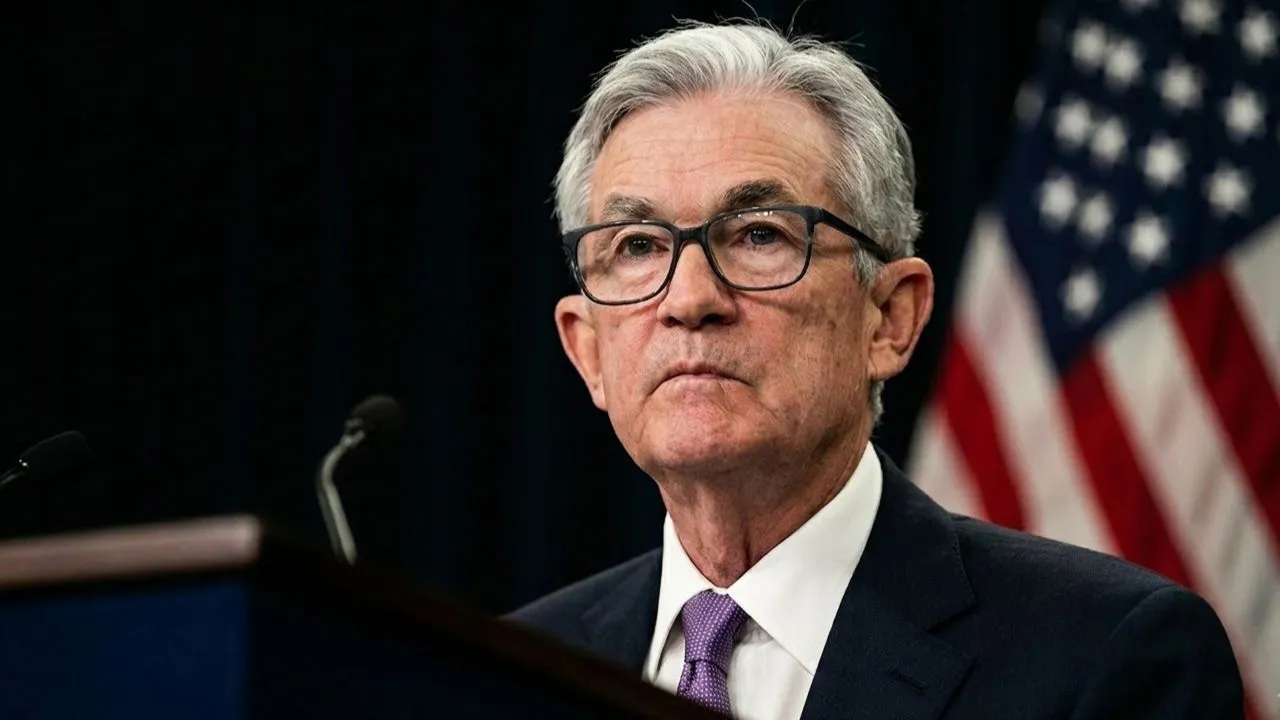
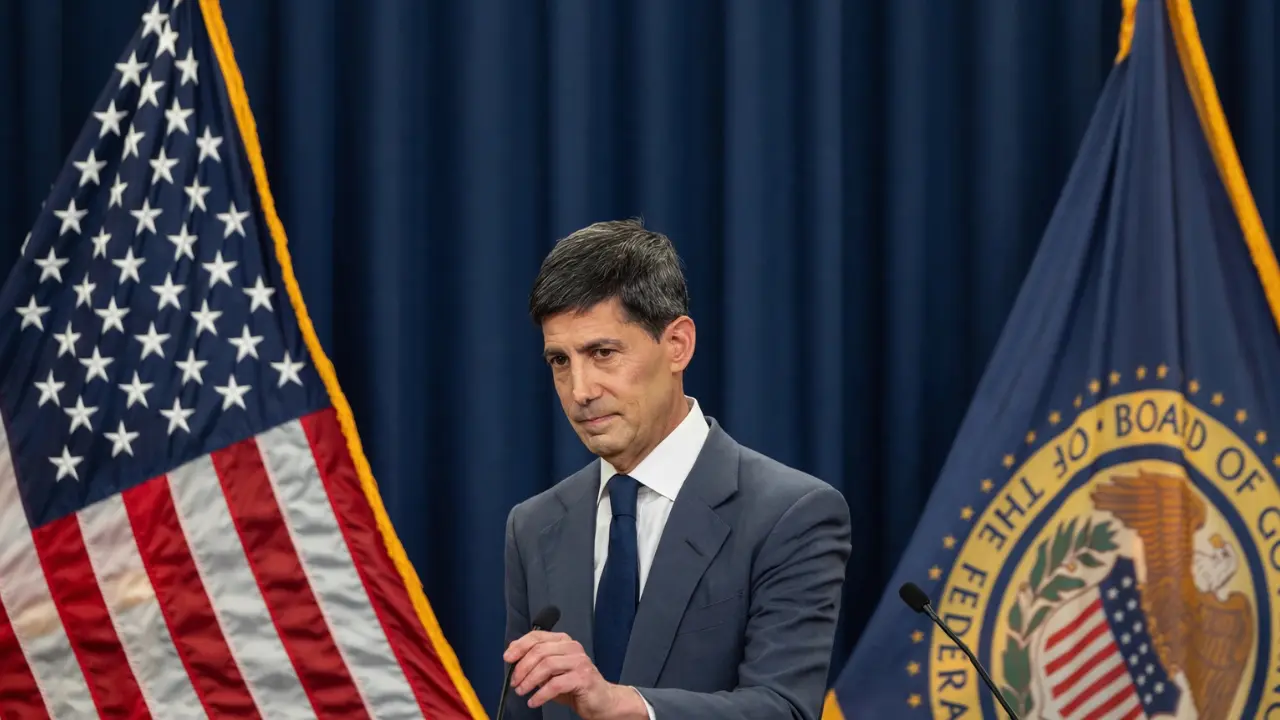
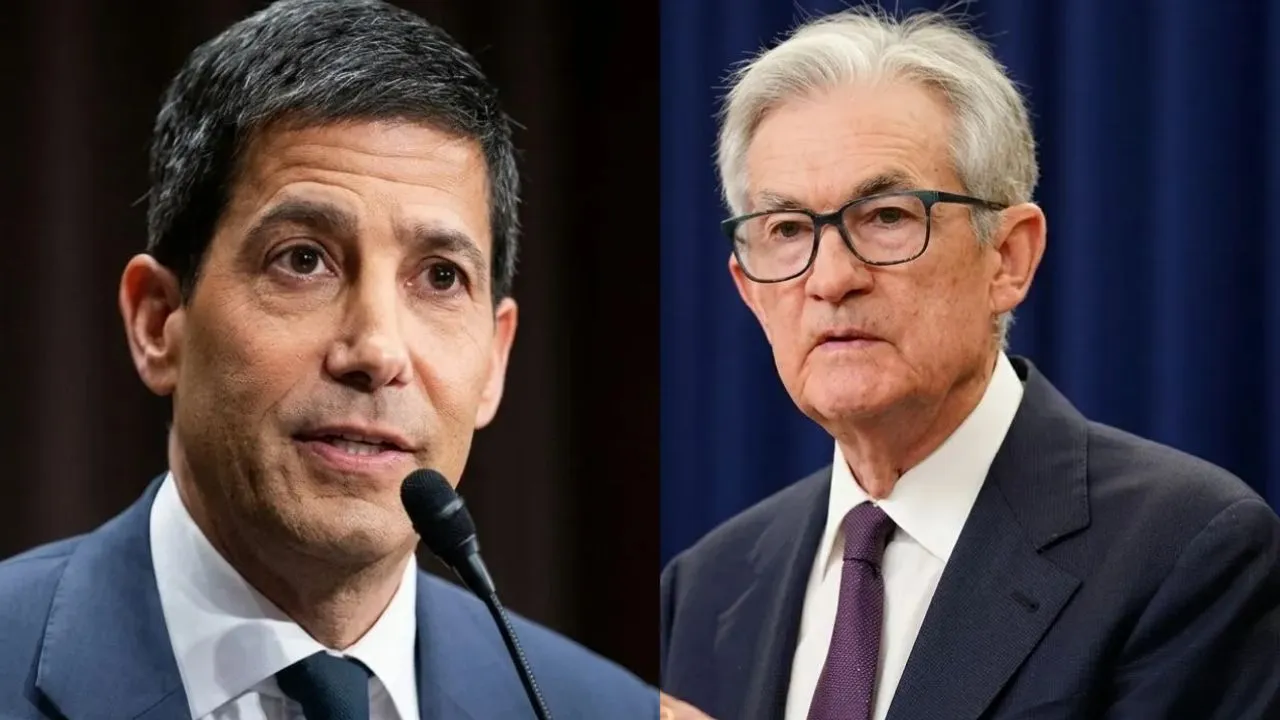
The June 18 meeting is the first full rate decision under Federal Reserve Chair Kevin Warsh, confirmed by the Senate in May 2026. Markets have been watching Warsh’s public signals closely. His prior commentary has leaned toward front-loading rate normalization rather than gradual easing, which creates a specific set of conditions for savers.
A hold decision preserves current yields. A cut decision triggers an immediate compression of high-yield savings account tiers. A surprise hike, which Kalshi prediction markets currently price at meaningful probability, would push yields higher for a brief window before credit market turbulence begins offsetting the gains.
You can track the evolving rate hike outlook through the FOMC minutes already released for 2026. The live press conference that follows the written policy statement matters more than the statement itself.
The written statement is a brief, legally precise document of roughly 500 words. The press conference is where Chair Warsh will signal the path forward for the remainder of 2026 and into 2027. Traders, bond desks, and bank asset-liability managers are not waiting for the statement. They are waiting for the press conference.
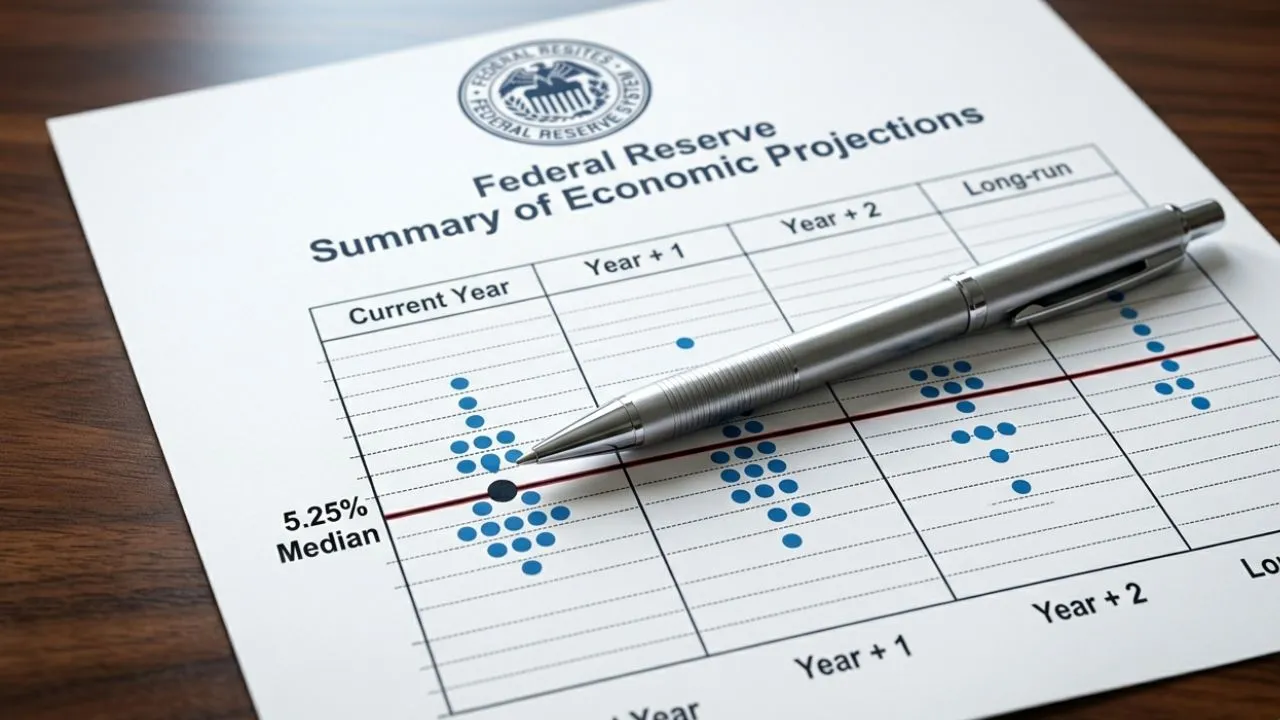
The dot plot, released simultaneously with the statement, shows where each FOMC member expects rates to land by year-end. The spread between the median dot and the market’s current pricing is where the real information lives for savers.
How the Dot Plot and Prediction Markets Already Know
The Fed’s dot plot is a public document. It is released alongside every quarterly Summary of Economic Projections. The most recent dot plot showed a median projection that conflicts with current market pricing by approximately 25 basis points for December 2026.
That gap represents real money for anyone holding a 12-month certificate of deposit versus a rolling 4-week Treasury bill position. CFTC-regulated prediction markets, including Kalshi, currently reflect a 62% probability of a hold and a 31% probability of a cut at the June 17 meeting.
These probabilities shift by the hour as economic data arrives. The May 2026 FOMC minutes, reviewed in detail at the FOMC May 20 analysis, showed meaningful internal disagreement about the pace of any future easing.
The strategic implication for an average saver is straightforward. If you hold cash in a standard savings account at a major retail bank, you are already losing ground. The national average savings rate from the FDIC is sitting near 0.45% annually.
High-yield savings accounts at online institutions are currently paying between 4.40% and 4.90% APY. A 6-month Treasury bill purchased directly through TreasuryDirect is yielding in a comparable range with the added structural advantage of being exempt from state and local income taxes.
The full mechanics of how the Fed’s decisions ripple into your bank balance are explained in the US money movement infrastructure guide covering every agency in the chain.
The window between now and June 17 at 2:00 PM ET is finite. Banks do not announce yield compressions in advance. They execute them quietly, usually on the Friday of the same week the announcement drops. Savers who move their cash into a 6-month or 12-month CD before the announcement lock in the current yield regardless of what Warsh says at the press conference.
Savers who wait until the statement is published are competing with millions of other Americans who just read the same news at the same moment. The savings rate impact breakdown shows exactly what prior FOMC decisions have done to deposit yields within 30 days of each announcement.
The most overlooked structural reality in personal finance is that savings rates are not set by your bank. They are set in Washington, in a room of 12 voting FOMC members, on a schedule published months in advance. The June 17 decision is on that schedule. You now know the date, the mechanism, and the window. What you do with that information before 2:00 PM on June 17 is entirely within your control.
What You Should Do Now
- Log into your bank’s website today and check the current APY on your savings account. Write it down. After June 18, compare it to what you are earning now.
- Open TreasuryDirect.gov and review the current yield on 26-week and 52-week Treasury bills before Thursday’s auction closes.
- Compare high-yield savings account rates at three online banks today. SoFi, Marcus, and Ally all publish current rates publicly. This takes 12 minutes.
- If you have more than $10,000 sitting in a standard checking account, move it before June 18. The Fed rate decision window closes the moment Warsh walks to the podium.
- Bookmark the June 16 Warsh rate impact article to monitor real-time updates after the announcement publishes.
The Fed rate decision on June 17 is a structural event, not a news story. Every American with a savings account will feel its effects. The only variable is whether you acted before or after the reset.