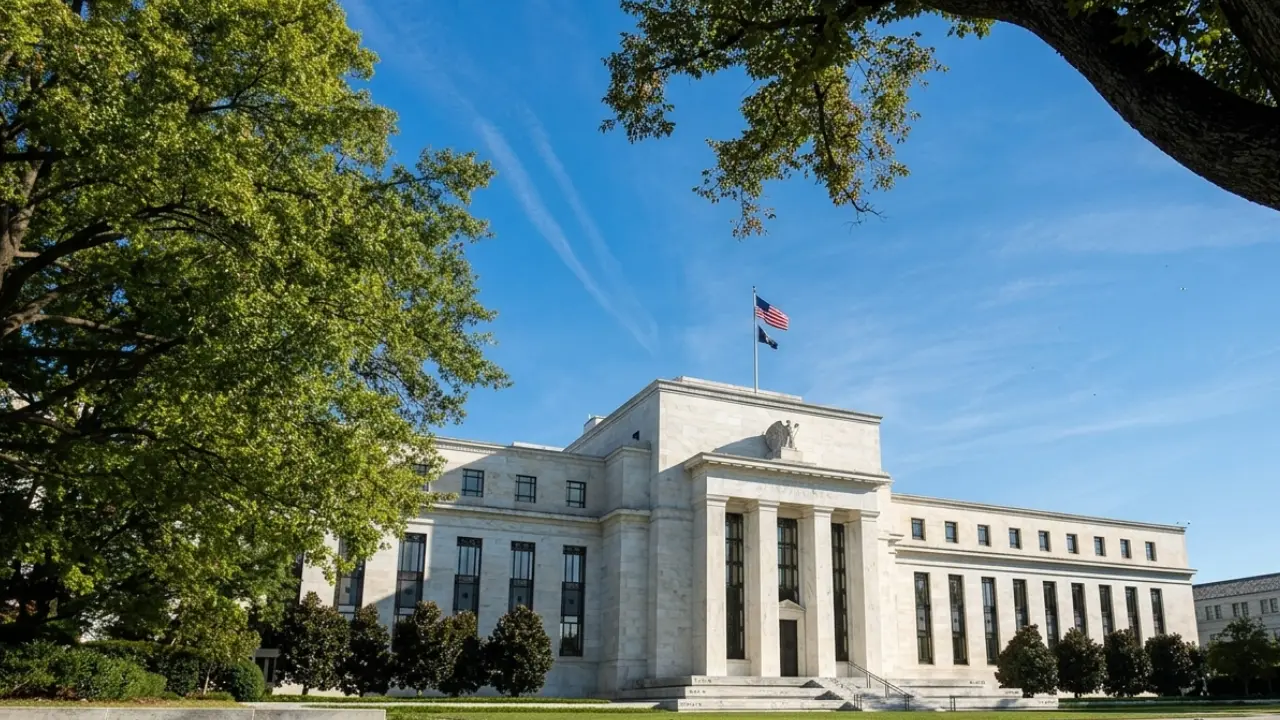

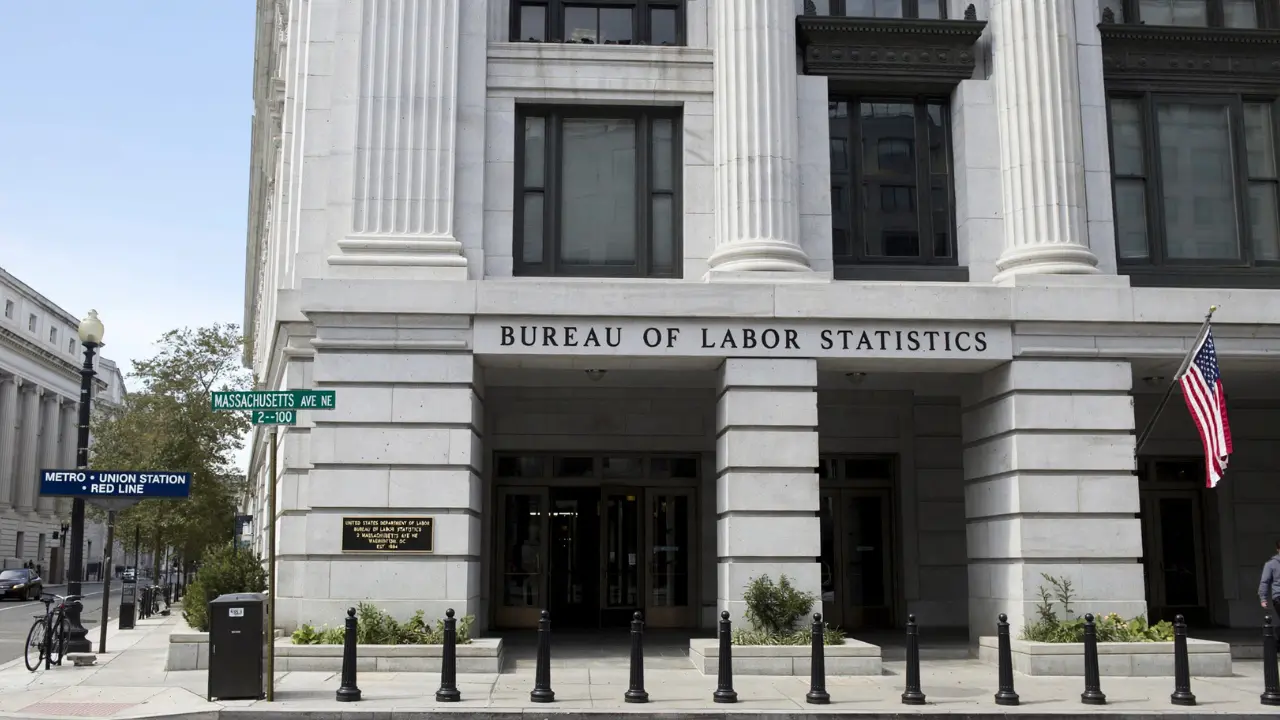
The Bureau of Labor Statistics will release its July Consumer Price Index report on August 12, a data point now carrying outsized weight after last week’s surprisingly weak jobs report left the Federal Reserve’s September rate path unsettled.
Whether inflation cooled again or rebounded on higher gasoline prices will likely determine which side of a divided Fed committee prevails when policymakers meet on September 16.
Why this report matters more than usual
Investors’ attention has shifted directly to July’s inflation picture following the jobs miss, with the CPI report due August 12 seen as the next major input into whether the Fed holds or moves rates at its September 16 meeting.
June’s report showed the largest month-over-month price decline in six years, driven by falling energy costs, though oil prices have moved higher again amid renewed tensions in the Middle East. Investozora’s CPI methodology guide walks through exactly what feeds into this number.
That reversal in energy costs is the central uncertainty heading into the July reading. A repeat of June’s cooling would reinforce the case for a hold, while a rebound driven by gasoline prices would revive arguments from Fed officials who favored a hike at the last meeting. Investozora’s earlier coverage of Hormuz tensions traces that specific energy-price channel back to its geopolitical source.
The competing signals the Fed is weighing
The Federal Open Market Committee held rates steady 9-3 at its most recent meeting, with three dissenting members arguing for an increase to fight inflation that has remained above the Fed’s 2% target.
That case weakened somewhat after the July jobs report showed a 23,000 job loss against a forecast gain of 83,000, compounded by 146,000 in downward revisions to prior months.
The two data points, inflation still running hot and a labor market now showing cracks, pull in opposite directions on the same rate decision, which is precisely why the July CPI report is being treated as a tiebreaker rather than a routine release. Investozora’s FOMC process guide explains how competing signals like these get weighed inside the committee.
What changed since June’s report
June’s CPI reading benefited from a short-lived ceasefire that temporarily suppressed oil prices, a condition that has since reversed. Economists surveyed ahead of the July release have generally cautioned that the June figure likely understated the underlying inflation trend, given that energy price relief of that scale rarely persists for a full month, let alone two.
That expectation is one reason forecasters treat July’s number as a more reliable read on where inflation is actually heading than June’s outlier reading.
What is confirmed versus uncertain
It is confirmed that the Bureau of Labor Statistics will publish July CPI data on August 12 and that the Federal Open Market Committee’s next scheduled meeting is September 16-17. It is not confirmed what that data will show, nor how the committee will vote once it has that data plus the August jobs report still to come.
Market-implied odds, currently favoring a hold, are a probability estimate from futures pricing, not a forecast with any guarantee attached. Last month’s reading is covered in Investozora’s PPI report from the prior cycle.
Who is affected
Every household holding variable-rate debt or short-term savings products is indirectly affected by the eventual rate decision, but the CPI report itself directly affects only how that decision gets made, not any payment due before September 16.
Readers who assume a hot or cool inflation report changes their rate immediately are conflating the data release with the policy decision it will inform three days before the meeting window even opens.
What happens next
Officially scheduled: July CPI on August 12; the August jobs report in early September; the FOMC decision on September 16-17. Conditional: the ultimate hold-hike-or-cut decision, pending both releases. Unknown: the specific CPI print itself, not yet available at the time of this report.