WASHINGTON — The Federal Reserve raised interest rates by 25 basis points to 3.75%–4.00% Wednesday, hours after new data showed U.S. retail sales jumping 1.2% in August and reinforcing signs of resilient consumer demand.
The increase was the Fed’s first rate hike since 2023 and lifted the benchmark range from 3.50%–3.75%. Policymakers approved the move unanimously, while new projections signaled that another quarter-point increase could follow before the end of 2026.
The increase followed a revised 0.5% decline in July and was stronger than private economists had expected. The narrower retail control group, which excludes automobiles, gasoline, building materials and food services, rose 1.4% from July, according to same-day reporting based on the new Commerce Department data.
That measure is closely watched because it strips out several volatile categories and feeds more directly into estimates of consumer spending in gross domestic product.
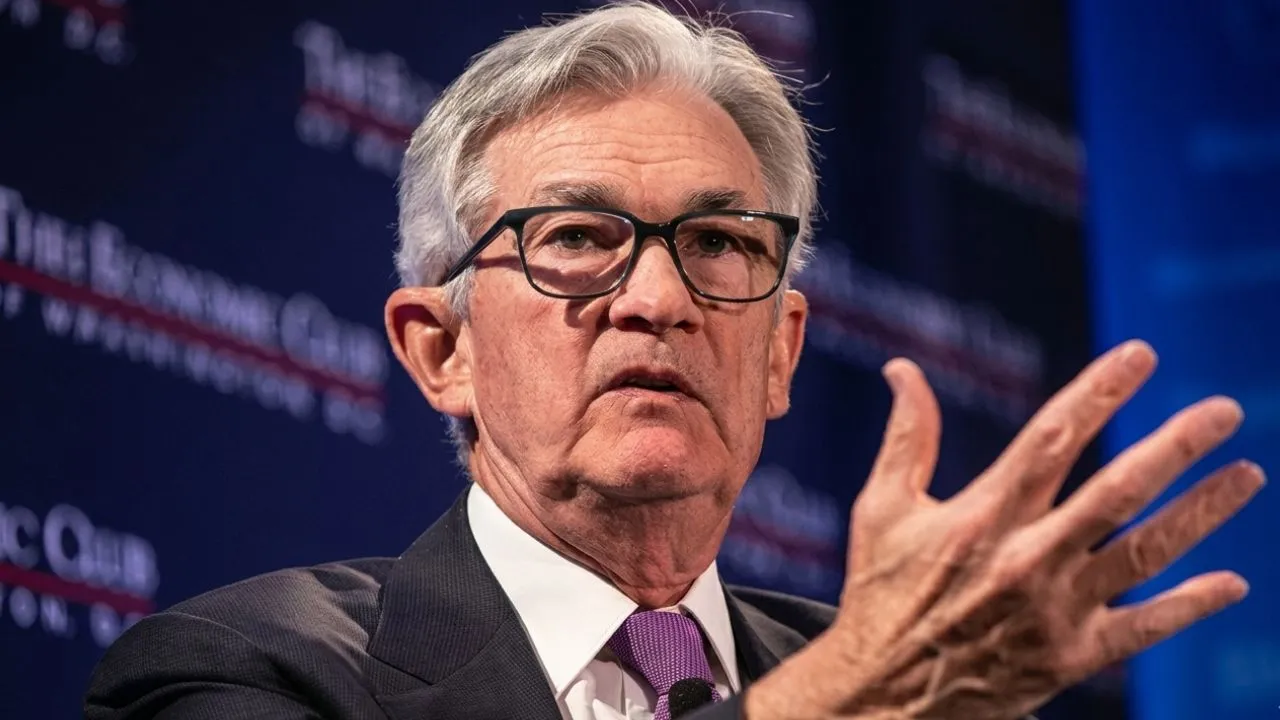
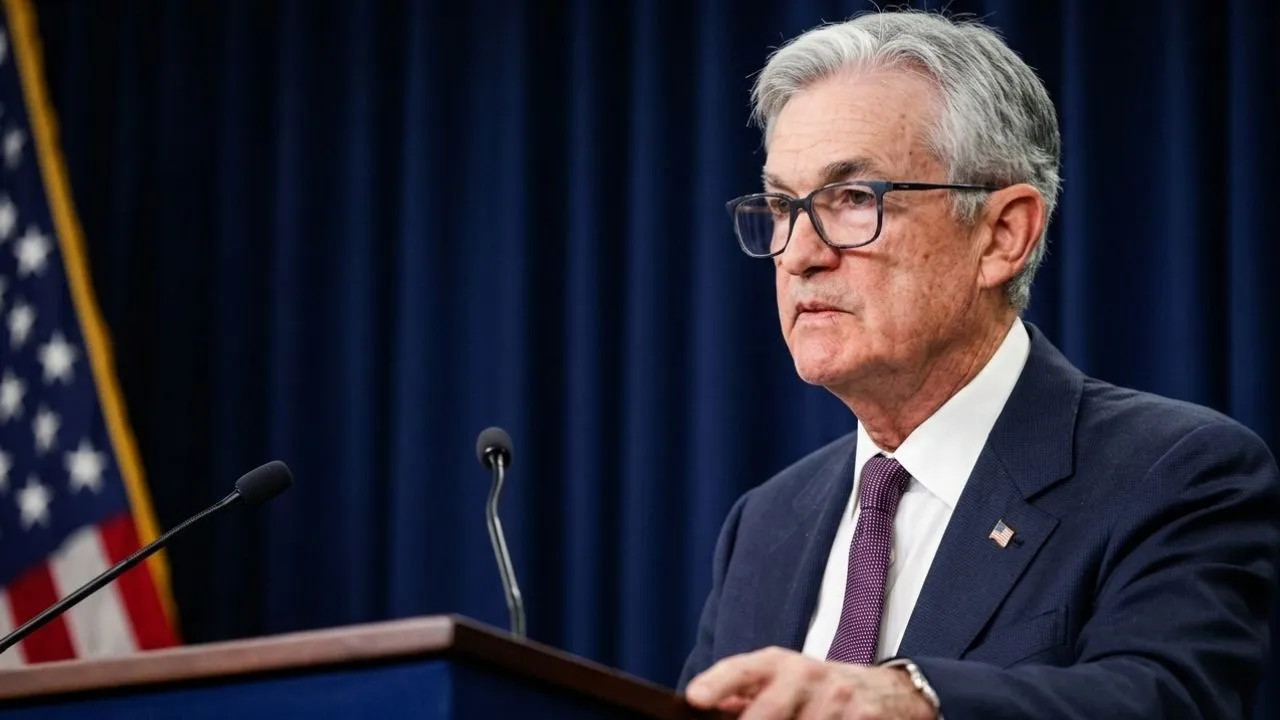
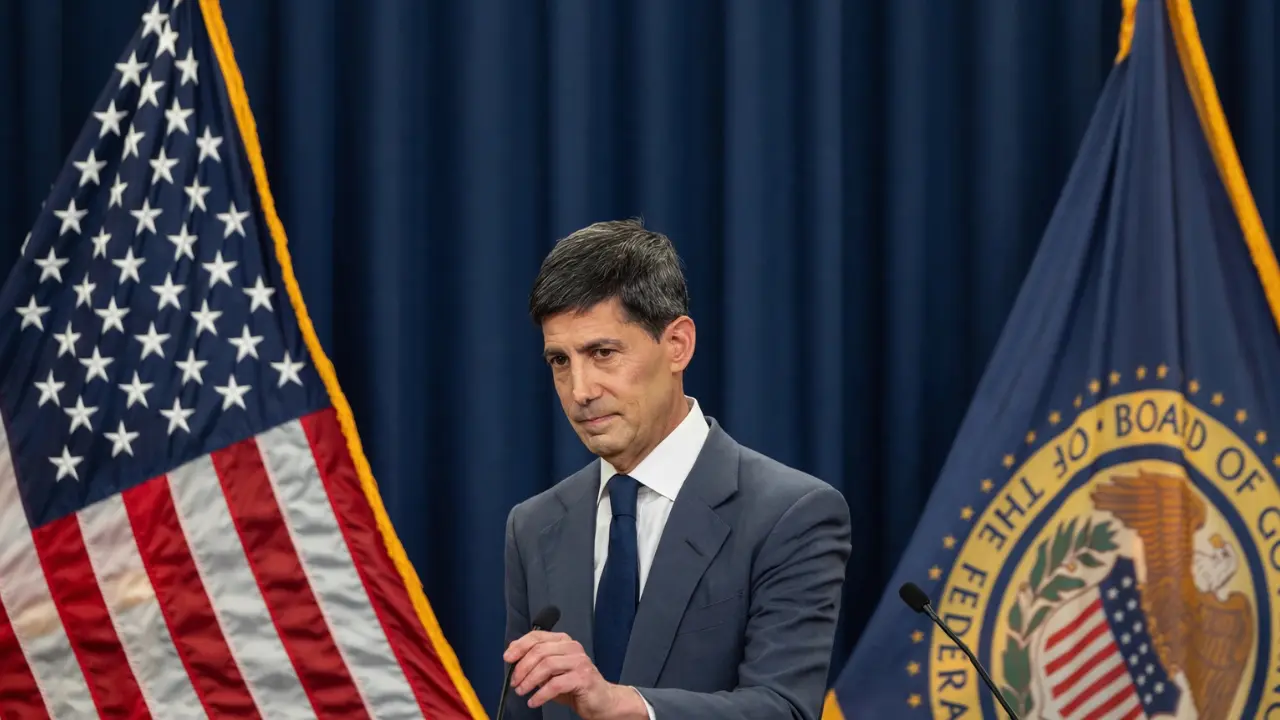
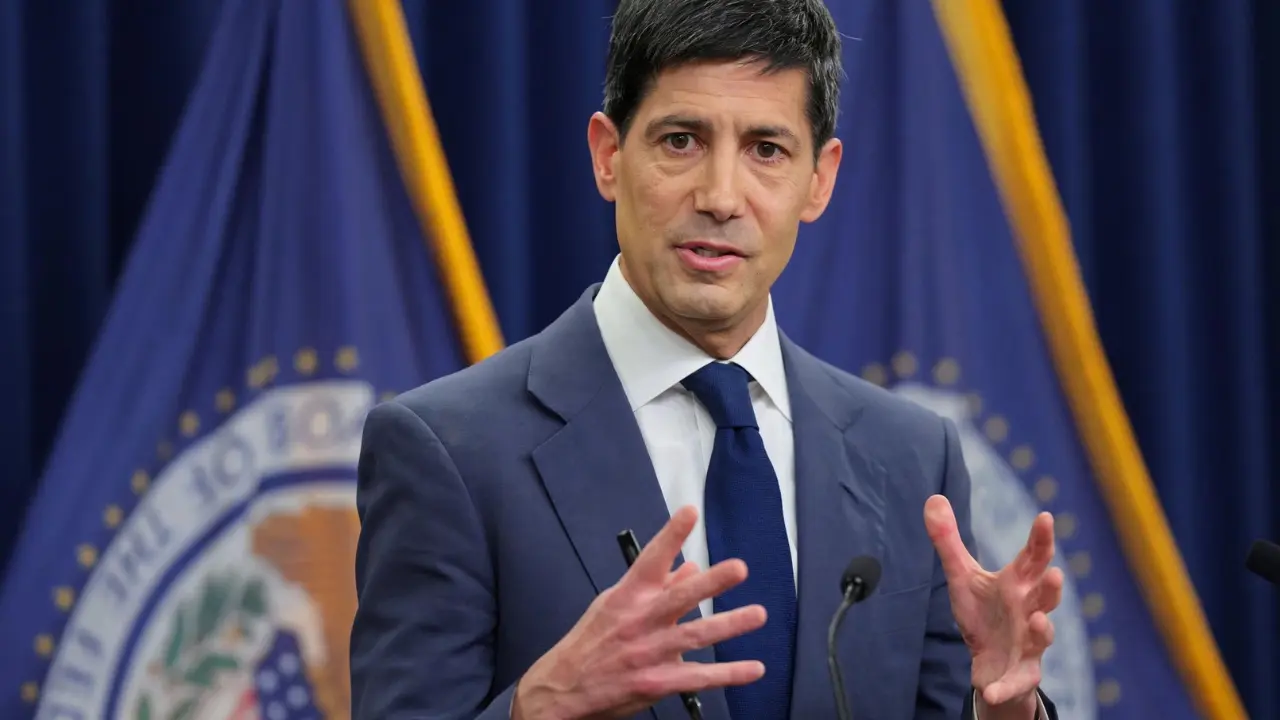
The timing made the report unusually important. The August retail-sales data arrived at 8:30 a.m. ET Wednesday, just 5½ hours before the Fed announced its quarter-point rate increase at 2 p.m. ET. Chair Kevin Warsh’s press conference followed at 2:30 p.m.
That put one of the day’s strongest economic releases directly in front of policymakers as they concluded their meeting. Retail sales did not determine the Fed’s decision, but the rebound added fresh evidence that consumer demand had not weakened sharply as officials weighed persistent inflation and the need for tighter policy.
The 1.4% figure also needs to be described carefully. “Core retail sales” is not one universal Census headline measure. In this article, the figure refers to the control group that excludes autos, gasoline, building materials and food services. Reuters reported that this group rose 1.4% in August after falling 0.4% in July. AP separately identified the same 1.4% control-group increase.
The broader 1.2% increase should not be read as a 1.2% rise in the amount of goods Americans actually bought. Census retail-sales estimates are reported in dollars and are adjusted for seasonal, holiday and trading-day differences, but not for price changes. The prior Census Bureau retail-sales release explicitly describes that methodology.
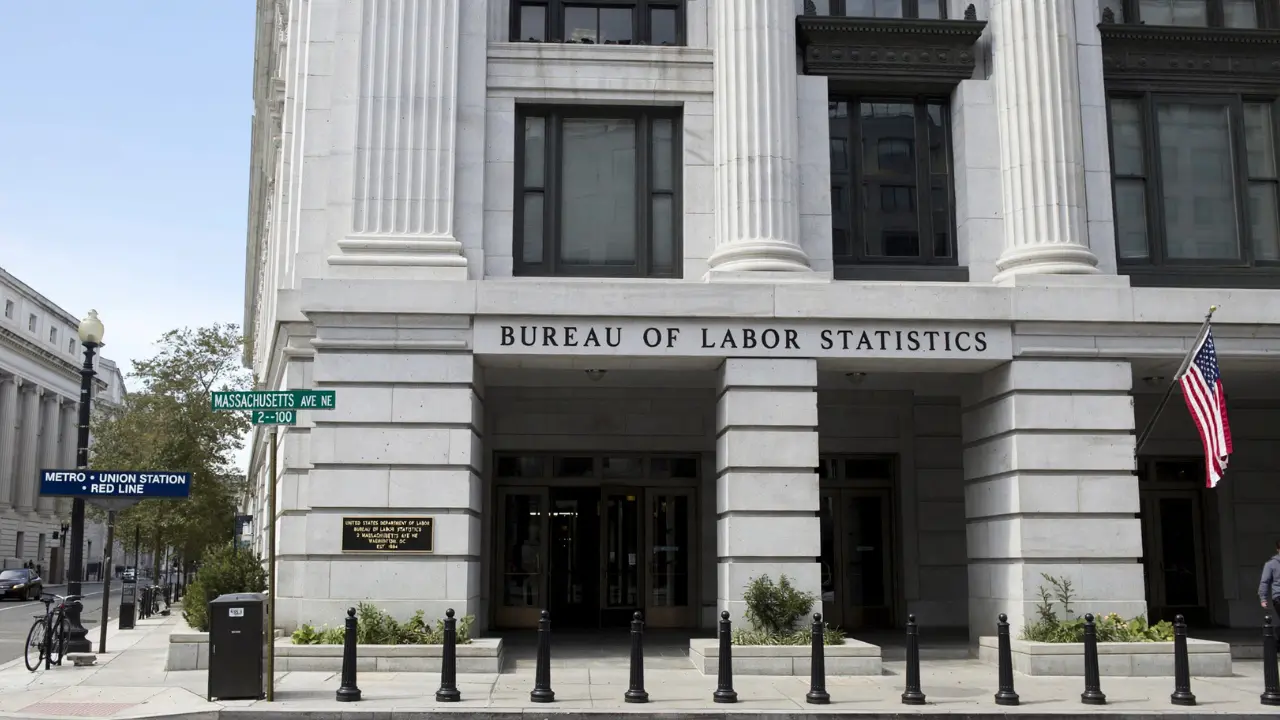
Prices were rising at the same time. The Bureau of Labor Statistics’ August CPI report showed consumer prices increasing 0.4% during August and 3.4% from a year earlier. Gasoline prices alone rose 3.9% during the month and accounted for more than one-third of the monthly CPI increase. Inflation excluding food and energy increased 0.3% for the month and 2.4% over 12 months.
That distinction matters because part of the increase in retail receipts reflects higher prices rather than additional physical purchases. It would also be incorrect to simply subtract the 0.4% CPI increase from the 1.2% retail-sales increase to produce a “real” retail-sales figure: the two measures cover different baskets and are constructed differently.
The stronger spending data also creates an important contrast with what households have been saying about the economy. Investozora previously reported that preliminary September consumer sentiment fell to 47.8 as inflation expectations rose. The two readings measure different things and different periods. Retail sales measure actual dollar spending during August, while the sentiment survey captures how consumers felt in early September.
The retail-sales rebound arrived against an inflation backdrop that ultimately contributed to a materially different September policy decision. At its July meeting, the FOMC kept the federal funds target range at 3.50% to 3.75% and said economic activity was expanding at a solid pace while inflation remained elevated relative to its 2% goal. The decision passed 9–3, with Beth Hammack, Neel Kashkari and Lorie Logan preferring a quarter-point rate increase.
Wednesday’s retail figures did not cause the Fed’s rate increase, but they removed one possible sign of near-term economic weakness: the sharp July drop in retail spending did not continue into August. The rebound instead showed resilient demand at a time when policymakers were already confronting elevated inflation.
That is why the retail report mattered for the Fed decision. It did not dictate the quarter-point increase and should not be treated as a direct Fed signal, but it strengthened the picture of an economy still generating solid demand despite elevated inflation.
The federal funds target range now stands at 3.75% to 4.00%, up from 3.50%–3.75%. Consumer borrowing costs, savings yields and Treasury yields do not move mechanically by the same amount, but Wednesday’s Fed increase resets the benchmark around which many financial conditions are evaluated.
The 2 p.m. decision delivered more than the rate increase. The Fed also released new economic projections showing that officials expect another increase before the end of 2026 and, at the median, rates remaining around 4.1% through 2027. Investozora’s September dot-plot analysis explains how that new path changes the longer-term rate outlook.
There is another reason to treat Wednesday’s numbers as new evidence rather than a final verdict. Census describes its most recent monthly figures as advance estimates that are later replaced by revised estimates based on a larger survey.
What changed at 8:30 a.m. was clear: retail spending rebounded sharply in August, with headline sales rising 1.2% and the narrower control group gaining 1.4%.
What changed at 2 p.m. was even more consequential. The Fed raised its benchmark range to 3.75%–4.00%, beginning its first tightening move in more than three years and signaling that another increase could follow before year-end.
The sequence makes September 16 unusual: strong consumer-spending data arrived only hours before the Fed restarted rate increases, putting resilient demand and persistent inflation at the center of the policy debate.