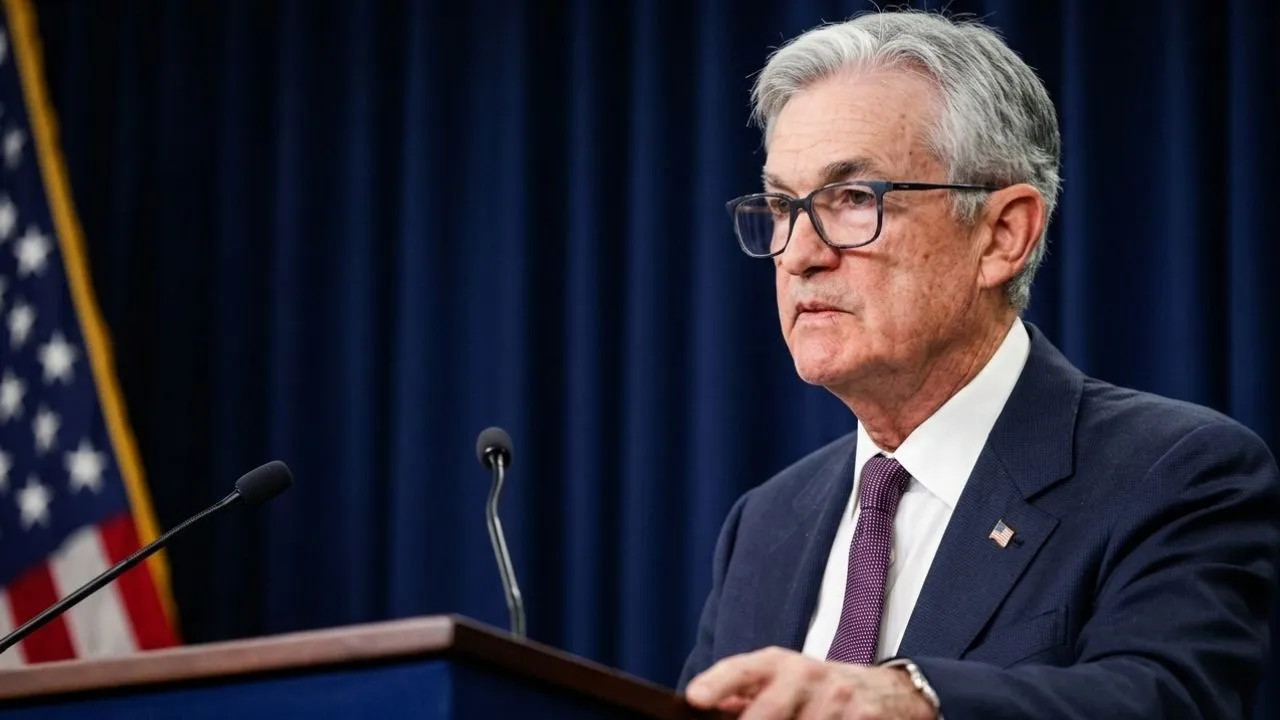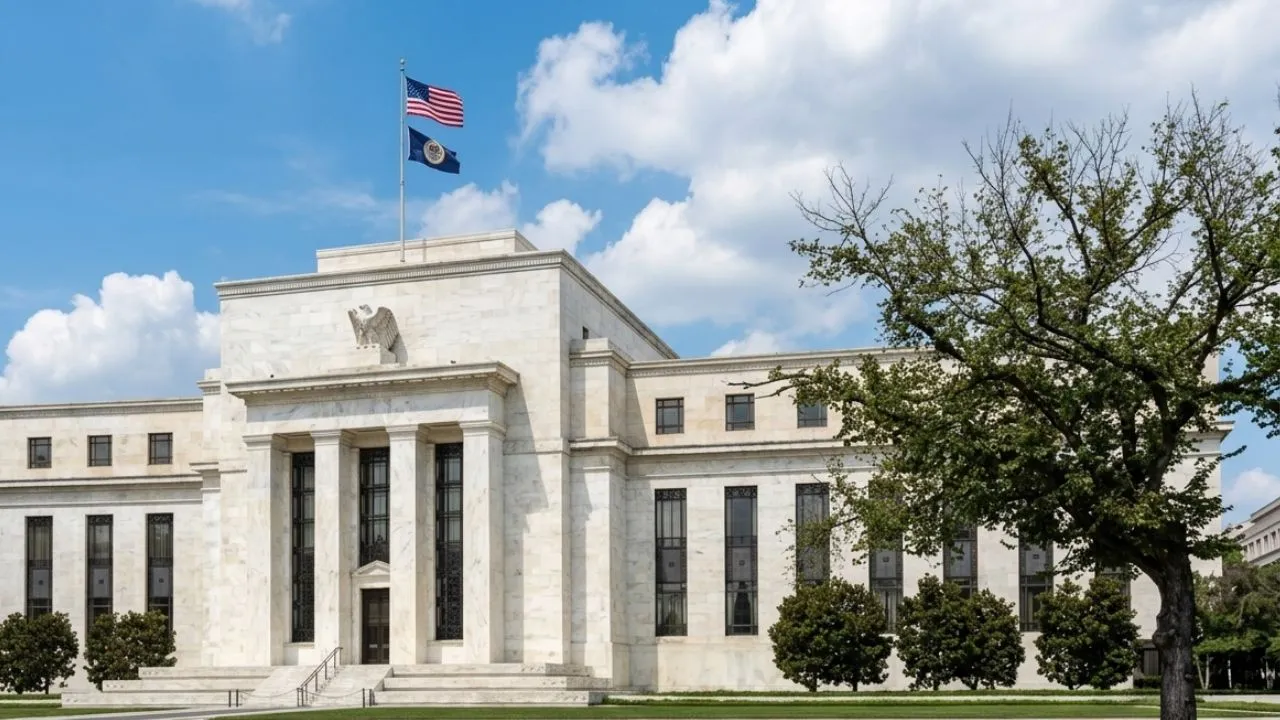

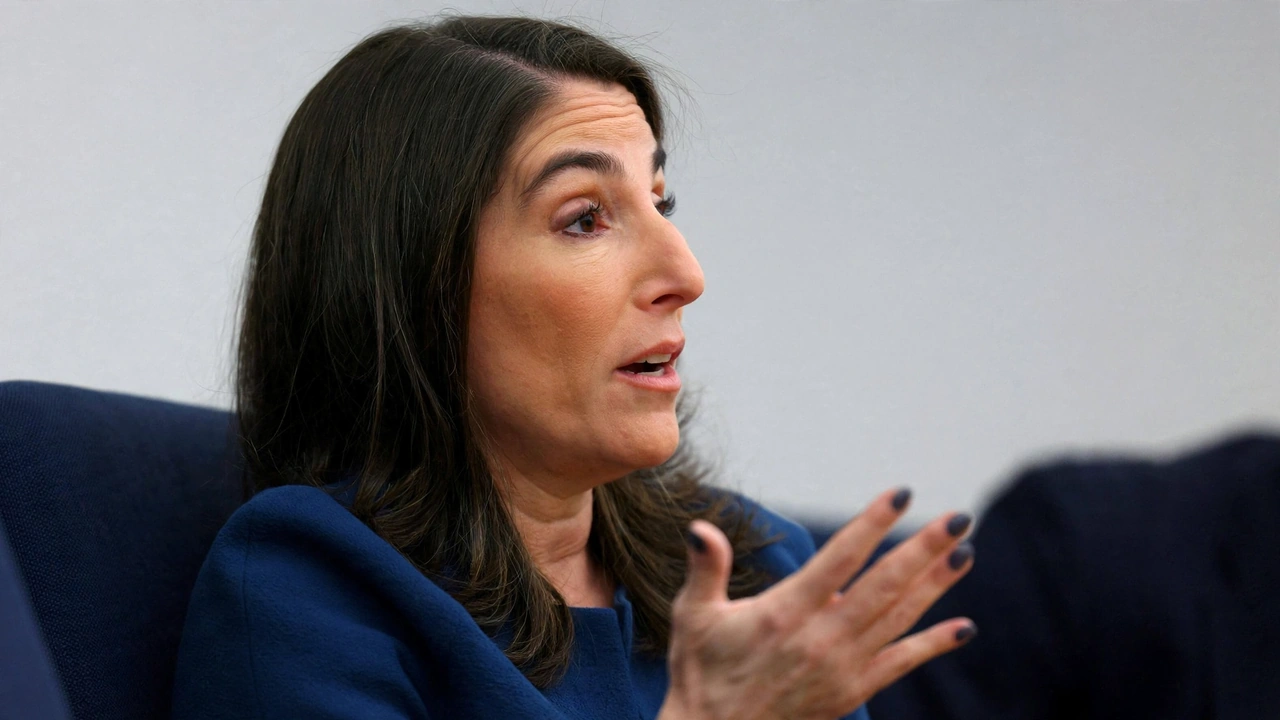
Cleveland Federal Reserve President Beth Hammack said Monday, October 12, that restrictive monetary policy is needed to bring inflation back to the central bank’s 2% target, arguing that persistent price pressures and resilient economic activity support maintaining tighter financial conditions.
Speaking at the National Association for Business Economics annual meeting in Cleveland, Ohio, Hammack said policymakers should generally favor smaller, relatively prompt interest-rate adjustments rather than risk having to make larger corrections later.
In her prepared remarks, Hammack emphasized that her policy outlook depends on incoming economic information rather than a predetermined interest-rate path. Her comments represented her individual assessment, not a new Federal Open Market Committee decision.
Inflation Remains Elevated
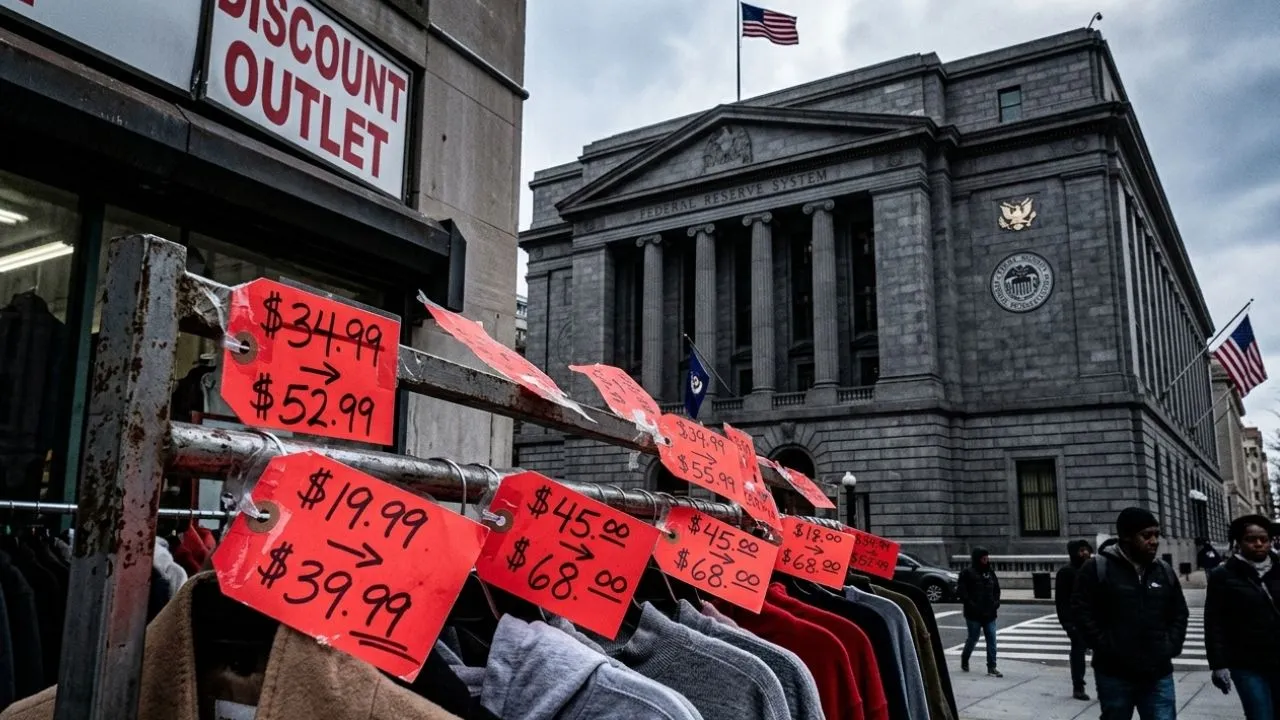
Hammack pointed to evidence that inflation pressures extend beyond energy prices. According to figures cited in her speech, headline personal consumption expenditures inflation reached 3.4% in August, compared with 2.7% a year earlier. Core PCE inflation, which excludes food and energy, stood at 3%, compared with 2.9% a year earlier.
Those readings were 1.4 and 1.0 percentage points above the Federal Reserve’s inflation target, respectively. Hammack identified several sources of pressure, including higher tariffs, energy costs, and demand for computer and electronic components associated with artificial intelligence investment.
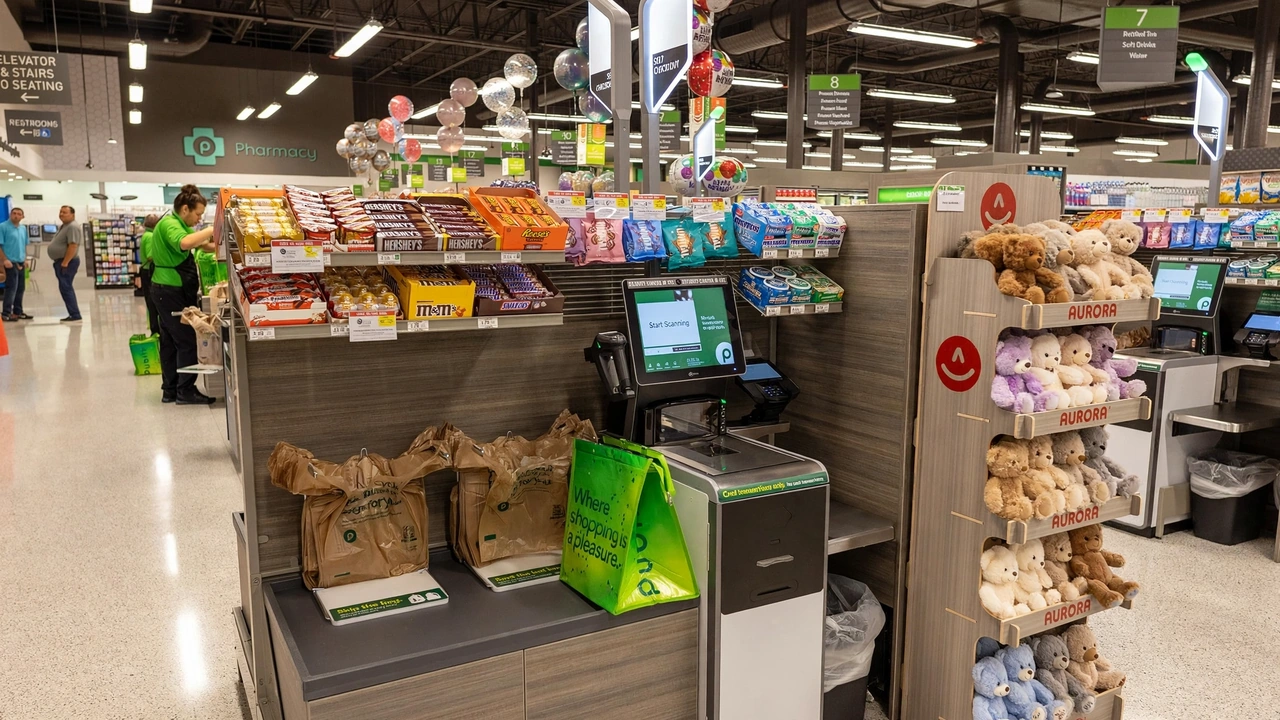
She also described reports from businesses facing higher costs for electricity, metals, plastics, health insurance, and other inputs. One concern was that repeated cost increases could influence how companies set future prices. Hammack described a retailer planning price increases larger than its current cost increases because it expected additional inflation.
That behavior matters because expectations of continuing inflation can encourage businesses to raise prices in anticipation of future costs, making price stability more difficult to restore.
Economy Supports Tightening
Hammack’s argument for restrictive policy also rested on her assessment that the labor market remains relatively stable. She cited unemployment of 4.2%, close to her estimate of maximum employment, alongside stronger payroll growth and relatively low unemployment insurance claims.
Economic activity also appeared resilient. Hammack described solid growth, continued consumer spending, and substantial capital investment in data centers and related equipment. Despite the recent increase in bond yields, she assessed overall financial conditions as neutral rather than sufficiently restrictive to restrain demand.
That distinction is important. Higher market interest rates do not necessarily mean the economy is experiencing enough restraint to reduce inflation, particularly when corporate earnings, investment, and spending remain strong. Her assessment suggests that additional monetary restraint may be necessary even after the rise in longer-term borrowing costs.
Earlier Warnings Reinforced
Hammack’s October remarks reinforced concerns she had expressed previously rather than establishing an entirely new position. In her July statement, she explained that she had dissented in favor of raising the federal funds rate because inflation remained too high and monetary policy was not sufficiently restrictive.
Her October speech added detail about the economic conditions shaping that assessment, particularly broadening inflation, business pricing expectations, and the strength of investment demand. The broader policy debate remains relevant as officials consider the possibility of another rate increase.
However, Hammack did not specify a particular rate increase or promise to support one at the next meeting. Her position also fits into the wider debate over future rate moves, as policymakers weigh persistent inflation against changes in employment and economic growth.
What Comes Next
Hammack made clear that her preference for restrictive policy was conditional. Convincing deterioration in employment conditions could justify a different policy response. Conversely, inflation remaining above her forecast or evidence of increasingly entrenched inflation expectations could strengthen the case for further tightening.
This creates an important distinction between advocating restrictive policy and committing to an immediate interest-rate increase. For borrowers, businesses, and investors, the comments reinforce the possibility that interest rates could remain elevated or rise further if inflation proves persistent. They do not establish when borrowing costs will change.
The next decisions will depend on incoming inflation figures, labor-market developments, financial conditions, and the assessments of other FOMC participants. Hammack’s central argument is that waiting too long to restrain persistent inflation could eventually require more aggressive action, while timely, measured adjustments may reduce that risk.