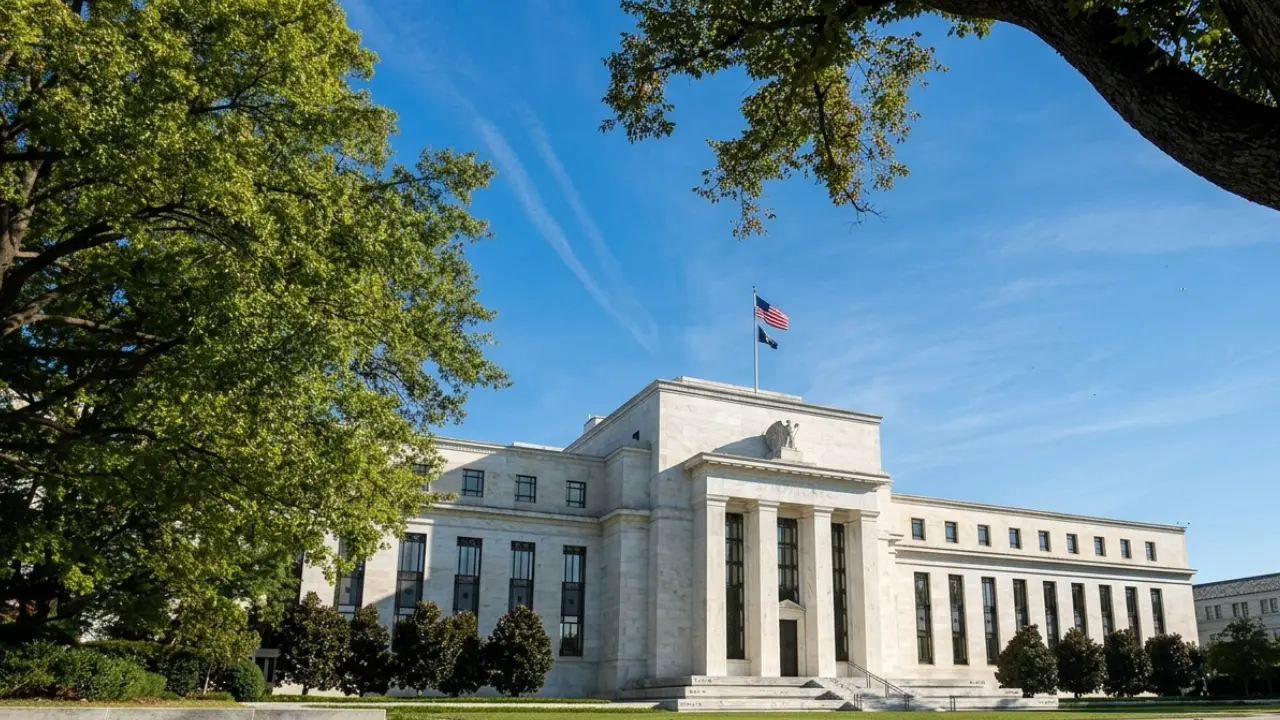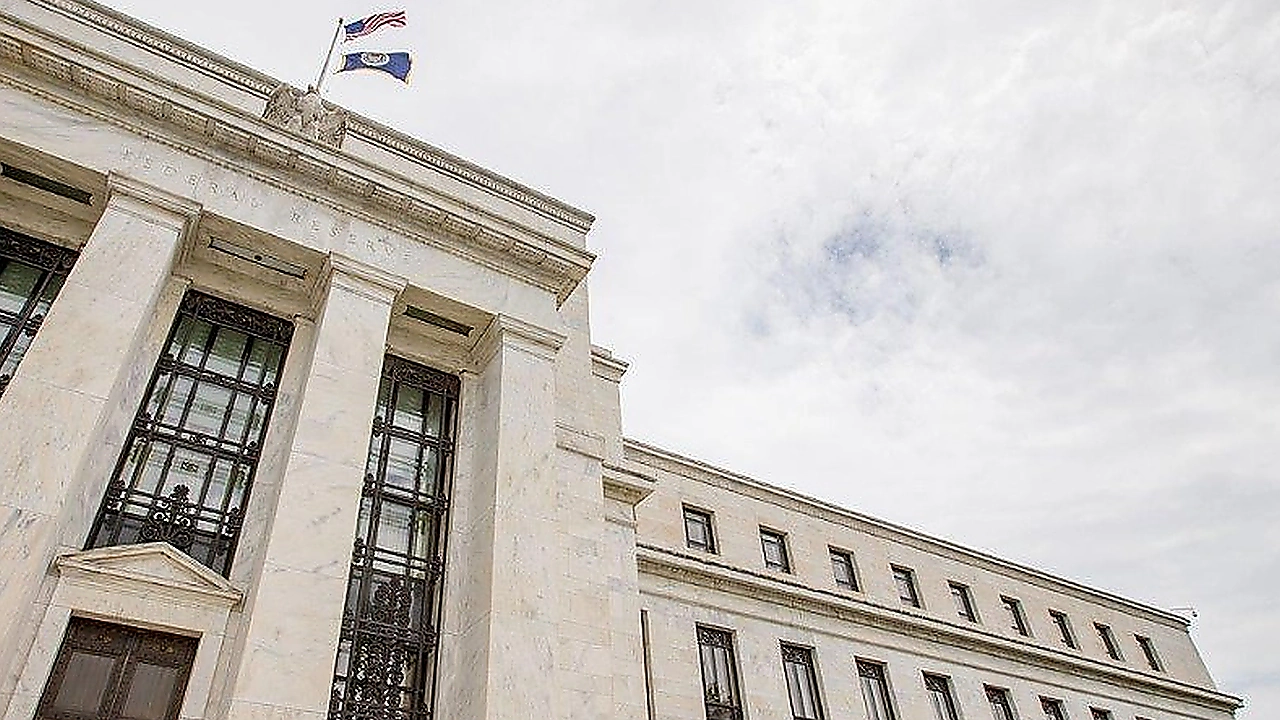


U.S. core inflation rose to 3.1% in September while headline PCE inflation reached 3.6%, exposing a widening gap between household spending in dollars and inflation-adjusted consumption just one day after the Federal Reserve held interest rates steady.
The Bureau of Economic Analysis reported Thursday, October 29, that the Personal Consumption Expenditures price index excluding food and energy increased 3.1% from September 2025. That compares with the 3.0% annual reading initially reported for August. On a monthly basis, core prices increased 0.3%.
The broader PCE price index rose 0.5% in September and 3.6% over the previous 12 months. The annual headline rate exceeded August’s previously reported 3.4%, leaving overall inflation further above the Federal Reserve’s 2% objective.
The most consequential finding in the official PCE release, however, extends beyond the headline inflation rate. Consumer spending increased 0.5% in current dollars, but inflation-adjusted spending rose by less than 0.1%. That divergence suggests much of September’s nominal spending growth reflected higher prices rather than a meaningful expansion in the quantity of goods and services consumed.
The report arrived after the Federal Open Market Committee voted 10–2 on October 28 to leave its benchmark federal funds rate at 3.75%–4%. The two dissenting policymakers, Lisa Cook and Beth Hammack, preferred a quarter-percentage-point increase, according to the official Fed statement.
The distinction in timing matters. The Fed’s decision preceded the publication of September’s PCE figures. The new inflation data can inform future policy discussions, but it did not cause the October 28 decision. The monthly increase in overall PCE prices accelerated from 0.3% in August to 0.5% in September, while monthly core inflation remained at 0.3%.
This difference points to stronger price pressure in categories included in headline inflation but excluded from the core measure. Food and energy are excluded from core PCE because their prices can fluctuate sharply, although both remain important expenses for households.
BEA’s spending figures provide additional context. Current-dollar expenditures on gasoline and other energy goods increased by $45.7 billion at a seasonally adjusted annual rate in September, making that category the largest positive contributor in the agency’s expenditure breakdown.
That figure measures the change in nominal spending, not the percentage increase in gasoline prices. It can reflect changes in prices, purchased quantities or both. The PCE price tables show a broader acceleration in overall consumer-price growth than in the core measure. They also show why the Federal Reserve must distinguish changes in volatile energy costs from persistent inflation across the wider economy.
Investozora previously examined the August inflation report and the implications of BEA’s annual data revisions. Those revisions matter when comparing inflation readings across releases, especially when previously published monthly estimates are subsequently updated.
Americans spent $113.1 billion more in September at seasonally adjusted annual rates, including increases of $35.1 billion on goods and $78.1 billion on services. Yet real personal consumption expenditures rose by just $2.6 billion at an annualized level, representing less than 0.1% monthly growth after inflation adjustments.
The difference is particularly important because consumer spending reported in current dollars can appear resilient even when households are purchasing little additional output. September’s nominal increase also slowed from August’s 0.9% gain to 0.5%. BEA’s latest release shows August real spending increased 0.5% on a revised basis, followed by virtually no growth in September.
The income figures reinforce the spending concern. Personal income increased 0.2%, while disposable personal income also gained 0.2%. After inflation, real disposable personal income fell 0.3%. Meanwhile, the personal saving rate declined to 3.8%, indicating that households saved a smaller share of disposable income during the month.
These figures do not establish that consumer spending is entering a sustained contraction. They show that September’s rise in nominal spending was much stronger than the corresponding expansion in real consumption. The Federal Reserve’s October statement characterized economic activity as expanding strongly while acknowledging that inflation remained elevated.
The September PCE data add another dimension to that assessment. Overall inflation accelerated, underlying price growth remained above the Fed’s objective, and inflation-adjusted household spending barely increased. In my assessment, the important policy question is not simply whether 3.1% core inflation is too high. It is whether future releases show persistent underlying price pressure alongside a meaningful slowdown in real household demand.
That combination could complicate the Fed’s choices because higher interest rates can restrain borrowing and spending without immediately reversing price increases already passing through the economy.
Investozora’s coverage of the October rate hold explains the disagreement among policymakers. Its examination of the Fed inflation target provides the longer-term policy framework, while its reporting on higher borrowing costs examines the implications for consumers.
The immediate conclusion is narrower than a prediction of another rate increase. September’s figures strengthen the evidence that inflation remains elevated, but a future Fed decision will depend on subsequent inflation readings, employment conditions, financial developments and policymakers’ assessment of the balance of risks.
What I will watch next is whether October brings slower headline inflation without a further weakening in real spending. BEA has scheduled its next Personal Income and Outlays report, covering October 2026, for November 25 at 8:30 a.m. Eastern. That release will provide another test of whether price pressures are easing and whether inflation-adjusted household demand is recovering.