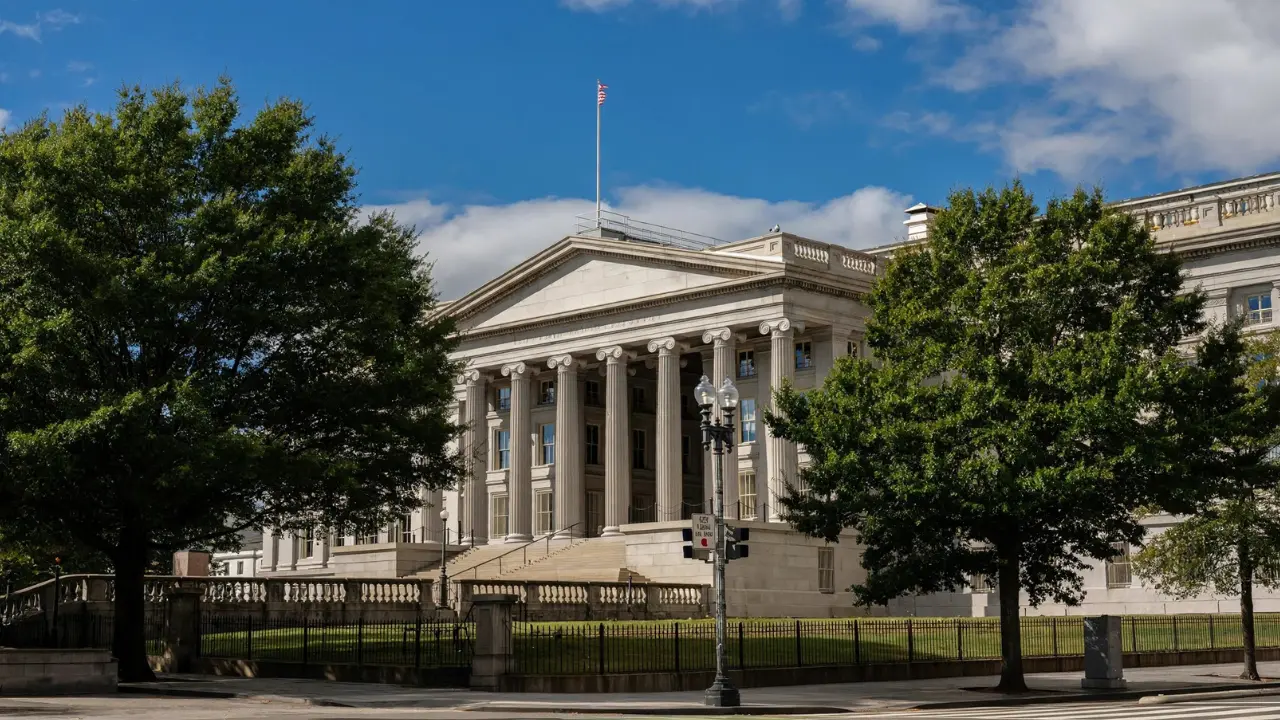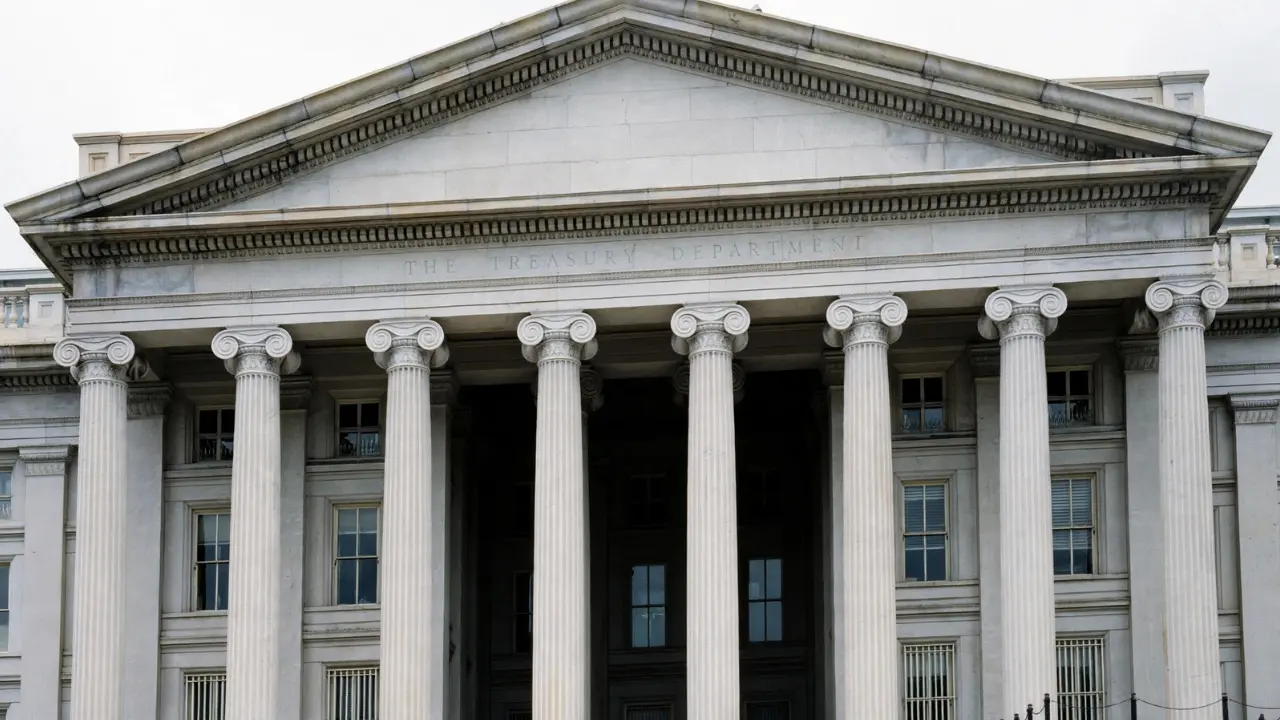

The U.S. Treasury Department sanctioned four Iranian individuals on November 20, targeting a network accused of handling oil sales, recovering overseas revenue and supporting organizations linked to Iran’s military. The action expands Washington’s campaign to restrict the Iranian government’s access to money generated from petroleum exports.
The four individuals are Mohammad Javad Bavand, Majid Taj, Mohammadhossein Servati and Mojtaba Arabnejad. Treasury’s official announcement identified their alleged roles, while the Office of Foreign Assets Control (OFAC) confirmed all four additions to its sanctions list.
The designations block property and interests in property belonging to the sanctioned individuals when those assets are in the United States or under the possession or control of U.S. persons. They also generally prohibit U.S. persons from conducting transactions involving blocked property unless an exemption or OFAC authorization applies.
The announcement is part of Operation Economic Outcast, a Treasury campaign launched on August 24 to disrupt Iran’s oil exports and overseas financial networks. It follows earlier Iran sanctions and additional measures against shipping and financial intermediaries accused of helping Tehran evade U.S. restrictions.
Treasury alleges that Bavand, a former Islamic Revolutionary Guard Corps intelligence officer, has directed efforts to recover Iranian oil revenue held in other countries. Majid Taj, identified by Treasury as the brother of the Iranian Football Federation’s president, allegedly worked within the same network to facilitate sales and recover funds.
According to the department, some intermediaries entrusted with Iranian oil transactions owe the government billions of dollars from earlier sales. Treasury says the government has continued relying on these networks despite concerns that some participants retained revenue for personal benefit.
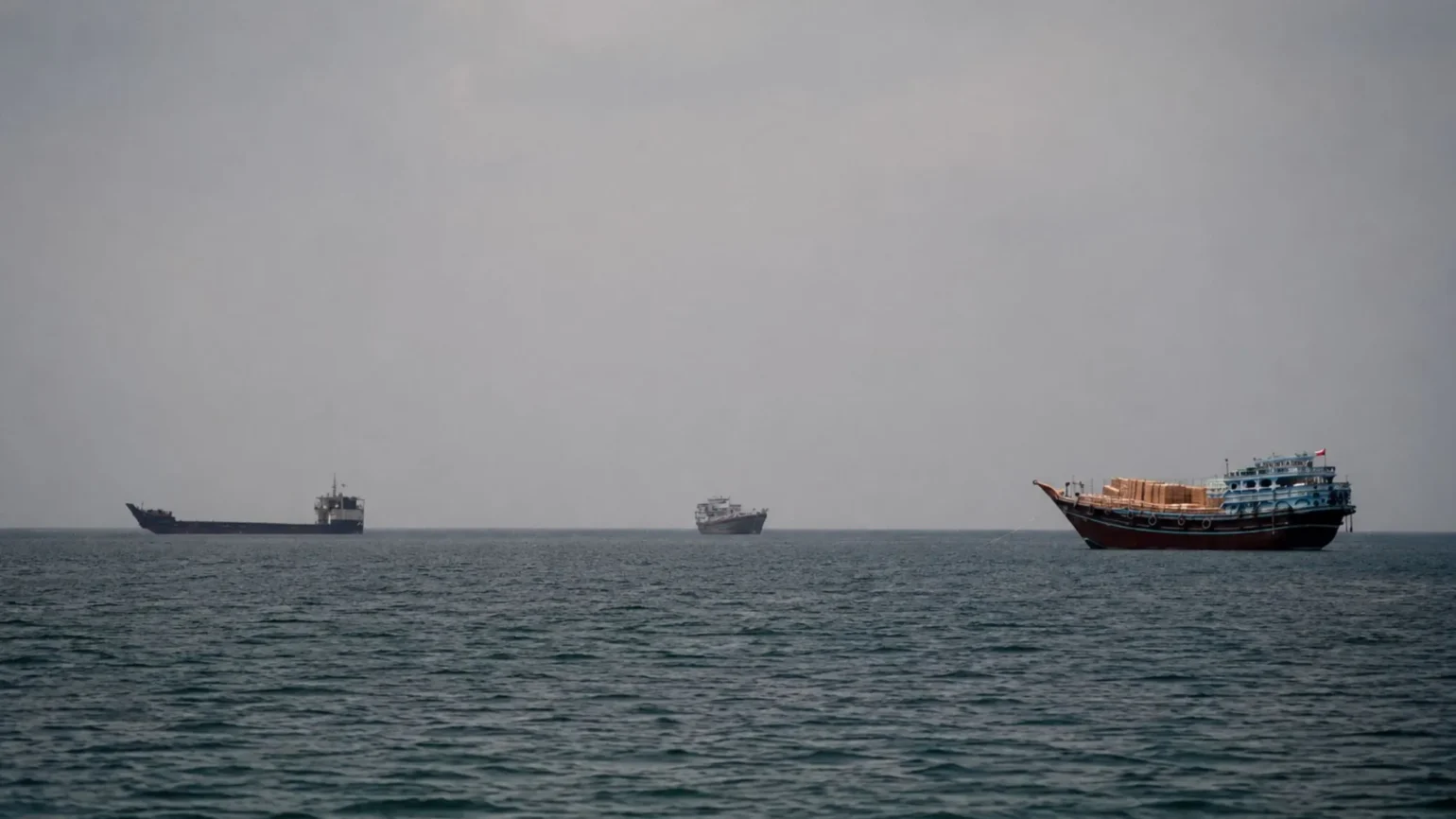
Bavand and Taj were designated under Executive Order 13902 for operating in Iran’s petroleum sector. Treasury’s account comes amid wider regional tensions that have affected Hormuz shipping and raised questions about the movement of crude oil through the Persian Gulf.
The other two designations involve connections to previously sanctioned organizations. Treasury says Mohammadhossein Servati held executive positions at businesses associated with Sepehr Energy Jahan Nama Pars Company, including Xin Rui Jin Trad Co., Limited, which allegedly handled Iranian oil shipments to smaller Chinese refineries.
Mojtaba Arabnejad, meanwhile, allegedly helped procure aircraft parts for Mahan Air and weapons for Iran’s military. Treasury also linked him to oil sales whose proceeds supported the airline, which is already subject to U.S. sanctions.
Servati and Arabnejad were designated under Executive Order 13224, as amended, for providing support to the respective sanctioned organizations. The distinctions matter because the four individuals were not all designated under the same legal authority or for identical conduct.
For companies and financial institutions, the immediate consequence is a wider set of prohibited dealings and potential sanctions exposure. Under OFAC’s rules, companies owned 50% or more, directly or indirectly and individually or in aggregate, by blocked persons are generally blocked even without a separate listing.
Foreign financial institutions may also face restrictions for knowingly facilitating certain significant transactions involving designated parties. The action follows other Treasury efforts against financial intermediaries and reinforces the risks facing businesses involved in Iran-related payments, shipping and trade.
The broader economic effect remains uncertain. Treasury’s announcement did not establish how much additional revenue the four individuals currently control, how much money the sanctions will prevent Iran from recovering, or whether the latest designations will independently change global oil prices.
Those uncertainties matter because oil markets are also responding to regional supply, tanker security and diplomatic developments affecting oil shipments. The sanctions establish new legal restrictions, but their effect on physical supply and international prices cannot be determined from the designation announcement alone.
The November 20 action leaves the four individuals subject to U.S. blocking restrictions unless their status changes through an authorized process. Further Treasury enforcement actions, changes to OFAC listings or documented developments involving the affected networks would provide the next concrete evidence of how the campaign is progressing.