

U.S. Treasury investigators have identified more than 20,000 potentially suspicious transactions linked to federal student aid programs, but the findings do not establish that $270 million was stolen.
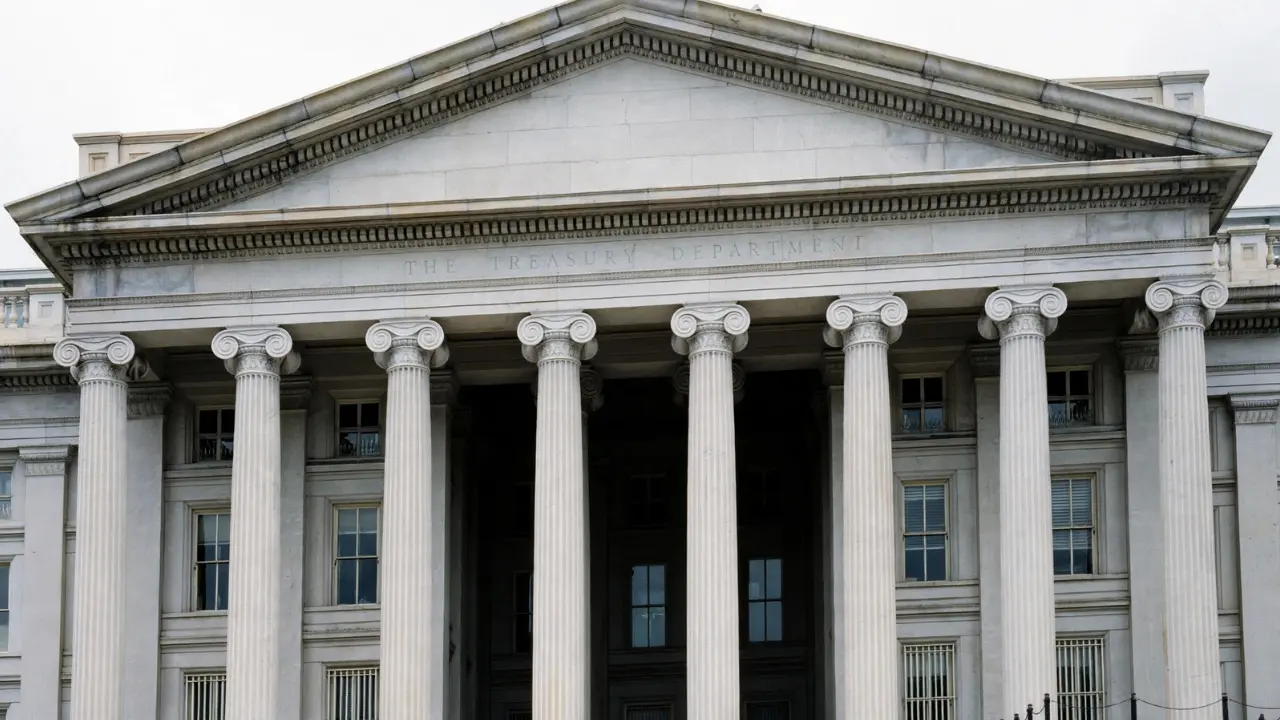
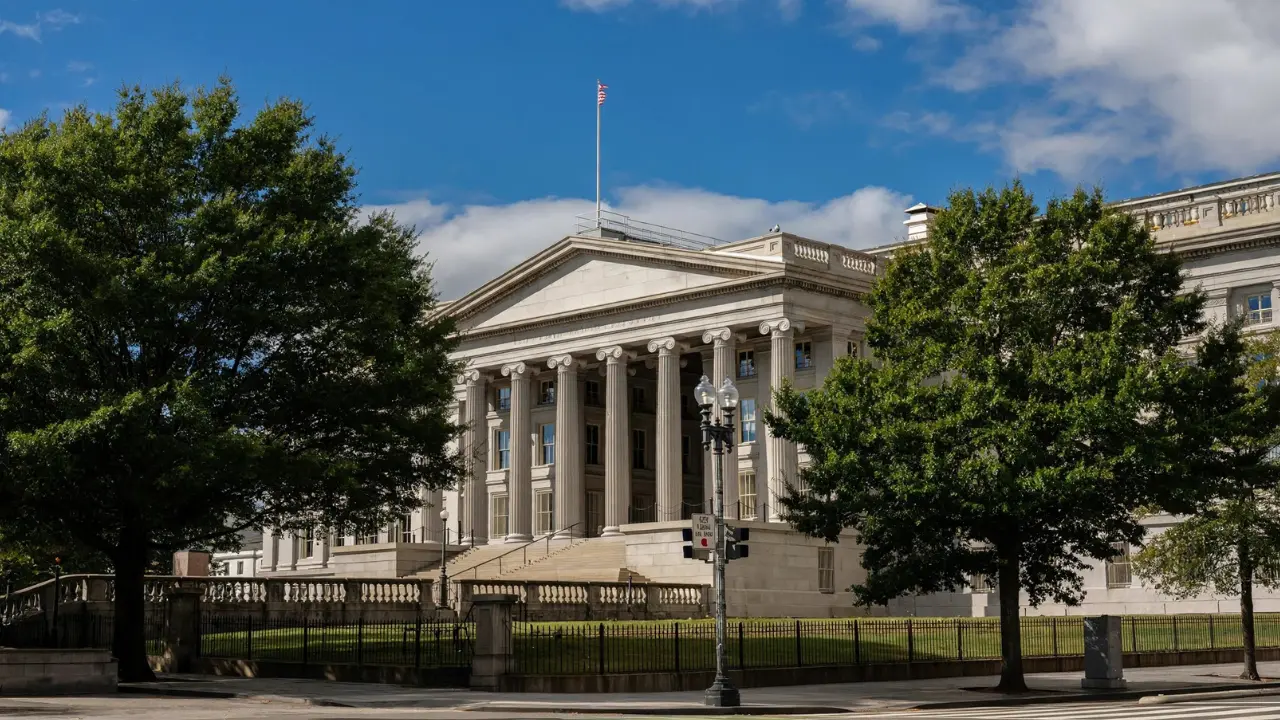
The U.S. Treasury Department said October 19 that its Financial Crimes Enforcement Network (FinCEN) identified approximately $270 million in suspicious financial activity potentially connected to federal student aid fraud and referred the information to federal investigators.
The findings cover more than 20,000 potentially suspicious transactions dating back to February 2026. Financial institutions filed nearly 100 suspicious activity reports following a July warning from FinCEN, according to the Treasury announcement.
The $270 million represents activity identified for further examination, not confirmed fraudulent payments or established taxpayer losses. Treasury said the information was provided to law enforcement as investigative leads, and the reported transactions do not necessarily represent the full extent of suspected misconduct.
The disclosure marks a measurable development since July 24, when FinCEN issued its student aid alert urging banks and other financial institutions to identify and report possible fraud involving federally funded student assistance.
That earlier alert described warning signs and reporting practices. The October announcement adds a dollar amount, transaction count and confirmation that financial intelligence has been referred to investigators.
How Schemes Operate
Treasury identified two prominent methods used in student aid fraud: ghost-student schemes and straw-student schemes. Ghost-student fraud involves criminals using stolen or fabricated identities to enroll people in educational institutions and obtain federal assistance. Some operations combine genuine personal information with invented details to create synthetic identities.
Straw-student schemes involve real individuals recruited to apply for aid, with organizers ultimately controlling the resulting funds. Treasury said corrupt school employees sometimes participate by manipulating enrollment records.
The July FinCEN warning also highlighted how financial institutions may recognize aid refunds sent through Automated Clearing House (ACH) transfers. Transaction descriptions can include an institution’s name and the word “refund.”
These details matter because student assistance can pass through a school’s payment process before reaching a bank account. Understanding ACH transfers and settlement windows helps distinguish routine electronic payments from unusual patterns requiring investigation.
FinCEN also warned that suspected fraud proceeds may move through intermediary accounts, shell companies and money mules to obscure their origin.
What Remains Unproven
FinCEN’s findings do not establish how much money was actually lost, whether all flagged transactions involved fraud, or what portion investigators may ultimately connect to criminal conduct.
A suspicious activity report is a financial intelligence disclosure, not a criminal conviction. The distinction matters because a large reported transaction total can include activity that investigators later determine was legitimate.
Nor should the October total be added to other published estimates of student aid fraud without confirming that the underlying transactions and periods do not overlap.
Treasury’s action concerns the monitoring of financial activity rather than a newly announced change to student eligibility, grant amounts or repayment obligations.
For readers following federal financial administration, the distinction between the Treasury Department, federal payments and the wider money movement system provides useful context for where funds are processed and how suspicious transfers may become visible to financial institutions.
Student Protections
Students and families may face consequences when criminals use their identities to obtain aid. Treasury warned that victims, including minors, may not know their information has been used until financial obligations or other problems emerge.
Borrowers who discover unauthorized federal student loans can review their information through their StudentAid.gov account. Federal Student Aid also provides a forgery discharge process for eligible borrowers affected by fraudulent loans.
Students should not assume that the announcement means their own aid has been compromised. The Treasury release did not identify a new nationwide requirement for legitimate students to reapply for assistance.
The broader issue is whether banks, schools and federal investigators can distinguish fraudulent enrollment and payment activity from legitimate aid disbursements without unnecessarily disrupting students. The payment process offers background on federal disbursement infrastructure, although student aid refunds can follow school-administered routes.
Treasury has not publicly established a deadline for completing the investigations or releasing confirmed loss and recovery totals. Those findings, if subsequently disclosed, would provide a clearer measurement of the financial damage than the suspicious activity identified so far.