


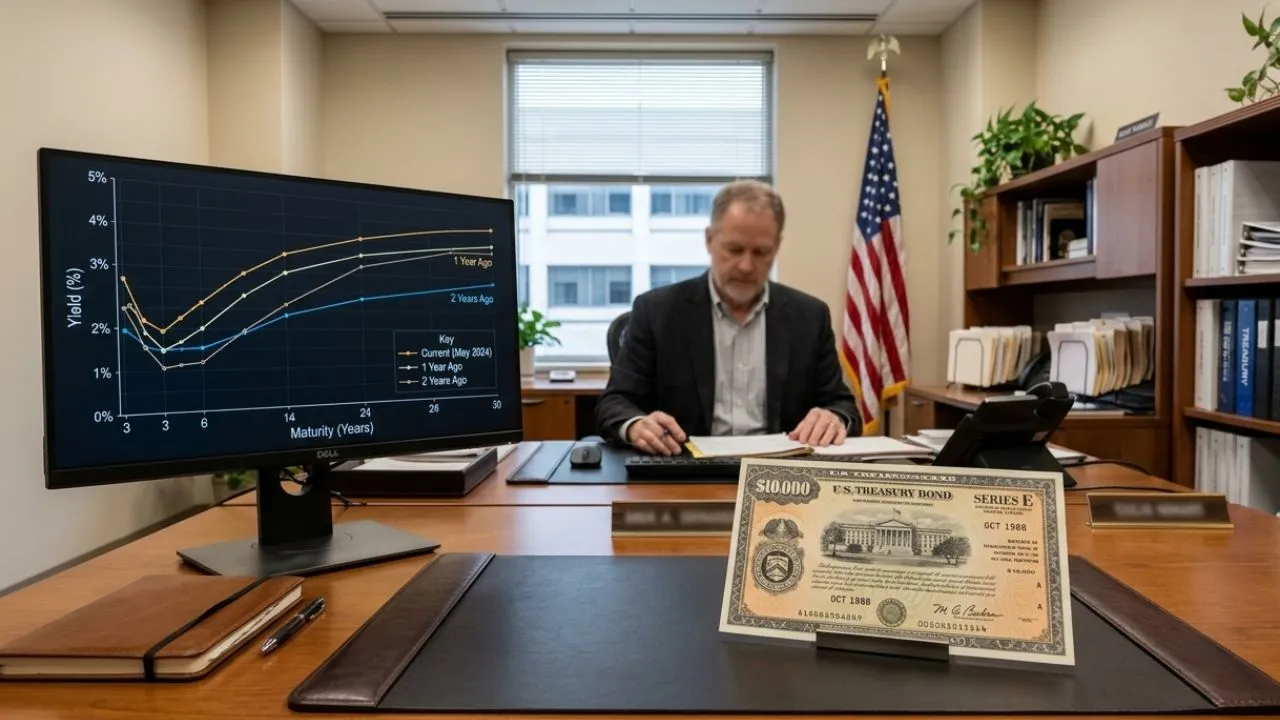
The Bureau of Economic Analysis is scheduled to release the Personal Consumption Expenditures price index report this week, with the data expected on Thursday, May 28, 2026. Markets, the Federal Reserve, and Treasury auction desks are treating this release as the final major inflation data point before the June 16 FOMC meeting.
The PCE print will directly affect Treasury yields, the Treasury’s borrowing cost in this week’s auction window, and the policy options available to Chair Kevin Warsh on June 16. The Personal Consumption Expenditures price index, the Federal Reserve’s preferred inflation measure, is due Thursday, May 28, from the Bureau of Economic Analysis.
A hot print above the 2.3 percent consensus will push Treasury yields higher immediately, raise the government’s borrowing cost on any auctions clearing this week, and narrow Warsh’s rate-cut window at June 16. The transmission from PCE data to Treasury cash management is direct, rapid, and worth understanding before Thursday.
Every month the Bureau of Economic Analysis publishes the Personal Consumption Expenditures price index, and every month financial journalists report the headline number. What almost no one explains is the specific mechanical path from that number to the U.S. Treasury’s actual borrowing costs, a path that runs through the Treasury yield curve, the Treasury General Account balance, and the auction calendar in a sequence that affects how much the federal government pays to finance its debt in real time.
This week that sequence is particularly high-stakes because the PCE print lands between a Treasury auction window and the June 16 FOMC meeting. If you hold Treasury bills, savings bonds, or any interest-bearing federal instrument, this data release will affect your returns. Understanding why requires tracing the full institutional path from economic data to cash management.
How a Hot PCE Print Hits the Treasury Market Within Hours
The Federal Reserve’s preferred inflation gauge is PCE, not CPI, because the PCE index captures a broader basket of consumer spending and adjusts more dynamically for substitution behavior than the Consumer Price Index.
When the Bureau of Economic Analysis releases PCE data, bond market participants immediately reprice their expectations for the federal funds rate path. If PCE prints above consensus, indicating inflation is running hotter than expected, traders sell Treasury securities, pushing prices down and yields up.
This yield movement is not theoretical. It happens in the minutes after the 8:30 AM Eastern release. The 2-year Treasury yield, which is most sensitive to near-term rate expectations, can move 5 to 15 basis points within the first trading hour of a major PCE surprise. The 10-year Treasury yield moves more slowly but compounds the effect across the full federal borrowing cost structure.


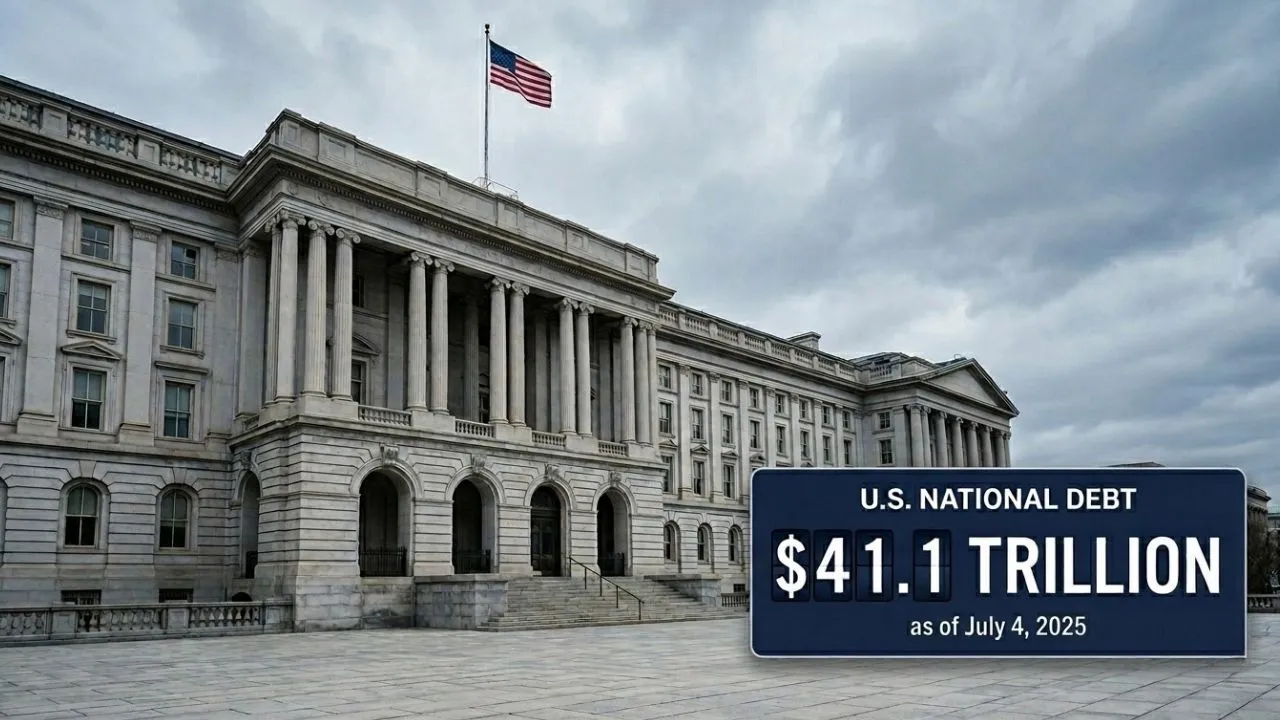
Here is where Treasury cash management becomes directly relevant: the U.S. Treasury issues new debt through regularly scheduled auctions. When yields spike on PCE release day, any Treasury auction scheduled in the days immediately following the data print must clear at those higher yields, meaning the federal government must pay more interest on newly issued debt.
The Treasury General Account balance, which is the government’s operating cash reserve held at the Federal Reserve, absorbs this dynamic in real time. If the TGA balance is running low because of seasonal tax receipt patterns or debt ceiling management, the Treasury has less flexibility to delay auctions and must accept elevated borrowing costs.
You can track the daily TGA balance through the Daily Treasury Statement, published each business day by the Bureau of the Fiscal Service, which documents the government’s real-time cash position. The official release is available at reports & statements.
The PCE-to-June 16 Transmission Path
The Thursday PCE print does not just affect this week’s auction. It directly shapes the data environment Kevin Warsh will be responding to on June 16. The FOMC’s mandate requires it to achieve price stability, defined as 2 percent PCE inflation over the long run.
If Thursday’s print shows PCE running above 2.5 percent, which several forecasters now estimate given persistent services inflation and the Iran oil disruption running through energy prices, Warsh faces a specific bind: the market wants rate relief, but the data does not yet support it.
The Treasury yields and their effect on mortgages and savings provide the consumer-level translation of this dynamic, when yields rise on hot inflation data, mortgage rates follow within days, and the Fed’s ability to cut rates without re-igniting inflation expectations narrows sharply.
For the Treasury market, the PCE print is also significant because of what it signals to foreign holders of U.S. government debt. Elevated U.S. inflation relative to other major economies reduces the real yield on dollar-denominated Treasury securities, which can trigger demand softness at upcoming auctions.
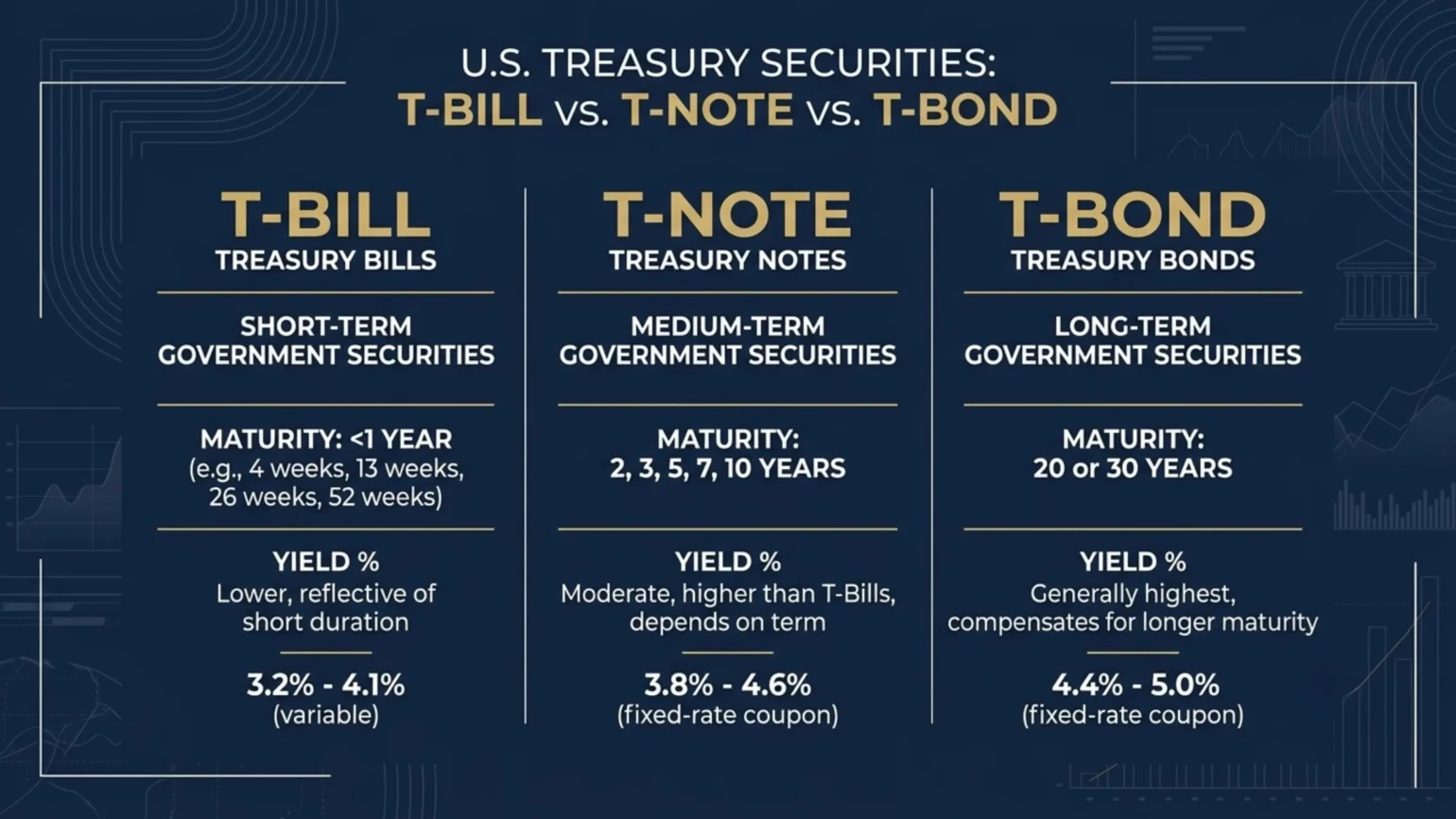
The U.S. Treasury bills maturity and yield guide explains how yield levels directly affect the returns available to individual investors in T-bills and Treasury notes. The Bureau of Economic Analysis publishes PCE data at BEA.gov.
The consensus forecast for April 2026 PCE, compiled from multiple institutional sources, currently sits at approximately 2.3 percent year-over-year for core PCE. Any print above 2.5 percent should be understood as a meaningful upside surprise with direct Treasury market consequences.
What Happens Next After the PCE Print
Thursday’s PCE data lands on May 28, giving markets, the Fed, and the Treasury desk three weeks before the June 16 FOMC decision. The sequence of events from here is predictable regardless of whether the print is hot or cool.
A cool print, core PCE at or below 2.2 percent, would ease Treasury yield pressure, improve auction demand dynamics, and give Warsh more flexibility to signal a rate cut at June 16 or later in the summer. Treasury yields would likely decline modestly on the print, and TGA replenishment through the subsequent auction window would proceed at lower borrowing costs.
A hot print, core PCE above 2.5 percent, would push yields higher, complicate the auction window, and narrow Warsh’s policy space. It would also interact with the Iran oil disruption currently running through energy prices to create a compounding inflation narrative heading into the June 16 decision. The OBBBA tax cuts and Fed policy analysis and the federal budget framework provide the fiscal context within which this monetary data is operating. Monitor Thursday’s BEA release directly.
The full PCE data tables, historical series, and methodology documentation are available at bea.gov. For the Treasury’s auction schedule and results, the official calendar is maintained at treasurydirect.gov/auctions.
What This Means
The PCE inflation report due Thursday is not just a data point for economists. It is a live event with a mechanical transmission path into U.S. Treasury borrowing costs, the TGA cash management window, and the June 16 rate decision.
The PCE inflation report will test whether the Fed’s inflation progress narrative holds or breaks. If it holds, Treasury yields stabilize. If it breaks to the upside, the government’s borrowing cost rises in real time and Warsh’s June 16 options narrow considerably.
What You Should Do Now
- Note the BEA PCE release time: 8:30 AM Eastern, Thursday May 28, 2026.
- Watch the 2-year Treasury yield in the hour after release as your real-time market signal.
- Monitor the Daily Treasury Statement for TGA balance changes following the auction window.
- Track the June 16 FOMC outcome in context of Thursday’s PCE data for the complete policy picture.










One thought on “PCE Inflation Report: How It Tests Treasury Markets, Yields, and Federal Reserve Policy @import url("https://fonts.googleapis.com/css2?family=Poppins:wght@400;500;600&family=Source+Sans+3:wght@400;500;600;700&display=swap"); /* ========================================= NORMAL BYLINE ========================================= */ .izo-clean-byline { display: flex; align-items: center; justify-content: space-between; width: 100%; max-width: 620px; gap: 16px; margin-top: 4px; margin-bottom: 16px; font-family: "Poppins", Arial, sans-serif; } .izo-clean-byline-content { display: flex; flex-direction: column; justify-content: center; align-items: flex-start; min-width: 0; gap: 4px; line-height: 1.12; transform: translateY(-4px); font-family: "Poppins", Arial, sans-serif; } .izo-clean-author-wrap { position: relative; display: inline-block; width: fit-content; line-height: 1.12; margin: 0; padding: 0; outline: none; } .izo-by-label { font-family: "Poppins", Arial, sans-serif; font-size: 14px; font-weight: 400; color: #111; line-height: 1.12; margin-right: 3px; } .izo-clean-author-name { position: relative; display: inline-block; font-family: "Poppins", Arial, sans-serif; font-size: 14px; font-weight: 500; color: #111; cursor: pointer; line-height: 1.12; padding: 0; margin: 0; text-decoration-line: underline; text-decoration-color: #111; text-decoration-thickness: 1px; text-underline-offset: 1px; } .izo-clean-author-name::after { display: none; } .izo-clean-meta { font-family: "Poppins", Arial, sans-serif; font-size: 11px; font-weight: 400; color: #555; line-height: 1.12; margin: 0; padding: 0; } /* ========================================= RIGHT ACTIONS GOOGLE + SHARE ========================================= */ .izo-byline-actions { display: flex; align-items: center; justify-content: flex-end; gap: 7px; flex: 0 0 auto; position: relative; top: 6px; } /* ========================================= GOOGLE SOURCE BADGE ========================================= */ .izo-google-source-badge { display: inline-flex; align-items: center; justify-content: center; width: 34px; height: 34px; min-width: 34px; flex: 0 0 34px; padding: 6px; margin: 0; box-sizing: border-box; background: #ffffff !important; border: 1px solid rgba(85,85,85,0.30) !important; border-radius: 6px; box-shadow: none !important; text-decoration: none !important; overflow: hidden; transition: border-color 0.18s ease, background-color 0.18s ease; } .izo-google-source-badge img { display: block; width: 100%; height: 100%; max-width: 100%; object-fit: contain; object-position: center; margin: 0; padding: 0; border: 0 !important; border-radius: 0 !important; background: transparent !important; box-shadow: none !important; } .izo-google-source-badge:hover { background: #ffffff !important; border-color: rgba(85,85,85,0.45) !important; box-shadow: none !important; transform: none !important; } .izo-google-source-badge:focus { background: #ffffff !important; outline: 1px solid rgba(85,85,85,0.45); outline-offset: 2px; box-shadow: none !important; } /* ========================================= SHARE BUTTON ========================================= */ .izo-share-button { display: inline-flex; align-items: center; justify-content: center; width: 34px; height: 34px; min-width: 34px; flex: 0 0 34px; padding: 7px; margin: 0; box-sizing: border-box; background: #ffffff !important; border: 1px solid rgba(85,85,85,0.30) !important; border-radius: 6px; box-shadow: none !important; color: #333333 !important; cursor: pointer; text-decoration: none !important; overflow: hidden; appearance: none; -webkit-appearance: none; transition: border-color 0.18s ease, color 0.18s ease, background-color 0.18s ease; } .izo-share-button svg { display: block; width: 18px; height: 18px; fill: none; stroke: currentColor; stroke-width: 1.8; stroke-linecap: round; stroke-linejoin: round; margin: 0; padding: 0; } .izo-share-button:hover { background: #ffffff !important; border-color: rgba(85,85,85,0.45) !important; color: #111111 !important; box-shadow: none !important; transform: none !important; } .izo-share-button:focus { background: #ffffff !important; outline: 1px solid rgba(85,85,85,0.45); outline-offset: 2px; box-shadow: none !important; } /* ========================================= AUTHOR DETAILS CARD ========================================= */ .izo-clean-author-tooltip { position: absolute; top: calc(100% + 10px); left: 0; width: 440px; max-width: calc(100vw - 40px); background: #fff; color: #333; border: 1px solid #e5e5e5; border-radius: 8px; padding: 16px; font-family: "Source Sans 3", Arial, sans-serif; font-size: 13px; font-weight: 400 !important; line-height: 1.55; box-shadow: 0 8px 24px rgba(0,0,0,0.10); opacity: 0; visibility: hidden; transform: translateY(5px); transition: opacity 0.2s ease, transform 0.2s ease, visibility 0.2s ease; z-index: 9999; pointer-events: none; } /* ========================================= IMAGE + BIO ========================================= */ .izo-tooltip-main { display: flex; align-items: flex-start; gap: 14px; width: 100%; } .izo-tooltip-image { width: 96px; height: 96px; flex: 0 0 96px; object-fit: cover; object-position: center; display: block; border-radius: 6px; margin: 0; padding: 0; } .izo-tooltip-bio { flex: 1 1 auto; min-width: 0; font-family: "Source Sans 3", Arial, sans-serif; font-size: 13px; font-weight: 400; line-height: 1.55; color: #333; margin: 0; padding: 0; } /* Bio reference links: same color, font and decoration as bio text */ .izo-clean-author-tooltip .izo-tooltip-bio a, .izo-clean-author-tooltip .izo-tooltip-bio a:visited, .izo-clean-author-tooltip .izo-tooltip-bio a:hover, .izo-clean-author-tooltip .izo-tooltip-bio a:focus { color: inherit !important; font: inherit !important; text-decoration: none !important; border-bottom: 0 !important; box-shadow: none !important; } .izo-clean-author-tooltip strong { font-family: "Source Sans 3", Arial, sans-serif; font-weight: 400 !important; } /* ========================================= DESKTOP HOVER ========================================= */ .izo-clean-author-wrap:hover .izo-clean-author-tooltip { opacity: 1; visibility: visible; transform: translateY(0); pointer-events: auto; } /* ========================================= KEYBOARD / MOBILE TAP ========================================= */ .izo-clean-author-wrap:focus .izo-clean-author-tooltip, .izo-clean-author-wrap:focus-within .izo-clean-author-tooltip { opacity: 1; visibility: visible; transform: translateY(0); pointer-events: auto; } /* ========================================= POPUP FOOTER SOCIALS | READ PROFILE ========================================= */ .izo-tooltip-footer { display: flex; align-items: center; gap: 14px; margin-top: 16px; width: 100%; } .izo-tooltip-socials { display: flex; align-items: center; gap: 14px; margin: 0; padding: 0; } .izo-tooltip-socials a { display: inline-flex; align-items: center; justify-content: center; width: 24px; height: 24px; color: #222; text-decoration: none; border: none; transition: opacity 0.2s ease, transform 0.2s ease; } .izo-tooltip-socials a:hover { opacity: 0.72; transform: translateY(-1px); } .izo-tooltip-socials svg { width: 21px; height: 21px; fill: currentColor; display: block; } /* Grey separator */ .izo-tooltip-separator { display: inline-flex; align-items: center; justify-content: center; color: #b5b5b5; font-family: "Source Sans 3", Arial, sans-serif; font-size: 20px; font-weight: 400; line-height: 1; margin: 0 1px; } /* Read profile */ .izo-clean-author-tooltip .izo-profile-link { display: inline-block; font-family: "Source Sans 3", Arial, sans-serif; font-size: 13px; font-weight: 600; color: #1a73e8; text-decoration: none; border-bottom: 1px solid #1a73e8; line-height: 1.25; white-space: nowrap; } /* ========================================= MOBILE ========================================= */ @media (max-width: 650px) { .izo-clean-byline { display: flex; flex-direction: row; align-items: center; justify-content: space-between; width: 100%; max-width: 100%; gap: 7px; margin-top: 3px; margin-bottom: 14px; flex-wrap: nowrap; } .izo-clean-byline-content { display: flex; flex-direction: column; flex: 1 1 auto; min-width: 0; max-width: calc(100% - 68px); gap: 3px; line-height: 1.12; transform: translateY(-4px); } .izo-clean-author-wrap { line-height: 1.12; margin: 0; padding: 0; max-width: 100%; white-space: nowrap; } .izo-by-label { font-size: 12px; line-height: 1.12; margin-right: 3px; } .izo-clean-author-name { font-size: 12px; font-weight: 500; line-height: 1.12; padding: 0; margin: 0; text-underline-offset: 1px; white-space: nowrap; } .izo-clean-meta { font-size: 9.5px; line-height: 1.12; margin: 0; padding: 0; color: #555; white-space: nowrap; } /* ========================================= GOOGLE + SHARE MOBILE STAY ON SAME ROW ========================================= */ .izo-byline-actions { display: flex; flex-direction: row; align-items: center; justify-content: flex-end; gap: 5px; flex: 0 0 auto; white-space: nowrap; position: relative; top: 5px; } /* GOOGLE MOBILE */ .izo-google-source-badge { width: 28px; height: 28px; min-width: 28px; flex: 0 0 28px; padding: 5px; border-radius: 5px; background: #ffffff !important; border: 1px solid rgba(85,85,85,0.30) !important; box-shadow: none !important; margin: 0; } .izo-google-source-badge img { width: 100%; height: 100%; } /* SHARE MOBILE */ .izo-share-button { width: 28px; height: 28px; min-width: 28px; flex: 0 0 28px; padding: 6px; border-radius: 5px; background: #ffffff !important; border: 1px solid rgba(85,85,85,0.30) !important; box-shadow: none !important; margin: 0; } .izo-share-button svg { width: 15px; height: 15px; stroke-width: 1.8; } /* Keep the mobile author card above the featured image */ .izo-clean-byline, .izo-clean-byline-content, .izo-clean-author-wrap { position: relative; z-index: 10000; } .izo-clean-author-tooltip { z-index: 10001; } /* ========================================= MOBILE AUTHOR CARD ========================================= */ .izo-clean-author-tooltip { width: min(340px, calc(100vw - 32px)); max-width: calc(100vw - 32px); padding: 14px; left: 0; font-size: 12.5px; line-height: 1.5; } .izo-tooltip-main { gap: 11px; align-items: flex-start; } .izo-tooltip-image { width: 82px; height: 82px; flex: 0 0 82px; border-radius: 5px; } .izo-tooltip-bio { font-size: 12.5px; line-height: 1.5; } /* Mobile footer */ .izo-tooltip-footer { gap: 11px; margin-top: 14px; flex-wrap: nowrap; } .izo-tooltip-socials { gap: 12px; } .izo-tooltip-socials a { width: 22px; height: 22px; } .izo-tooltip-socials svg { width: 20px; height: 20px; } .izo-tooltip-separator { font-size: 18px; margin: 0; } .izo-clean-author-tooltip .izo-profile-link { font-size: 12.5px; line-height: 1.2; } }
ByAdarsha Dhakal

Adarsha Dhakal is a financial journalist and the Founder and Editor of Investozora, an independent U.S. financial news and economic research publication he established in August 2025. He covers the U.S. economy, Federal Reserve policy, Treasury operations, financial markets, banking, IRS taxation, and Social Security. His reporting emphasizes original government records, verified economic data, transparent calculations, and the distinction between facts and analysis. His financial and economic analysis has also appeared on Investing.com.
|
Read full profile →
Published May 27, 2026 · 5:20 AM ET · Updated 2 months ago

”