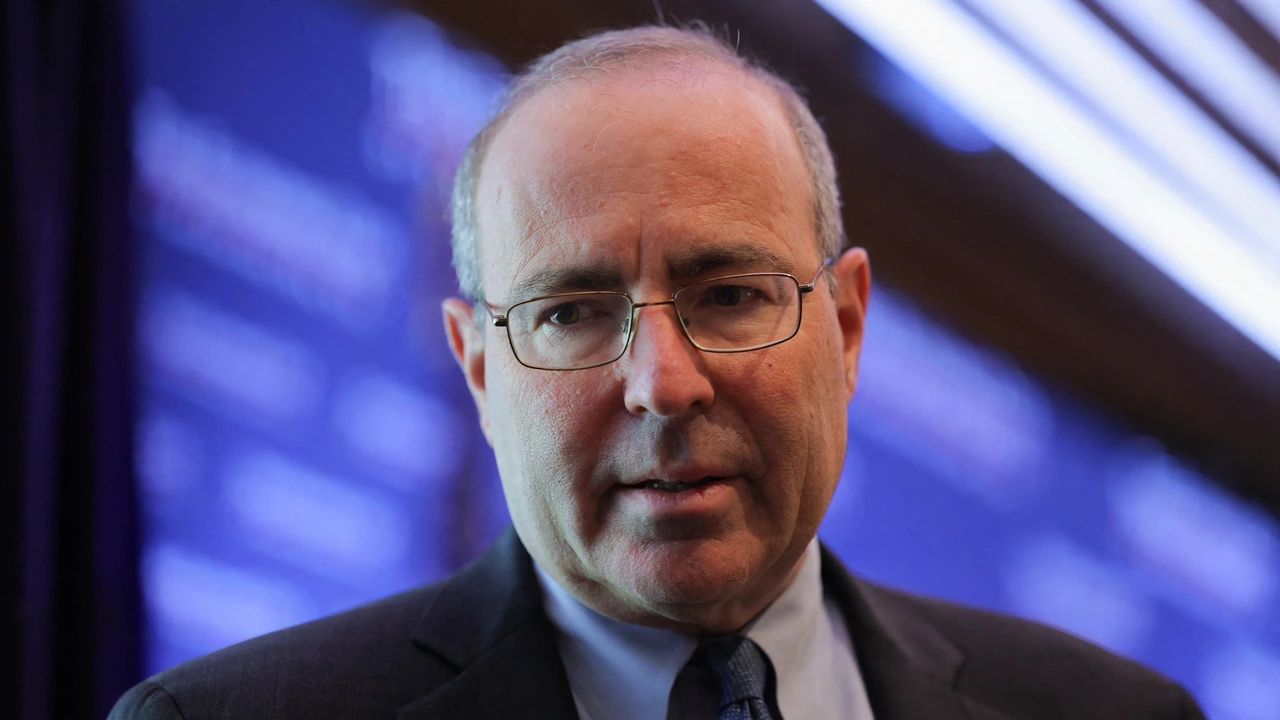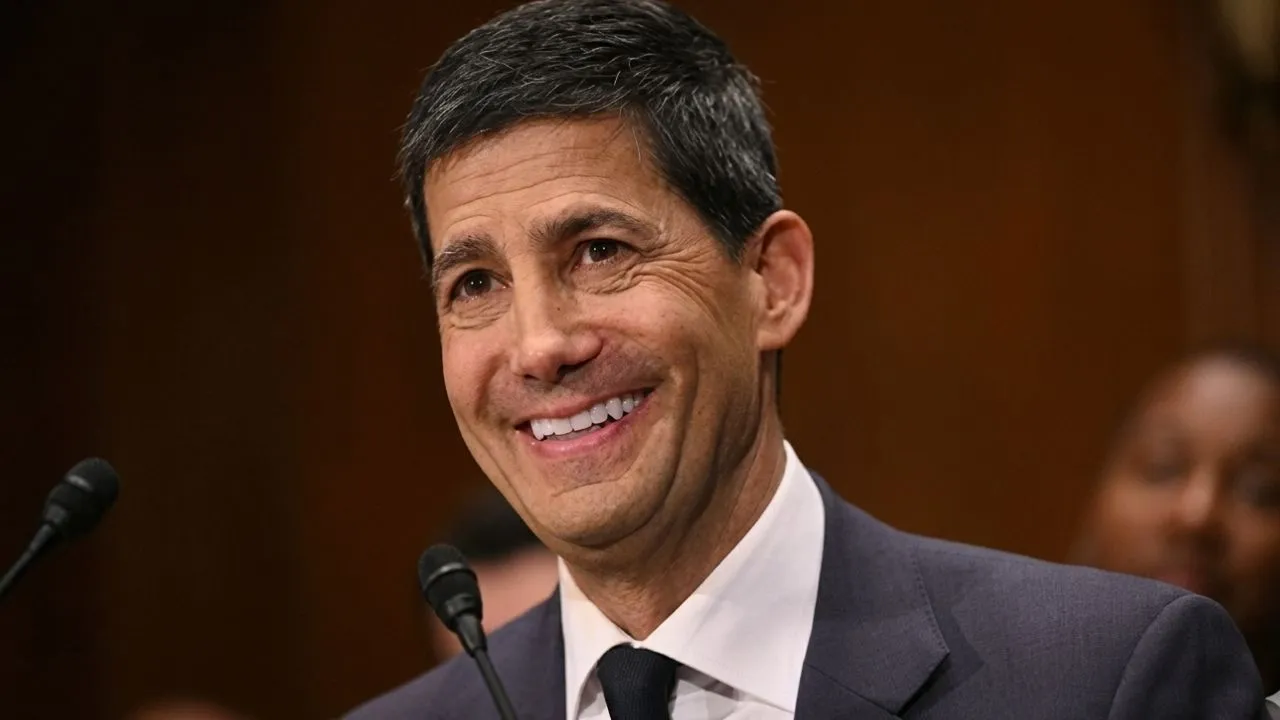
The 30-year Treasury yield environment Warsh shaped enters its first official test today. The rate decision at 2:00 PM ET will confirm whether yields compress or hold above 5.15% through summer.
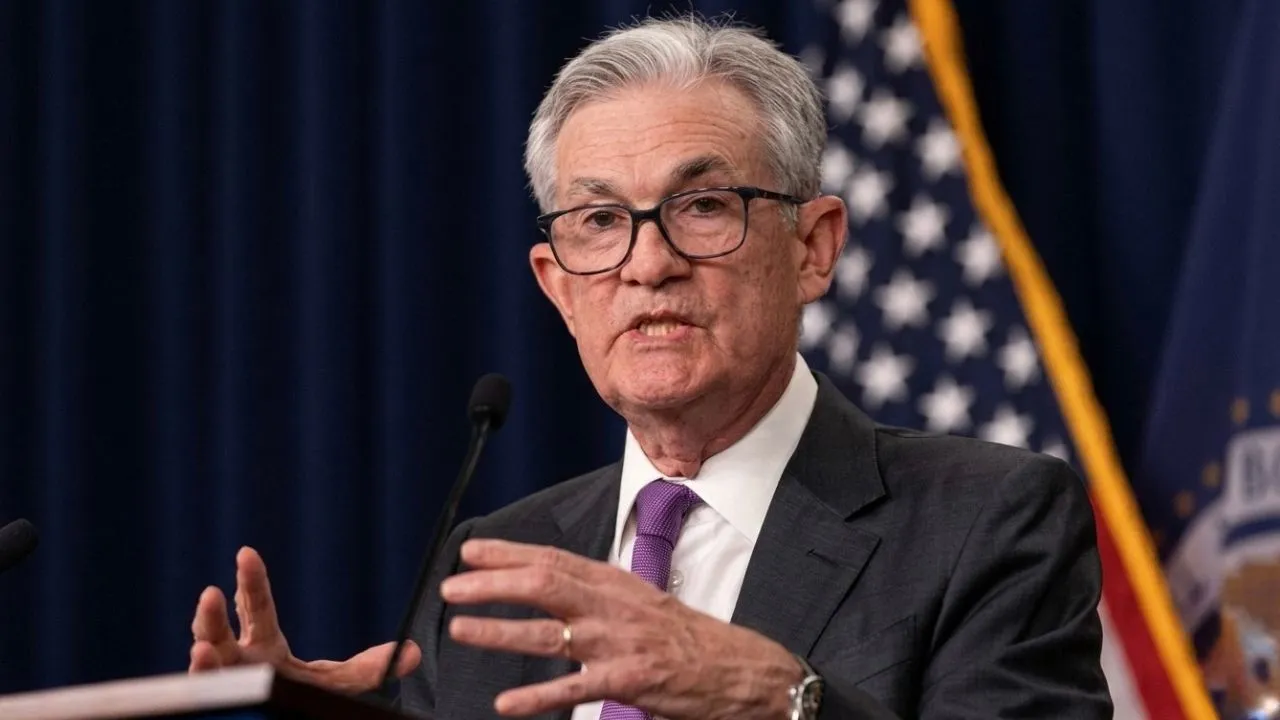
Kevin Warsh is now the Chair of the Federal Reserve Board of Governors. Jerome Powell’s era of forward guidance, explicit inflation frameworks, and protective market communication ended with Warsh’s swearing in. The bond market has already priced the transition. Warsh treasury yields are not a future concern. They are today’s mortgage rate and today’s savings account environment, and both have moved.
The 30-year U.S. Treasury yield above 5.15% is not incidental. It reflects a market that is now pricing a Federal Reserve that intends to intervene less, communicate less, and allow market forces to carry more of the monetary policy burden than they have carried in over a decade.
Understanding what that means for your household balance sheet requires understanding what drives long-term yields and why a central bank chair’s philosophy can move them before a single rate decision is made.
What Warsh Actually Believes
Kevin Warsh served as a Federal Reserve Governor from 2006 to 2011. He dissented from policy positions that he believed extended the Fed’s balance sheet and market-guidance role beyond its appropriate mandate.
The philosophy behind those dissents has not changed. The operating framework now being applied at the Federal Reserve emphasizes market discipline over central bank protection. It treats extended forward guidance as a distortion that suppresses the natural price discovery the bond market should perform on its own.
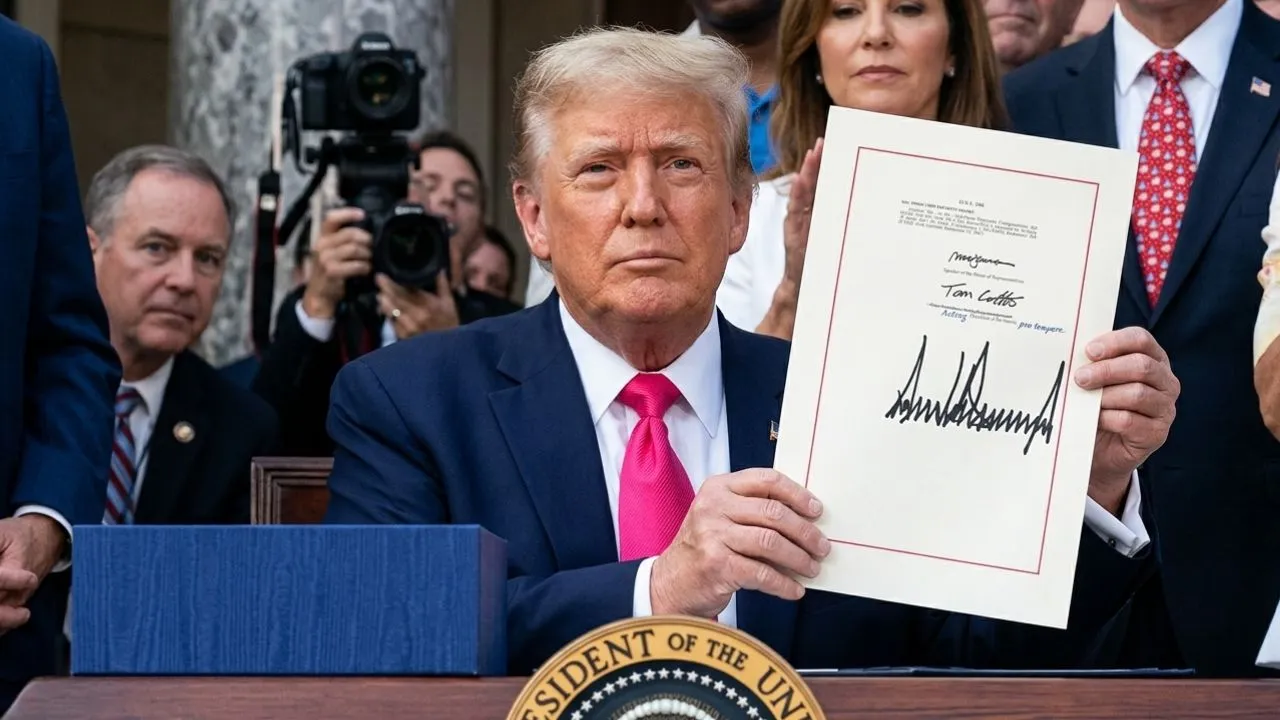


Under this framework, the Fed tells markets less about the future path of rate decisions. It allows yield curves to absorb more of the risk premium that forward guidance previously compressed.
The result is higher long-term yields even in an environment where the federal funds rate, currently holding between 3.5% and 3.75%, remains unchanged. Warsh treasury yields are the market’s translation of that philosophy into prices.
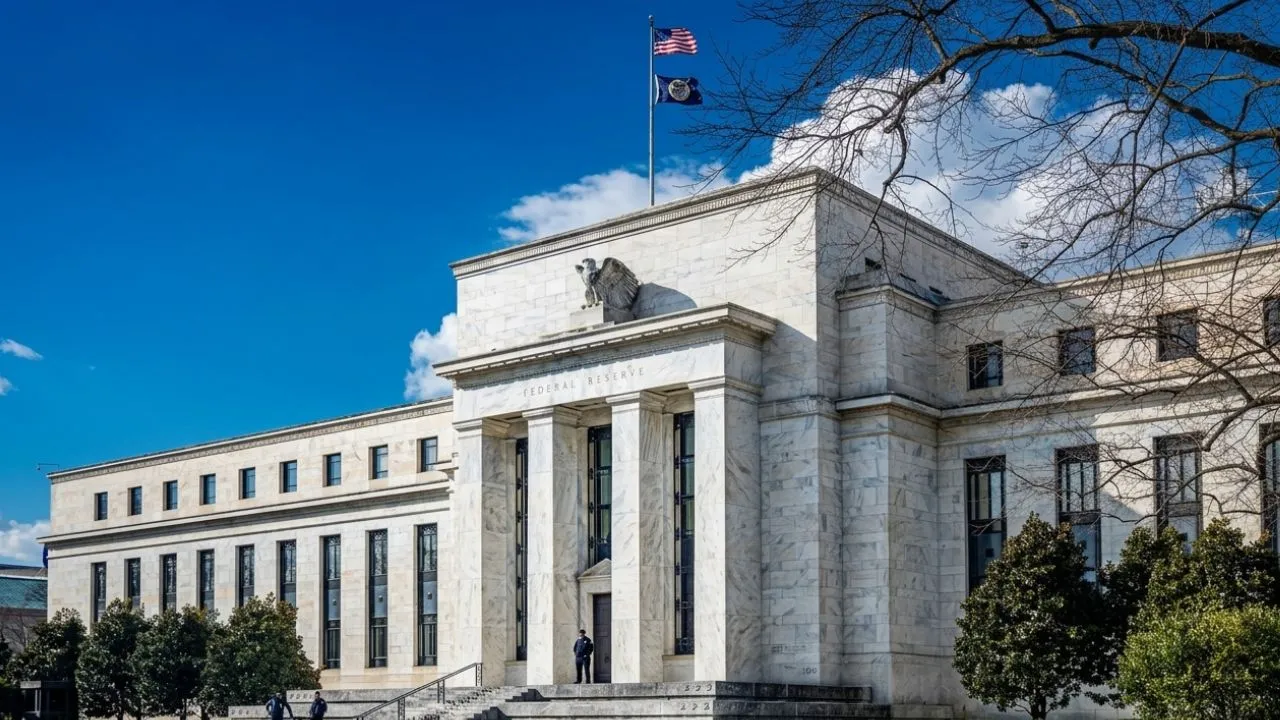
The Federal Reserve’s governance structure is published at federalreserve.gov. Understanding how the Fed’s rate decisions flow through to your savings account clarifies the specific mechanism connecting monetary policy changes to consumer deposit rates.
What It Means For Your Money
The 30-year Treasury yield governs fixed-rate mortgage pricing more directly than the federal funds rate does. When the 10-year and 30-year yields rise, lenders reprice their mortgage products within 48 to 72 hours.
A 30-year yield above 5.15% means a 30-year fixed mortgage rate is currently pricing in a range that makes 2021 and 2022 borrowing costs look like a historical anomaly rather than a baseline.
For someone purchasing a $400,000 home today, the difference between a 6.8% mortgage and a 7.4% mortgage represents approximately $170 more per month in principal and interest over the life of the loan.
That monthly difference compounds into over $61,000 in additional total interest paid across a 30-year term. The yield environment Warsh has inherited and is now reinforcing is transmitting directly into that payment.
On the savings side, the calculus runs opposite. High long-term yields create a rare and genuinely lucrative environment for capital allocated into shorter-duration, risk-free instruments. Treasury bills, money market funds, and short-term certificates of deposit are all benefiting from an environment where holding government paper provides real yield above inflation.
A saver with $50,000 in a money market instrument yielding 4.8% is earning $2,400 per year before tax. That was not available at any scale during the 2010 to 2021 period. The savings rate mechanics behind this yield environment explain why the Fed’s positioning affects every household differently depending on whether they are borrowers or savers.
The Treasury Department publishes daily yield curve data at home.treasury.gov for anyone tracking the exact movement in long-term government bond rates.
The Bessent Coordination Factor
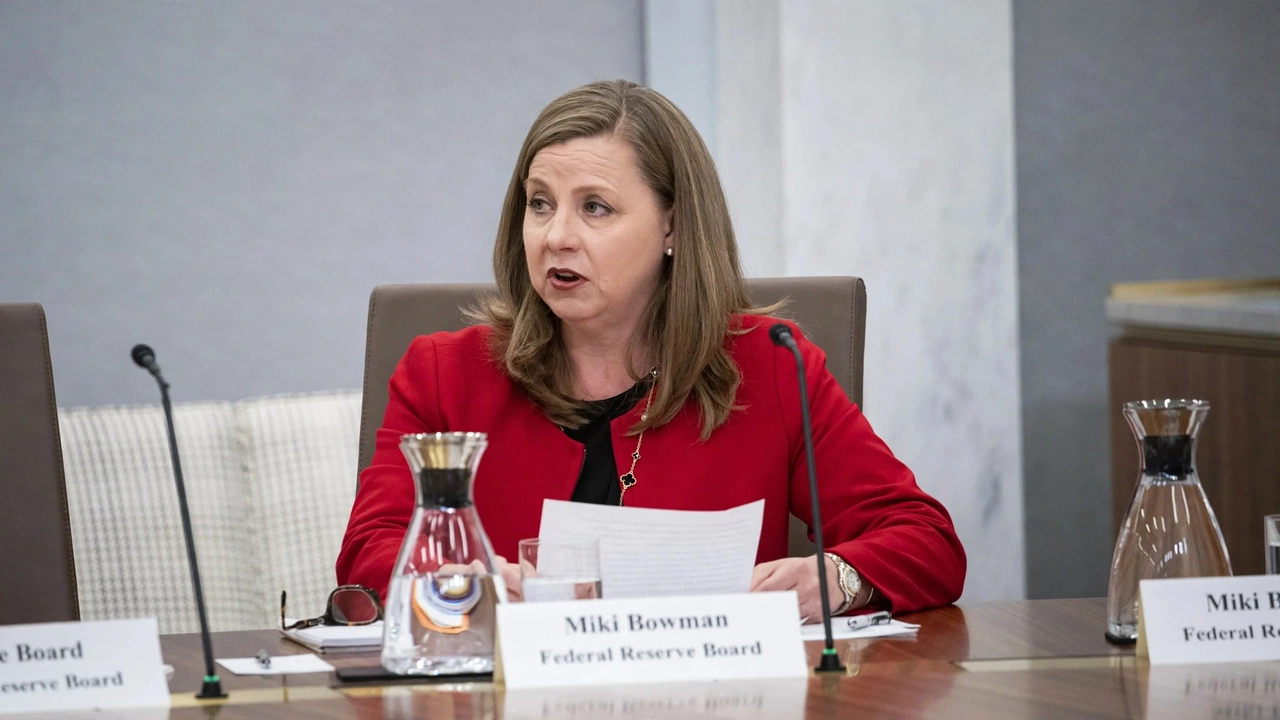
The relationship between Federal Reserve Chair Kevin Warsh and Treasury Secretary Scott Bessent represents a closer institutional coordination than the Powell era produced. Bessent has publicly supported a framework in which the Treasury manages debt issuance structure while the Fed focuses on its mandate without excessive market communication. That alignment matters because Treasury issuance decisions affect yield supply and therefore yield levels.
When the Treasury issues more long-duration debt, it increases supply in the bond market. Greater supply means lower prices and higher yields for existing holders. When the Treasury shortens the maturity profile of its issuance, it reduces the supply pressure on 10-year and 30-year yields.
The Warsh-Bessent coordination will determine which direction the Treasury leans on maturity structure, and that decision will either amplify or partially offset the yield pressure that Warsh’s philosophical framework is already generating.
Understanding how treasury yield mechanics affect Social Security and fixed-income household budgets provides a complete picture of why this institutional relationship matters beyond the financial press coverage.
The complete federal money movement infrastructure connecting Fed policy to household account balances explains why these institutional shifts have concrete and measurable personal finance consequences.
What You Should Do Now
- If you are planning to purchase a home or refinance a mortgage, obtain a rate lock now rather than assuming Warsh treasury yields will decline in the near term. The yield environment reflects a deliberate policy philosophy, not a temporary spike.
- If you are a saver, review your cash allocation. A money market fund or short-term Treasury bill ladder in the current yield environment generates real returns that have not been available at this scale in over a decade.
- Monitor the June 16 FOMC decision for Warsh’s first official rate statement. His communication style will either confirm or moderate the market’s current pricing of reduced forward guidance.
- Do not confuse the federal funds rate holding steady with the long-term yield environment holding steady. These are different instruments controlled by different forces.
- Bookmark the Treasury yield curve and check it before any major borrowing or savings reallocation decision.