


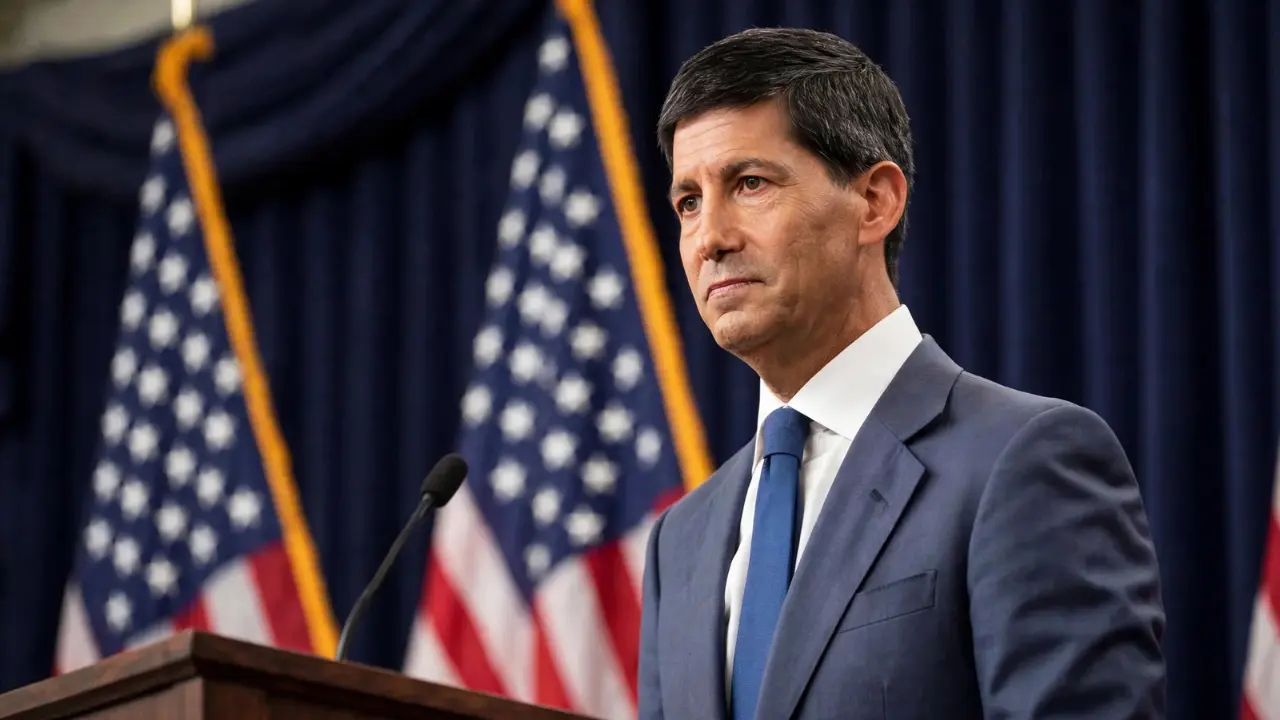
Fed officials left interest rates unchanged in July, but newly released minutes show many policymakers believed tighter policy would likely be necessary if inflation failed to cool. Fresh inflation and jobs data now make the path to September more complicated.
The Federal Reserve’s latest meeting record shows policymakers are prepared to consider higher interest rates if inflation remains stubbornly above target, even though the central bank made no rate change at its July meeting.
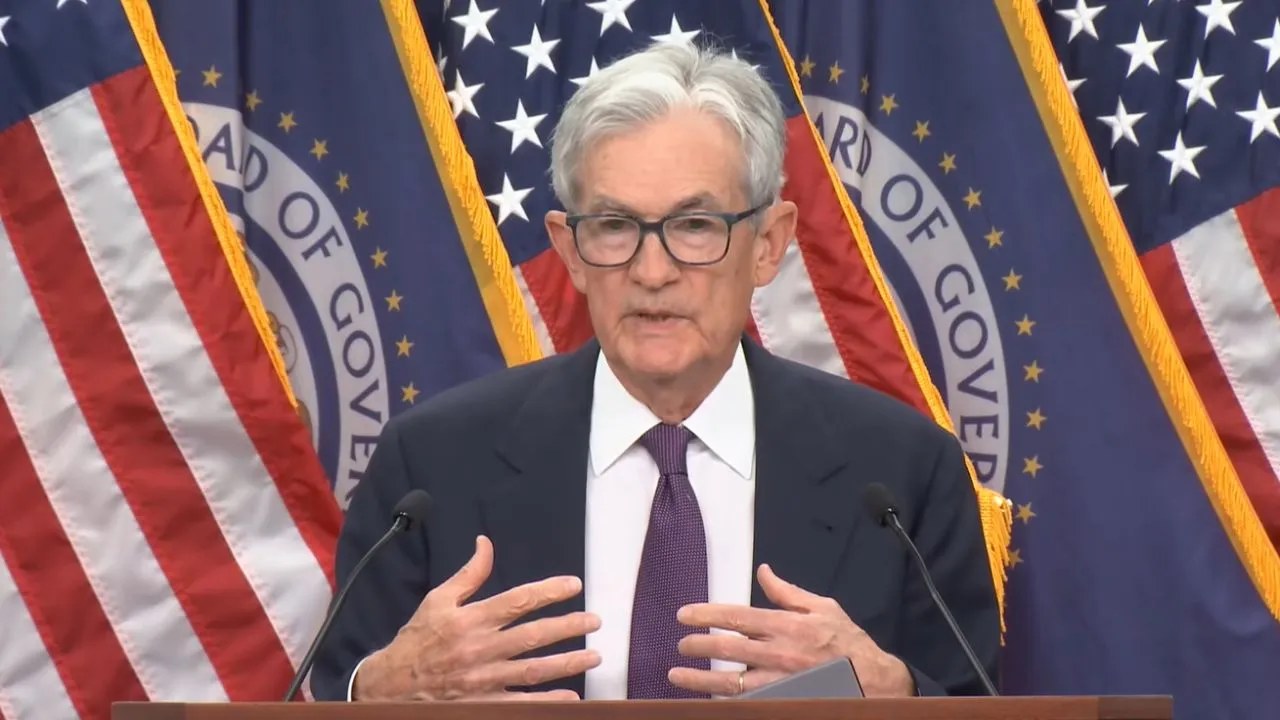
Minutes from the Federal Open Market Committee’s July 28–29 meeting, released August 19, show that many participants believed “policy tightening would likely be necessary if inflation did not decline.”
Several participants had already favored raising the federal funds rate by 25 basis points at that meeting, although the committee ultimately voted to keep its target range at 3.50% to 3.75%. Federal Reserve’s July 28–29 FOMC minutes
The formal vote was 9–3. Fed officials Beth Hammack, Neel Kashkari and Lorie Logan dissented because they preferred a quarter-point increase. The broader minutes, however, reveal something more important than the dissent count alone: concern about persistent inflation extended well beyond a simple debate over whether rates should have moved in July. Federal Reserve’s July 29 policy statement
That distinction matters now because the Fed has received additional economic data since the meeting. July consumer inflation cooled somewhat, while the latest payroll report showed weaker job creation. Those developments give policymakers evidence on both sides of their dual mandate just weeks before the next rate decision.
The Fed’s warning was conditional, not a promise of a rate hike
The minutes do not say the Federal Reserve has decided to raise rates in September. Instead, they establish a condition: if inflation does not decline sufficiently, many policymakers believe additional tightening may be required. That is a materially different signal.
Several participants who supported raising rates in July argued that price pressures were broad enough to justify a more restrictive policy stance. A few believed acting earlier could reduce the risk that the Fed would later have to tighten more aggressively.
At the same time, most participants still expected inflation to move lower over the remainder of the year as some effects from tariffs and earlier energy-price increases faded. Many nevertheless saw a meaningful risk that inflation could remain more persistent than expected.
For readers following the policy shift closely, Investozora’s earlier breakdown of the July Fed minutes explains the meeting-level debate. The more consequential question now is whether the data arriving after that meeting satisfy policymakers that inflation is actually moving lower.
Inflation is cooling in CPI data, but it is still above the Fed’s goal
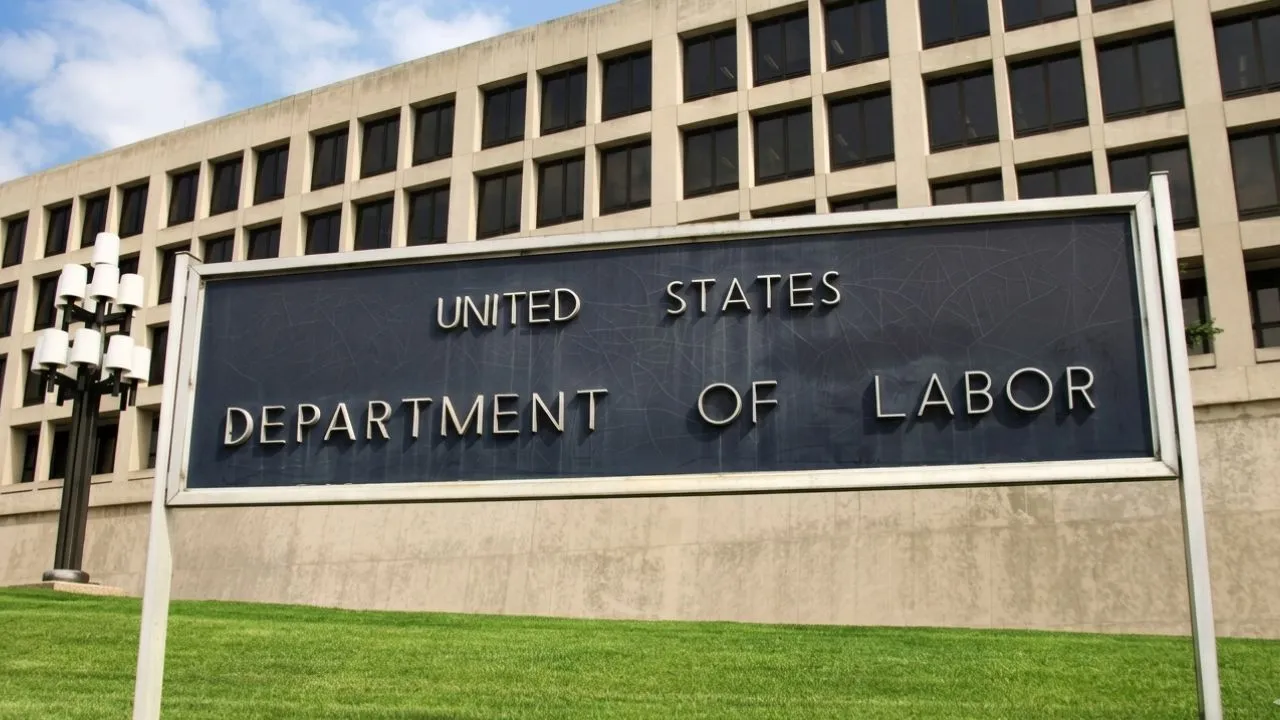
The first major post-meeting inflation report gave the Fed some evidence of progress. The Bureau of Labor Statistics reported on August 12 that the Consumer Price Index rose 0.1% in July after falling 0.4% in June. Consumer prices were 3.4% higher than a year earlier, down slightly from 3.5% in June.
Core CPI, which excludes food and energy, rose 0.2% for the month and 2.5% over the previous 12 months, down from 2.6%. BLS July 2026 Consumer Price Index report Those numbers point toward cooling inflation, but CPI is not the Fed’s formal inflation target.
The central bank targets 2% inflation over the longer run using the Personal Consumption Expenditures price index, making PCE data especially important for judging whether the condition described in the minutes is being met. Readers can see the distinction in Investozora’s explanation of the Federal Reserve’s 2% inflation target and its analysis of July CPI and core inflation.
The most recent official PCE report, released by the Bureau of Economic Analysis on July 30, showed the PCE price index 3.7% above a year earlier in June, while core PCE was up 3.3%. Both remained well above 2%. BEA June 2026 Personal Income and Outlays report
That June report largely confirmed the inflation estimates Fed staff had before the July meeting. What policymakers did not have then was the full set of July economic data now becoming available.
There is no single inflation number that automatically triggers a hike
One of the most important details in the minutes is what they do not contain. The Fed did not establish a CPI level, PCE reading or other numerical threshold at which it would automatically raise interest rates. “Inflation stays high” therefore should not be interpreted as a rule such as “PCE above 3% means a hike.”
No such trigger appears in the minutes. Policymakers are assessing the direction and breadth of inflation, inflation expectations, labor-market conditions, financial conditions and risks to both sides of the Fed’s mandate.
Some officials noted that underlying price pressures appeared elevated even after excluding categories most directly affected by tariffs and energy. The minutes also identify price pressure in areas including computer chips, steel, smartphones, computer equipment, software and electricity.
At the same time, medium- and longer-term measures of inflation expectations generally remained consistent with the Fed’s 2% objective. That combination helps explain why the Fed’s position is conditional: inflation is still too high for policymakers to declare victory, but the evidence does not yet establish that another increase is unavoidable.
A weaker July jobs report complicates the case for higher rates
Inflation is only one half of the Fed’s mandate. The July employment report, released August 7, showed nonfarm payroll employment fell by 23,000, while the unemployment rate was 4.1%. The Bureau of Labor Statistics also revised May and June payroll growth down by a combined 103,000 jobs from previously reported levels. BLS July 2026 employment report
That report arrived after the July FOMC meeting. It creates a different policy problem from the one policymakers faced when they gathered on July 28 and 29. The minutes describe labor-market conditions at the time as broadly stable, but the subsequent payroll data provide new evidence of weaker hiring.
The Fed therefore enters September balancing two risks: Inflation could remain too persistent, requiring tighter policy to restore price stability. Or employment conditions could weaken enough that raising rates would create unnecessary additional pressure on the economy. Neither outcome has been decided by the data available so far.
That is why a September hike should be treated as a conditional possibility, not as an action the Fed has already signaled it will take. Investozora’s September Fed rate-decision analysis tracks that distinction between a possible move and an actual decision.
Three major reports could reshape the September decision
The most useful way to read the August 19 minutes is not as a prediction. It is as a map of what evidence policymakers will be watching next. Three major U.S. data releases are scheduled before the Fed’s September meeting:
August 26, July PCE inflation. The Bureau of Economic Analysis is scheduled to publish July Personal Income and Outlays data, including the Fed’s preferred PCE inflation measures.
September 4, August employment report. The next payroll report will show whether July’s decline was an isolated weak month or part of a broader deterioration in hiring.
September 11, August CPI. The next consumer inflation report will give policymakers a second post-meeting CPI reading before they vote. The FOMC then meets September 15–16, according to the Federal Reserve’s 2026 schedule.
Those dates make the next several weeks particularly important. A sequence of cooler inflation readings could weaken the argument for additional tightening. Persistent or reaccelerating inflation, particularly if employment remains resilient, would strengthen the case described by the hawkish side of the July debate.
A further deterioration in employment could push in the opposite direction even if inflation remains uncomfortable. Investozora maintains the full 2026 FOMC meeting schedule for readers tracking upcoming policy decisions.
What higher Fed rates would, and would not, mean for households
If the Fed eventually raises its target range, the most immediate effect would be a tighter environment for short-term borrowing. Interest rates on products tied closely to benchmark or prime rates can respond relatively quickly, meaning borrowers carrying variable-rate debt may be more exposed to another tightening move. Investozora explains the transmission in its guide to how higher interest rates affect borrowing costs.
But the Federal Reserve does not directly set mortgage rates, Treasury yields or every consumer interest rate. Longer-term borrowing costs are influenced by expectations for future Fed policy, inflation, economic growth and bond-market conditions.
That is why mortgage rates or Treasury yields can move before a Fed meeting and can sometimes move in a different direction from the current federal funds rate. The relationship is explained further in Investozora’s guide to how the federal funds rate and Treasury yields interact and its analysis of the impact of a Fed rate hike on mortgage rates.
For savers, higher policy rates can also support yields on some savings products, although individual banks determine what they pay depositors and do not pass Fed changes through uniformly. The central point is that a possible future rate increase is not the same as an immediate change to every household interest rate.
What changed with the August 19 minutes
The Fed had already disclosed on July 29 that three voting members wanted a quarter-point increase. The August 19 minutes add substantially more detail about the reasoning behind that division. They establish that:
- several participants favored an immediate 25-basis-point increase;
- many participants believed additional tightening would likely become necessary if inflation failed to decline;
- some officials questioned whether financial conditions were restrictive enough to return inflation sustainably to 2%;
- most participants nevertheless expected inflation to ease over the remainder of the year; and
- policymakers continued to face risks on both inflation and employment.
That is the new information readers should take from the minutes. It does not mean the Fed has scheduled another rate hike. It means the bar for ruling one out is higher than the July vote alone might have suggested.
The bottom line
The Federal Reserve has put a clear condition around the possibility of higher interest rates: inflation needs to keep moving lower. Many policymakers said further tightening would likely be necessary if that progress failed to materialize. Several were already prepared to raise rates in July.
But the evidence since that meeting is mixed. July CPI cooled, while July payrolls weakened. The Fed’s preferred July PCE inflation reading has not yet been released. That leaves the September decision genuinely open.
The next test comes August 26 with July PCE inflation, followed by the August jobs report and August CPI before policymakers meet September 15–16.
Until those figures arrive, the strongest conclusion supported by the evidence is narrower than “the Fed will raise rates”: higher rates remain a live option if inflation proves more persistent than policymakers expect.








One thought on “Fed Signals Higher Interest Rates May Be Needed if Inflation Stays High @import url("https://fonts.googleapis.com/css2?family=Poppins:wght@400;500;600&family=Source+Sans+3:wght@400;500;600;700&display=swap"); /* ========================================= NORMAL BYLINE ========================================= */ .izo-clean-byline { display: flex; align-items: center; justify-content: space-between; width: 100%; max-width: 620px; gap: 16px; margin-top: 4px; margin-bottom: 16px; font-family: "Poppins", Arial, sans-serif; } .izo-clean-byline-content { display: flex; flex-direction: column; justify-content: center; align-items: flex-start; min-width: 0; gap: 4px; line-height: 1.12; transform: translateY(-4px); font-family: "Poppins", Arial, sans-serif; } .izo-clean-author-wrap { position: relative; display: inline-block; width: fit-content; line-height: 1.12; margin: 0; padding: 0; outline: none; } .izo-by-label { font-family: "Poppins", Arial, sans-serif; font-size: 14px; font-weight: 400; color: #111; line-height: 1.12; margin-right: 3px; } .izo-clean-author-name { position: relative; display: inline-block; font-family: "Poppins", Arial, sans-serif; font-size: 14px; font-weight: 600; color: #111; cursor: pointer; line-height: 1.12; padding: 0; margin: 0; text-decoration-line: underline; text-decoration-color: #111; text-decoration-thickness: 1px; text-underline-offset: 1px; } .izo-clean-author-name::after { display: none; } .izo-clean-meta { font-family: "Poppins", Arial, sans-serif; font-size: 11px; font-weight: 400; color: #555; line-height: 1.12; margin: 0; padding: 0; } /* ========================================= RIGHT ACTIONS GOOGLE + SHARE ========================================= */ .izo-byline-actions { display: flex; align-items: center; justify-content: flex-end; gap: 7px; flex: 0 0 auto; position: relative; top: 6px; } /* ========================================= GOOGLE SOURCE BADGE ========================================= */ .izo-google-source-badge { display: inline-flex; align-items: center; justify-content: center; width: 34px; height: 34px; min-width: 34px; flex: 0 0 34px; padding: 6px; margin: 0; box-sizing: border-box; background: #ffffff !important; border: 1px solid rgba(85,85,85,0.30) !important; border-radius: 6px; box-shadow: none !important; text-decoration: none !important; overflow: hidden; transition: border-color 0.18s ease, background-color 0.18s ease; } .izo-google-source-badge img { display: block; width: 100%; height: 100%; max-width: 100%; object-fit: contain; object-position: center; margin: 0; padding: 0; border: 0 !important; border-radius: 0 !important; background: transparent !important; box-shadow: none !important; } .izo-google-source-badge:hover { background: #ffffff !important; border-color: rgba(85,85,85,0.45) !important; box-shadow: none !important; transform: none !important; } .izo-google-source-badge:focus { background: #ffffff !important; outline: 1px solid rgba(85,85,85,0.45); outline-offset: 2px; box-shadow: none !important; } /* ========================================= SHARE BUTTON ========================================= */ .izo-share-button { display: inline-flex; align-items: center; justify-content: center; width: 34px; height: 34px; min-width: 34px; flex: 0 0 34px; padding: 7px; margin: 0; box-sizing: border-box; background: #ffffff !important; border: 1px solid rgba(85,85,85,0.30) !important; border-radius: 6px; box-shadow: none !important; color: #333333 !important; cursor: pointer; text-decoration: none !important; overflow: hidden; appearance: none; -webkit-appearance: none; transition: border-color 0.18s ease, color 0.18s ease, background-color 0.18s ease; } .izo-share-button svg { display: block; width: 18px; height: 18px; fill: none; stroke: currentColor; stroke-width: 1.8; stroke-linecap: round; stroke-linejoin: round; margin: 0; padding: 0; } .izo-share-button:hover { background: #ffffff !important; border-color: rgba(85,85,85,0.45) !important; color: #111111 !important; box-shadow: none !important; transform: none !important; } .izo-share-button:focus { background: #ffffff !important; outline: 1px solid rgba(85,85,85,0.45); outline-offset: 2px; box-shadow: none !important; } /* ========================================= AUTHOR DETAILS CARD ========================================= */ .izo-clean-author-tooltip { position: absolute; top: calc(100% + 10px); left: 0; width: 440px; max-width: calc(100vw - 40px); background: #fff; color: #333; border: 1px solid #e5e5e5; border-radius: 8px; padding: 16px; font-family: "Source Sans 3", Arial, sans-serif; font-size: 13px; font-weight: 400 !important; line-height: 1.55; box-shadow: 0 8px 24px rgba(0,0,0,0.10); opacity: 0; visibility: hidden; transform: translateY(5px); transition: opacity 0.2s ease, transform 0.2s ease, visibility 0.2s ease; z-index: 9999; pointer-events: none; } /* ========================================= IMAGE + BIO ========================================= */ .izo-tooltip-main { display: flex; align-items: flex-start; gap: 14px; width: 100%; } .izo-tooltip-image { width: 96px; height: 96px; flex: 0 0 96px; object-fit: cover; object-position: center; display: block; border-radius: 6px; margin: 0; padding: 0; } .izo-tooltip-bio { flex: 1 1 auto; min-width: 0; font-family: "Source Sans 3", Arial, sans-serif; font-size: 13px; font-weight: 400; line-height: 1.55; color: #333; margin: 0; padding: 0; } .izo-clean-author-tooltip strong { font-family: "Source Sans 3", Arial, sans-serif; font-weight: 400 !important; } /* ========================================= DESKTOP HOVER ========================================= */ .izo-clean-author-wrap:hover .izo-clean-author-tooltip { opacity: 1; visibility: visible; transform: translateY(0); pointer-events: auto; } /* ========================================= KEYBOARD / MOBILE TAP ========================================= */ .izo-clean-author-wrap:focus .izo-clean-author-tooltip, .izo-clean-author-wrap:focus-within .izo-clean-author-tooltip { opacity: 1; visibility: visible; transform: translateY(0); pointer-events: auto; } /* ========================================= POPUP FOOTER SOCIALS | READ PROFILE ========================================= */ .izo-tooltip-footer { display: flex; align-items: center; gap: 14px; margin-top: 16px; width: 100%; } .izo-tooltip-socials { display: flex; align-items: center; gap: 14px; margin: 0; padding: 0; } .izo-tooltip-socials a { display: inline-flex; align-items: center; justify-content: center; width: 24px; height: 24px; color: #222; text-decoration: none; border: none; transition: opacity 0.2s ease, transform 0.2s ease; } .izo-tooltip-socials a:hover { opacity: 0.72; transform: translateY(-1px); } .izo-tooltip-socials svg { width: 21px; height: 21px; fill: currentColor; display: block; } /* Grey separator */ .izo-tooltip-separator { display: inline-flex; align-items: center; justify-content: center; color: #b5b5b5; font-family: "Source Sans 3", Arial, sans-serif; font-size: 20px; font-weight: 400; line-height: 1; margin: 0 1px; } /* Read profile */ .izo-clean-author-tooltip .izo-profile-link { display: inline-block; font-family: "Source Sans 3", Arial, sans-serif; font-size: 13px; font-weight: 600; color: #1a73e8; text-decoration: none; border-bottom: 1px solid #1a73e8; line-height: 1.25; white-space: nowrap; } /* ========================================= MOBILE ========================================= */ @media (max-width: 650px) { .izo-clean-byline { display: flex; flex-direction: row; align-items: center; justify-content: space-between; width: 100%; max-width: 100%; gap: 7px; margin-top: 3px; margin-bottom: 14px; flex-wrap: nowrap; } .izo-clean-byline-content { display: flex; flex-direction: column; flex: 1 1 auto; min-width: 0; max-width: calc(100% - 68px); gap: 3px; line-height: 1.12; transform: translateY(-4px); } .izo-clean-author-wrap { line-height: 1.12; margin: 0; padding: 0; max-width: 100%; white-space: nowrap; } .izo-by-label { font-size: 12px; line-height: 1.12; margin-right: 3px; } .izo-clean-author-name { font-size: 12px; font-weight: 600; line-height: 1.12; padding: 0; margin: 0; text-underline-offset: 1px; white-space: nowrap; } .izo-clean-meta { font-size: 9.5px; line-height: 1.12; margin: 0; padding: 0; color: #555; white-space: nowrap; } /* ========================================= GOOGLE + SHARE MOBILE STAY ON SAME ROW ========================================= */ .izo-byline-actions { display: flex; flex-direction: row; align-items: center; justify-content: flex-end; gap: 5px; flex: 0 0 auto; white-space: nowrap; position: relative; top: 5px; } /* GOOGLE MOBILE */ .izo-google-source-badge { width: 28px; height: 28px; min-width: 28px; flex: 0 0 28px; padding: 5px; border-radius: 5px; background: #ffffff !important; border: 1px solid rgba(85,85,85,0.30) !important; box-shadow: none !important; margin: 0; } .izo-google-source-badge img { width: 100%; height: 100%; } /* SHARE MOBILE */ .izo-share-button { width: 28px; height: 28px; min-width: 28px; flex: 0 0 28px; padding: 6px; border-radius: 5px; background: #ffffff !important; border: 1px solid rgba(85,85,85,0.30) !important; box-shadow: none !important; margin: 0; } .izo-share-button svg { width: 15px; height: 15px; stroke-width: 1.8; } /* ========================================= MOBILE AUTHOR CARD ========================================= */ .izo-clean-author-tooltip { width: min(340px, calc(100vw - 32px)); max-width: calc(100vw - 32px); padding: 14px; left: 0; font-size: 12.5px; line-height: 1.5; } .izo-tooltip-main { gap: 11px; align-items: flex-start; } .izo-tooltip-image { width: 82px; height: 82px; flex: 0 0 82px; border-radius: 5px; } .izo-tooltip-bio { font-size: 12.5px; line-height: 1.5; } /* Mobile footer */ .izo-tooltip-footer { gap: 11px; margin-top: 14px; flex-wrap: nowrap; } .izo-tooltip-socials { gap: 12px; } .izo-tooltip-socials a { width: 22px; height: 22px; } .izo-tooltip-socials svg { width: 20px; height: 20px; } .izo-tooltip-separator { font-size: 18px; margin: 0; } .izo-clean-author-tooltip .izo-profile-link { font-size: 12.5px; line-height: 1.2; } }
ByAdarsha Dhakal

Adarsha Dhakal is the Founder and Editor of Investozora, an independent U.S. financial news publication he launched in August 2025. He covers IRS tax refunds, Social Security benefit payments, federal payment systems, Federal Reserve policy, and U.S. Treasury operations, explaining how government financial decisions affect the daily lives of American households. All reporting is sourced directly from official government records including IRS.gov, SSA.gov, FederalReserve.gov, and fiscal.treasury.gov.
|
Read full profile →
Published Aug 20, 2026 · 4:42 PM ET · Updated 2 months ago

”