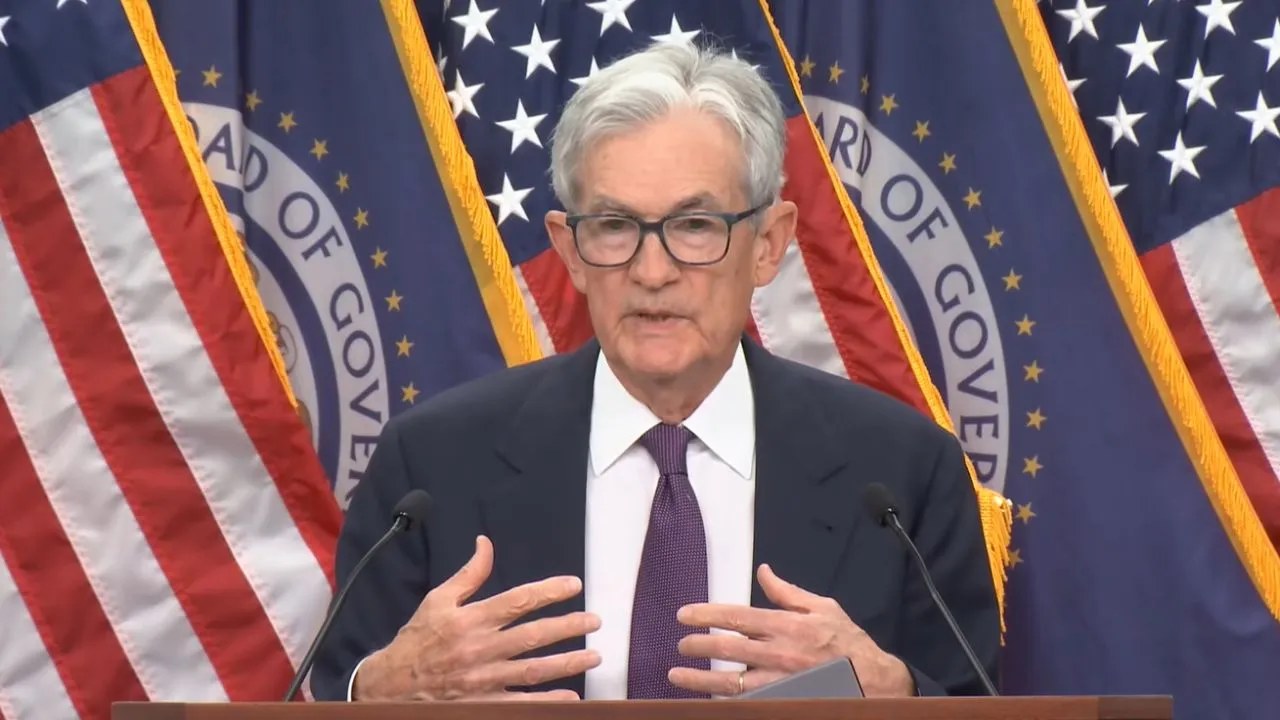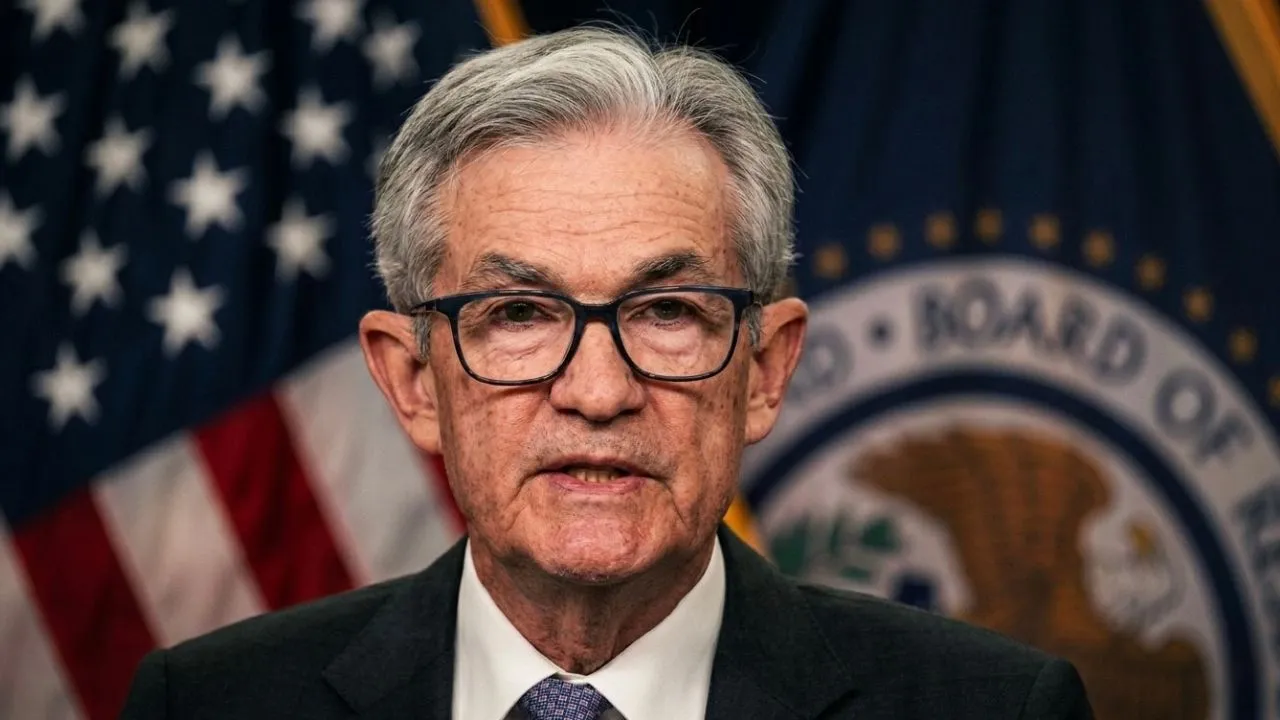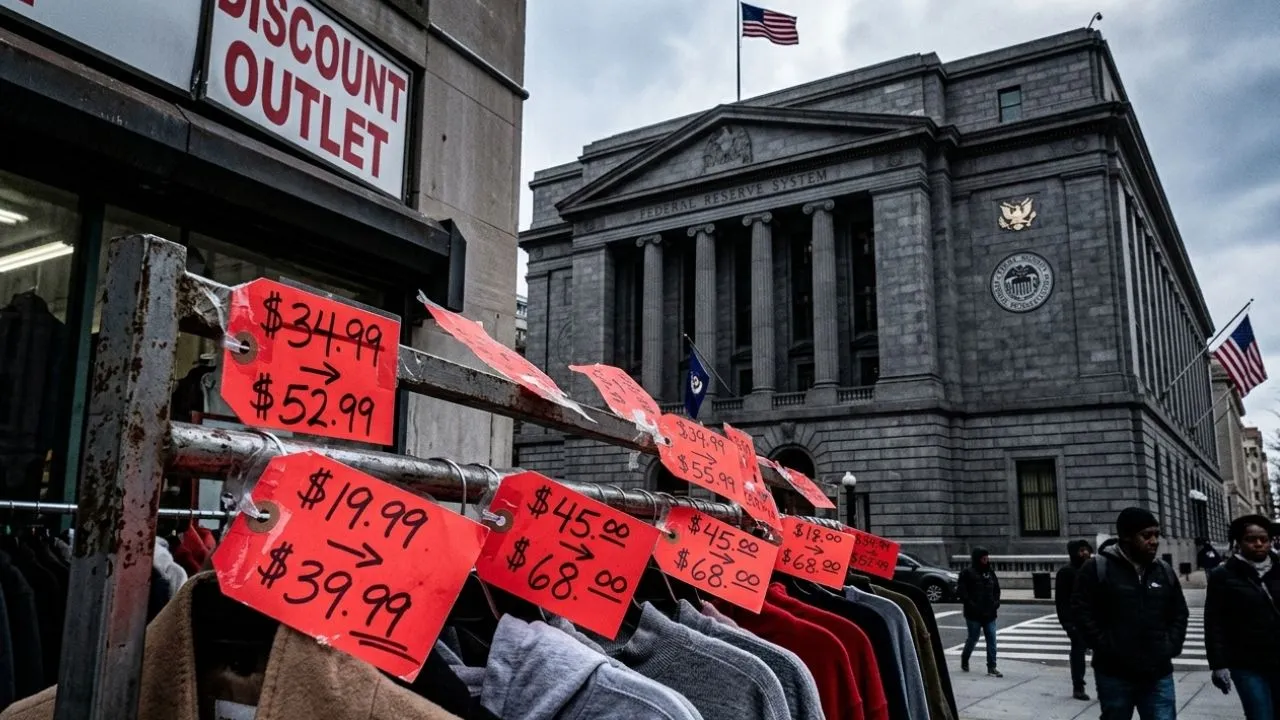

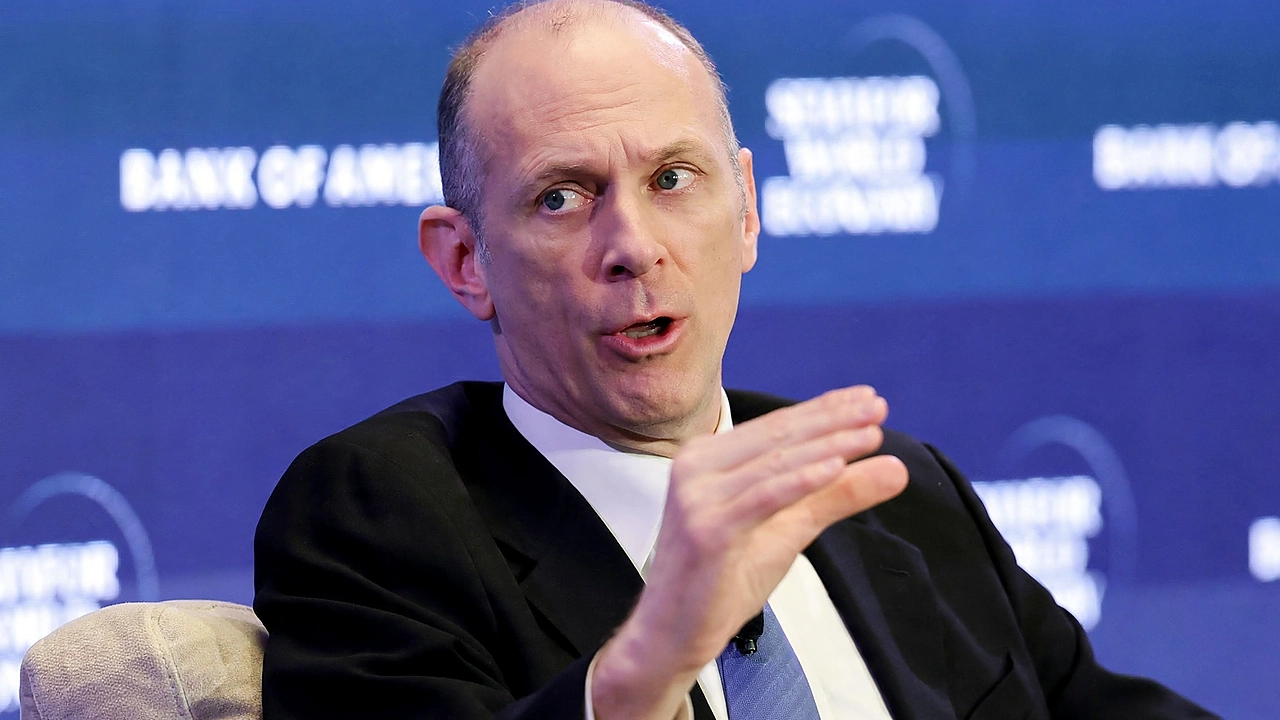
Chicago Federal Reserve President Austan Goolsbee said Monday that persistent U.S. inflation can no longer automatically be treated as a temporary result of tariffs, oil prices and other supply shocks, warning that signs of overheating demand could require a stronger monetary-policy response.
Speaking at an Official Monetary and Financial Institutions Forum event in London on September 21, Goolsbee said he is watching elevated services inflation and the surge in artificial-intelligence investment for evidence that demand is running beyond what the economy can sustainably absorb. His complete Chicago Fed remarks on monetary policy and persistent supply shocks make clear that these were his own policy views, not a new decision by the Federal Open Market Committee.
Goolsbee said there would be “no ambiguity” about how monetary policy should respond if the economy were experiencing demand-driven overheating. His concern is that inflation may no longer be explained entirely by negative supply shocks such as tariffs, commodity prices and oil.
He specifically pointed to inflation in service industries and the possibility that AI data-center construction could raise aggregate demand faster than the economy’s productive capacity. Those conditions, he said, could look more like traditional demand overheating, for which higher interest rates are a more direct policy tool.
That concern builds on an argument Goolsbee made earlier this year. In his May remarks at the Hoover Institution Monetary Policy Conference, he argued that expected future productivity gains from AI could cause households and businesses to pull spending and investment forward. In that scenario, demand can rise before the economy receives the full productive benefit, potentially requiring higher interest rates to prevent overheating.
The September comments therefore deepen rather than reverse his earlier position. What has changed is the immediate inflation backdrop. Goolsbee said repeated supply shocks have lasted much longer than the temporary disturbances central banks traditionally try to “look through.” If those shocks remain persistent, he argued, policymakers cannot simply wait indefinitely for inflation to fall on its own.
The comments came five days after the FOMC raised its target range for the federal funds rate to 3.75%–4.00%. The official September 16 FOMC statement said economic activity was expanding at a solid pace, domestic spending remained resilient and inflation was still elevated. The Committee approved that quarter-point increase unanimously.
Goolsbee’s comments should not be read as a commitment to another specific rate increase. He is an alternate FOMC member in 2026, and the Chicago Fed’s published remarks explicitly state that his views are his own and do not necessarily represent the Federal Reserve System or the FOMC.
Instead, his message establishes a condition policymakers may watch closely: whether inflation is being sustained mainly by constrained supply or increasingly by excess demand.
That distinction matters because Goolsbee said a persistent supply shock may warrant a less aggressive response than demand overheating, while neither can simply be ignored if inflation remains above the Fed’s goal.
Investozora has also reported how the latest Fed decision interacts with strong retail spending and how other policymakers, including Neel Kashkari, have argued that inflation remains too high beyond the oil shock. The next scheduled FOMC meeting is October 27–28, according to the Fed’s current meeting calendar.