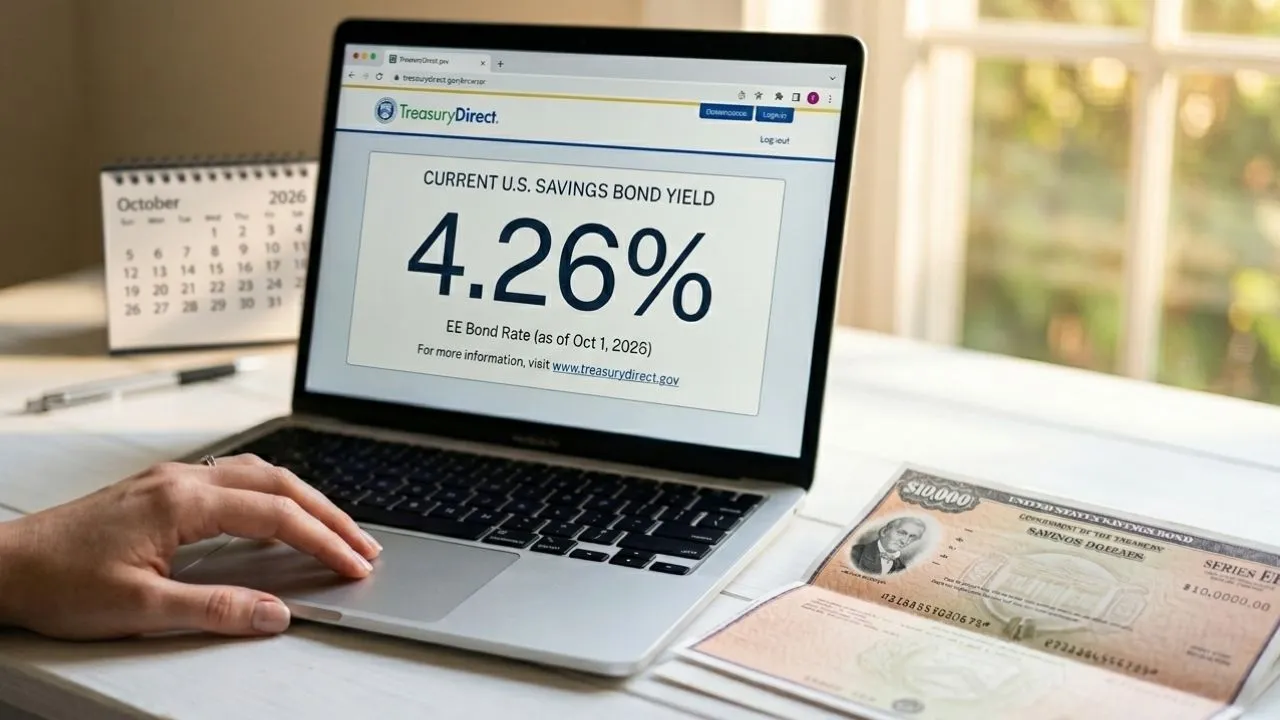


The 10-year U.S. Treasury yield remained above 5.15% on Friday, extending a sharp repricing in the government bond market after yields surged across the curve over the previous two sessions. Early Friday market data put the benchmark yield around 5.19%, while the U.S. Treasury’s latest completed daily par-yield reading was 5.18% for September 24.
That leaves the 10-year yield about 1 basis point above Thursday’s official Treasury reading and roughly 22 basis points higher than the 4.96% level recorded on September 22. The U.S. Treasury’s daily Treasury par yield curve data shows the 10-year moving from 5.10% on September 23 to 5.18% on September 24, illustrating how quickly long-term borrowing costs have repriced this week.
Stronger U.S. Activity Keeps Rate Expectations in Focus
The move came as investors assessed a stronger-than-expected batch of U.S. economic information. S&P Global reported that its preliminary September U.S. PMI showed business activity accelerating sharply while cost pressures remained elevated, leaving markets to weigh stronger growth against continuing inflation risks, according to its September U.S. business activity report.
The Federal Reserve has already raised its federal funds target by a quarter percentage point to 3.75%-4% at its September 15-16 meeting. In its latest projections, the Fed put median 2026 PCE inflation at 3.7%, while 17 of 18 participants assessed the risks to inflation as weighted to the upside in the September 2026 FOMC statement and projections.
That policy backdrop matters for the Treasury market because a higher expected path for short-term rates can affect the yields investors demand across longer maturities. Investozora’s earlier September 24 Treasury yield report provides the previous stage of the move above the 5.10% threshold.
The Long End Remains Under Pressure
The pressure is not confined to the 10-year note. The Treasury’s September 24 curve showed the 30-year yield at 5.47%, compared with 4.99% for the 2-year note. The rise at the long end keeps attention focused on financing costs for households, businesses and the federal government rather than on the Fed’s policy rate alone, as shown in the Treasury’s official yield-curve data.
For households, the 10-year Treasury is an important market reference for longer-term borrowing costs, although mortgage rates do not move one-for-one with the Treasury yield. Investozora’s September 24 mortgage-rate coverage explains how the bond-market move is feeding into the broader borrowing-cost picture.
Treasury is also continuing its expanded long-end liquidity-support buyback program. The department said in August that it would at least double the maximum size of certain longer-dated buyback operations beginning September 9 and continuing through the current refunding quarter, according to Treasury’s buyback announcement.
What Markets Are Watching Next
The next major U.S. data points come Friday morning. The Census Bureau scheduled its advance August durable-goods report for 8:30 a.m. Eastern Time, followed by the University of Michigan’s final September consumer-sentiment data at 10 a.m. ET, according to the Census Bureau’s economic indicators calendar.
Those releases will give investors another test of economic demand and household conditions after this week’s stronger activity readings. The immediate question for the Treasury market is whether the latest data reinforce the case for persistently high rates or provide evidence that the recent rise in yields has gone further than the incoming economic information warrants.