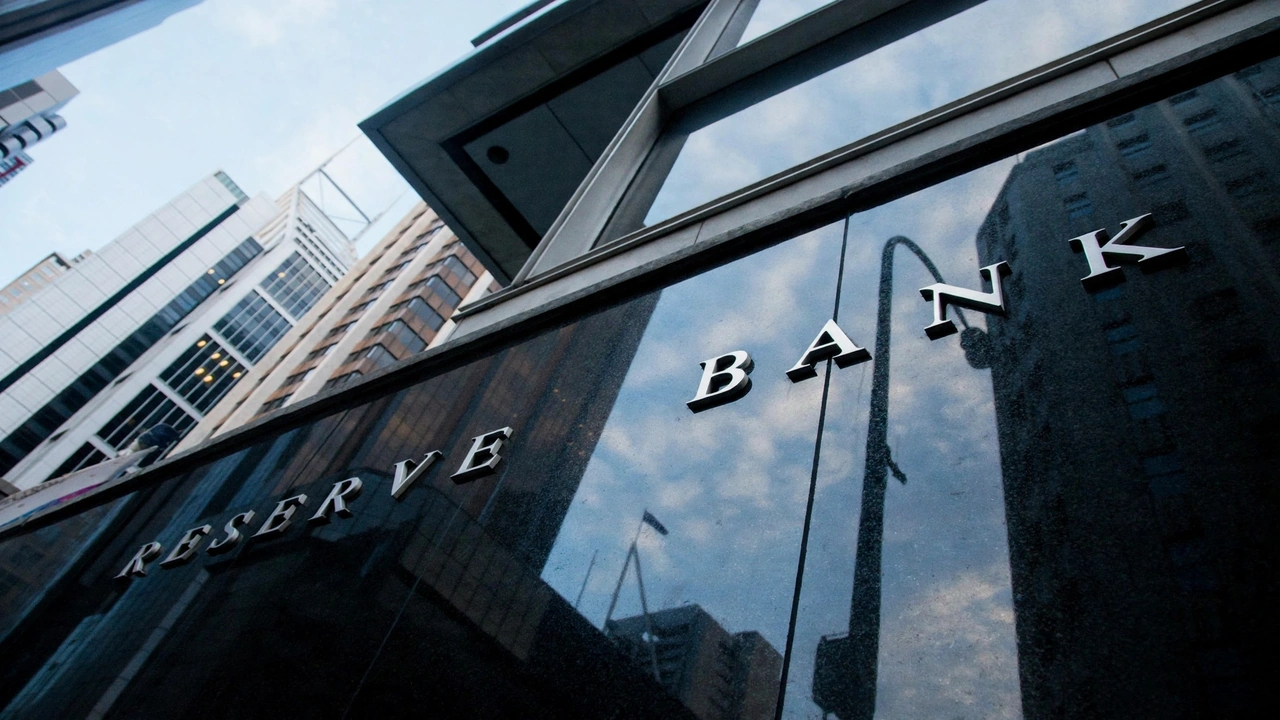
Australia’s central bank raised interest rates to 4.85% on Tuesday, November 3, taking borrowing costs to their highest level since 2008 as persistent inflation forced policymakers to tighten monetary policy despite a weakening housing market and rising unemployment.
The Reserve Bank of Australia (RBA) increased its cash rate target by 25 basis points from 4.60%, marking its fifth rate increase of 2026. The new target takes effect on November 4 and represents a further increase in financing costs for Australian households and businesses already facing pressure from higher prices.
The decision also exposed a growing division among policymakers. Six board members supported the increase, while three preferred to leave rates unchanged. The split contrasted with the September decision, when the board unanimously raised the cash rate to 4.60%.
Australia’s latest increase comes after inflation accelerated again. According to the Australian Bureau of Statistics, consumer prices rose 4.3% in the 12 months through September, compared with 4.0% in August. Annual trimmed mean inflation, a measure designed to reduce the influence of unusually large price movements, increased to 3.6% from a revised 3.5%.
Both measures remain above the RBA’s 2%–3% inflation target. Housing costs and higher fuel prices contributed to the latest inflation pressures, while the central bank warned that rising costs were spreading through a wider range of goods and services.
In its November policy statement, the RBA revised its inflation outlook materially higher, citing global energy prices, domestic capacity constraints and persistent cost pressures. The bank now expects headline and underlying inflation to remain above 3% until the end of 2027, with inflation returning to the midpoint of its target range around mid-2028.
That represents a meaningful deterioration from its August forecast. The central bank said inflation is now expected to return to the upper boundary of its target range approximately three quarters later than previously anticipated.
Higher energy costs linked to the Middle East conflict remain a major source of uncertainty. But policymakers also identified domestic pressures, including business costs and technology-related investment, suggesting that inflation cannot be explained by oil prices alone.
The central bank’s concern is that businesses and households may begin expecting higher inflation to persist. If those expectations influence wage negotiations and pricing decisions, inflation could become harder to bring down without additional economic restraint.
For Australian mortgage borrowers, the immediate concern is the potential for higher repayments. The official cash rate is the benchmark for overnight lending between financial institutions, not the interest rate households pay directly. Banks determine their own mortgage and deposit rates, meaning the timing and size of changes for individual customers can differ.
As an illustration, a 0.25-percentage-point increase on an outstanding variable-rate mortgage balance of A$500,000 corresponds to A$1,250 in additional annual interest, or approximately A$104 per month, before accounting for principal repayments, loan terms and changes in the outstanding balance. This is a simplified calculation, not an estimate of the actual repayment change for every borrower.
Savers could benefit if financial institutions raise deposit rates, although there is no guarantee that banks will pass through the full increase. The decision arrives as Australia’s economy shows clearer signs of strain.
The RBA reported that housing prices in September were almost 5% below their March peak, while unemployment averaged 4.6% during the September quarter. Higher interest rates are expected to weigh further on household consumption, residential construction and economic growth.
The bank’s forecasts now anticipate unemployment rising to slightly above 5% by the end of 2028. Employment is still expected to grow, but policymakers face the challenge of controlling inflation without causing a sharper deterioration in the labor market.
Australia’s decision also has international significance as central banks respond to renewed inflation pressures and changes in global financing conditions. Investozora’s earlier November market outlook identified the RBA meeting as a major event for global currency markets, while its central-bank preview examined the changing interest-rate outlook across advanced economies. Those forecasts preceded Tuesday’s confirmed decision.
The Australian increase comes against a different immediate policy backdrop in the United States, where the Federal Reserve’s October rate decision left U.S. rates unchanged. The comparison illustrates differences in policy timing rather than evidence that Australia’s move directly determines U.S. borrowing costs.
The central banks nevertheless face related questions about inflation pressures, elevated energy costs and the risk of keeping monetary policy restrictive for too long. Investozora has also examined how oil supply disruptions can complicate interest-rate decisions, although the effects depend on each country’s inflation and economic conditions.
Importantly, Tuesday’s RBA statement did not commit policymakers to another rate increase. Unlike September’s announcement, which explicitly referred to additional increases if needed, the latest statement emphasized incoming data and the evolving balance of risks.
The next major Australian inflation release is scheduled for November 25, when official figures for October are due. The RBA is scheduled to publish minutes of its November meeting on November 17, before its next monetary policy decision on December 8.
Those releases will help establish whether inflation is responding to higher borrowing costs quickly enough to allow the central bank to pause, or whether further tightening remains necessary.