
Updated: May 21, 2026 – The Federal Reserve is the central bank of the United States. It sets the interest rate that determines what every American earns on savings, pays on a mortgage, and receives in Social Security cost-of-living adjustments.
It operates the FedACH payment network that physically moves every federal direct deposit, including Social Security payments and IRS refunds, from a government computer to your bank account.
Congress created it through the Federal Reserve Act of 1913. As of May 2026, Kevin Warsh serves as its 17th confirmed chair following a 54–45 Senate vote on May 12, 2026. This article explains every Federal Reserve function in the exact sequence it affects your money, sourced entirely to federalreserve.gov and congress.gov.
What You Need to Know First
- The Federal Reserve sets the federal funds rate, currently 3.50%–3.75% as of May 2026, and that single number determines what your savings account pays, what your mortgage costs, and what your credit card charges.
- The Fed is not a government agency. Congress created it through the Federal Reserve Act of 1913, and it operates as an independent entity under federal law, according to Fed.
- Kevin Warsh was confirmed as the 17th Federal Reserve Chair by a 54–45 Senate vote on May 12, 2026. Jerome Powell serves as chair pro tempore until Warsh is sworn in.
- Every Social Security payment, IRS refund, and federal payroll deposit clears through the Federal Reserve’s FedACH payment network, the Fed is the infrastructure your money physically moves through.
- The Federal Open Market Committee meets 8 times per year. Its next meeting is June 16–17, 2026, Warsh’s first as chair. That meeting could change your savings rate, your mortgage rate, and your 2027 Social Security COLA within 48 hours.
What the Federal Reserve Is and What It Is Not
Congress created the Federal Reserve on December 23, 1913, by passing the Federal Reserve Act. President Woodrow Wilson signed it into law that same day. You can read the full statutory text at congress.gov. The Federal Reserve is the central bank of the United States, the bank that all other banks bank with.
Here is what most people get wrong: the Federal Reserve is not a government agency. It is not part of the Treasury Department. It is not funded by Congress through annual appropriations.
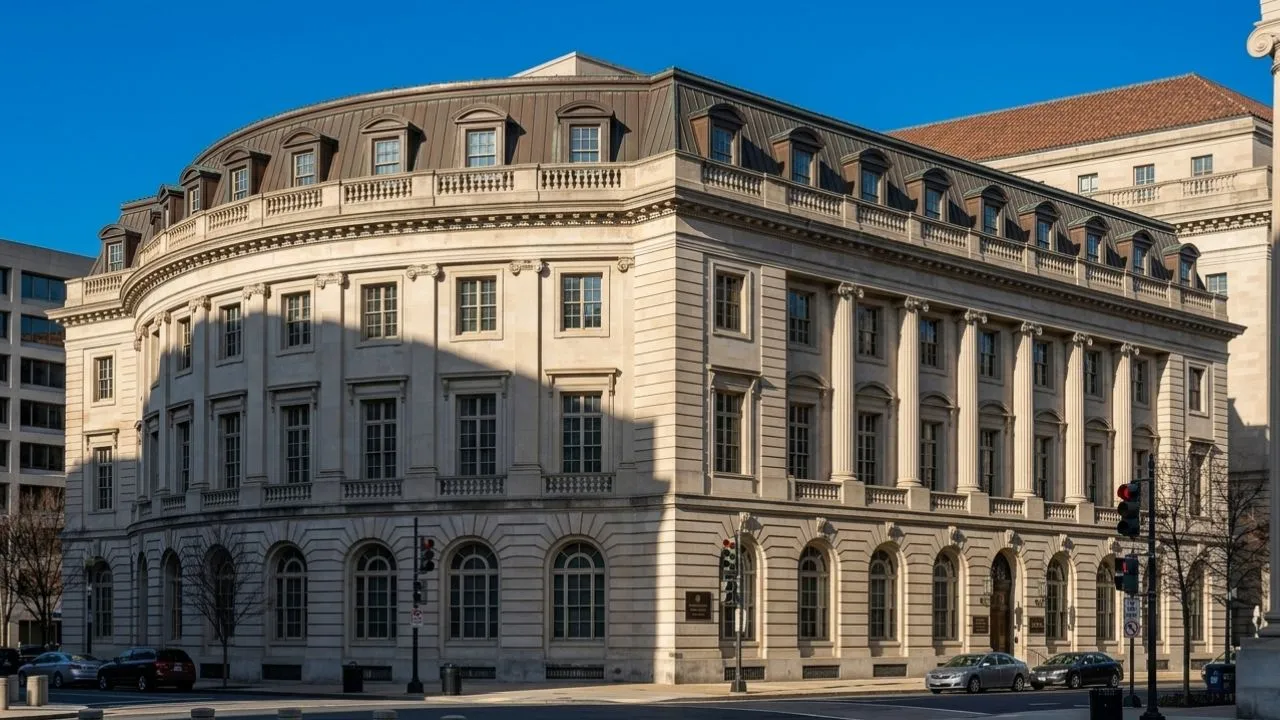
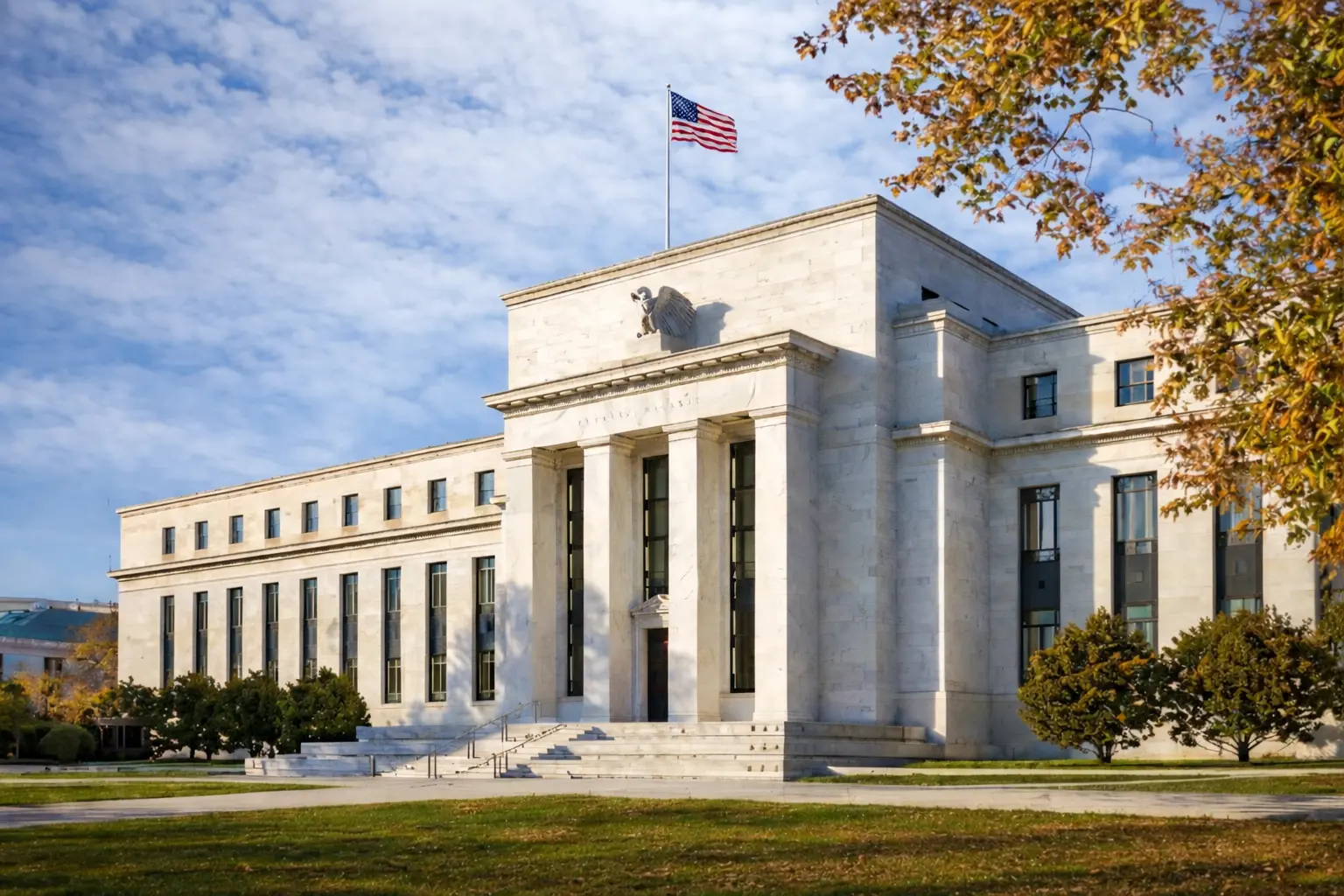
It is an independent entity established by federal law, governed by the Board of Governors in Washington D.C., and it funds its own operations through the interest income it earns on the securities it holds, according to federalreserve.gov/aboutthefed.
The Board of Governors has seven members. The President of the United States nominates each governor. The Senate confirms each one. Their terms run 14 years, deliberately longer than any presidential administration, to insulate monetary policy decisions from short-term political pressure.
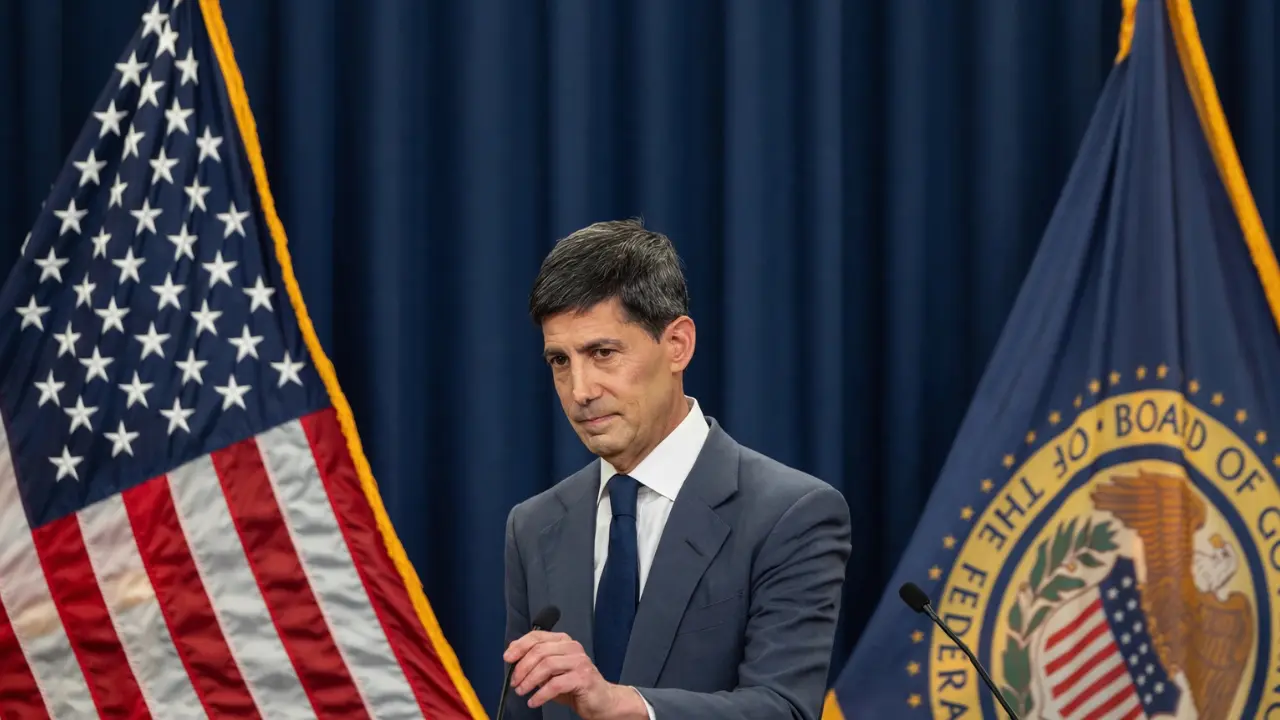
The chair of the Federal Reserve is appointed by the President for a 4-year renewable term, also subject to Senate confirmation. As of May 21, 2026, Kevin Warsh holds that appointment after the Senate’s 54-45 confirmation vote on May 12, 2026.
The Federal Reserve System includes 12 regional Federal Reserve Banks located in Boston, New York, Philadelphia, Cleveland, Richmond, Atlanta, Chicago, St. Louis, Minneapolis, Kansas City, Dallas, and San Francisco. Each regional bank supervises banks in its district and contributes presidents who rotate onto the rate-setting committee.
The Three Functions That Touch Your Money Every Single Day
The Federal Reserve has three core operating functions. Every American interacts with all three, whether they know it or not.
Function One: Monetary Policy
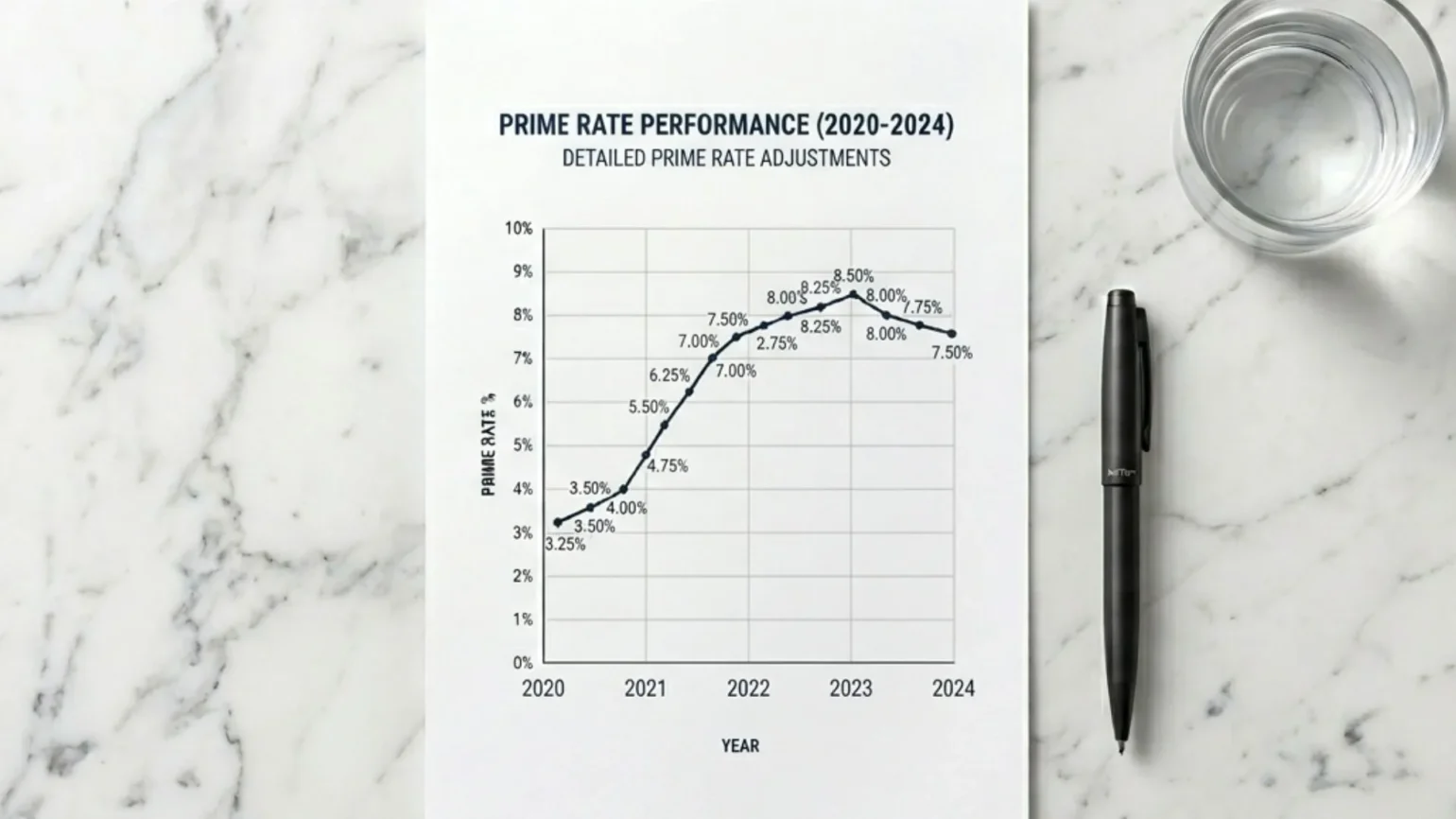
The Federal Reserve’s most powerful tool is the federal funds rate. This is the interest rate at which banks lend reserves to each other overnight. The Federal Open Market Committee sets a target range for this rate at each of its 8 annual meetings. As of the May 6–7 rate decision, that target range sits at 3.50%–3.75%, according to federalreserve.gov/monetarypolicy.
When the FOMC raises that rate by 0.25 percentage points, a standard increment, it costs banks more to borrow money overnight. Banks pass that cost to you in the form of higher mortgage rates, higher credit card APR, and higher auto loan rates.
The same move rewards savers: banks compete harder for your deposit dollars, which is why high-yield savings accounts pay more when the federal funds rate is high. The FOMC’s May 2026 rate signals show the committee watching inflation data closely before deciding whether June 16 brings a hold or a hike.
Function Two: Bank Supervision and Regulation
The Federal Reserve supervises and regulates state-chartered member banks, bank holding companies, and foreign banking organizations operating in the United States.
When a bank fails an examination, when its capital ratios fall below safe thresholds or its risk management practices are deficient, the Fed can restrict its activities, require it to raise capital, or in extreme cases facilitate its resolution.
This is why your deposits at a Fed-member bank are structurally safer than an unregulated lender. The FDIC bank failure framework operates in close coordination with the Fed’s supervisory function.
Function Three: Payment System Operation
This is the function that affects you most directly and that almost no one explains correctly. The Federal Reserve operates two critical payment systems: Fedwire and FedACH, according to federalreserve.gov/paymentsystems.
Fedwire handles large-value, time-critical transfers, the kind that move hundreds of millions of dollars between financial institutions in real time. FedACH handles the Automated Clearing House transactions that move your paycheck, your Social Security deposit, your IRS refund, and your automatic bill payments.
Every federal payment in the United States, every single one, clears through FedACH. This means the Federal Reserve is not just the institution that sets your savings rate. It is the infrastructure your money physically moves through on its way from the government to your bank account.
How the Federal Reserve Affects Your Savings Account Down to the Dollar
When the FOMC raises the federal funds rate, the sequence that follows is mechanical and fast. Here is exactly what happens in the 72 hours after a rate hike announcement.
The FOMC announces its decision at 2:00 PM Eastern time on the second day of its meeting. Within hours, the largest online banks, Ally, Marcus, SoFi, and similar institutions update their savings rate pages. Within 72 hours, most high-yield savings accounts have reflected the new rate. Traditional brick-and-mortar banks move more slowly, often taking 2–4 weeks.
At the current federal funds rate of 3.50%–3.75%, high-yield savings accounts are paying between 3.50% APY and 4.50% APY in May 2026. On a $10,000 balance, the difference between a 0.50% APY account at a traditional bank and a 4.50% APY account at a high-yield institution is $400 per year in interest income, money you are either collecting or leaving behind based entirely on which institution you chose.
The May 20 FOMC minutes released this week, from the May 6–7 meeting, reveal committee members’ views on whether the current rate level is sufficiently restrictive. Those views determine whether your savings rate goes up, stays flat, or falls after June 16.
The savings rate impact of any FOMC decision materializes within two business days for online banks. To understand how the Fed controls the specific mechanism that links its overnight rate to your savings account APY, see that dedicated explainer.
For what Warsh’s confirmation means for savings rates specifically, see the analysis published on his confirmation date. The savings rate watch guide explains exactly which metrics to monitor in the 48 hours before and after each FOMC decision.
How the Federal Reserve Affects Your Mortgage Rate
Here is the single most important thing to understand about mortgage rates: the Federal Reserve does not set them. The Fed sets the federal funds rate, an overnight rate for banks. Your 30-year mortgage rate is determined primarily by the yield on the 10-year U.S. Treasury note.
The connection is indirect but powerful. When the FOMC raises the federal funds rate, short-term Treasury yields rise immediately. Investors then reassess their return requirements across the entire yield curve.
As short-term yields rise, long-term yields, including the 10-year Treasury, tend to follow, though not always at the same pace or magnitude. Mortgage-backed securities must offer competitive yields relative to Treasuries to attract investor capital. When Treasury yields rise, mortgage rates must rise too, or investors move their money elsewhere.
The practical result: in a rate-hiking cycle, a borrower taking out a $350,000 30-year mortgage might pay $300–$500 more per month than a borrower who locked in during a low-rate environment. Over 30 years, that difference compounds to $108,000–$180,000 in total interest paid.
When the Fed cuts rates, which the market is beginning to anticipate based on April jobs report signals, mortgage rates typically follow within 4–8 weeks, though the relationship is not guaranteed or linear.
The Treasury General Account and the broader Treasury budget dynamics also influence how much Treasury supply hits the market, which in turn affects yields and mortgage rates.
How the Federal Reserve Affects Your Social Security Check
The connection between the Federal Reserve and your Social Security benefit is not direct. It runs through inflation, and the path is precisely measurable.
The Social Security Administration calculates the annual Cost-of-Living Adjustment using the Consumer Price Index for Urban Wage Earners and Clerical Workers, CPI-W, published by the Bureau of Labor Statistics.
The COLA formula takes the average CPI-W reading for July, August, and September of each year and compares it to the same three-month average from the prior year. The percentage difference becomes the next year’s COLA, which takes effect in January.
The Federal Reserve’s primary mechanism for controlling inflation is raising the federal funds rate. Higher rates cool consumer spending, reduce business investment, and slow the price increases that feed CPI-W.
A hawkish Fed, one that keeps rates high for an extended period, produces lower inflation readings. Lower inflation readings produce lower COLA calculations.
Here is what that means in dollars. The 2027 COLA forecast currently projects approximately 3.9% based on April 2026 CPI-W data. A Social Security beneficiary receiving $1,800 per month would receive approximately $70 more per month under a 3.9% COLA, or $840 more per year.
Whether that COLA rises or falls depends partly on whether the FOMC raises rates at the June 16 meeting and whether those higher rates successfully reduce inflation in the July–September measurement window.
The April CPI report and its impact on the 2027 COLA calculation is documented in detail. The connection between PPI inflation data and the Fed’s rate decisions and how that chain reaches your Social Security check is analyzed in the April PPI explainer.
For a full breakdown of how Medicare offsets reduce the net COLA benefit, and how the Fed’s inflation policy is the upstream variable in that entire calculation, see the Medicare COLA interaction article.
The Social Security buying power article documents what inflation has already cost recipients in real purchasing terms and why the Fed’s rate decisions in 2025–2026 determine whether that erosion continues or reverses.
How the Federal Reserve Affects Your Direct Deposit Timing
When your Social Security payment, IRS refund, or federal salary is described as “pending” in your bank account on the day before its official payment date, you are watching the Federal Reserve’s settlement infrastructure in real time. Here is the precise seven-step sequence that moves a federal payment from a government computer to your bank account:
Step 1: The paying agency, the Social Security Administration, the IRS, or another federal agency, submits a payment file to the Bureau of the Fiscal Service at the U.S. Department of the Treasury. This submission happens days in advance of the payment date.
Step 2: The Bureau of the Fiscal Service validates the payment file, confirms the routing numbers and account numbers, and batches the transactions.
Step 3: The Bureau transmits the ACH file to the Federal Reserve’s FedACH processing system. This transmission occurs according to a fixed daily schedule.
Step 4: FedACH processes the file and distributes individual payment instructions to each recipient’s bank through the ACH network.
Step 5: The recipient’s bank receives the incoming ACH transaction. Most banks post this as a “pending” deposit, visible in online banking, on the business day before the official settlement date.
Step 6: On the official settlement date, the scheduled payment date, FedACH settles the transaction. The funds move from the Treasury’s Federal Reserve account to the recipient bank’s Federal Reserve account. This is the moment the money legally transfers.
Step 7: The recipient bank credits the funds to the individual account. Most banks complete this by 9:00 AM Eastern time on the settlement date, consistent with the NACHA 9AM rule that took effect in 2026.
This is why direct deposits appear at different times at different banks, Step 7 is controlled by each individual bank’s internal posting schedule, not by the Federal Reserve.
The Fed’s role ends at Step 6. Everything after that is your bank. The full overnight processing mechanics explain why your refund can show as sent by the IRS but not yet visible in your account.
Federal holidays suspend FedACH settlement entirely. When a payment date falls on a federal holiday, the Federal Reserve does not process settlement, and the payment shifts to the prior business day.
This is documented in the federal holiday bank pauses article. The Fed settlement windows operate on a fixed daily schedule, and understanding those windows explains nearly every direct deposit timing question.
The Treasury payment system explainer documents Step 1 through Step 3 in granular detail, including how the Treasury General Account at the Federal Reserve Bank of New York funds every outgoing federal payment. For the complete infrastructure picture connecting the Fed, Treasury, Bureau of Fiscal Service, and your bank, see the federal payments guide.
The Federal Open Market Committee: Who Votes, When They Meet, What They Decide
The Federal Open Market Committee is the body that sets the federal funds rate. Understanding its structure tells you exactly how rate decisions happen and who bears responsibility for the rate your savings account pays today.
The FOMC has 12 voting members at any given time. Seven are the members of the Board of Governors each governor votes at every meeting. The remaining five voting seats rotate among the 12 regional Federal Reserve Bank presidents.
The president of the New York Fed holds a permanent voting seat because New York implements monetary policy through open market operations. The other 11 regional presidents rotate on one-year voting terms, with four seats rotating each year according to a fixed schedule published at federalreserve.gov/monetarypolicy/fomc.htm.
The FOMC meets 8 times per year, roughly every 6–7 weeks. Each meeting runs two days. On the second day, at 2:00 PM Eastern, the committee publishes its policy statement, which announces the rate decision and provides forward guidance.
Three weeks after each meeting, the FOMC publishes its full meeting minutes, the detailed record of what members said, what data they reviewed, and how the debate evolved before the vote.
The May 20 FOMC minutes released this week are the minutes from the May 6–7 meeting. They are not a new rate decision, they are the written record of the debate that produced the May 7 decision to hold rates at 3.50%–3.75%.
The May minutes full analysis examines what committee members said about inflation persistence, labor market conditions, and the path forward for rates. The rate hike expectations article translates the committee’s language into a probability assessment for June 16.
The FOMC also publishes a Summary of Economic Projections four times per year, in March, June, September, and December.
This document, often called the dot plot, shows each member’s individual projection for where the federal funds rate will be at the end of each calendar year. The June 2026 projections will be Warsh’s first as chair and will carry significant market weight.
Kevin Warsh and the Federal Reserve Chair Transition
The Federal Reserve chair is the single most consequential economic policymaker in the United States. The chair votes on every FOMC decision, sets the agenda for Fed research and communication, testifies before Congress twice per year, and communicates the Fed’s policy stance to global markets at post-meeting press conferences.
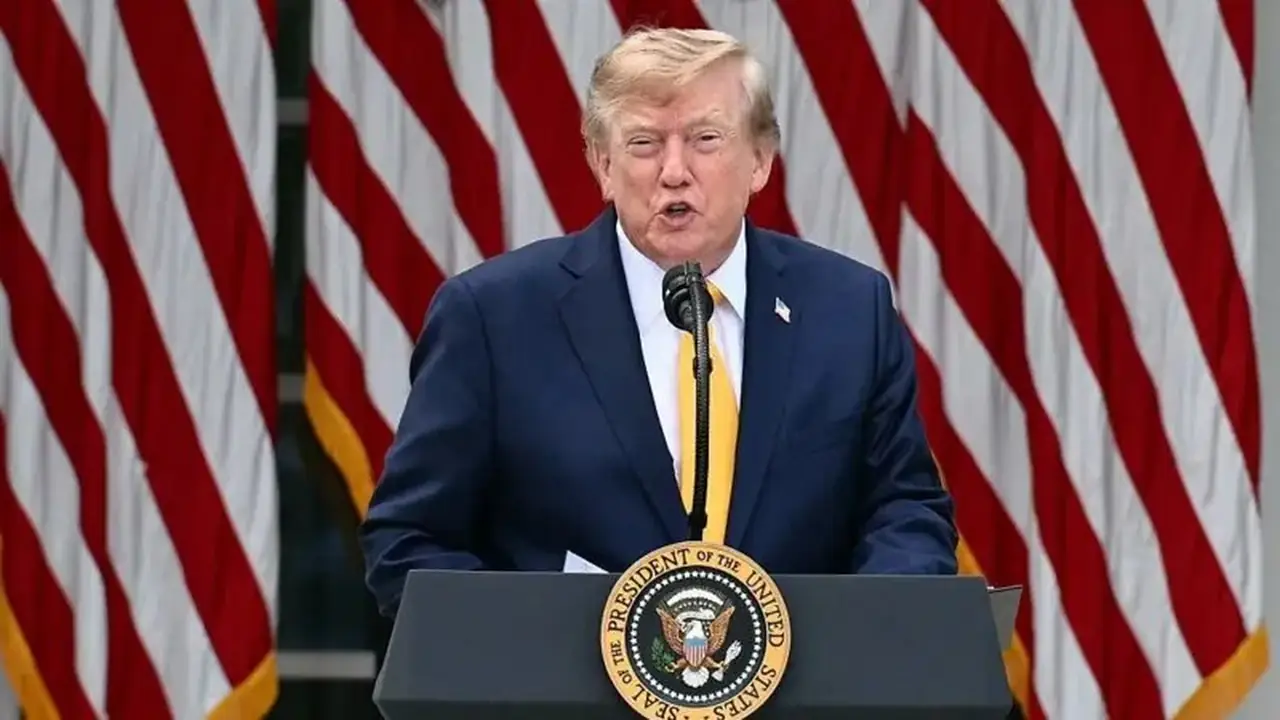
Kevin Warsh was nominated by President Trump to serve as the 17th Federal Reserve Chair. The Senate Banking Committee vote advanced his nomination, and the Senate floor vote confirmed him 54–45 on May 12, 2026.
Warsh previously served as a Federal Reserve Governor from 2006 to 2011, his experience includes the 2008 financial crisis and the extraordinary monetary policy response that followed.
As of May 21, 2026, Warsh has not yet been sworn in. Jerome Powell continues to serve as chair pro tempore under the authority of the Board of Governors. The sworn-in date and swearing-in ceremony details confirm that Warsh’s first FOMC meeting as the presiding chair will be June 16–17, 2026.
This transition matters to your personal finances because Warsh has historically leaned hawkish on inflation, meaning he has favored higher rates for longer to ensure price stability. The Warsh rate policy article examines how his stated views could translate into rate decisions.
The June 16 impact analysis projects what a Warsh-led rate hike would mean for savings rates, mortgage rates, and CD yields. For a complete what changes under Warsh breakdown, see the confirmed-chair analysis. The rate decision deposit timing article explains how quickly any June 16 rate change reaches your actual bank account.
The debate over Federal Reserve independence, including the DOJ Powell probe and its implications for the Fed board, is covered separately. Those articles document the institutional pressure on Fed governance in 2026 and what it means for rate-setting independence going forward.
How the Federal Reserve Connects to Every Dollar the U.S. Government Pays You
Every federal payment you receive, Social Security, tax refund, VA benefit, federal salary, moves through an account held at the Federal Reserve Bank of New York called the Treasury General Account.
The TGA is the U.S. government’s primary checking account. The Treasury General Account article explains how the TGA balance determines whether the government can make scheduled payments on any given day.
The TGA and federal payments connection means that Fed policy and Treasury cash management are not separate topics, they are interlinked systems. When the Fed raises rates, it increases the interest the Treasury pays on new debt, which affects TGA replenishment rates.
When the TGA runs low, as it has during debt ceiling standoffs, the daily Treasury statement shows the daily inflows and outflows that determine whether payments go out on schedule.
The us money movement system article maps the complete institutional chain: Congress authorizes spending, Treasury issues the payment, Fiscal Service batches the files, FedACH settles the transactions, and your bank posts the funds.
The Federal Reserve sits at the center of that chain, not as a policy actor in most payment transactions, but as the operational infrastructure those transactions physically flow through. For the complete reference guide to how this entire federal payment architecture operates, see the federal payments explained guide.
Official Federal Reserve Resources
These are the primary government sources for every fact in this article. No secondary sources, aggregators, or interpretation layers exist between these documents and the data they contain.
federalreserve.gov/aboutthefed – The Federal Reserve’s official self-description, legal authority, governance structure, and history, including the full text of the Federal Reserve Act as amended.
federalreserve.gov/monetarypolicy/fomc.htm – Meeting calendars, policy statements, FOMC minutes, Summary of Economic Projections (dot plots), and the full composition and voting rotation schedule for the FOMC.
federalreserve.gov/paymentsystems – Documentation of Fedwire, FedACH, and all Federal Reserve payment services, including processing schedules, settlement windows, and participation requirements.
congress.gov – The Federal Reserve Act of 1913 (Public Law 63-43), all subsequent amendments, and the full legislative history of the Federal Reserve’s statutory authority.