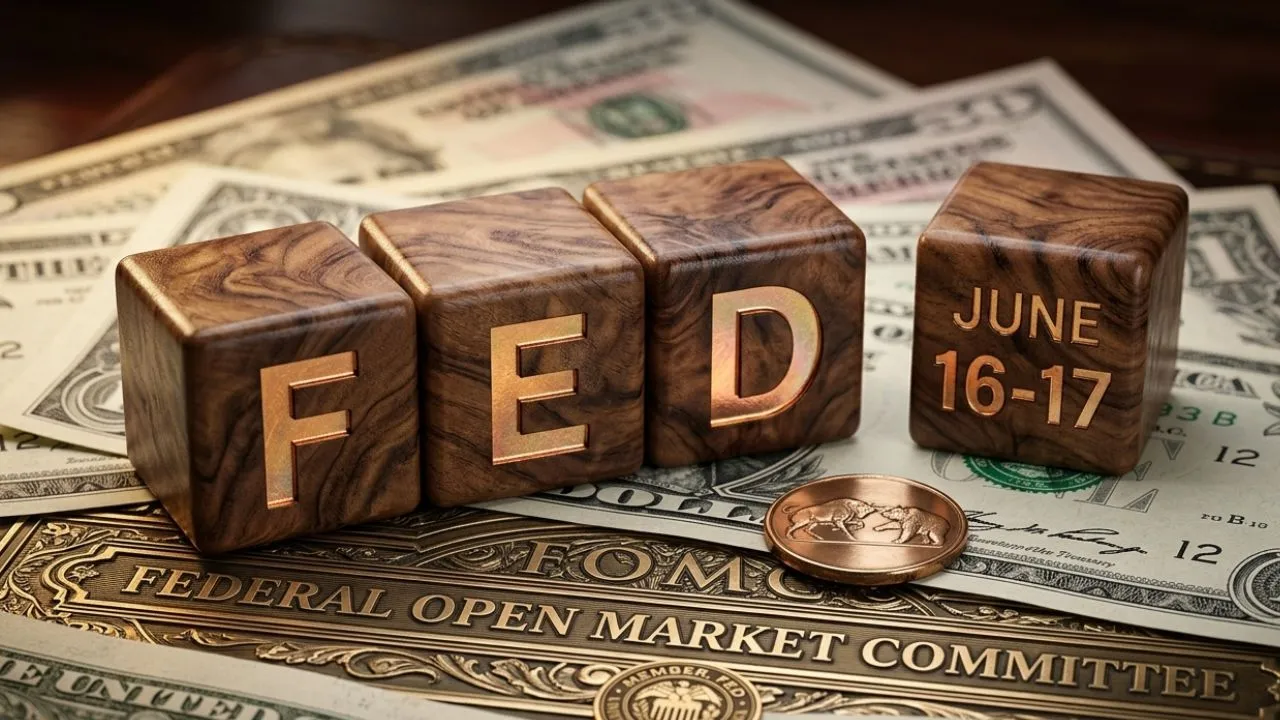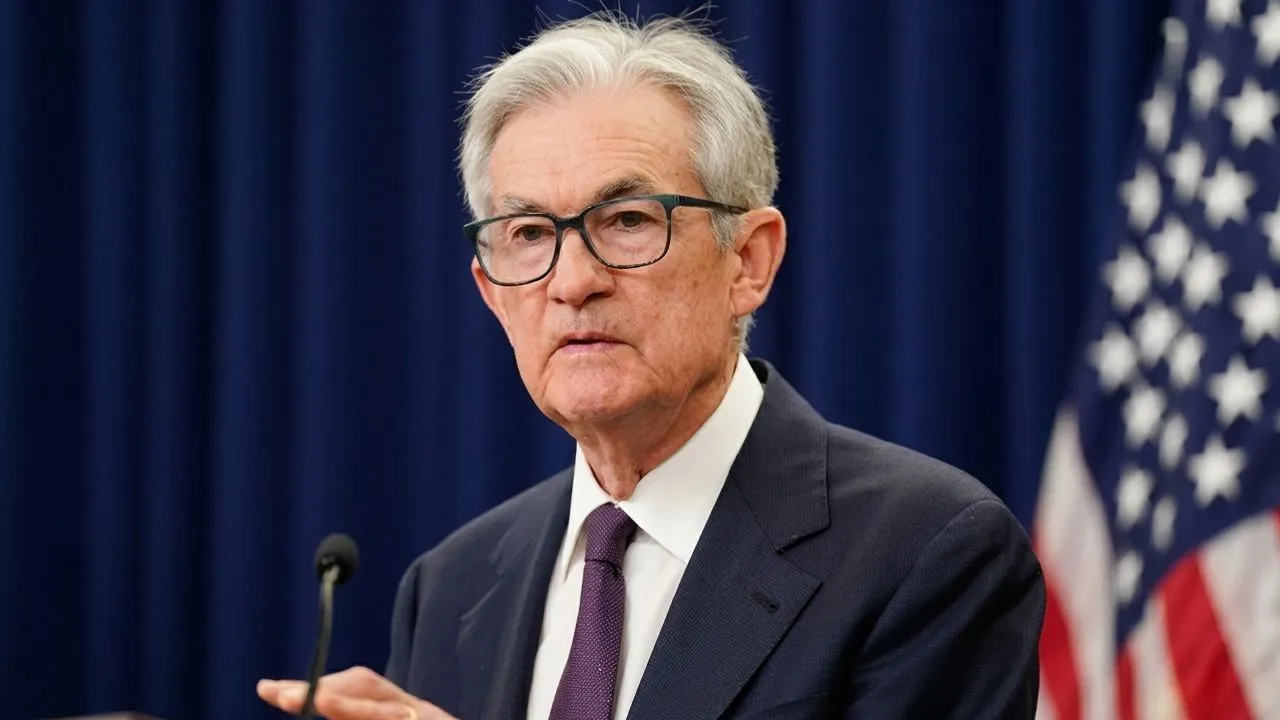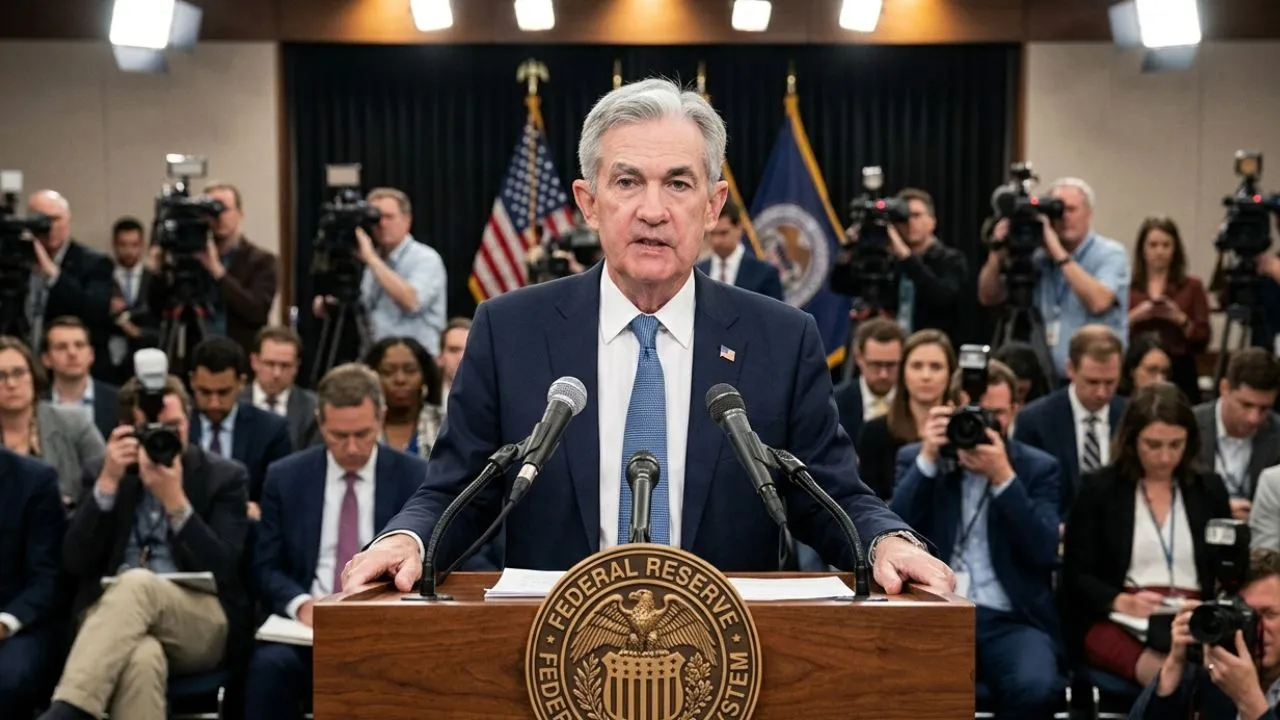

The Federal Open Market Committee (FOMC) officially began its policy deliberations at 10:00 a.m. EDT in Washington. This secondary briefing addresses the structural price supply-shocks complicating today’s rate holding decision.
As the Federal Open Market Committee opens its two-day policy summit today, the spotlight has shifted away from internal political infighting to an alarming macroeconomic reality: the Federal Reserve interest rate right now is trapped.
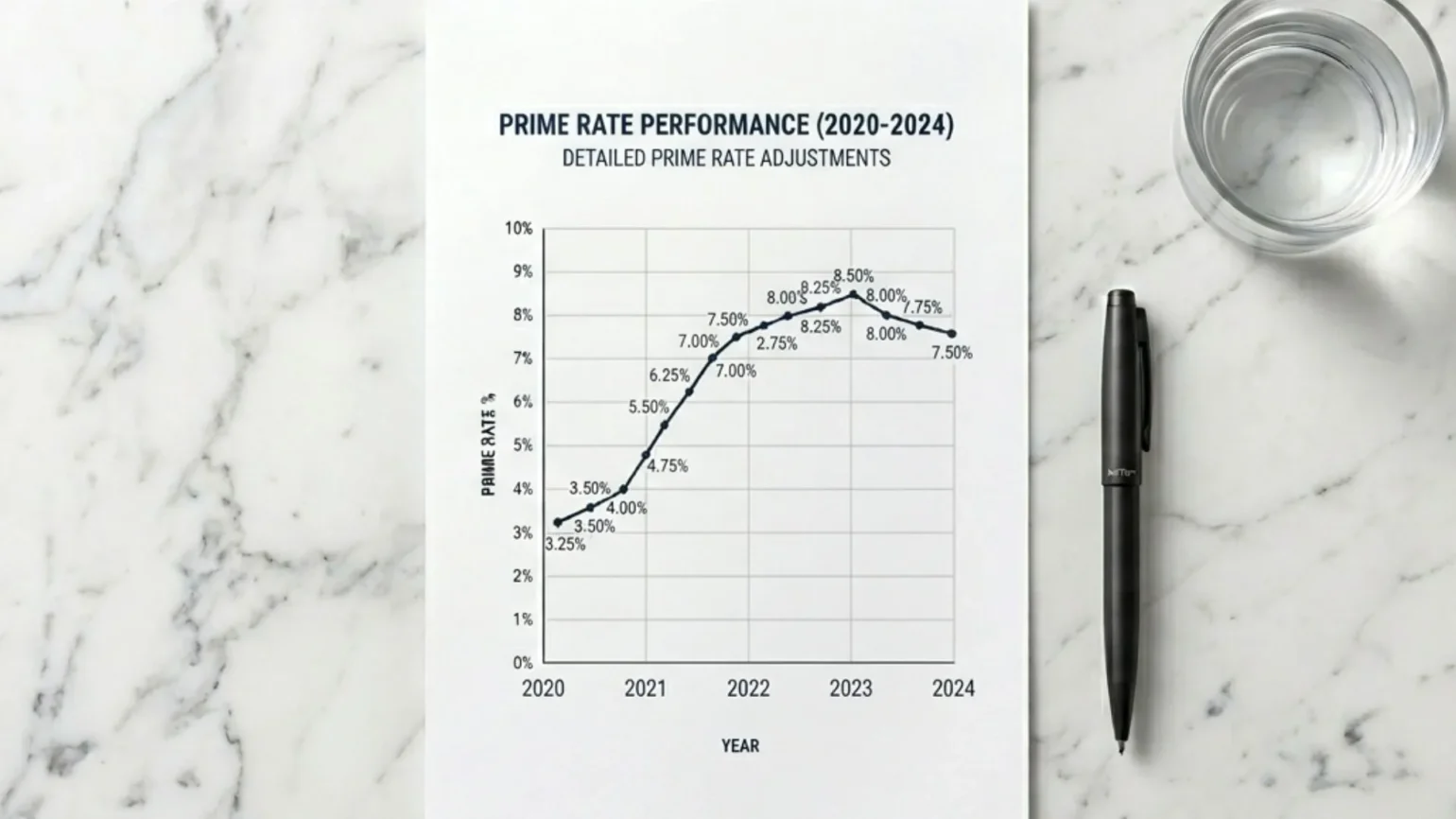
While futures markets indicate a near-absolute certainty that the central bank will maintain its benchmark federal funds rate at a restrictive 3.50% to 3.75%, a major resurgence in underlying inflationary metrics has completely eliminated the committee’s room to maneuver.
The primary question driving market anxieties is no longer whether policymakers will adjust borrowing costs at this meeting, but rather how severely the newly confirmed leadership team has been boxed in by a structural consumer price spike. For an exhaustive baseline breakdown of today’s meeting dynamics, read our initial Federal Reserve interest rate coverage.
Locked at High Rates
The Federal Reserve interest rate right now remains pinned at its highest restrictive plateau in recent history as the June 16 policy session gets underway. This extended holding pattern is a direct reaction to an aggressive acceleration in consumer price metrics that has effectively blindside-padded the central bank’s newly formed leadership team.
Headline inflation has surged to a stubborn 4.2%, rendering any immediate programmatic interest rate reductions an absolute impossibility without risking immense, systemic damage to the domestic economy.

Global maritime trade bottlenecks continue to compound domestic wholesale pricing pressures, keeping inflation elevated.
The incoming policy administration is confronting a highly uncooperative economic landscape. Upstream supply chains are buckling under the weight of persistent global shipping backlogs, and the core consumer price architecture refuses to return to normal parameters.
The hard numbers compiled in the lead-up to today’s FOMC session reveal a wide discrepancy between real-world price pressures and the central bank’s long-term institutional goals:
| Economic Metric | Current May Print | Official Fed Target |
|---|---|---|
| Consumer Price Index (CPI) | 4.2% | 2.0% |
| Producer Price Index (PPI) | 6.5% | 2.0% |
| Core Inflation Rate | 2.9% | 2.0% |
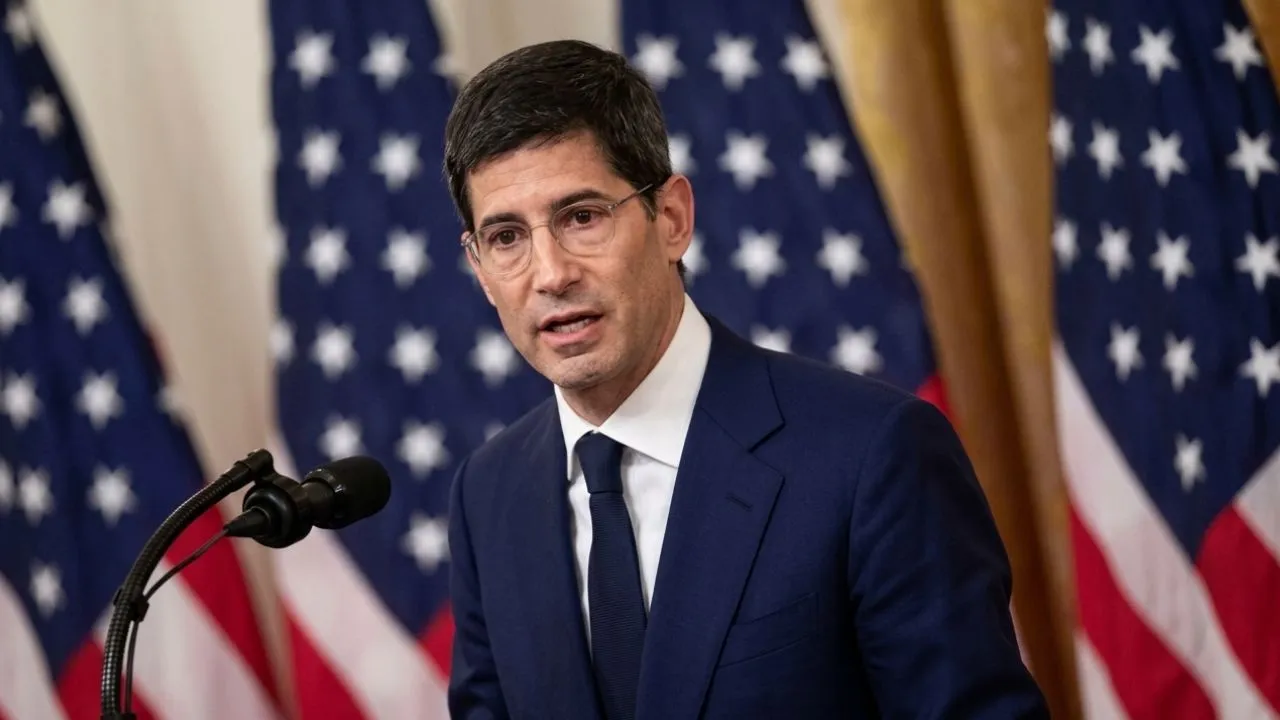
With the headline consumer price index running at more than double the official target, the newly established Kevin Warsh Fed policy framework has no choice but to keep monetary conditions highly restrictive. Cutting rates into a 4.2% inflation spike would unanchor inflation expectations, destroying corporate purchasing power and rapidly eroding household savings.
The Transitory Policy Mistake
Mainstream financial media commentary is already suggesting that consumer inflation will automatically cool off during the third quarter because retail energy markets have temporarily stabilized following recent maritime diplomatic agreements.
However, this conventional line of thinking repeats the exact “transitory inflation” mistake committed by public officials a few years ago, when early warning signs of systemic price inflation were completely ignored until it was too late.
The underlying data shows that the inflationary threat is far from resolved. Wholesale pipeline inflation, measured by the Producer Price Index, is currently tracking at a hot 6.5%. Because producer prices serve as a reliable leading indicator for retail store shelves, these numbers prove that substantially higher input and manufacturing costs are already permanently locked into corporate supply chains.
As these multi-layer production expenses gradually filter down to the retail economy over the coming months, keeping consumer price inflation elevated will remain an unavoidable reality, regardless of minor fluctuations in global fuel costs.
High Consumer Borrowing Costs
This prolonged monetary policy standstill has immediate, severe consequences for day-to-day household balance sheets. Because underlying product and service prices refuse to move back toward the Fed’s target, the Federal Reserve interest rate right now will act as a permanent floor, keeping interest rates on standard mortgages, auto loans, and revolving credit cards at multi-year highs through the winter of 2026.
Consumer Warning: Borrowers holding out hope for immediate relief on variable debts or looking to secure a home loan must quickly adjust their timelines. The central bank is forced to maintain an aggressive, restrictive economic stance that will last deep into next year.
For everyday savers, the silver lining is that high-yield savings accounts and fixed-term CDs will continue to offer elevated returns. However, for the millions of consumers carrying variable-rate obligations, the cost of servicing that debt will remain heavy.
For a broader explanation of how any single FOMC decision, not just this one, translates into mortgage, savings, and credit card pricing, our interest rate decision explainer walks through the full transmission chain step by step. It’s designed as a lasting reference for interpreting future meetings using the same framework applied here.
Navigating this environment requires aggressively prioritizing high-interest debt liquidation and safeguarding disposable income as the central bank fights a protracted war against structural inflation.