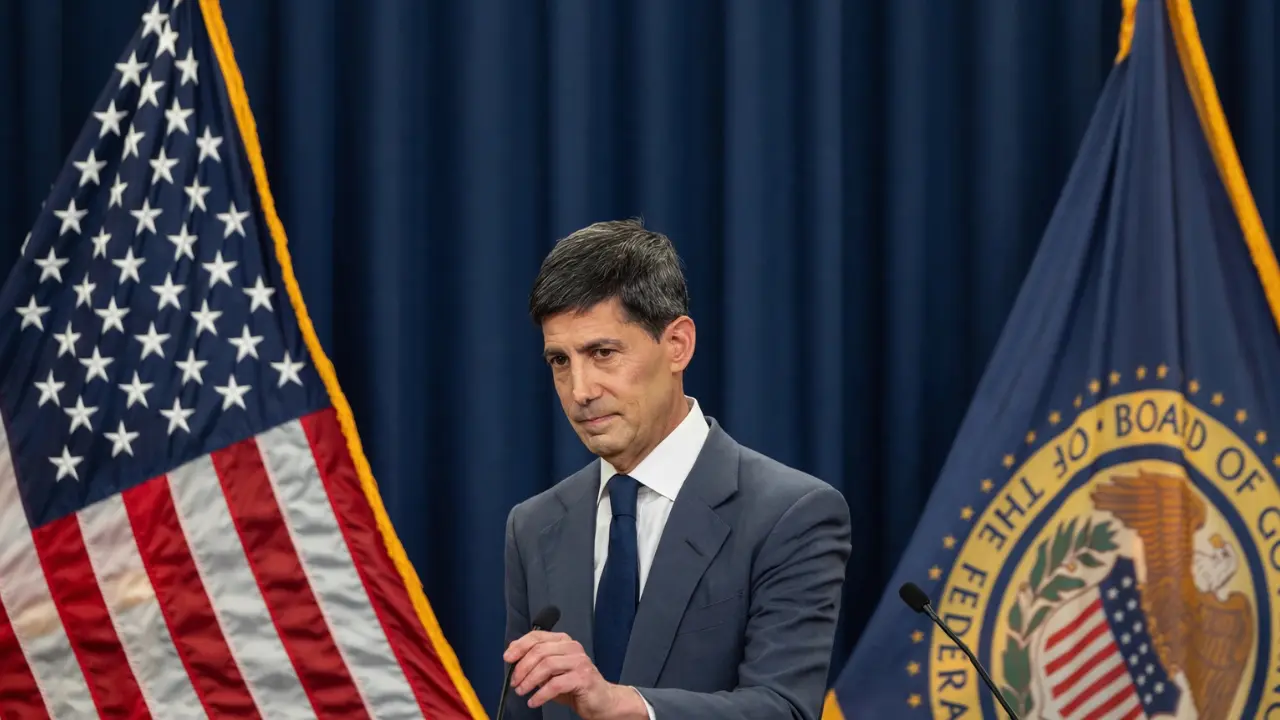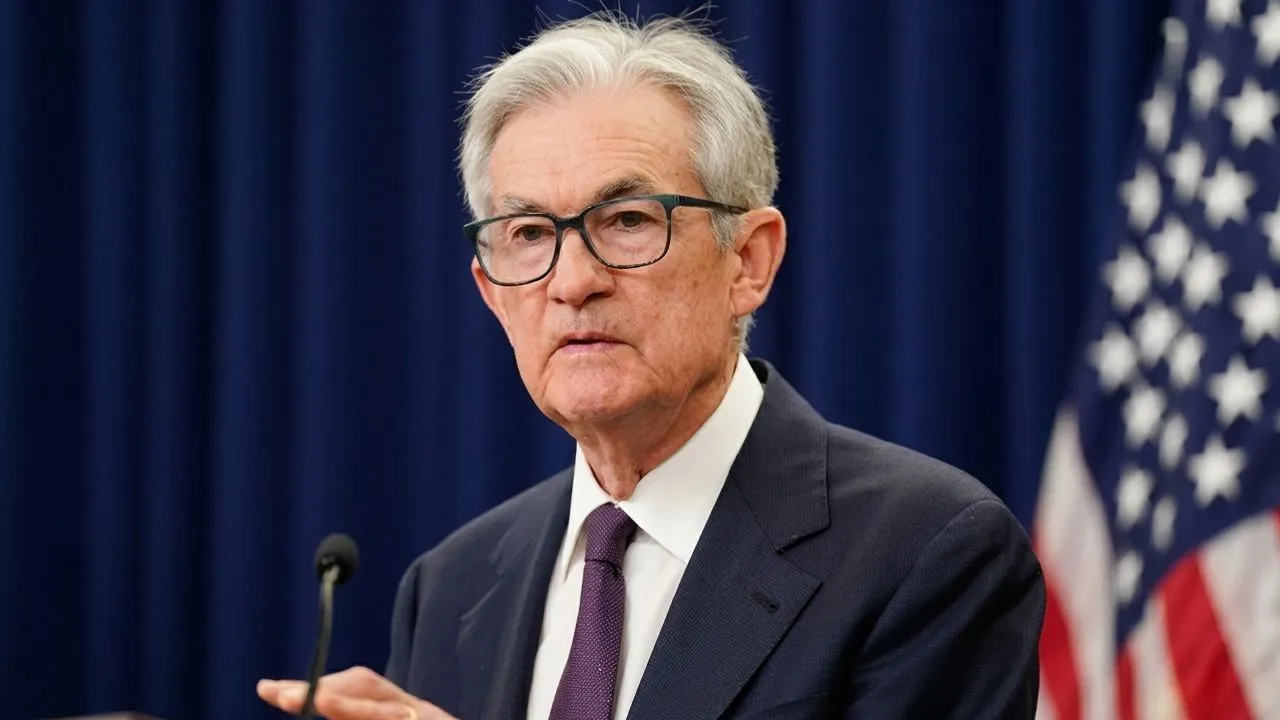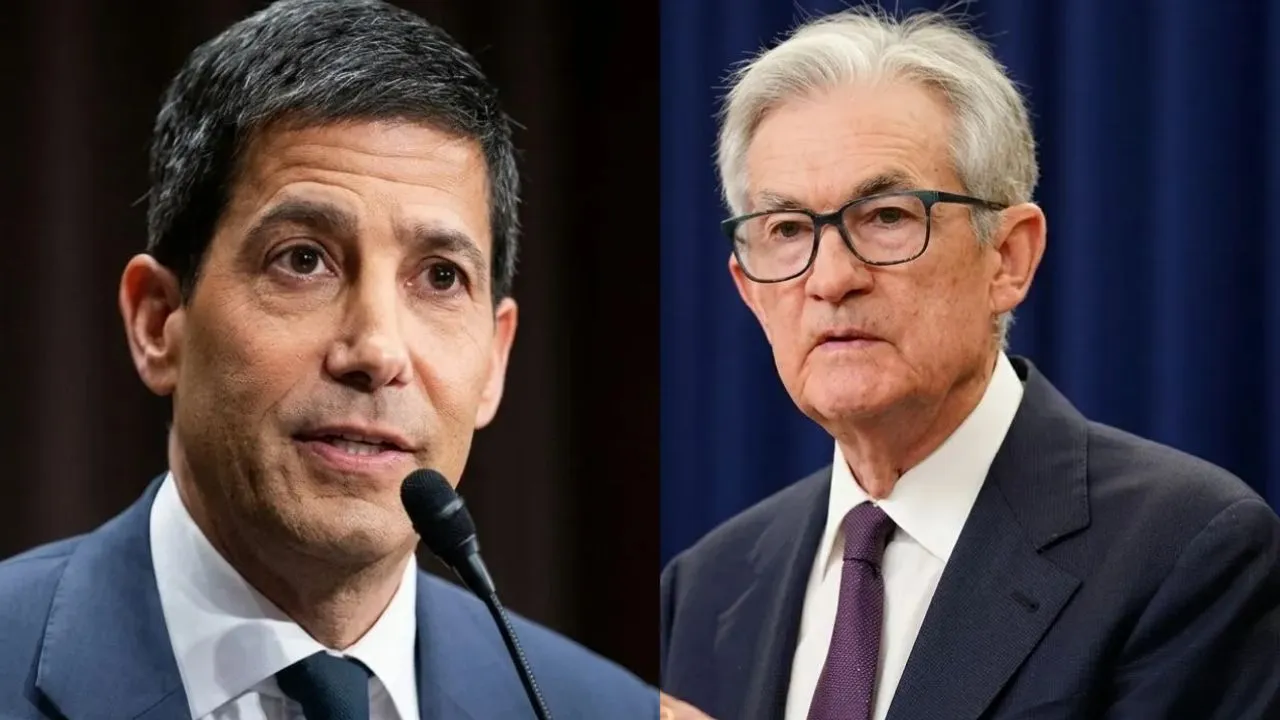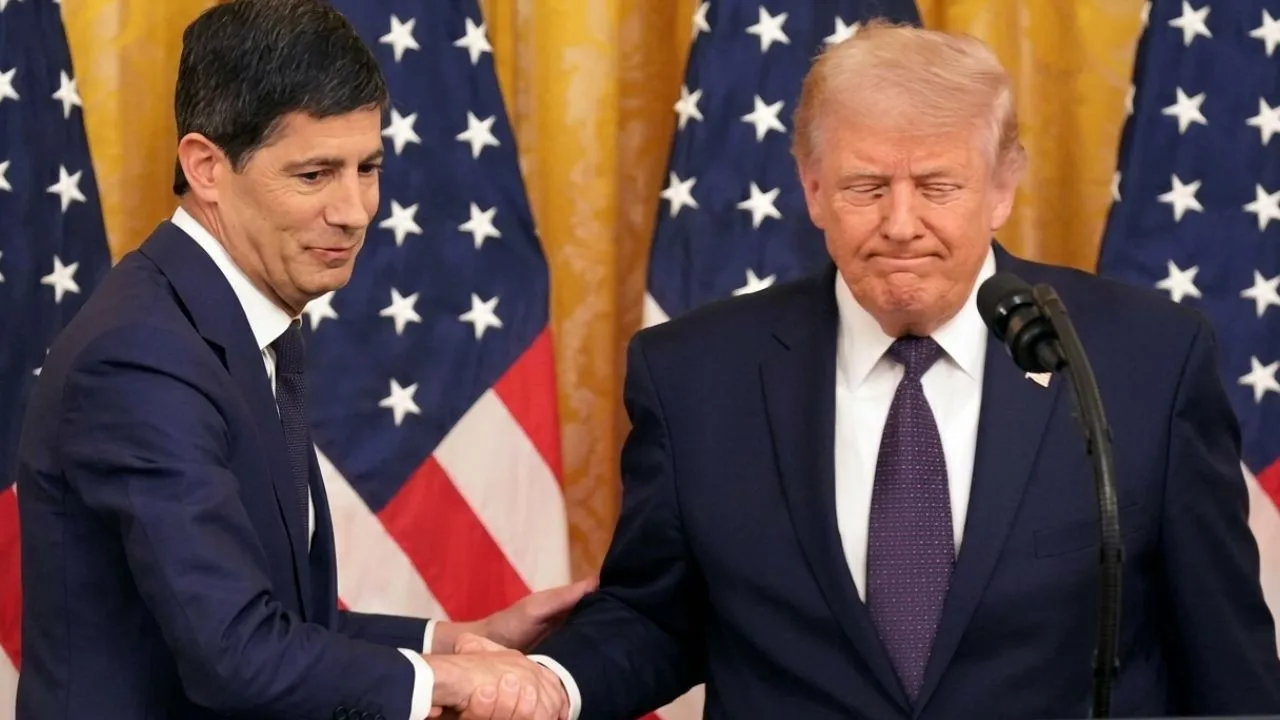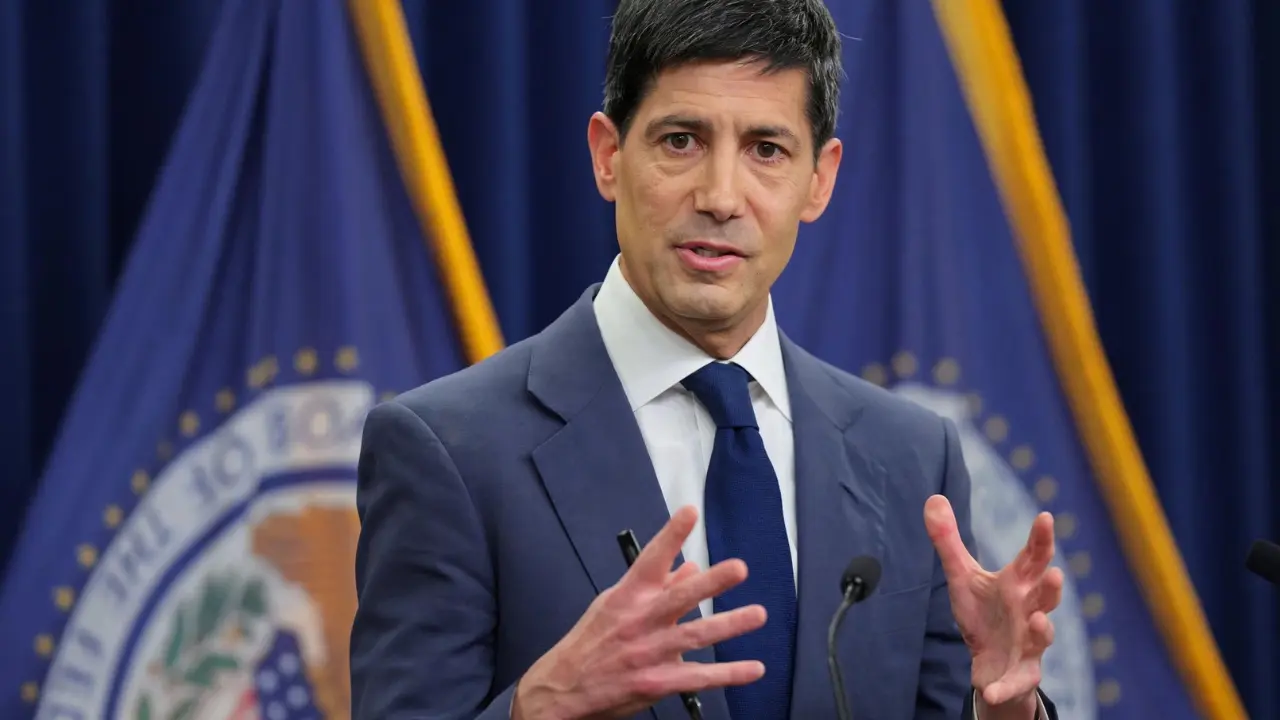

Federal Reserve Chair Kevin Warsh closed his first policy meeting on June 17 with a unanimous vote to hold the federal funds rate at 3.5 to 3.75 percent, a decision markets had already priced in weeks earlier. What drew less attention was what came wrapped inside it.
The Kevin Warsh era at the central bank has opened with a harder edge than the rate relief candidate Warsh once campaigned for, and the dot plot projections released alongside the decision showed most policymakers now expect rates to end 2026 higher, not lower, than where they started the year. For a saver parking cash in a high yield account, that reversal is the first domino.
Then came Sintra. At the European Central Bank’s Forum on Central Banking in Portugal on July 1, Warsh told a panel that included ECB President Christine Lagarde and Bank of England Governor Andrew Bailey that prices remain too high, adding that anyone expecting the Fed to accept inflation above its 2 percent mandate would be disappointed.
The comment confirmed the direction hinted at during his first rate decision two weeks earlier, when nine of eighteen Fed officials penciled in at least one hike before year end. Readers can track the primary record of that meeting directly through the official FOMC calendar, where statements and projection materials post the same day they are released.
The Inflation Backdrop
Warsh’s hawkish tone did not appear out of nowhere. Consumer prices rose 4.2 percent over the twelve months ending in May, the fastest annual pace in three years, driven largely by an energy spike tied to the conflict in the Middle East.
Core inflation, which strips out food and energy, ran cooler at 2.9 percent, still well above the Fed’s target. Readers who want the consumer price index data behind these figures rather than a secondhand summary can review it directly at the source the Fed itself watches every month.
The updated projections released after the June meeting raised the official 2026 inflation forecast to 3.6 percent on the headline measure, up from 2.7 percent just three months earlier, a jump that explains why the committee flipped from expecting a cut to penciling in a hike.
The Cooling Job Signal
The case for that hike weakened almost as soon as Warsh finished speaking in Portugal. The Bureau of Labor Statistics reported on July 2 that the economy added just 57,000 jobs in June, well below the roughly 115,000 economists expected and a sharp slowdown from a downwardly revised May gain of 129,000.
The unemployment rate ticked down to 4.2 percent, though largely because fewer people were looking for work rather than because more people found jobs, with labor force participation falling to its lowest level since 2021.
Traders read the report as a reason to pare back bets on a September increase, but a single soft month rarely changes a Fed chair’s mind on its own, especially one who has said inflation running above target for five straight years is the exact problem he was brought in to fix.
The gap between a hawkish chair and a cooling labor market is exactly why understanding how the Fed controls interest rates matters more this summer than it has in years.
How Banks Set Yields
Digital banks do not set their advertised yields in a vacuum. They calculate a net interest margin, the gap between what they earn lending out deposited cash and what they pay depositors to keep it there, and that margin moves with the effective federal funds rate. That mechanism is why the Warsh policy shift matters more than the headline hold itself.
Banks tend to move fast when a cut or a freeze looms, trimming advertised rates within days of a dovish signal, while they drag their feet raising rates when policy tightens, banking the spread for as long as competitive pressure allows.
A hold paired with a hawkish tilt creates an unusual middle case, one where some institutions freeze their posted rate while others quietly trim it anyway, betting a July hike is not guaranteed.
The result is a set of savings yield rules that behave asymmetrically, and savers who assume their rate is safe simply because the Fed did not cut are usually the ones caught off guard.
Where Savers Should Look
History offers a rough playbook here. Every time the Fed has approached a plateau in its rate cycle, the spread between the funds target and the best advertised online yields has narrowed within a quarter or two, as banks quietly adjust ahead of the next official move. Savers who want income immune to that quiet erosion have a few well tested options.
Short duration Treasury bills, purchased directly through the government’s own portal for buying Treasury bills, lock in a rate for a fixed term regardless of what a bank decides to do with its posted APY next month.
Certificates of deposit work similarly, trading flexibility for a guaranteed rate over a set window, which is precisely the trade worth making when savings account rates are more likely to drift down than up.
For savers worried about inflation eating into any fixed return, inflation protected securities adjust their principal against the same price index the Fed is watching, a hedge a standard high yield account cannot match.
What To Watch Next
None of this happens in isolation from the broader bond market. The Treasury yields impact of a hawkish Fed chair tends to show up first in short duration government debt before it ever reaches a bank’s savings product page, and the yield curve shifts building since Sintra suggest markets are already pricing in a real chance of tighter policy well before the Fed’s next scheduled gathering.
That gathering, along with the rest of the 2026 meeting schedule, gives savers a rough timeline for the next official word, though this month proved a bank does not need to wait for a vote to move its own posted rate first.
Understanding the mechanics behind FOMC rate decisions is no longer a habit reserved for bond traders. It is now as basic to managing a savings account as tracking savings and mortgages together, since both move on the same underlying signal.
A Quiet Turning Point
None of this requires panic. A Fed chair who has spent his first six weeks in office signaling more patience on inflation than markets initially priced in is not a chair likely to reward savers who assume last month’s advertised yield will still be there in the fall.
The broader story fits inside the same money movement system that governs how money enters, sits inside, and eventually leaves the accounts millions of Americans check every payday, and the mechanics rarely change loudly enough to notice in real time. They change quietly, the way this decision did, until the deposit statement finally reflects it.