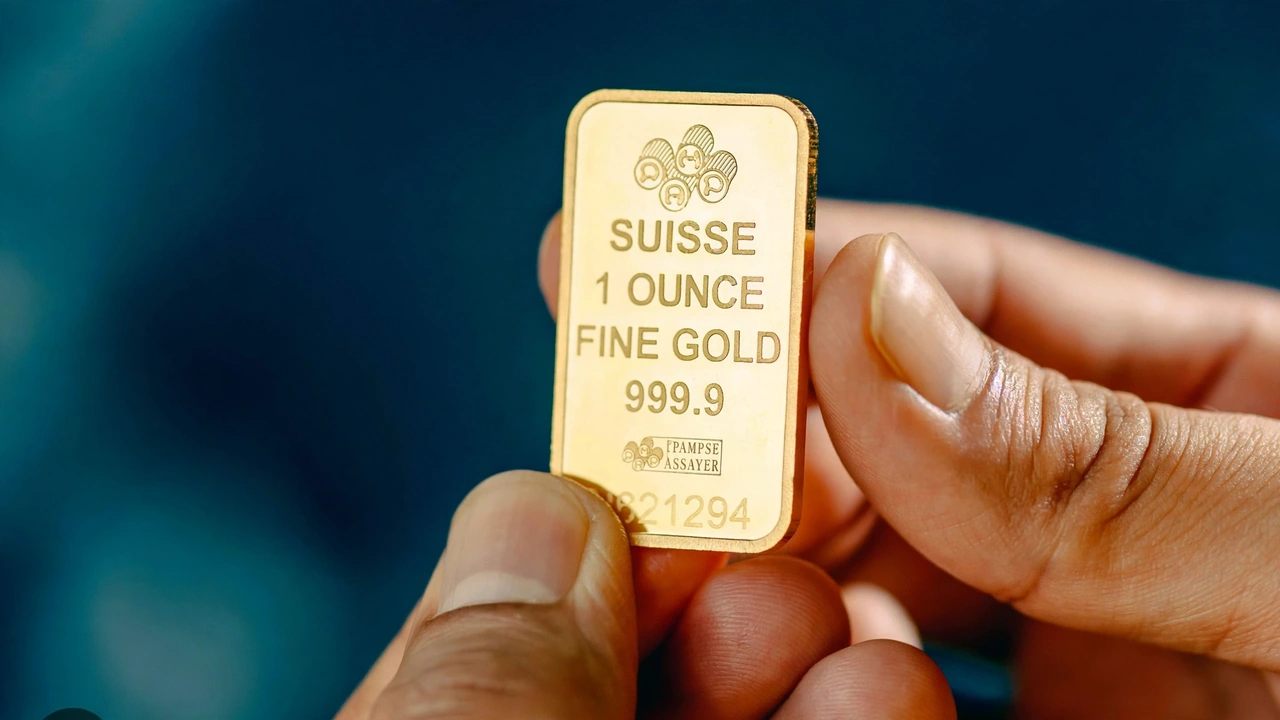


Gold futures traded just above $4,000 per troy ounce early Monday, October 26, 2026, as investors assessed interest-rate expectations, Treasury yields and energy-market risks ahead of this week’s Federal Reserve policy decision.
December 2026 gold futures on the COMEX exchange (GCZ26) were quoted at $4,022.40 per troy ounce at 4:03:37 a.m. UTC (12:03:37 a.m. Eastern Daylight Time), according to Google Finance gold futures. That was $14.50, or approximately 0.36%, above the displayed $4,007.90 settlement reference. The quotation represents an intraday futures observation, not an official October 26 closing price.
It also differs from spot gold, which reflects a separate market. The latest verified snapshot leaves gold above the psychologically significant $4,000 threshold, following considerable weakness in the preceding trading sessions. The central question for investors is whether bullion can sustain that level as expectations for U.S. monetary policy evolve.
Gold Holds Near a Critical Price Threshold
The $4,000 level provides a visible reference point for investors, although crossing a round number does not independently establish a change in market fundamentals.
Historical December gold futures data compiled by Investing.com show a $4,150.00 reference for October 21, followed by $4,060.40 on October 22 and $4,007.90 on October 23. These observations illustrate the recent retreat, but they should not be confused with an exchange-certified continuous historical series.
Monday’s modest gain therefore follows a substantial decline rather than establishing a confirmed sustained recovery. Gold’s sensitivity to financing conditions remains important. Unlike Treasury securities, physical bullion does not pay interest.
Higher inflation-adjusted bond yields can increase the relative appeal of interest-bearing assets, while lower real yields may provide support for gold. Investors monitoring the Treasury yield outlook and the dollar index should distinguish these market relationships from confirmed explanations for any individual price movement.
Federal Reserve Decision Adds Another Test
The Federal Reserve’s official October calendar schedules a two-day policy meeting for October 27–28, with the policy announcement scheduled for October 28. For gold, the decision matters not only because of the interest-rate outcome but also because of what policymakers communicate about inflation, economic activity and the future path of borrowing costs.
Investozora’s October Fed preview provides additional policy context, while its coverage of the September rate decision explains the preceding policy backdrop. Investors can also examine the Fed’s interest-rate framework and its inflation target to understand why gold may respond differently to changes in nominal yields, expected inflation and real borrowing costs.
Oil Prices and Inflation Complicate the Outlook
Energy prices represent another potential influence on bullion. Higher oil prices can raise inflation concerns and affect expectations for interest rates. However, geopolitical uncertainty can simultaneously increase demand for defensive assets.
These channels can work in opposing directions, meaning an oil-price increase does not automatically produce a gold rally. Investozora’s reporting on oil supply risks and energy inflation provides relevant context.
The distinction matters because gold’s price depends on multiple interacting variables, including real yields, currency movements, investor positioning and the broader risk environment.
What Gold Investors Should Watch Next
The first reference is whether December COMEX futures continue trading above $4,000 or retreat below that threshold. The second is how Treasury yields and the dollar react to the Federal Reserve’s October 28 announcement.
Investors should also compare futures prices with spot bullion rather than assuming the two instruments move identically. For now, the verified October 26 futures snapshot shows gold modestly higher at $4,022.40 per ounce relative to the displayed settlement reference. Whether that move develops into a broader recovery will require subsequent market observations, not simply the defense of a round-number price level.
Market-data note: This report uses a time-stamped October 26 quotation and is not a live, continuously updated price feed.