
Goldman Sachs, JPMorgan and HSBC now expect the Federal Reserve to raise interest rates by a quarter percentage point this week, marking a sharp change in the Wall Street outlook only days before policymakers meet.
Deutsche Bank has also moved into the rate-hike camp, according to Reuters’ September 14 report on the banks’ forecasts. The forecasts point to a 25-basis-point increase at the Fed’s September 15–16 meeting.
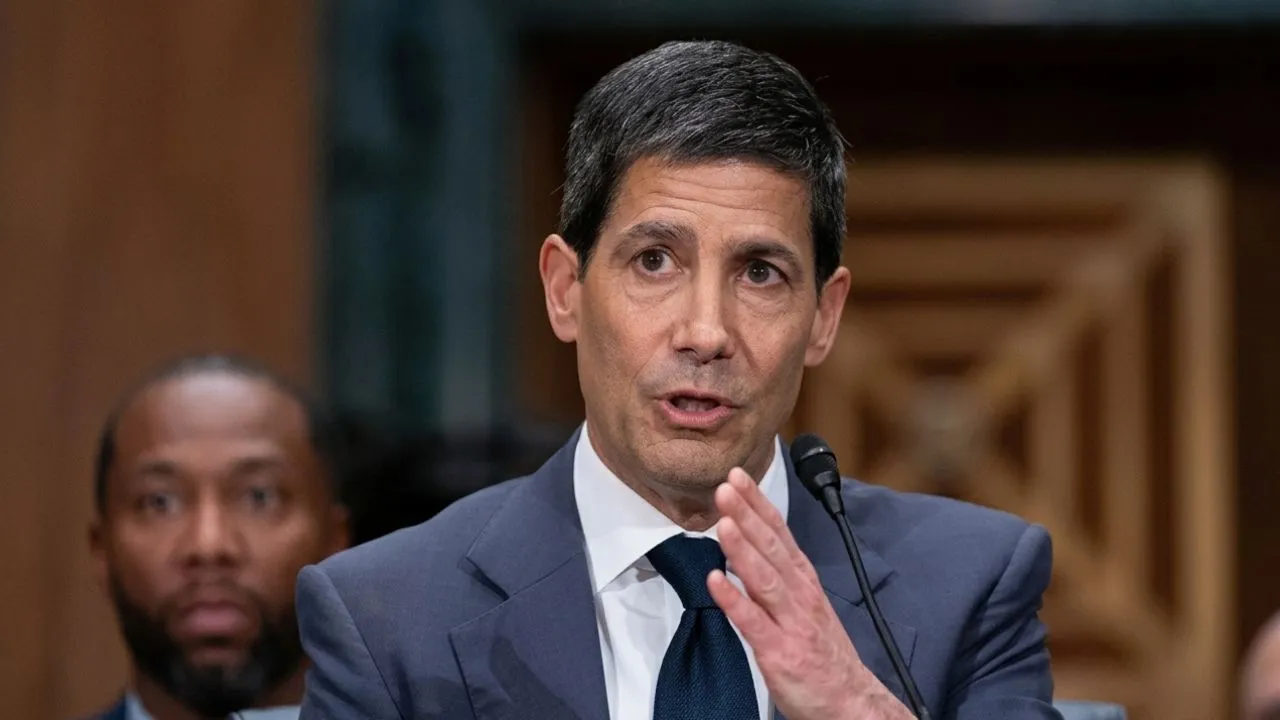
They are forecasts, however, not a Federal Reserve decision. The Federal Reserve’s official meeting calendar shows that the meeting begins Tuesday, with the decision scheduled for 2 p.m. ET Wednesday and Chair Kevin Warsh’s press conference at 2:30 p.m. ET.
What makes the bank shift important is how quickly the broader professional consensus has reversed. In a Reuters survey conducted September 4–9, 65 of 93 economists, about 70%, expected the Fed to leave its target range at 3.50% to 3.75%. Reuters explicitly warned at the time that the consensus could flip if the August inflation data surprised to the upside.
That flip has now happened. A new Reuters survey conducted after Friday’s inflation report found that 86 of 101 economists, or 85%, expect a quarter-point increase this week. That would take the federal funds target range to 3.75% to 4.00%.
The two Reuters polls used different respondent groups, so their percentages should not be treated as a precise percentage-point change, but they establish a clear reversal in the consensus within days.
The change followed the last major inflation reports available before the Fed meeting. The Bureau of Labor Statistics’ August CPI report showed consumer prices rising 0.4% in August after a 0.1% increase in July.
Headline inflation was 3.4% from a year earlier. Core CPI, which excludes food and energy, rose 0.3% during the month and 2.4% over 12 months. Gasoline prices rose 3.9% in August and accounted for more than one-third of the overall monthly CPI increase.
One day earlier, the August Producer Price Index report showed final-demand producer prices rising 0.4% for the month and 5.4% from a year earlier. Prices for final-demand goods rose 1.1%, while final-demand energy increased 4.2%.
Core consumer inflation did ease on a 12-month basis, from 2.5% in July to 2.4% in August, so the official data do not show every inflation measure worsening. But the monthly readings and continued price pressure were firm enough to change how many forecasters see the immediate Fed decision.
The labor market has also given the Fed less immediate reason to respond to a sharp employment downturn. The BLS August employment report showed nonfarm payrolls increasing by 162,000 while unemployment remained at 4.1%.
That does not settle the interest-rate decision, but it leaves policymakers weighing persistent inflation without a simultaneous jump in the unemployment rate.
The major banks now agree on the likely September move, but they do not agree on what it means afterward. HSBC economist Ryan Wang said the lack of inflation progress had “tipped the balance” toward a September increase.
JPMorgan economists led by Michael Feroli said the latest inflation data cast doubt on a sustained disinflation trend; the bank now expects another rate increase later this year and has raised its estimate of the longer-run policy rate to 3.25%.
Goldman Sachs has a different explanation. Reuters reported that Goldman still expects two rate cuts in 2027, although later than it previously forecast. Its research team sees this week’s expected increase as being driven more by the amount of tightening already priced into financial markets than by a major change in its underlying inflation view.
That difference matters: Goldman, JPMorgan and HSBC can agree that a September hike is now the most likely outcome while still disagreeing about whether it begins a longer tightening cycle.
The Federal Reserve itself has not made that call. At its July meeting, the FOMC held the federal funds target at 3.50% to 3.75% by a 9–3 vote. Beth Hammack, Neel Kashkari and Lorie Logan dissented because they preferred an immediate quarter-point increase. A 25-basis-point September increase would therefore move the target to 3.75% to 4.00%, an Investozora calculation based directly on the current range.
It would also be the Fed’s first rate increase since July 2023. The Federal Reserve’s official rate-history record shows that policymakers last raised the target by 25 basis points in July 2023, to 5.25% to 5.50%. The subsequent listed changes in 2024 and 2025 were cuts rather than increases.
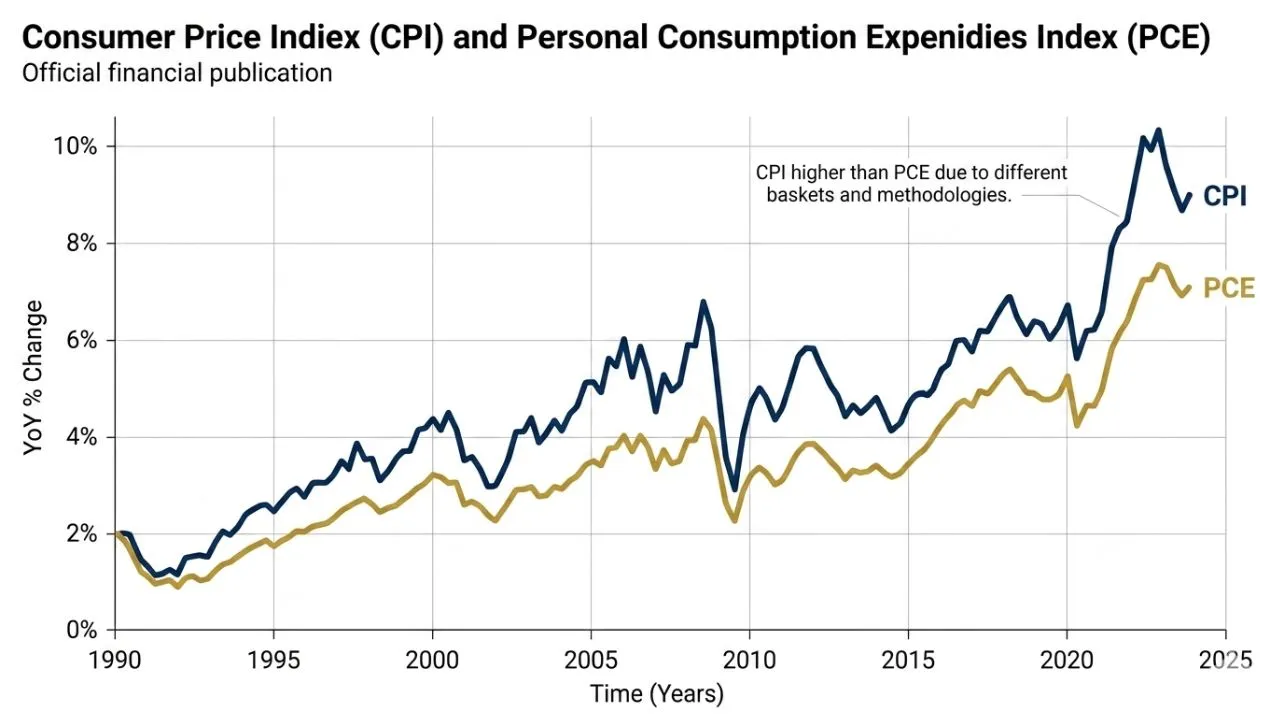
There is still an important gap in the data available to policymakers. The Fed formally defines its 2% inflation objective using the Personal Consumption Expenditures price index.
The latest official reading is for July: headline PCE inflation was 3.7% from a year earlier and core PCE inflation was 3.3%, according to the Bureau of Economic Analysis’ July report. BEA says the August PCE report will not be released until September 30, two weeks after Wednesday’s Fed decision.
That timing helps explain why the CPI and PPI releases caused such a large forecast shift. The Fed will not receive an official August PCE reading before it votes, so economists have been using the available consumer and producer price data to update their estimates of underlying inflation.
Investozora had already documented the rise in market expectations in its September Fed rate-hike odds tracker before the final inflation reports arrived. The new development on September 14 is different: major-bank economists and the broader economist consensus have now moved in the same direction as market pricing.
Market-implied probabilities and economist forecasts are separate measures, and neither is equivalent to an official Fed decision. For households, nothing has changed yet simply because Goldman Sachs, JPMorgan or HSBC changed a forecast. The federal funds target remains 3.50% to 3.75% until the FOMC votes otherwise.
If the Fed does raise rates, short-term and variable borrowing costs can respond more directly, while mortgage rates depend heavily on longer-term bond yields and do not move one-for-one with the federal funds rate. Investozora’s broader September rate-decision analysis explains those transmission effects in more detail.
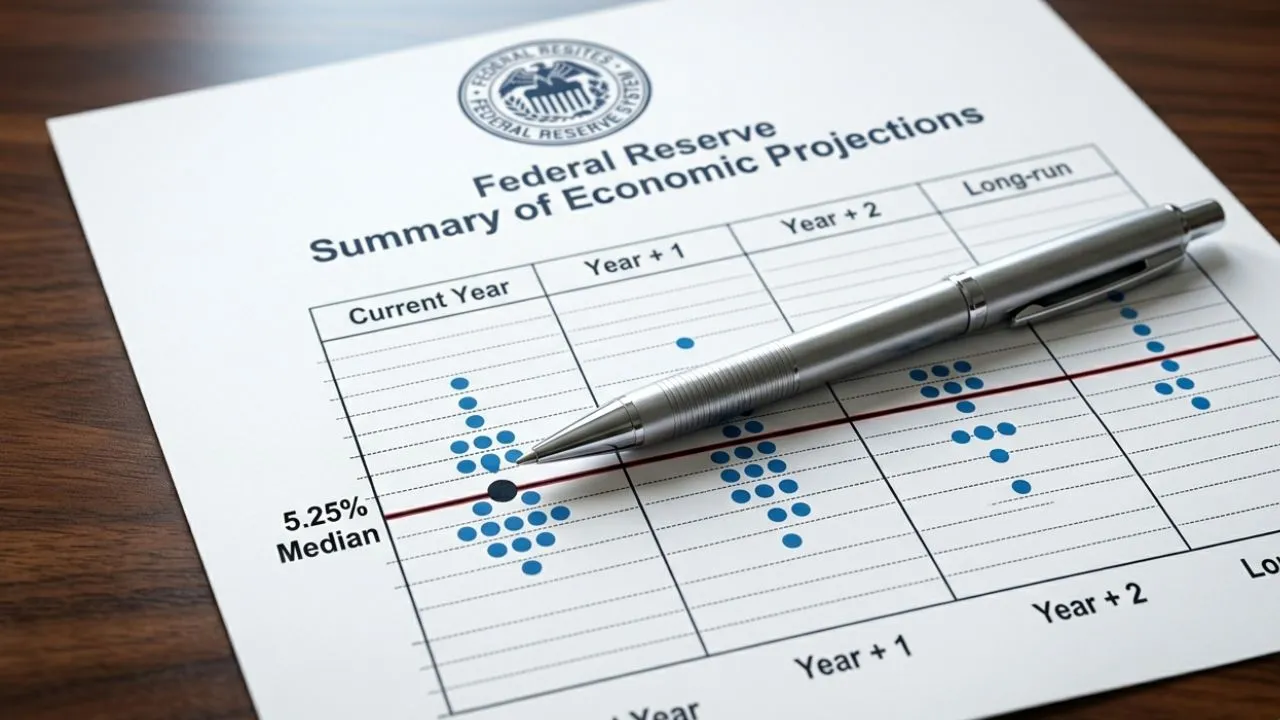
The decisive information now comes Wednesday. Investors and households should watch the rate decision itself, the vote split, the new Summary of Economic Projections and Warsh’s explanation of what would be required for another move.
A Fed hold would immediately overturn the dominant bank forecasts. A quarter-point increase would confirm the near-term call, but it would not prove that another increase in December or early 2027 is guaranteed.
That distinction is the main change in the story. A September rate hike was already a serious possibility before the latest inflation reports. What readers could not have known then was that, after those reports arrived, the economist consensus would reverse and Goldman Sachs, JPMorgan, HSBC and Deutsche Bank would converge on the same quarter-point September forecast just before the Fed meets.