Love him or loathe him, President Trump is a transformational president. Given the large fiscal deficits, it is difficult to imagine the next president rejecting that revenue stream. It is also difficult to envisage the next president rejecting the power that Trump has concentrated in the Oval Office.
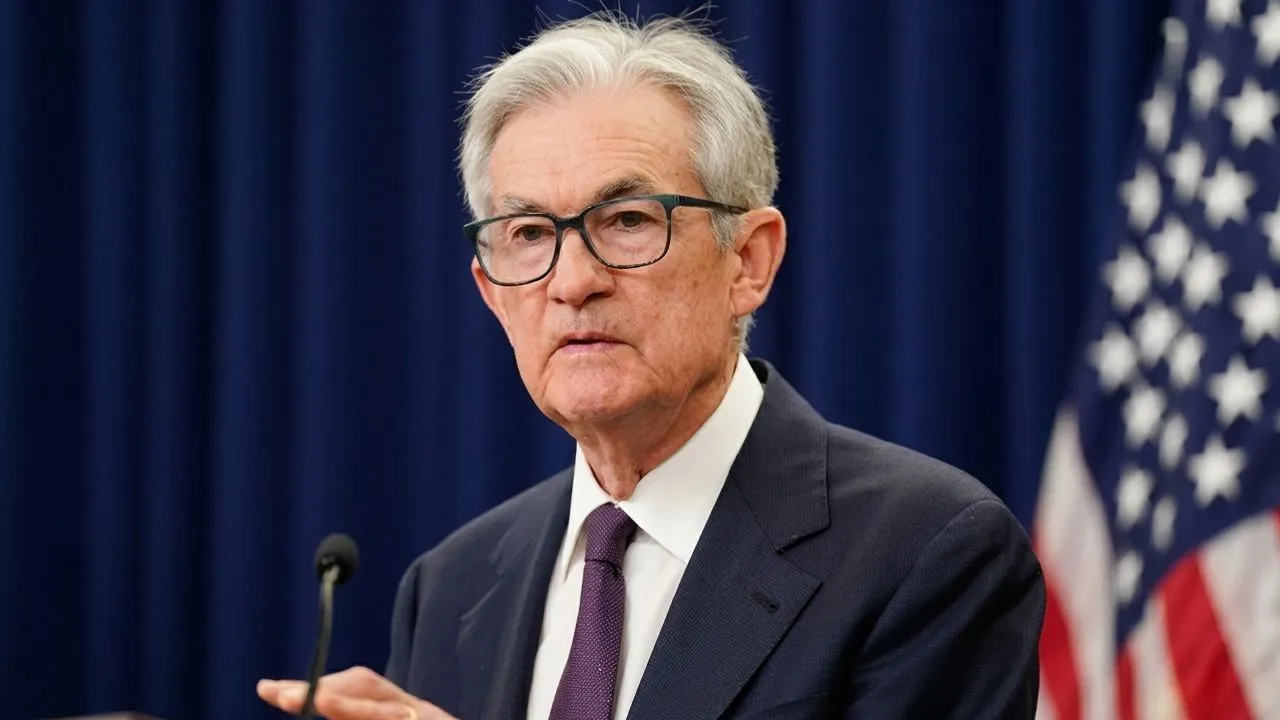
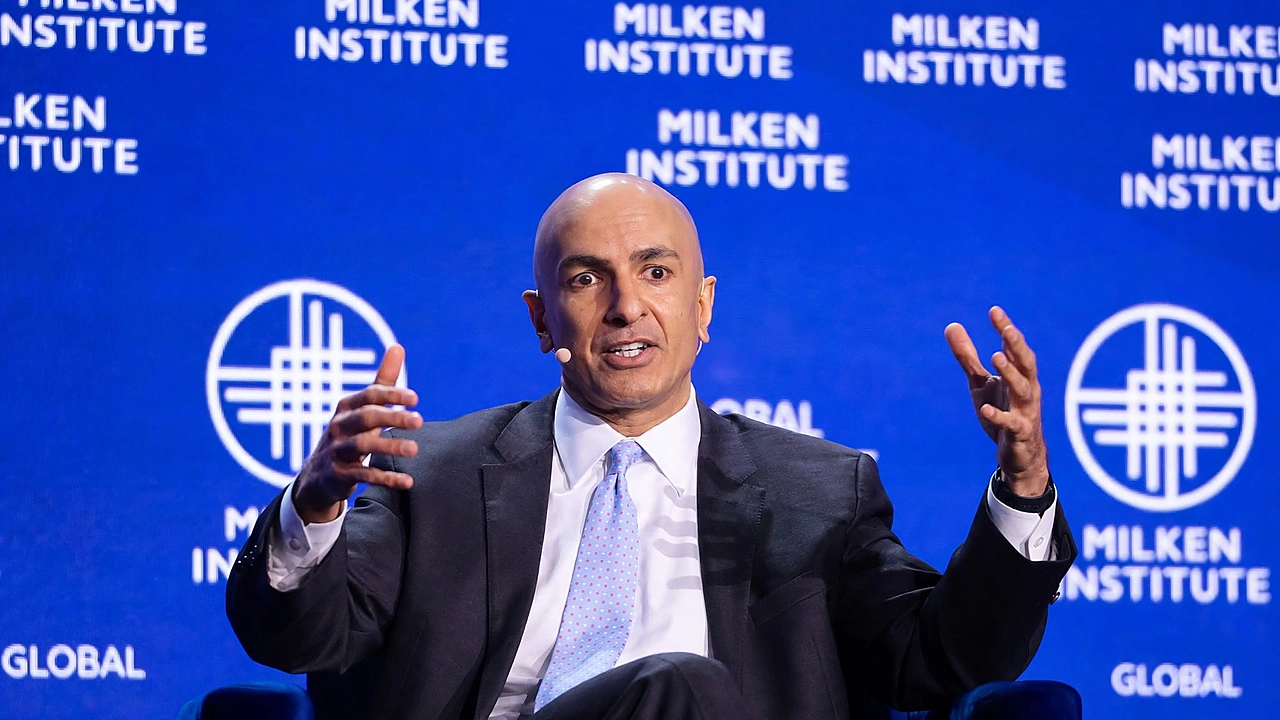
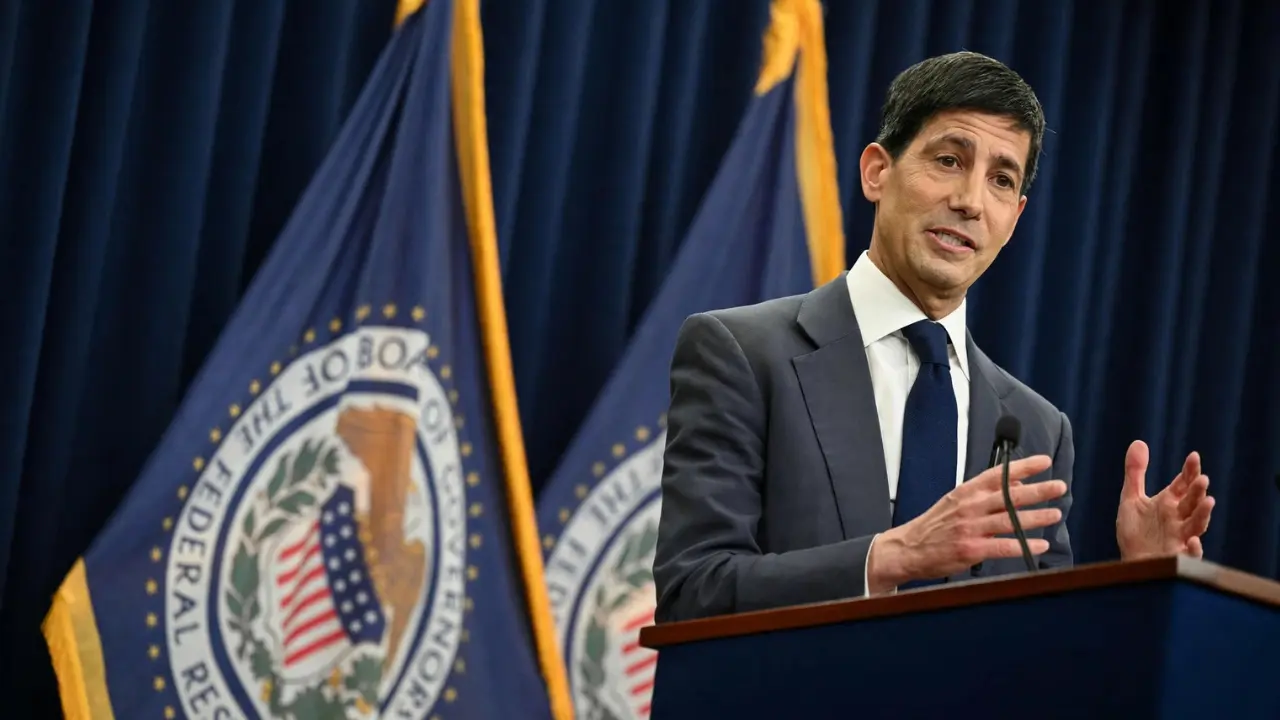
Kevin Warsh is promising to transform the Federal Reserve. For two decades, under Bernanke, Yellen, and Powell, there has been great continuity at the central bank. That era is over. There has been an evolution of Federal Reserve practices since William Greider’s 1987 bestselling book, “Secrets of the Temple: How the Federal Reserve Runs the Country.”
The Great Financial Crisis and, again, the pandemic underscored the vast power of modern central banks. The bond-buying program, dubbed “Quantitative Easing,” seemed to many observers to blur the distinction between monetary and fiscal policies. Faced with challenges to its authority, stemming from its power and the fact that it is purposely insulated from partisan politics, its very legitimacy was questioned.
Part of the answer was greater transparency. The Federal Reserve was already moving in that direction. It boggles the mind to realize that, until 1994, the Federal Reserve did not even announce the results of its decisions. The market and a now-extinct species called Fed watchers pored over the central bank’s data to divine its decision.
The Federal Reserve was among the last of the major central banks to hold regular press conferences. At first, they were held quarterly. The market quickly understood that only those meetings followed by press conferences were live, in the sense that policy could change.
This seemed to reduce the Fed’s operational flexibility. Only half of the eight Federal Open Market Committee meetings a year would have the potential for a policy change. The first Fed press conference took place in April 2011, and it took almost eight years before they were held after every meeting.
Among his first actions as Fed Chair, Warsh appointed several task forces to re-examine various dimensions of Fed policy, from communication to data to inflation measures and targets. As Federal Reserve Governor Waller noted, the experienced people named to the task forces hinted at the outcomes.
Warsh has not waited for the recommendations of the task forces. The July FOMC minutes showed that the new Chair is inclined to reduce the number of meetings from eight to six a year. At his first meeting, Warsh did not participate in the Summary of Economic Projections exercise, in which the individual economic projections of the Federal Reserve Board of Governors and
regional Fed Presidents were aggregated.
That exercise began in 2007. It was understood as increasing transparency into official thinking. Various critics of the Fed argued that the central bank was a slave to the markets. Some emphasize the “Greenspan Put,” which is the Fed’s willingness to ease financial conditions to offset the potential risks to financial stability triggered by a large sell-off in the equity market.
Others note how the Fed has never gone against what was strongly discounted by Fed funds futures. Warsh turned the criticism on its head to argue that the Fed has over-communicated with the market, which now plays the referee (the central bank), rather than the game (the economy).
We suggest the relationship between the markets and the Fed was not so linear. The causal arrow points in both directions. There was a dialectical relationship between the two that promoted stability as each grappled with the other’s reaction function: how they would respond to different macro developments.
Warsh has been particularly critical of forward guidance, the central bank’s public communication about the future path of policy, instead of limiting its comments to the present. There seem to be two types of forward guidance. The first type is vague but alerts the market to the central bank’s reading of the economy. “We can be patient” or “rates will remain low for some time” are good examples.
The other type of forward guidance is more committal. “We won’t raise rates until inflation averages more than 2% over 12 months” would be such an example. At different points in the business and monetary cycles, officials could say that they are “data dependent,” underscoring the near-term uncertainty and flexibility of the current policy settings.
Even in the absence of formal forward guidance, market participants will try to ferret out the leaning of officials through their public comments. It seems notable that while Warsh wants to leave the market more to its own assessment of the economy, Treasury Secretary Bessent suggests he knows better than the market where long-term yields and oil should be priced.
Despite the conflicting signals, Warsh’s efforts to reduce the transparency of the central bank seem consistent with the thrust of the administration, which also appears to have reduced the transparency of the executive branch.
The Fed Chair will deliver the keynote speech at the Kansas Fed’s annual gathering on August 26. He should not be expected to reveal much about the current U.S. monetary policy setting or its trajectory. Instead, look for Warsh to explain why the evolution of modern central banking was misguided.
In the short run, the risk is that the greater uncertainty surrounding the Fed’s reaction function and intentions may boost volatility. In the medium term, Warsh’s approach may fuel more dramatic attempts to make the central bank more accountable and could erode its independence.