
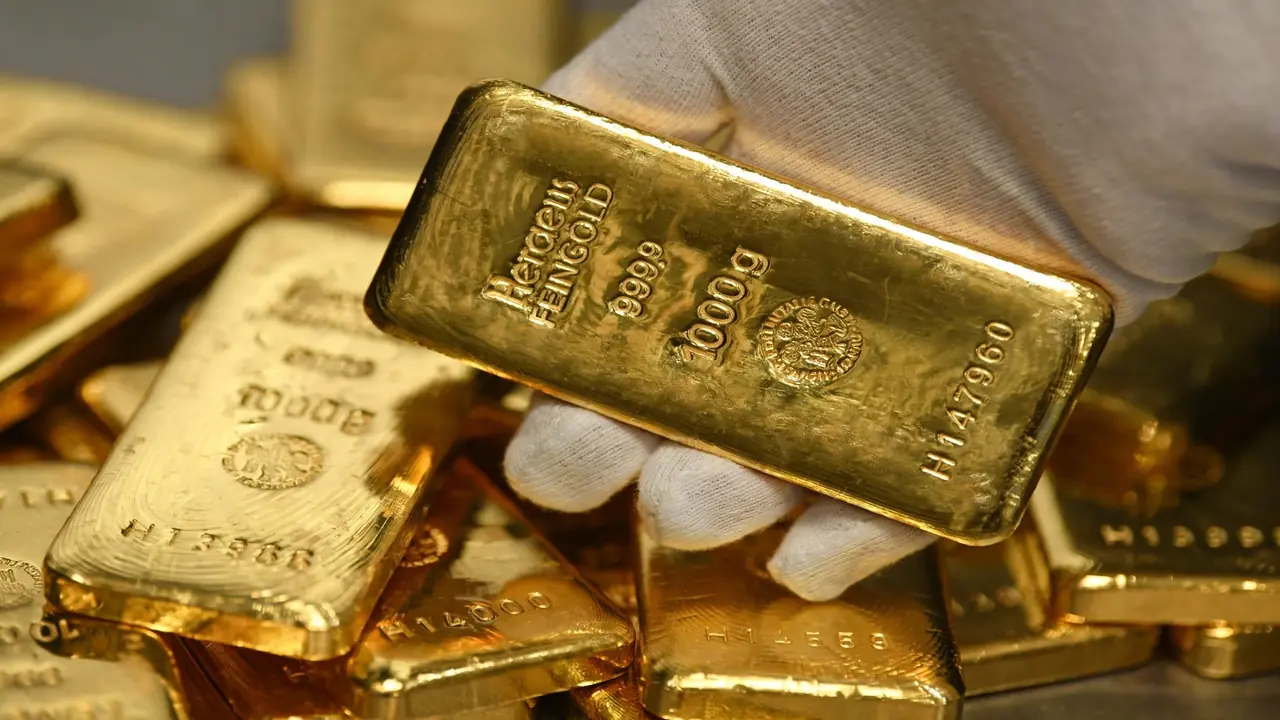
Gold climbed to its highest level in more than three months on Monday, August 24, extending a sharp rebound as a weaker U.S. dollar and renewed uncertainty over the path of interest rates pushed investors toward bullion.
Spot gold was up 1% at $4,649.08 an ounce at 10:04 GMT after reaching its strongest level since May 15, while U.S. gold futures rose 0.6% to $4,706.20. The move builds on a gain of more than 5% last week and puts the metal back above the psychologically important $4,600 level.
The immediate driver is not inflation alone. Gold’s latest leg higher followed the U.S. Treasury Department’s August 19 buyback announcement to at least double the maximum size of liquidity-support buybacks in the 10-to-20-year and 20-to-30-year Treasury sectors, from $2 billion to at least $4 billion per operation beginning September 9.
Treasury described the move as liquidity support for longer-dated securities. Markets reacted with lower long-term yields and a weaker dollar, conditions that tend to support gold because bullion is priced in dollars and pays no interest.
That distinction matters. Treasury is not setting monetary policy, and its buyback program does not guarantee lower yields. But the market reaction has temporarily changed the backdrop facing gold.
A softer dollar makes bullion cheaper for buyers using other currencies, while stable or falling real yields reduce the opportunity cost of holding a non-yielding asset.
That relationship is why investors watching gold should also watch the dollar and the long end of the Treasury market. Investozora’s guide to how the federal funds rate connects with Treasury yields explains that transmission in more detail.
The next major test arrives Wednesday, August 26, at 8:30 a.m. EDT, when the Bureau of Economic Analysis releases July Personal Income and Outlays, including the Personal Consumption Expenditures price index.
The BEA’s current release schedule confirms the timing. In June, headline PCE inflation was 3.7% from a year earlier and core PCE, excluding food and energy, was 3.3%. Economists’ median forecast cited by Reuters expects July core PCE inflation to remain at 3.3%. Investozora has also examined why PCE inflation matters for Treasury markets.
That creates an unusually important comparison with the July Consumer Price Index. According to the Bureau of Labor Statistics’ July CPI release, headline CPI slowed to 3.4% year over year from 3.5% in June, while core CPI eased to 2.5% from 2.6%. If Wednesday’s PCE report confirms broader disinflation, the case for an immediate Fed rate increase could weaken.
If core PCE remains stubbornly elevated or accelerates, investors may rebuild expectations for tighter policy, a scenario that could lift yields and the dollar and challenge gold’s momentum. Investozora’s July CPI analysis provides additional context on that divergence.
The Fed entered this week with policy already finely balanced. On July 29, the Federal Open Market Committee kept the federal funds target range at 3.5% to 3.75% by a 9-3 vote. The three dissenters preferred a quarter-point increase.
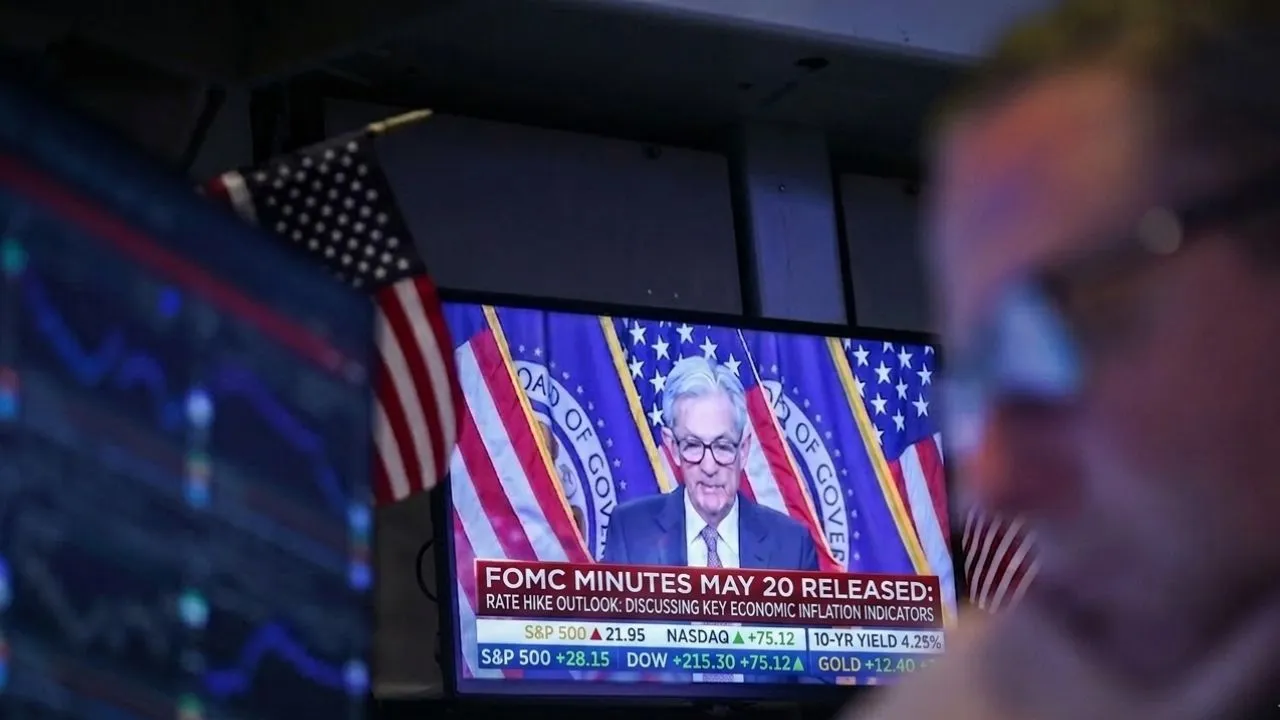
More importantly, the minutes of the July 28-29 FOMC meeting showed that many participants believed further tightening would likely be necessary if inflation did not decline, while several officials had already favored raising rates at the July meeting. The next decision is scheduled for September 16.
Market pricing still stops well short of declaring a September hike certain. As of Monday morning, traders were assigning roughly a 36% probability to a rate increase in September and about a 64% probability to no change, according to CME FedWatch data cited by Reuters.
Those probabilities can move quickly after inflation data, which makes Wednesday’s PCE release a direct potential catalyst for gold, Treasury yields and the dollar. Investozora’s coverage of the September Fed rate decision tracks the policy question markets are now repricing.
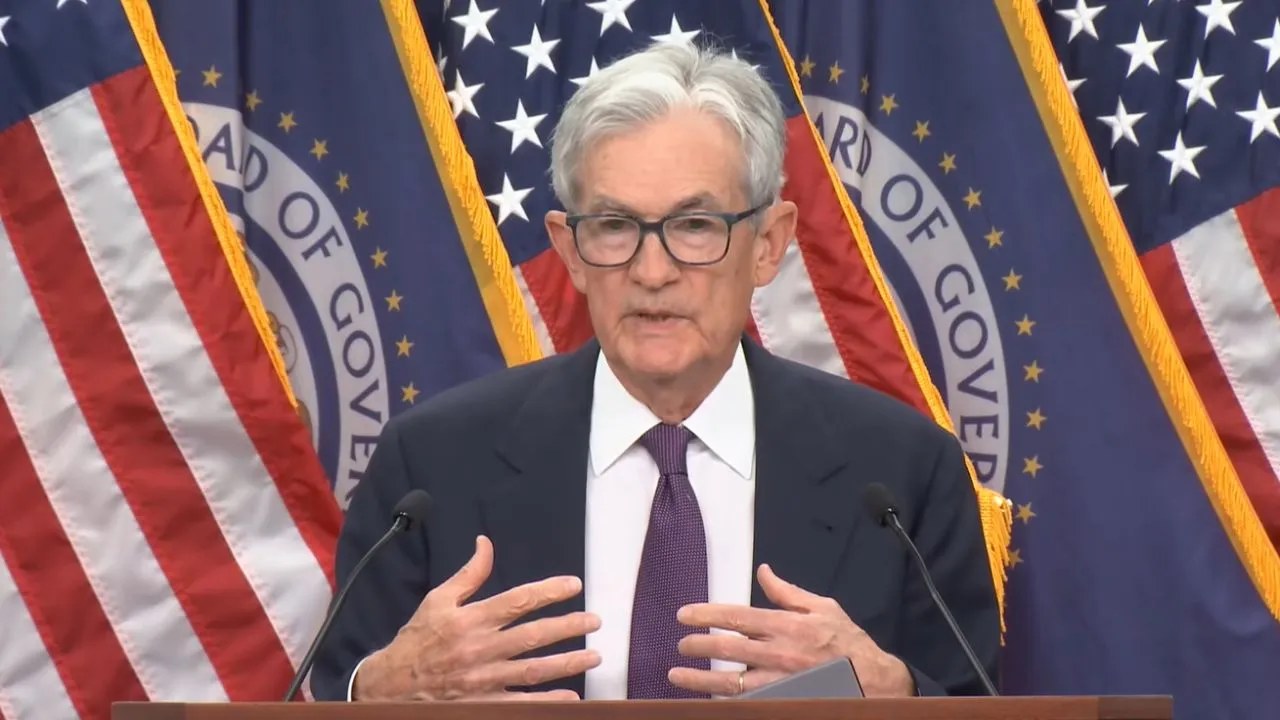
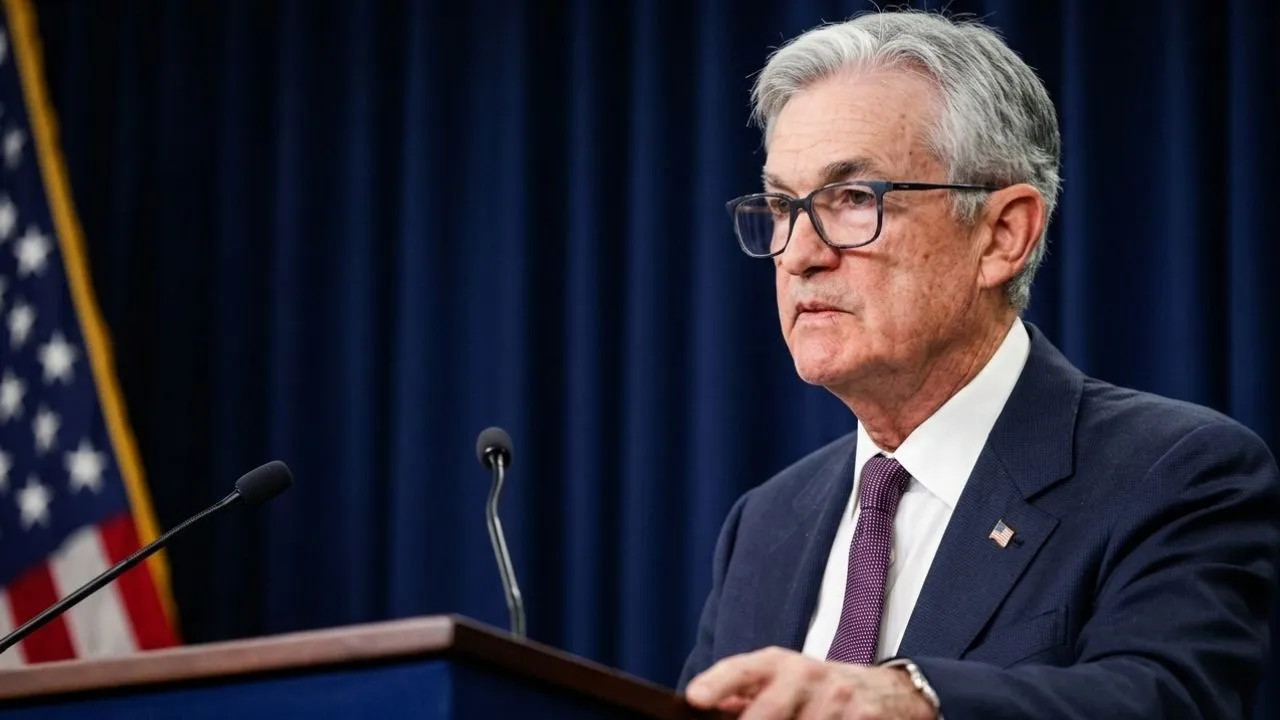
Attention then turns to Federal Reserve Chair Kevin Warsh, who is scheduled to speak Friday at the Kansas City Fed’s Jackson Hole Economic Policy Symposium. The Federal Reserve Bank of Kansas City confirms that the 2026 symposium runs August 27-29 in Wyoming.
Warsh’s first Jackson Hole address as chair carries extra weight after the July meeting left investors without a clear near-term policy signal. Markets will be listening for whether he emphasizes persistent inflation, the recent rise in long-term yields, or a preference to wait for more data before changing rates.
For gold, the most important question is therefore not whether inflation is “good” or “bad” in isolation. It is whether the combination of inflation data and Fed communication keeps the dollar under pressure and prevents real yields from moving materially higher.
Gold has already absorbed a large move in a short period, so the same forces that accelerated the rally could also produce a fast reversal if PCE inflation surprises to the upside or Warsh signals a stronger bias toward tightening.
The confirmed picture heading into Wednesday is clear: gold has broken to a three-month high, the dollar has weakened following Treasury’s long-end buyback announcement, and the Fed remains divided over whether persistent inflation requires higher rates.
What is not yet known is whether July PCE will validate the softer inflation signal seen in CPI or keep a September rate increase firmly in play. That answer is likely to determine whether gold can hold above $4,600 and extend the rally or whether the move pauses as markets reprice the next Fed decision.