

Brent crude futures fell nearly 2% on Monday, November 9, as continued diplomatic efforts involving the United States and Iran coincided with renewed selling in oil markets, although uncertainty over Middle Eastern supply disruptions remained.
January 2027 Brent futures were indicated at $96.68 a barrel at 09:03 GMT, down $1.64, or approximately 1.67%, from Friday’s $98.32 settlement. The intraday observation was based on delayed market data for the ICE Brent futures contract, not Monday’s official closing settlement.
The decline extended a volatile period for energy markets after an earlier oil price selloff and a subsequent Brent price rebound. Brent had settled at $98.32 on November 6, leaving Monday’s early decline as another test of whether expectations for improving Middle Eastern supplies can support lower prices.
Diplomacy and Supply
The latest decline followed reports of continued efforts to negotiate an end to the U.S.-Iran conflict, with investors assessing the possibility of reduced military escalation and more reliable oil shipments. However, negotiations have not established that regional supply disruptions are over, and diplomatic expectations alone cannot confirm when shipping conditions will normalize.
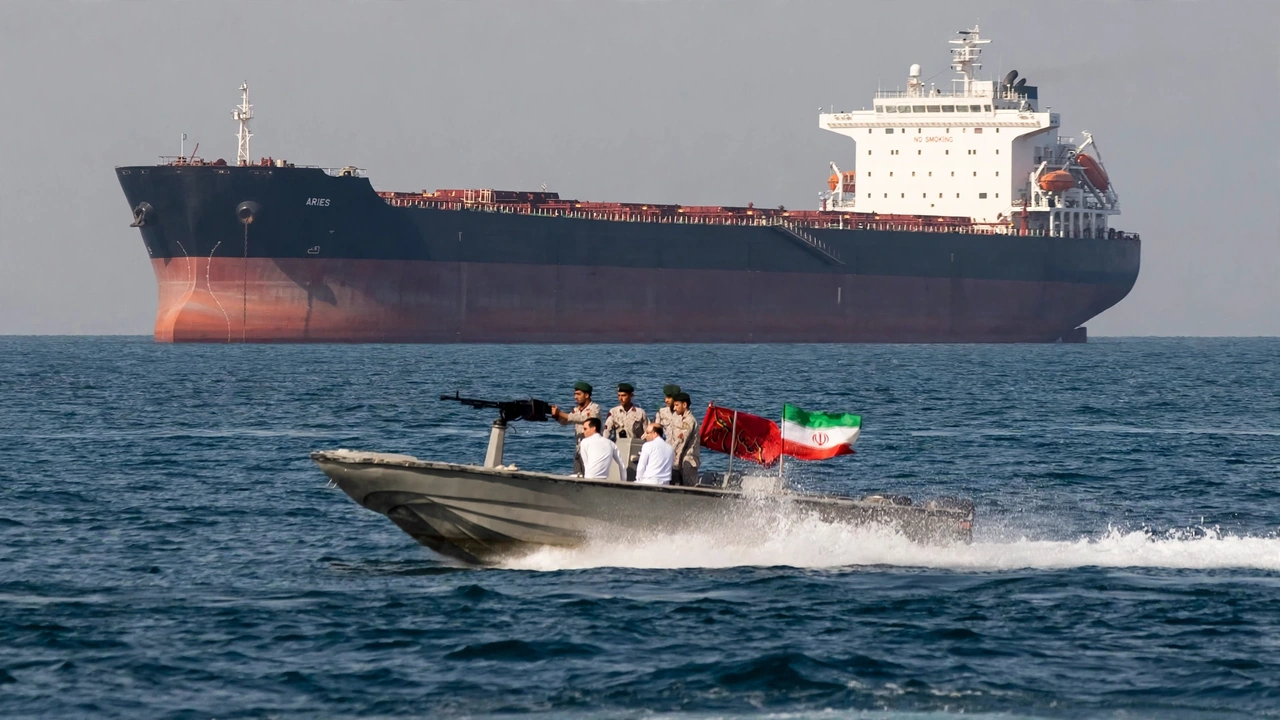
The distinction matters because the Strait of Hormuz dispute has affected one of the world’s most important energy transportation routes. A sustained diplomatic agreement could improve expectations for oil availability, but renewed attacks or restrictions on shipping could reverse some of the market’s recent declines.
Official U.S. energy data show the scale of the disruption. The Energy Information Administration’s energy security data estimate that petroleum liquids transported through the Strait of Hormuz averaged 4.9 million barrels per day in the second quarter of 2026, compared with 21.6 million in the fourth quarter of 2025.
That represents a decline of approximately 77.3%, calculated from the EIA’s quarterly averages. These historical estimates do not measure shipping activity on November 9, but they explain why developments affecting the waterway remain important to crude traders.
Market Implications
Lower crude futures prices can reduce input-cost pressures for some refiners and fuel buyers, depending on their purchasing arrangements and the prices of refined petroleum products. The impact is not immediate or uniform: earlier physical oil prices demonstrated how supply disruptions can create differences between futures benchmarks and the cost of immediately available crude.
For U.S. consumers, the connection is similarly indirect. Changes in crude prices can influence gasoline costs over time, but refinery operations, fuel inventories, distribution expenses and local market conditions determine how much of a decline reaches retail pumps.
The relationship between energy costs and inflation remains relevant after earlier increases in wholesale gasoline prices. Federal Reserve officials have also examined broader inflation pressures, meaning cheaper oil would not by itself establish that inflation risks have disappeared.
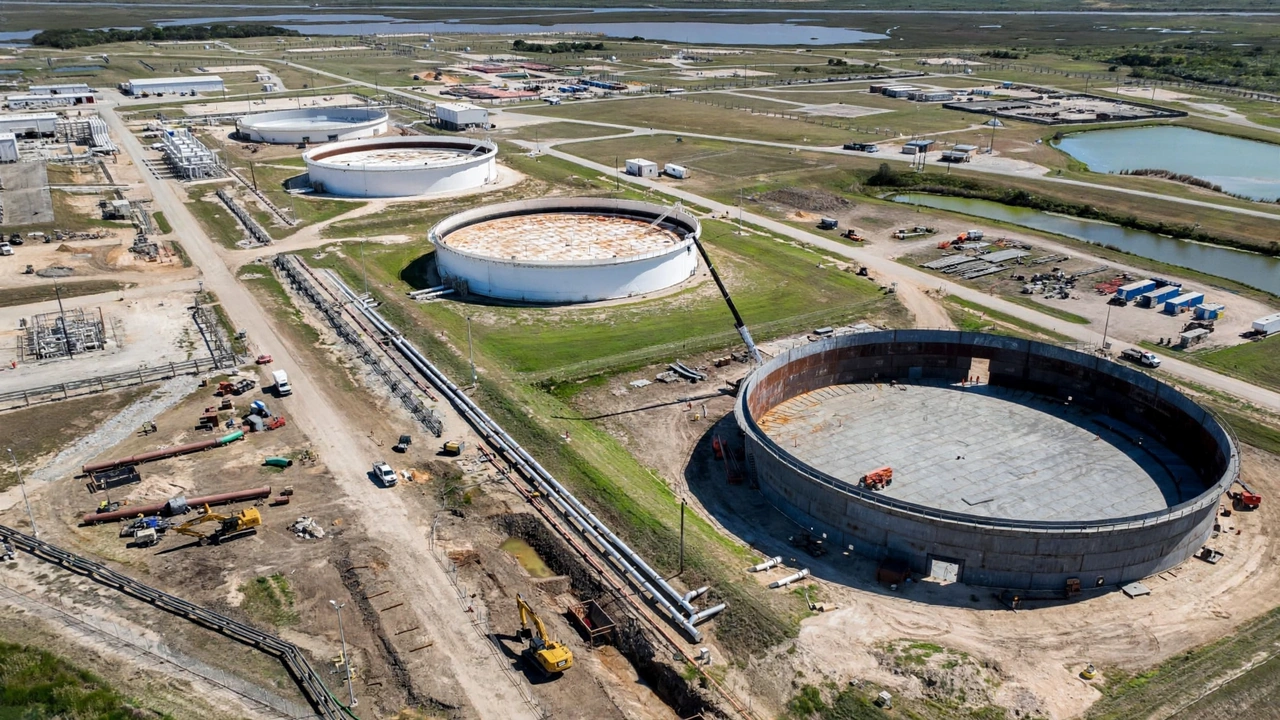
Supply uncertainty also matters for public emergency inventories. Earlier declines in the U.S. Strategic Petroleum Reserve illustrate the importance of distinguishing short-term market price relief from the longer-term availability of emergency crude supplies.
What Comes Next
Oil traders will be watching whether diplomatic discussions produce concrete commitments, whether security conditions improve around Gulf shipping routes, and whether actual petroleum flows confirm expectations of recovering supply. A failure to make progress could preserve a geopolitical risk premium even after the recent decline in Brent futures.
The EIA’s next Short-Term Energy Outlook is scheduled for November 10, providing another official assessment of energy supply, demand and prices. Its next weekly U.S. petroleum inventory report is scheduled for November 12 because of the Veterans Day holiday.
For now, Brent’s November 9 decline reflects a market responding to diplomatic possibilities while significant supply risks remain unresolved. The next test is whether improving expectations translate into verified shipping activity, more reliable deliveries and lower physical oil costs.