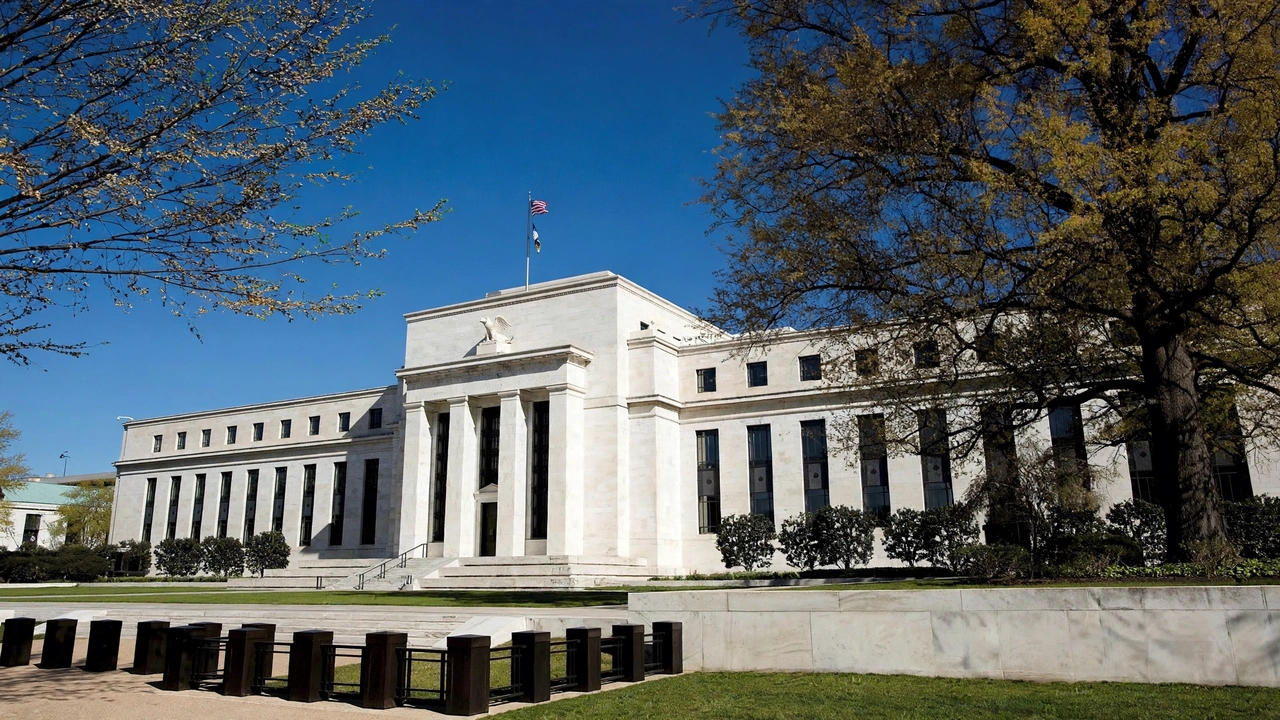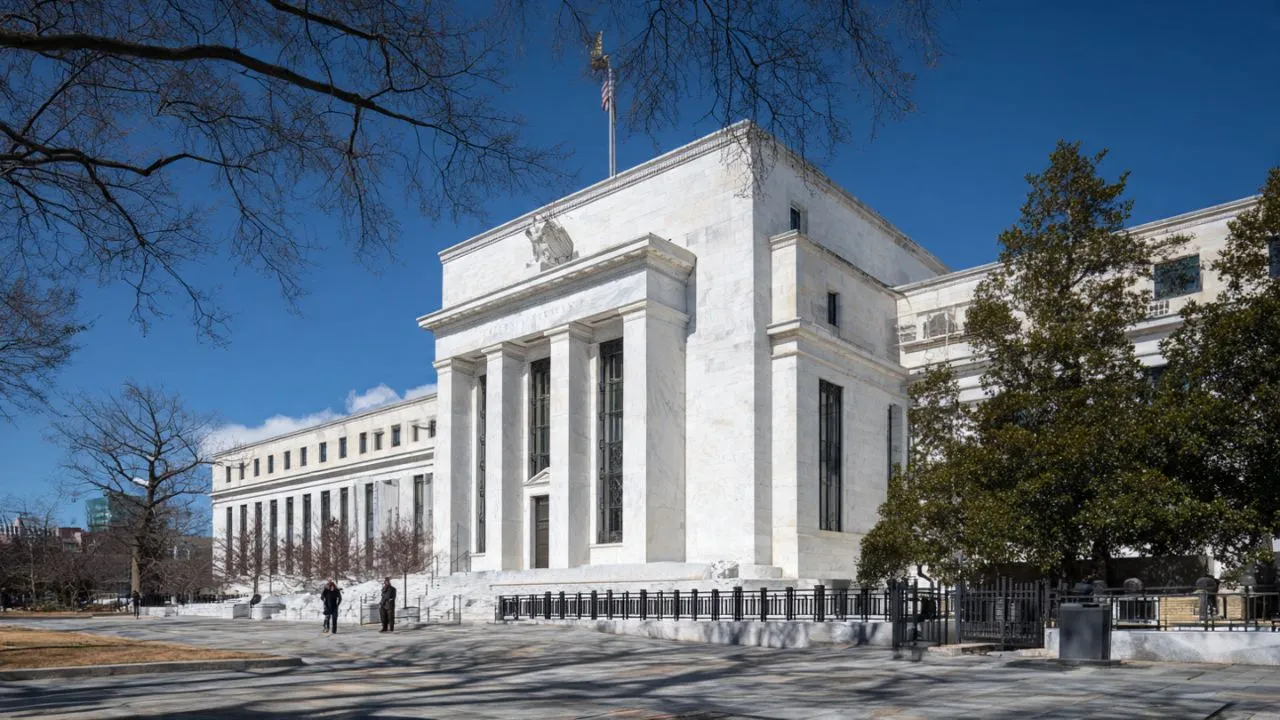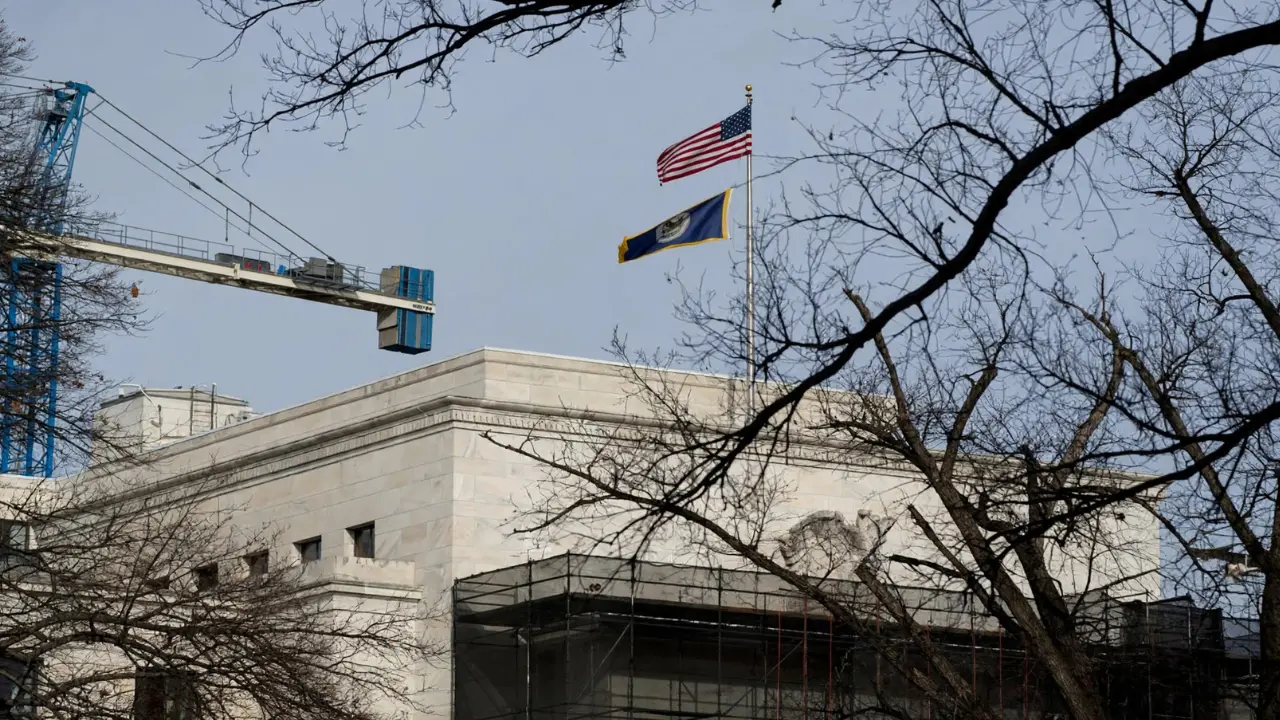


The Federal Reserve’s balance sheet stood at approximately $6.7 trillion as of the week ending May 20, 2026, according to the Fed’s H.4.1 statistical release. The next FOMC rate decision is scheduled for June 16–17, 2026, under incoming Chair Kevin Warsh.
Quantitative tightening is the Federal Reserve program that spent three years pulling trillions of dollars out of the U.S. financial system and every consumer who applied for a mortgage, car loan, or credit card line during that period paid a direct price for it.
The Fed officially ended its most recent quantitative tightening program on December 1, 2025, after reducing its asset holdings from a peak of $8.96 trillion in April 2022 down to approximately $6.57 trillion, a reduction of more than $2.3 trillion over roughly three and a half years.
Most Americans have never heard the term quantitative tightening. But they have felt its effects. When the Fed shrinks its balance sheet, it removes reserves from the banking system. Fewer reserves mean banks have less capacity to lend cheaply.
That structural tightness travels directly into the interest rate quoted on your next loan application. Understanding Fed rate policy is the first step toward protecting your household budget from decisions made in Washington.
What Quantitative Tightening Actually Does to Your Money
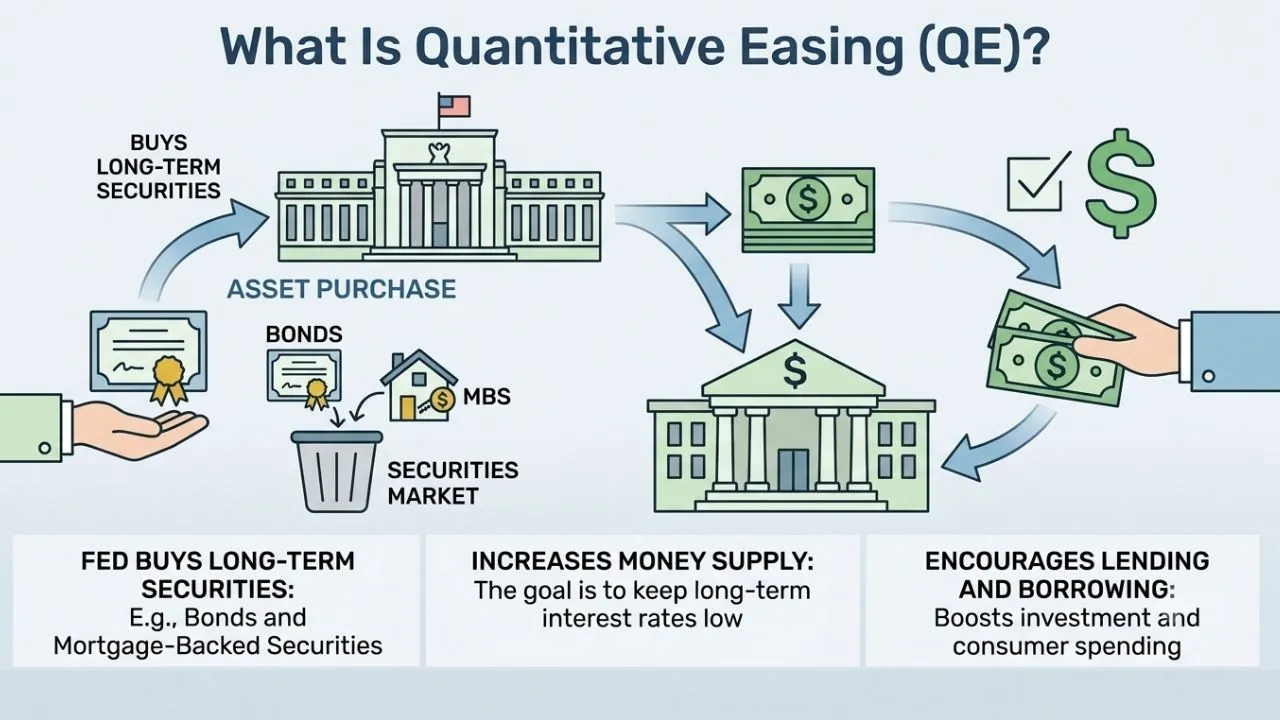
The Federal Reserve’s balance sheet is the total pile of assets, primarily U.S. Treasury securities and mortgage-backed securities, that the Fed accumulated by injecting money into the economy.
During the COVID-19 pandemic, the Fed purchased assets at an extraordinary pace, expanding its balance sheet by roughly $4 trillion between March and June 2020 alone. That flood of money kept borrowing cheap and financial markets stable during the crisis.


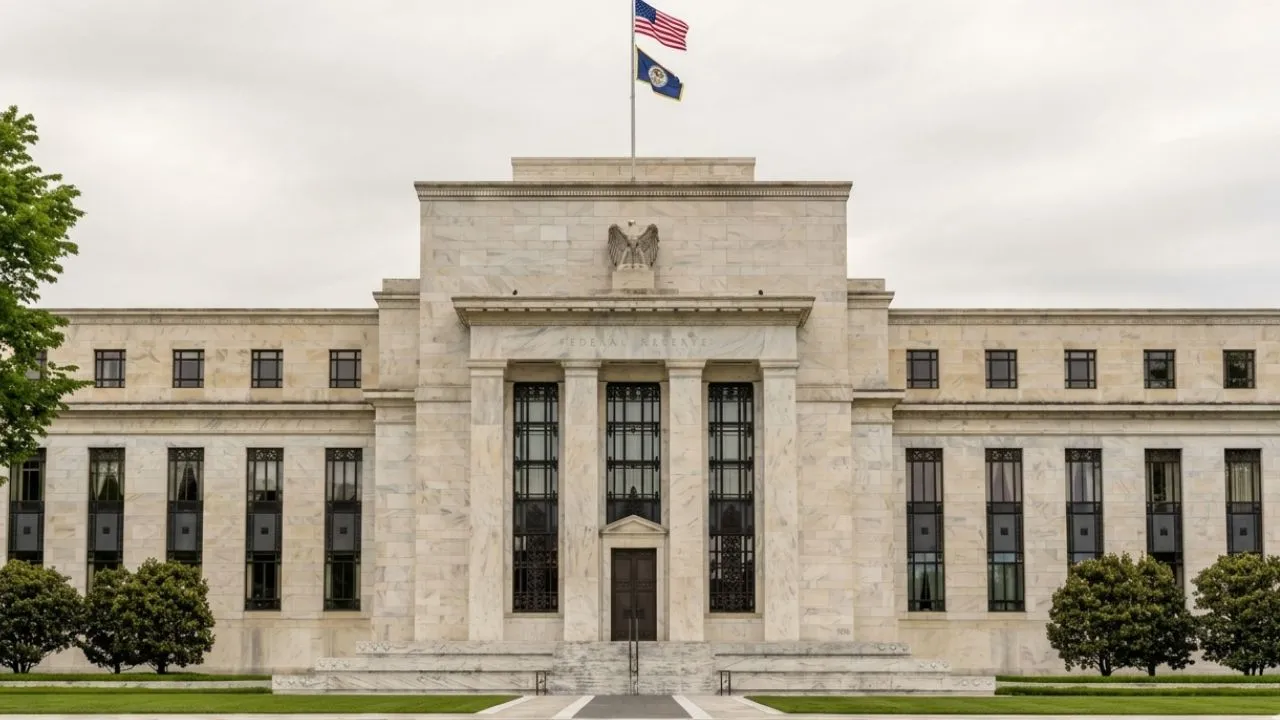
Quantitative tightening reversed that process. Starting in June 2022, the Fed stopped reinvesting the proceeds when its securities matured. Instead of buying new bonds to replace the old ones, it let them run off the balance sheet each month with a capped limit.
Treasury securities ran off at up to $60 billion per month and mortgage-backed securities at up to $35 billion per month at the program’s peak. Each month that money left the system, the pool of available reserves in commercial banks shrank.
The connection to your personal finances runs through a precise chain. As bank reserves contracted, the cost of overnight lending between banks, the federal funds rate, required active support from the FOMC to stay within its target range.
The Fed simultaneously raised the benchmark rate from near zero to a peak of 5.25%–5.50% in 2023. Those two policy tools, interest rate decisions and balance sheet reduction, worked together to make credit more expensive across the entire economy.
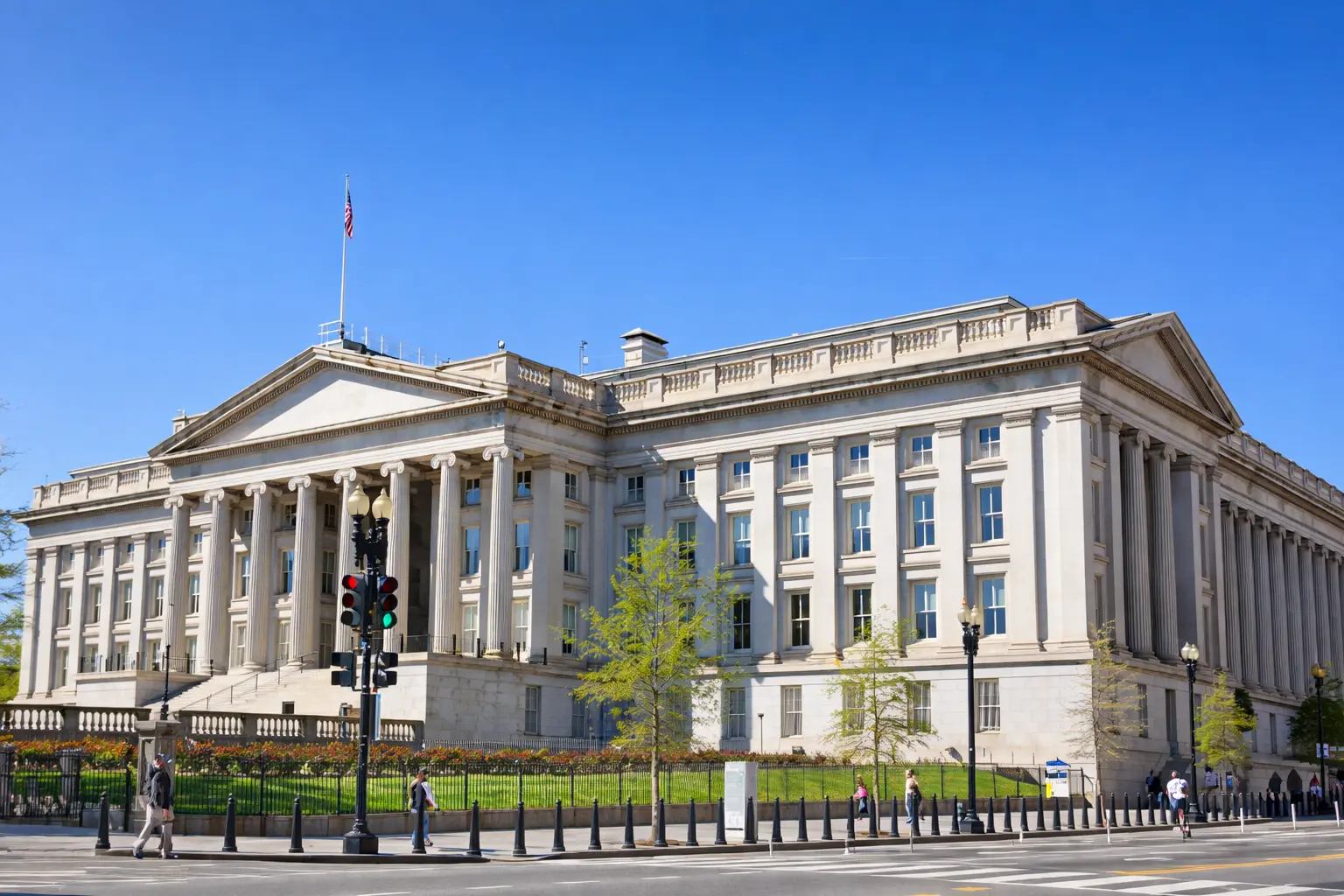
Your 30-year mortgage rate tracked above 7%. Your credit card APR climbed past 20%. Auto loan rates reached levels not seen since the early 2000s. The Bureau of Fiscal Service at the U.S. Treasury and the Federal Reserve operate as the two structural pillars of the U.S. payment and liquidity system.
When the Fed shrinks reserves on its side, the Treasury’s financing costs rise simultaneously, because the government must attract more private buyers for its debt at higher yields. Those higher Treasury yields set the floor for every interest rate in the American economy, from savings account rates at community banks to the yield on a corporate bond issued in Dallas.
Why QT Ended and What Happens to Your Rates Now
The Fed ended quantitative tightening in December 2025 because bank reserves had fallen close to the threshold where money markets begin to show stress. The FOMC recognized that reserves needed to remain at a level sufficient to keep the federal funds rate within its target range without daily intervention.
The lesson from September 2019, when the previous QT program caused a sudden spike in overnight lending rates, guided that decision. The Fed did not want a repeat of that disruption.
With QT over, the balance sheet has stabilized near $6.7 trillion. The FOMC has held the federal funds rate steady at 3.5%–3.75% for three consecutive meetings as of April 29, 2026, verified in the official FOMC minutes published at federalreserve.gov.
Four FOMC members dissented at the April meeting, the most dissents since October 1992, signaling sharp internal disagreement over whether rates should move higher or lower next. The next decision arrives June 16, 2026 at the FOMC June meeting.
For consumers, this matters in a specific, practical way. The end of QT does not automatically lower your mortgage rate or credit card rate. The Fed’s balance sheet stabilizing removes the additional upward pressure on borrowing costs, but rates will only fall materially when the FOMC votes to cut the federal funds rate.
Markets currently price in no rate cuts until the third or fourth quarter of 2026, based on the Desk Survey data reported in the April 2026 FOMC minutes. Until that cut arrives, the savings rate impact is the one area where consumers are currently benefiting, high-yield savings accounts and money market funds still offer meaningful returns near 4% while rates stay elevated.
The Federal Reserve publishes its full balance sheet data every Wednesday at approximately 4:30 PM Eastern time in the H.4.1 statistical release. Any American can read the exact size of the balance sheet, broken down by asset category, directly at federalreserve.gov.
That number, updated weekly, is the most transparent window into how the Fed’s policy decisions are flowing into the financial system your household depends on.
What You Should Do Now
- Check the current federal funds rate target range at the Federal Reserve’s official website before applying for any new loan or refinancing an existing one. The rate directly sets the floor for what your bank will charge.
- If you hold an adjustable-rate mortgage or variable-rate credit card, compare your current rate against top high-yield savings account rates. In a held-rate environment, moving idle cash into a high-yield account captures real value.
- Track the June 16, 2026 FOMC decision. If the FOMC signals a rate cut, mortgage refinancing applications typically surge within 48 hours. Being prepared before that announcement gives you a practical advantage.
- Review the Fed’s official balance sheet data after each Wednesday release to understand whether reserve conditions are tightening again.
- Read Investozora’s full coverage of Warsh rate policy and the June 16 decision impact to stay ahead of what your bank will do next.