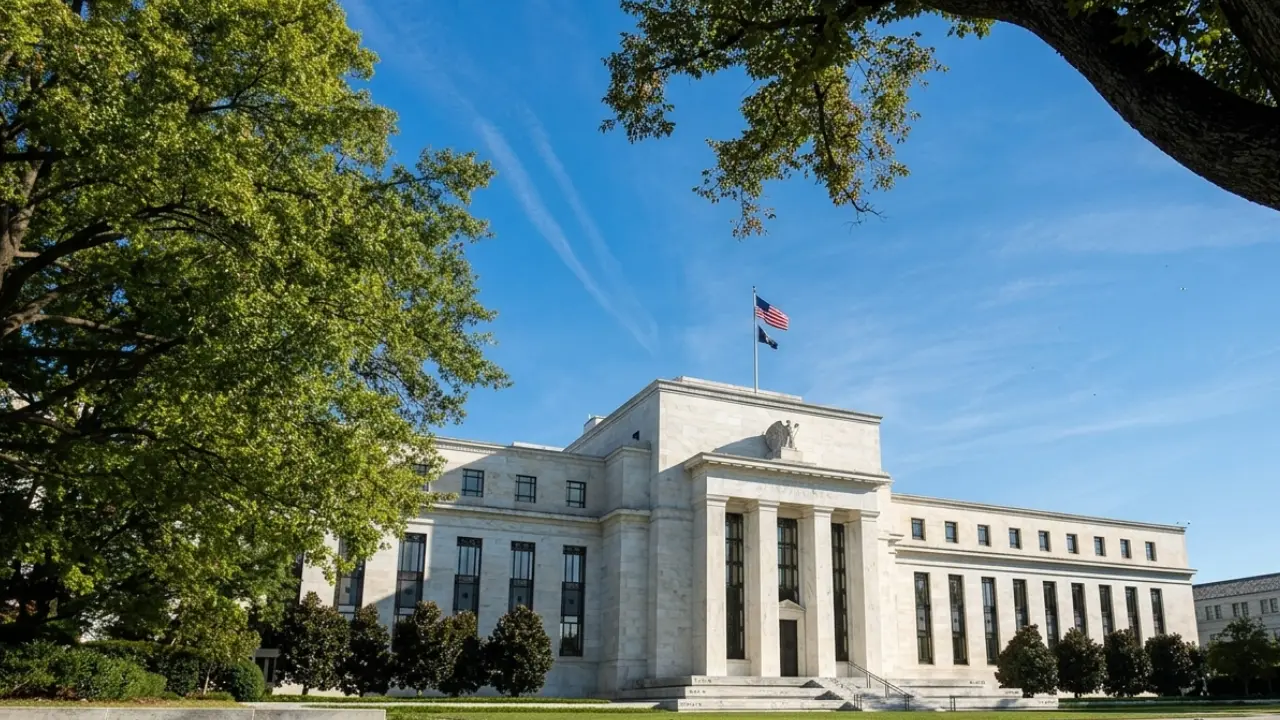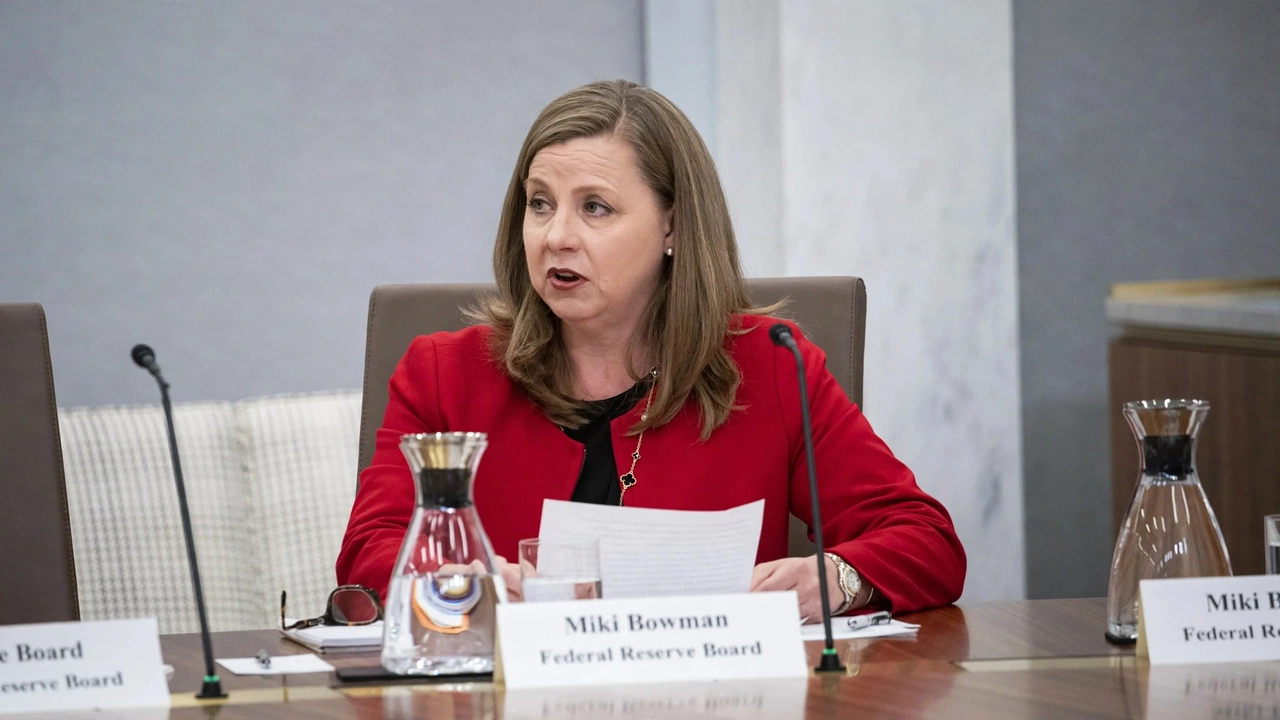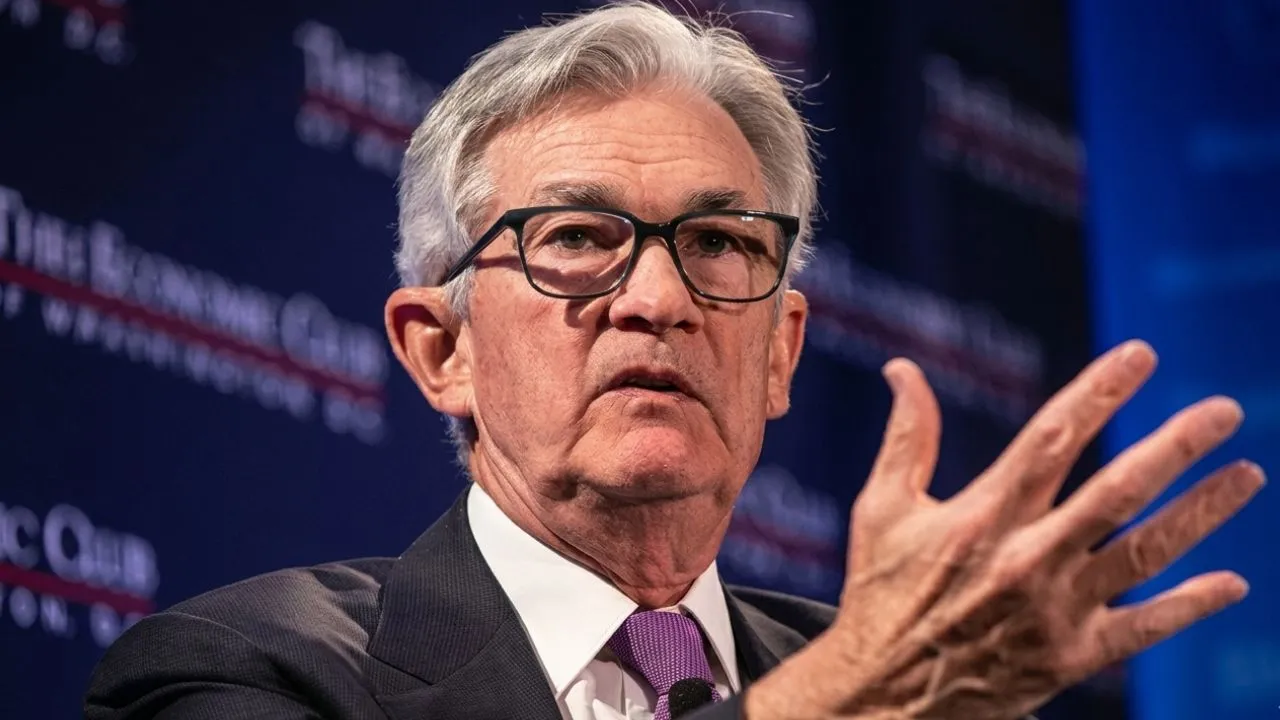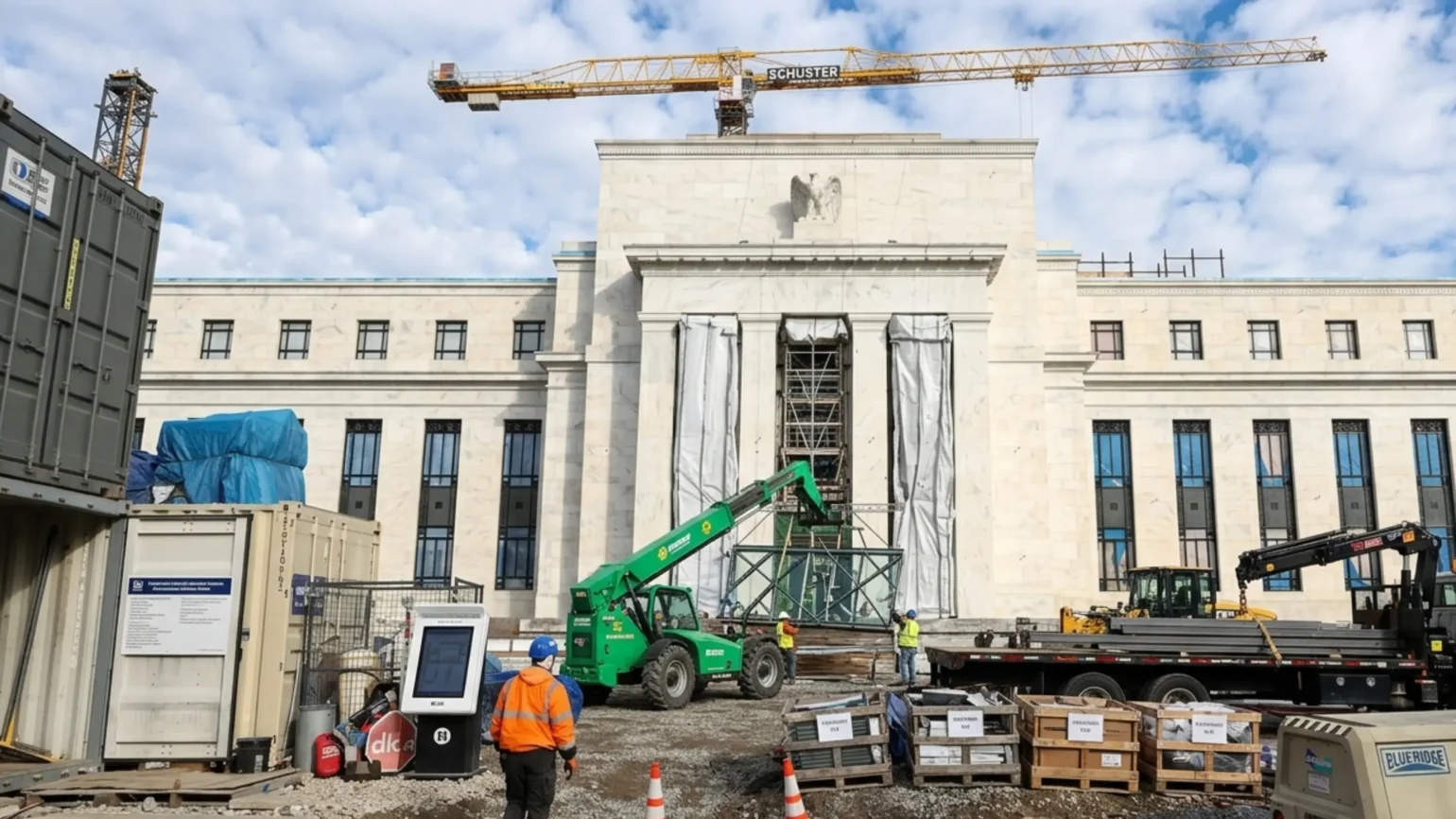
Updated: June 23, 2026 – The Federal Reserve operates as an independent agency of the federal government. Congress created it, funds it, and can legislatively modify it. The executive branch appoints its leadership.
But the president of the United States cannot legally direct the Federal Reserve to set a specific interest rate, cannot fire the Fed chair for disagreements over monetary policy, and cannot override FOMC decisions. This structural separation is the legal and institutional architecture known as Federal Reserve independence.
Federal Reserve independence means the central bank makes its monetary policy decisions based on its dual congressional mandate, not on the preferences of the sitting president.
The mandate, established by the Federal Reserve Act and later clarified through the Full Employment and Balanced Growth Act of 1978, requires the Fed to pursue maximum employment and stable prices. How the Fed pursues those goals is the exclusive domain of its Board of Governors and the Federal Open Market Committee.
The relevance of this architecture has sharpened considerably in 2026. Kevin Warsh was sworn in as Fed Chair on June 16, 2026, following a period of intense public commentary from the executive branch about the previous chair’s interest rate decisions.
Understanding exactly what the law permits and prohibits regarding presidential influence over the Federal Reserve is not an academic exercise in 2026. It is a practical question with direct consequences for mortgage rates, savings yields, inflation expectations, and the stability of every institution that prices money.
The Legal Foundation
The Federal Reserve was established by the Federal Reserve Act of 1913. The Act created twelve regional Federal Reserve Banks and a Board of Governors appointed by the president and confirmed by the Senate.
The specific legal provisions governing removal are embedded in Section 10 of the Act, which states that members of the Board of Governors “shall hold office for a term of fourteen years” and “shall be ineligible for reappointment” after serving a full term.
The Act does not explicitly enumerate a removal standard for the Fed chair or governors equivalent to the clear “for cause” language found in other independent agency statutes. This ambiguity has been the source of significant legal debate. The governing precedent has generally been interpreted as permitting removal only for cause, meaning neglect of duty or malfeasance, not for policy disagreement.
The Supreme Court’s decision in Humphrey’s Executor v. United States (1935) established the broader constitutional principle that Congress can create independent agencies whose heads are insulated from at-will removal by the president.
The Court reinforced this framework in Seila Law v. CFPB (2020), while carving out specific exceptions for agencies structured differently from multi-member commissions. The Federal Reserve’s multi-member Board of Governors structure fits within the traditional independent agency model that Humphrey’s Executor protects.
The DOJ probe into Fed independence that generated significant market concern in 2025 highlighted the gap between what political actors may attempt and what the legal framework permits. No president has successfully removed a sitting Federal Reserve chair for policy disagreement in the institution’s 113-year history.
The market’s reaction to any attempt to do so would itself constitute a powerful constraint, as the dollar’s status as the global reserve currency depends substantially on confidence in the independence of the institution that manages it.
Why Independence Was Designed This Way
The architects of the modern Federal Reserve’s independence structure were responding to specific historical failures. The most instructive was the political pressure placed on the Fed during the 1970s, when the Nixon administration’s persistent lobbying of then-Chair Arthur Burns to keep rates low contributed to the worst inflation episode in modern American history.
That experience produced the academic and policy consensus that central bank independence, measured across dozens of countries over decades, consistently produces lower inflation and more stable growth than politically directed monetary policy.
The logic is straightforward. Elected politicians face four-year cycles. Low interest rates feel good in the short term. They stimulate borrowing, boost asset prices, and generate economic activity that voters notice before elections.
High interest rates feel bad in the short term. They slow borrowing, depress asset prices, and create unemployment that voters also notice. A monetary authority whose decisions were directly subject to electoral pressure would therefore have a structural bias toward excessive accommodation and insufficient restraint of inflation.
The fourteen-year terms for Board of Governors members exist precisely to break this connection. A governor appointed by one president will serve through the terms of three or four subsequent presidents. The what is the Federal Reserve system guide explains the complete governance structure, including how the twelve regional Federal Reserve Banks and their presidents participate in monetary policy decisions through the FOMC.
The Federal Reserve controls inflation through its primary tool, the federal funds rate target. When the FOMC raises this rate, borrowing becomes more expensive throughout the economy, which slows spending and reduces upward price pressure.
When the FOMC cuts rates, borrowing becomes cheaper, stimulating spending and potentially increasing inflation. The credibility of this mechanism depends entirely on market confidence that the FOMC’s decisions are made on technical monetary grounds, not in response to political instruction.
What Presidents Can Actually Do
Presidential influence over the Federal Reserve is real but operates through legitimate channels rather than direct command. The president nominates all seven members of the Board of Governors, subject to Senate confirmation.
Since governors serve fourteen-year terms that are staggered, a two-term president typically has the opportunity to appoint four to five of the seven governors. This means the long-run composition of the Board reflects presidential preferences expressed through the appointment process.
The president also designates one governor as chair and one as vice chair, for four-year terms in those leadership positions. The chair’s term as chair is distinct from the governor’s term. A president can choose not to reappoint a sitting chair at the end of the four-year chair term, effectively ending their chairmanship while the individual remains on the Board as a governor until their governor term expires.
This is the legitimate exercise of presidential influence. Kevin Warsh’s confirmation as Fed Chair in May 2026 exemplifies this process. He was nominated by the president, confirmed by the Senate, and began a four-year term as chair.
His views on monetary policy, well documented in his prior public service and academic writing, signal the direction he intends to take the institution. But that direction must be pursued through the FOMC’s deliberative process, not through unilateral command.
The Warsh Fed policy and interest rates analysis explains his specific positioning on inflation, the balance sheet, and the appropriate pace of rate adjustments. His June 17, 2026, first rate decision as chair reflects his policy views translated into institutional action through the proper FOMC mechanism, the same mechanism that would constrain any chair regardless of their personal policy preferences.
Market Consequences of Independence Concerns
When markets perceive a credible threat to Federal Reserve independence, the consequences are immediate and measurable. The dollar falls against major currencies as foreign investors price in a higher risk of inflation from politically directed monetary policy. Treasury yields rise as investors demand a higher term premium to compensate for increased monetary uncertainty. Treasury yields and their impact on mortgages and savings rates translate that abstract concern into immediate consumer financial consequences.
Mortgage rates rise when long-term Treasury yields rise. Savings account yields change more slowly as banks adjust to new rate environments. The federal reserve rate decision and deposit timing explains how FOMC decisions flow through the payment system into consumer accounts and savings instruments.
The 2025 period of heightened public speculation about presidential interference with the Fed produced exactly the market dynamic described above. Ten-year Treasury yields moved sharply on headlines about Fed chair removal. The dollar weakened. Gold and other inflation hedges rallied.
These movements reflected market pricing of independence risk, and they partially reversed when the situation clarified. This episode is the clearest recent demonstration that Federal Reserve independence has direct, quantifiable financial value to every American who holds a mortgage, a savings account, or any dollar-denominated asset.
The FOMC June rate decision under Warsh restored significant market confidence precisely because it followed the established institutional process. The rate decision was debated within the FOMC, voted on by its members, and announced through the standard post-meeting statement and press conference. That procedural normalcy carries its own market signal.
Congressional Oversight and Accountability
Federal Reserve independence does not mean the institution operates without accountability. Congress exercises robust oversight through multiple mechanisms. The Fed chair testifies before the Senate Banking Committee and the House Financial Services Committee twice each year in the Humphrey-Hawkins testimony, named for the 1978 legislation that clarified the dual mandate. These hearings are public, detailed, and frequently contentious.
The Government Accountability Office conducts audits of Federal Reserve operations, with some exceptions for FOMC deliberations where the Fed argued successfully that immediate public disclosure of monetary policy discussions would compromise market function. The GAO audit scope expanded after the Dodd-Frank Act of 2010, which also required public disclosure of emergency lending facilities after a two-year lag.
Congress can legislatively modify the Federal Reserve’s mandate, structure, and authorities. This is the most powerful check on the institution because it requires the normal legislative process of majority votes in both chambers and presidential signature or veto override.
Proposals to change the Fed’s dual mandate to a single inflation target, to require the Fed to follow a rules-based interest rate formula, or to expand GAO audit authority have been introduced in multiple Congresses. None has passed. Their introduction demonstrates the legitimate legislative channel through which congressional disagreement with Fed policy can be expressed.
The what is the FOMC rate decisions guide explains the specific meeting structure, voting membership rotation among regional bank presidents, and the dissent mechanism that allows individual FOMC members to register disagreement publicly. This internal accountability mechanism is itself a transparency feature of the system.
Frequently Asked Questions
Can the president fire the Federal Reserve chair?
The legal consensus, supported by Supreme Court precedent in Humphrey’s Executor and subsequent decisions, holds that a sitting Fed chair can only be removed for cause, meaning documented neglect of duty or malfeasance in office. Removal for policy disagreement has no established legal basis and would face immediate legal challenge. No president has successfully removed a Fed chair for policy reasons in the institution’s history.
Does Federal Reserve independence mean the Fed has no accountability?
No. The Fed is accountable to Congress through twice-annual testimony, GAO audits, and Congress’s retained authority to legislatively modify the Fed’s mandate and structure. The Fed also maintains public accountability through its own transparency mechanisms, including press conferences after every FOMC meeting, published meeting minutes, and detailed quarterly economic projections. Independence means freedom from direct political instruction on monetary policy decisions, not freedom from scrutiny.
How does Fed independence affect my savings account rate?
When the FOMC raises the federal funds rate target, banks eventually raise savings account yields to attract deposits, though the pass-through is slower and less complete than the rate increase itself. The credibility of the Fed’s inflation-fighting commitment determines how long rates stay elevated. If markets believed political pressure would force premature rate cuts, they would price in higher inflation expectations, which would actually push long-term rates higher even as short-term rates fell. How the Fed controls interest rates and savings explains the transmission mechanism from FOMC decisions to consumer deposit rates.
What happened to the Federal Reserve’s independence under Kevin Warsh?
Warsh was confirmed by the Senate in May 2026 and sworn in on June 16, 2026. His first rate decision on June 17, 2026, was made through the standard FOMC deliberative process. The institutional independence of the Federal Reserve was preserved through the legitimate appointment mechanism. The FOMC June 16 meeting and Warsh’s first rate decision analysis covers the specific policy outcome and its implications for savings, mortgage rates, and the broader economy.
Federal Reserve independence is not a privilege the institution granted itself. It is a structural design embedded in law, reinforced by precedent, and validated repeatedly by market evidence. Every American who pays a mortgage rate, earns interest on savings, or holds any dollar-denominated asset has a direct financial stake in the preservation of that design.
Understanding how federal money movement works across the entire Treasury and Federal Reserve system provides the broader context for why institutional independence at the monetary policy level matters so concretely to everyday financial outcomes.