



WASHINGTON – Federal Reserve officials moved noticeably closer to raising interest rates at their July meeting, with newly released minutes showing that “several” participants favored an immediate quarter-point hike and many others believed tighter policy would likely be needed if inflation failed to decline.
That represents a meaningful shift from just six weeks earlier. At the Fed’s June meeting, all participants supported holding rates steady, even though “a few” said there was a case for an increase. By July, several officials wanted the increase immediately, and three voting members formally dissented from the decision to hold.
The comparison, based on Investozora’s review of the Fed’s July 28–29 FOMC minutes against its June 16–17 FOMC minutes, reveals a committee whose debate had shifted from whether higher rates might eventually be necessary to whether the Fed should already be tightening.
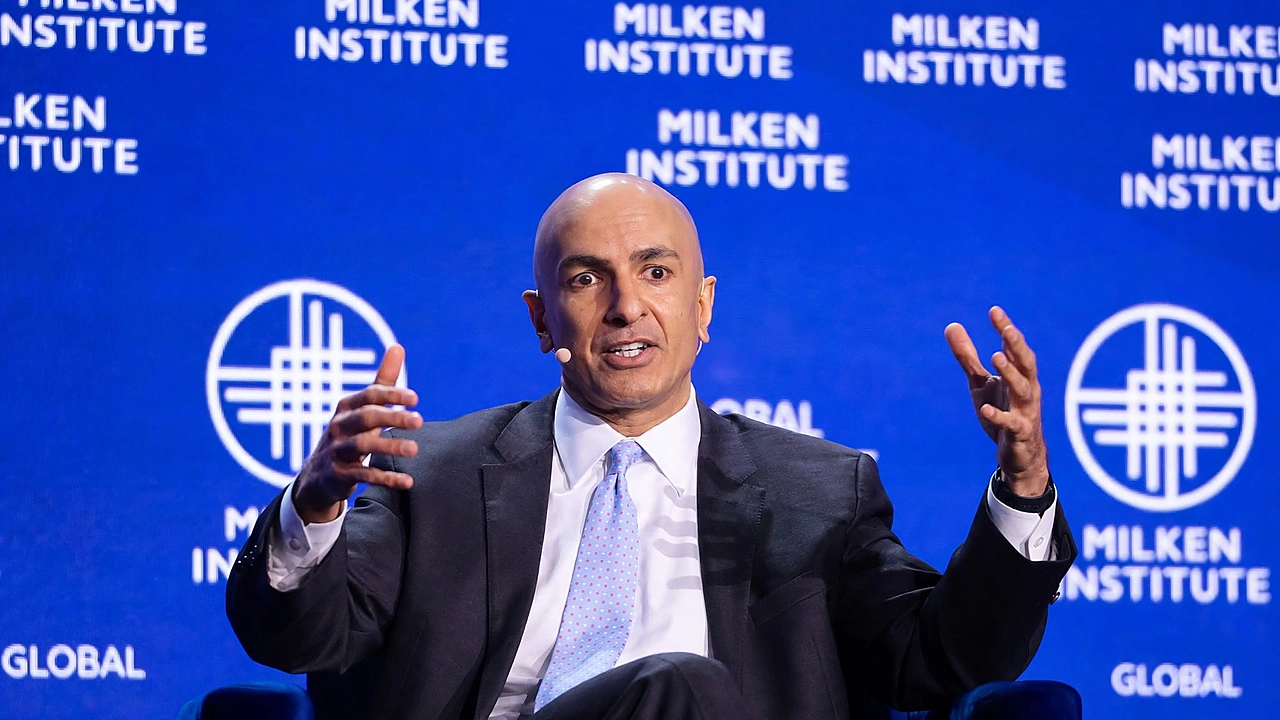
The Fed nevertheless left its target federal funds rate unchanged at 3.50% to 3.75% in July by a 9–3 vote. Beth Hammack, Neel Kashkari and Lorie Logan dissented and preferred a 25-basis-point increase.
The distinction matters now because the minutes were released Wednesday, August 19, while investors are trying to determine whether the Fed could raise rates at its next meeting in September.
The biggest change is clearer in the June-to-July comparison
The 9–3 vote was already public after the July meeting. What the minutes add is a broader picture of how much support for tighter policy existed beyond those three dissenting voters.
| Fed Meeting | What Participants Said About Rates | Formal Decision |
|---|---|---|
| June 16–17 | All supported holding; “a few” saw a case for raising rates | Hold |
| July 28–29 | Most supported holding; “several” favored an immediate 25-basis-point hike | Hold, 9–3 |
| July outlook | “Many” said tightening would likely be necessary if inflation failed to decline | Future action remained conditional |
The Federal Reserve does not translate terms such as “a few,” “several” and “many” into exact public head counts in the minutes. The defensible conclusion, therefore, is not that a specific undisclosed number switched sides. It is that the Fed’s own language documents a broader and more immediate appetite for tightening in July than it did in June.
In June, participants who saw a case for higher rates still supported waiting. In July, several participants instead favored acting immediately. That change is the central new information contained in Wednesday’s release.
Why some Fed officials wanted to raise rates
Inflation was still running well above the Fed’s 2% objective when policymakers met July 28–29. The minutes said the information available at the meeting showed 12-month PCE inflation at 4.1% in May, with core PCE inflation at 3.4%.
Based on CPI and producer-price data then available, Fed staff estimated that June headline PCE inflation had eased to 3.7% and core PCE to 3.3%. Those estimates were subsequently confirmed in the Bureau of Economic Analysis’ June Personal Income and Outlays report.
Participants described price increases as broad across parts of the economy. They discussed pressures related to tariffs, energy and other supply shocks, the Middle East conflict and the rapid expansion of artificial-intelligence investment. Although most officials expected inflation to moderate during the rest of 2026, many saw a risk that it could remain persistently high.
For several officials, that was enough to justify a July hike. The minutes say those participants believed a more restrictive policy stance was warranted to achieve the Fed’s price-stability and maximum-employment goals.
A few officials who preferred a July increase also argued that moving earlier could reduce the risk of needing a sharper tightening cycle later. For readers who want the mechanics behind that argument, Investozora’s guide to how the Federal Reserve controls interest rates explains how changes in the federal funds target move through financial conditions.
One sentence in the minutes matters most for what comes next
Beyond the officials who wanted an immediate hike, the minutes contain a broader warning about the future path of rates: Many participants assessed that tighter policy would likely become necessary if inflation failed to decline.
The condition at the end of that statement is crucial. The minutes do not say the Fed has decided to raise rates in September. They say future tightening would depend heavily on incoming inflation data and officials’ interpretation of it.
That distinction separates a documented Fed policy bias from a prediction about the next meeting. It also means Wednesday’s minutes cannot be read in isolation from information that arrived after the July meeting.
The complication: economic data changed after the Fed met
The minutes describe what policymakers knew on July 28–29. Two major reports released afterward have added evidence that officials did not have during those discussions.
The Bureau of Labor Statistics reported on August 7 that U.S. nonfarm payroll employment fell by 23,000 in July, while the unemployment rate was 4.1%. BLS also revised May and June payroll growth down by a combined 103,000 jobs. That weaker labor picture is examined in Investozora’s analysis of how the July jobs report changed the September Fed outlook.
Then, on August 12, BLS reported that the Consumer Price Index rose only 0.1% in July. Headline CPI was up 3.4% from a year earlier, while core CPI increased 0.2% for the month and 2.5% over 12 months. Those figures do not erase the inflation concern documented in the minutes, and CPI is not the same measure as the PCE price index used prominently by the Fed.
But they mean policymakers will enter September with information that differs from the data set available at the July meeting. Investozora’s July CPI breakdown and its implications for Fed policy examines that distinction in more detail. That is why the minutes are hawkish evidence, but not a September rate-hike decision.
The Fed’s preferred inflation data are still coming
Another important piece of the September puzzle has not yet arrived. BEA is scheduled to release its July Personal Income and Outlays report on August 26 at 8:30 a.m. EDT. That release will include the July PCE price indexes. June PCE inflation was 3.7% year over year, with core PCE at 3.3%.
After that, BLS is scheduled to publish the August jobs report on September 4 and the August CPI report on September 11. The Federal Reserve’s next policy meeting is scheduled for September 15–16, according to the official 2026 FOMC calendar. That creates a clear sequence before the next decision:
July PCE → August jobs → August CPI → September FOMC decision.
Each report can strengthen or weaken the case that the inflation persistence discussed in July requires another increase. Investozora is tracking that decision separately in its September Fed rate-decision coverage.
What the minutes mean for borrowers and savers
For households, the most important message is not that a September hike is guaranteed. It is that rate cuts were not the central direction of the July debate and a meaningful group of policymakers was instead discussing whether financial conditions needed to become more restrictive.
If the Fed ultimately keeps rates elevated for longer or raises them again the effects would flow differently across savings products, credit and longer-term borrowing costs. Bank deposit yields do not all move identically with the federal funds rate, while mortgage rates are influenced by longer-term bond yields and expectations as well as Fed policy.
Readers can follow those channels separately in Investozora’s guides to how Fed rate hikes can affect savings yields, what higher rates mean for borrowing costs and how a Fed hike can affect mortgage rates.
The July minutes themselves noted that financing conditions were still supportive for many large businesses while remaining more restrictive for many households and small businesses, and that home-purchase mortgage activity remained depressed.
What the minutes do, and do not, establish
The newly released document establishes three important facts. First, support for higher rates became more concrete between June and July. In June, a few officials saw a case for a hike but still backed a hold. By July, several favored an immediate 25-basis-point increase.
Second, the disagreement went beyond three dissenting votes. The minutes say many participants believed tightening would likely be required if inflation failed to decline. Third, that conditional language remains important because significant labor-market and inflation reports arrived after the July meeting.
The minutes therefore strengthen the evidence that the Federal Reserve entered late July with a substantial inflation problem and a growing internal constituency for tighter policy. They do not establish that the September outcome has been decided.
Investozora analysis: what changed inside the Fed
The 9–3 vote was already public. The more revealing information in the minutes is how the breadth and urgency of support for tighter policy changed between June and July.
In June, the minutes said only “a few” participants saw a case for raising rates, and all voting members still supported holding policy steady. By July, the language had strengthened: “several” participants favored an immediate 25-basis-point increase, while “many” said tighter policy would likely become necessary if inflation failed to decline.
Those Federal Reserve terms do not translate into exact public head counts, so they should not be treated as numerical vote estimates. But the progression is still meaningful. It shows that the debate had moved from whether another hike might eventually be justified to whether the Fed should already be acting.
That is the key information gain from the minutes. It does not establish a September hike, because officials will make that decision using newer inflation and labor-market data that were unavailable in July. But it does show that persistent inflation had pushed a broader part of the committee toward tighter policy than the formal 9–3 vote alone reveals.
What to watch next
The first major test comes on August 26, when BEA publishes July PCE inflation. The August employment report follows September 4, August CPI arrives September 11, and the Fed makes its next policy decision September 16.
A renewed acceleration in inflation would reinforce the concern visible throughout the July minutes. Continued disinflation combined with weaker employment would strengthen the argument for patience.
Until those data arrive, the strongest conclusion supported by the record is narrower and more important than a rate prediction: The July minutes show that the Federal Reserve’s internal debate had shifted measurably toward tighter policy, even though the committee ultimately chose to wait.
Reporting methodology
Investozora reviewed the Federal Reserve’s July 28–29 minutes against the June 16–17 minutes to identify changes in participants’ stated policy preferences rather than relying solely on the already-public vote.
Post-meeting conditions were then checked against the Bureau of Labor Statistics’ July employment and CPI releases, the Bureau of Economic Analysis’ June PCE release and next-release date, and the Federal Reserve’s official meeting calendar.
The Federal Reserve’s qualitative terms such as “a few,” “several” and “many” are preserved as published rather than converted into unsupported numerical estimates. Post-July-meeting economic data are explicitly separated from information policymakers possessed when the meeting occurred.







One thought on “Fed Minutes Show More Officials Backed Rate Hikes Over Inflation @import url("https://fonts.googleapis.com/css2?family=Poppins:wght@400;500;600&family=Source+Sans+3:wght@400;500;600;700&display=swap"); /* ========================================= NORMAL BYLINE ========================================= */ .izo-clean-byline { display: flex; align-items: center; justify-content: space-between; width: 100%; max-width: 620px; gap: 16px; margin-top: 4px; margin-bottom: 16px; font-family: "Poppins", Arial, sans-serif; } .izo-clean-byline-content { display: flex; flex-direction: column; justify-content: center; align-items: flex-start; min-width: 0; gap: 4px; line-height: 1.12; transform: translateY(-4px); font-family: "Poppins", Arial, sans-serif; } .izo-clean-author-wrap { position: relative; display: inline-block; width: fit-content; line-height: 1.12; margin: 0; padding: 0; outline: none; } .izo-by-label { font-family: "Poppins", Arial, sans-serif; font-size: 14px; font-weight: 400; color: #111; line-height: 1.12; margin-right: 3px; } .izo-clean-author-name { position: relative; display: inline-block; font-family: "Poppins", Arial, sans-serif; font-size: 14px; font-weight: 600; color: #111; cursor: pointer; line-height: 1.12; padding: 0; margin: 0; text-decoration-line: underline; text-decoration-color: #111; text-decoration-thickness: 1px; text-underline-offset: 1px; } .izo-clean-author-name::after { display: none; } .izo-clean-meta { font-family: "Poppins", Arial, sans-serif; font-size: 11px; font-weight: 400; color: #555; line-height: 1.12; margin: 0; padding: 0; } /* ========================================= RIGHT ACTIONS GOOGLE + SHARE ========================================= */ .izo-byline-actions { display: flex; align-items: center; justify-content: flex-end; gap: 7px; flex: 0 0 auto; position: relative; top: 6px; } /* ========================================= GOOGLE SOURCE BADGE ========================================= */ .izo-google-source-badge { display: inline-flex; align-items: center; justify-content: center; width: 34px; height: 34px; min-width: 34px; flex: 0 0 34px; padding: 6px; margin: 0; box-sizing: border-box; background: #ffffff !important; border: 1px solid rgba(85,85,85,0.30) !important; border-radius: 6px; box-shadow: none !important; text-decoration: none !important; overflow: hidden; transition: border-color 0.18s ease, background-color 0.18s ease; } .izo-google-source-badge img { display: block; width: 100%; height: 100%; max-width: 100%; object-fit: contain; object-position: center; margin: 0; padding: 0; border: 0 !important; border-radius: 0 !important; background: transparent !important; box-shadow: none !important; } .izo-google-source-badge:hover { background: #ffffff !important; border-color: rgba(85,85,85,0.45) !important; box-shadow: none !important; transform: none !important; } .izo-google-source-badge:focus { background: #ffffff !important; outline: 1px solid rgba(85,85,85,0.45); outline-offset: 2px; box-shadow: none !important; } /* ========================================= SHARE BUTTON ========================================= */ .izo-share-button { display: inline-flex; align-items: center; justify-content: center; width: 34px; height: 34px; min-width: 34px; flex: 0 0 34px; padding: 7px; margin: 0; box-sizing: border-box; background: #ffffff !important; border: 1px solid rgba(85,85,85,0.30) !important; border-radius: 6px; box-shadow: none !important; color: #333333 !important; cursor: pointer; text-decoration: none !important; overflow: hidden; appearance: none; -webkit-appearance: none; transition: border-color 0.18s ease, color 0.18s ease, background-color 0.18s ease; } .izo-share-button svg { display: block; width: 18px; height: 18px; fill: none; stroke: currentColor; stroke-width: 1.8; stroke-linecap: round; stroke-linejoin: round; margin: 0; padding: 0; } .izo-share-button:hover { background: #ffffff !important; border-color: rgba(85,85,85,0.45) !important; color: #111111 !important; box-shadow: none !important; transform: none !important; } .izo-share-button:focus { background: #ffffff !important; outline: 1px solid rgba(85,85,85,0.45); outline-offset: 2px; box-shadow: none !important; } /* ========================================= AUTHOR DETAILS CARD ========================================= */ .izo-clean-author-tooltip { position: absolute; top: calc(100% + 10px); left: 0; width: 440px; max-width: calc(100vw - 40px); background: #fff; color: #333; border: 1px solid #e5e5e5; border-radius: 8px; padding: 16px; font-family: "Source Sans 3", Arial, sans-serif; font-size: 13px; font-weight: 400 !important; line-height: 1.55; box-shadow: 0 8px 24px rgba(0,0,0,0.10); opacity: 0; visibility: hidden; transform: translateY(5px); transition: opacity 0.2s ease, transform 0.2s ease, visibility 0.2s ease; z-index: 9999; pointer-events: none; } /* ========================================= IMAGE + BIO ========================================= */ .izo-tooltip-main { display: flex; align-items: flex-start; gap: 14px; width: 100%; } .izo-tooltip-image { width: 96px; height: 96px; flex: 0 0 96px; object-fit: cover; object-position: center; display: block; border-radius: 6px; margin: 0; padding: 0; } .izo-tooltip-bio { flex: 1 1 auto; min-width: 0; font-family: "Source Sans 3", Arial, sans-serif; font-size: 13px; font-weight: 400; line-height: 1.55; color: #333; margin: 0; padding: 0; } .izo-clean-author-tooltip strong { font-family: "Source Sans 3", Arial, sans-serif; font-weight: 400 !important; } /* ========================================= DESKTOP HOVER ========================================= */ .izo-clean-author-wrap:hover .izo-clean-author-tooltip { opacity: 1; visibility: visible; transform: translateY(0); pointer-events: auto; } /* ========================================= KEYBOARD / MOBILE TAP ========================================= */ .izo-clean-author-wrap:focus .izo-clean-author-tooltip, .izo-clean-author-wrap:focus-within .izo-clean-author-tooltip { opacity: 1; visibility: visible; transform: translateY(0); pointer-events: auto; } /* ========================================= POPUP FOOTER SOCIALS | READ PROFILE ========================================= */ .izo-tooltip-footer { display: flex; align-items: center; gap: 14px; margin-top: 16px; width: 100%; } .izo-tooltip-socials { display: flex; align-items: center; gap: 14px; margin: 0; padding: 0; } .izo-tooltip-socials a { display: inline-flex; align-items: center; justify-content: center; width: 24px; height: 24px; color: #222; text-decoration: none; border: none; transition: opacity 0.2s ease, transform 0.2s ease; } .izo-tooltip-socials a:hover { opacity: 0.72; transform: translateY(-1px); } .izo-tooltip-socials svg { width: 21px; height: 21px; fill: currentColor; display: block; } /* Grey separator */ .izo-tooltip-separator { display: inline-flex; align-items: center; justify-content: center; color: #b5b5b5; font-family: "Source Sans 3", Arial, sans-serif; font-size: 20px; font-weight: 400; line-height: 1; margin: 0 1px; } /* Read profile */ .izo-clean-author-tooltip .izo-profile-link { display: inline-block; font-family: "Source Sans 3", Arial, sans-serif; font-size: 13px; font-weight: 600; color: #1a73e8; text-decoration: none; border-bottom: 1px solid #1a73e8; line-height: 1.25; white-space: nowrap; } /* ========================================= MOBILE ========================================= */ @media (max-width: 650px) { .izo-clean-byline { display: flex; flex-direction: row; align-items: center; justify-content: space-between; width: 100%; max-width: 100%; gap: 7px; margin-top: 3px; margin-bottom: 14px; flex-wrap: nowrap; } .izo-clean-byline-content { display: flex; flex-direction: column; flex: 1 1 auto; min-width: 0; max-width: calc(100% - 68px); gap: 3px; line-height: 1.12; transform: translateY(-4px); } .izo-clean-author-wrap { line-height: 1.12; margin: 0; padding: 0; max-width: 100%; white-space: nowrap; } .izo-by-label { font-size: 12px; line-height: 1.12; margin-right: 3px; } .izo-clean-author-name { font-size: 12px; font-weight: 600; line-height: 1.12; padding: 0; margin: 0; text-underline-offset: 1px; white-space: nowrap; } .izo-clean-meta { font-size: 9.5px; line-height: 1.12; margin: 0; padding: 0; color: #555; white-space: nowrap; } /* ========================================= GOOGLE + SHARE MOBILE STAY ON SAME ROW ========================================= */ .izo-byline-actions { display: flex; flex-direction: row; align-items: center; justify-content: flex-end; gap: 5px; flex: 0 0 auto; white-space: nowrap; position: relative; top: 5px; } /* GOOGLE MOBILE */ .izo-google-source-badge { width: 28px; height: 28px; min-width: 28px; flex: 0 0 28px; padding: 5px; border-radius: 5px; background: #ffffff !important; border: 1px solid rgba(85,85,85,0.30) !important; box-shadow: none !important; margin: 0; } .izo-google-source-badge img { width: 100%; height: 100%; } /* SHARE MOBILE */ .izo-share-button { width: 28px; height: 28px; min-width: 28px; flex: 0 0 28px; padding: 6px; border-radius: 5px; background: #ffffff !important; border: 1px solid rgba(85,85,85,0.30) !important; box-shadow: none !important; margin: 0; } .izo-share-button svg { width: 15px; height: 15px; stroke-width: 1.8; } /* ========================================= MOBILE AUTHOR CARD ========================================= */ .izo-clean-author-tooltip { width: min(340px, calc(100vw - 32px)); max-width: calc(100vw - 32px); padding: 14px; left: 0; font-size: 12.5px; line-height: 1.5; } .izo-tooltip-main { gap: 11px; align-items: flex-start; } .izo-tooltip-image { width: 82px; height: 82px; flex: 0 0 82px; border-radius: 5px; } .izo-tooltip-bio { font-size: 12.5px; line-height: 1.5; } /* Mobile footer */ .izo-tooltip-footer { gap: 11px; margin-top: 14px; flex-wrap: nowrap; } .izo-tooltip-socials { gap: 12px; } .izo-tooltip-socials a { width: 22px; height: 22px; } .izo-tooltip-socials svg { width: 20px; height: 20px; } .izo-tooltip-separator { font-size: 18px; margin: 0; } .izo-clean-author-tooltip .izo-profile-link { font-size: 12.5px; line-height: 1.2; } }
ByAdarsha Dhakal

Adarsha Dhakal is the Founder and Editor of Investozora, an independent U.S. financial news publication he launched in August 2025. He covers IRS tax refunds, Social Security benefit payments, federal payment systems, Federal Reserve policy, and U.S. Treasury operations, explaining how government financial decisions affect the daily lives of American households. All reporting is sourced directly from official government records including IRS.gov, SSA.gov, FederalReserve.gov, and fiscal.treasury.gov.
|
Read full profile →
Published Aug 19, 2026 · 3:32 PM ET · Updated 1 month ago

”