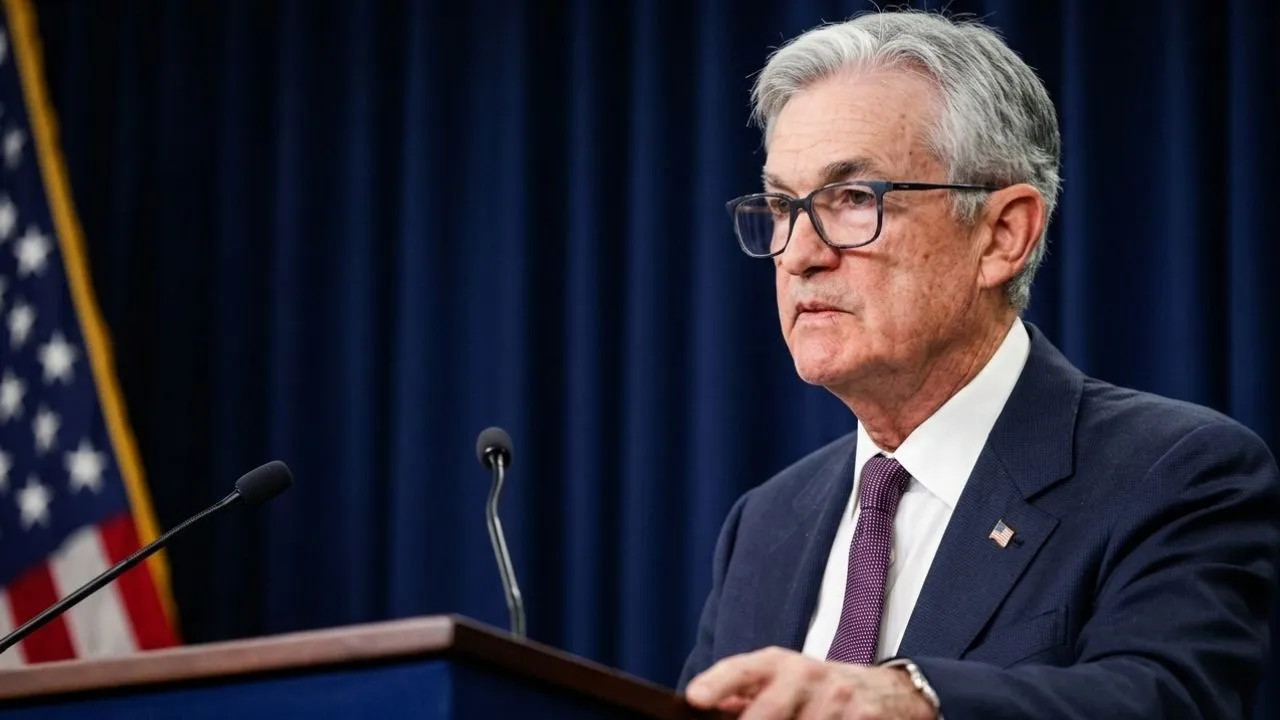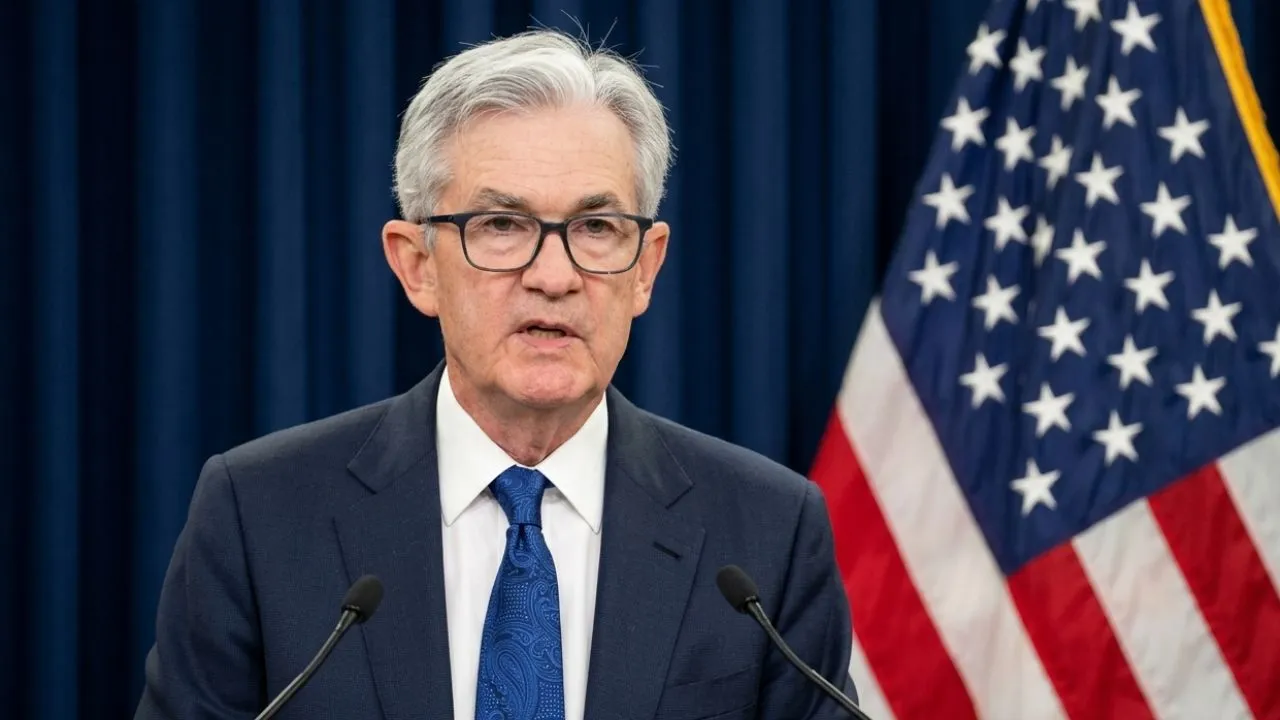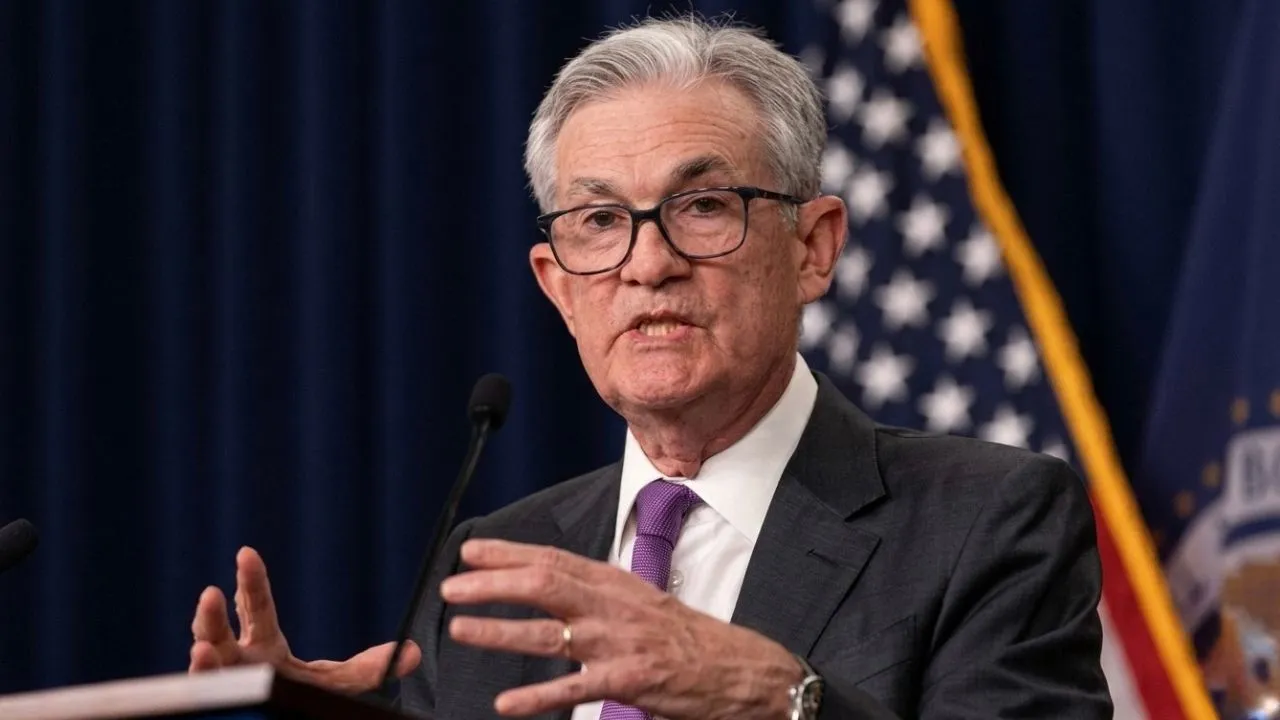

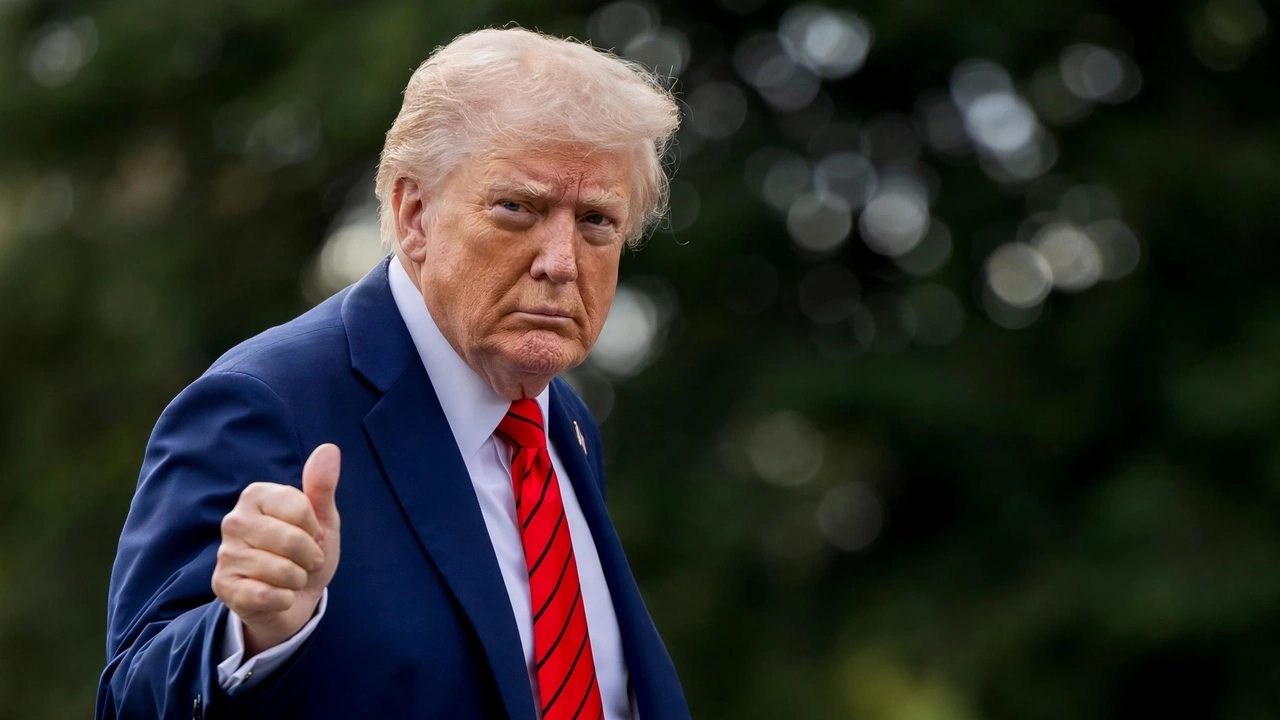
President Donald Trump intensified his pressure on the Federal Reserve days before its September policy meeting, arguing that the United States should have the world’s lowest interest rate even as inflation remains well above the Fed’s long-run goal.
Speaking to reporters Sunday at the Irish Open golf tournament, Trump said the U.S. “should be paying the lowest interest rate in the world,” according to Reuters. He said he did not know whether Federal Reserve officials would raise rates this week and argued that the country should have the lowest rate regardless of what the economic data show.
The comments mark a further escalation from Trump’s earlier demands for lower rates. Investozora reported on Sept. 4 that Trump was already pressuring the Fed to lower rates while threatening trade restrictions after the August employment report. His latest statement goes further by explicitly arguing that U.S. rates should be below those of other countries even if inflation and other economic indicators point in another direction.
That distinction matters because the Fed does not set interest rates according to how the U.S. ranks against other countries. The Federal Open Market Committee sets its policy rate in pursuit of maximum employment and stable prices, and its long-run monetary policy framework identifies 2% inflation, measured by the personal consumption expenditures price index, as the level most consistent with price stability over time.
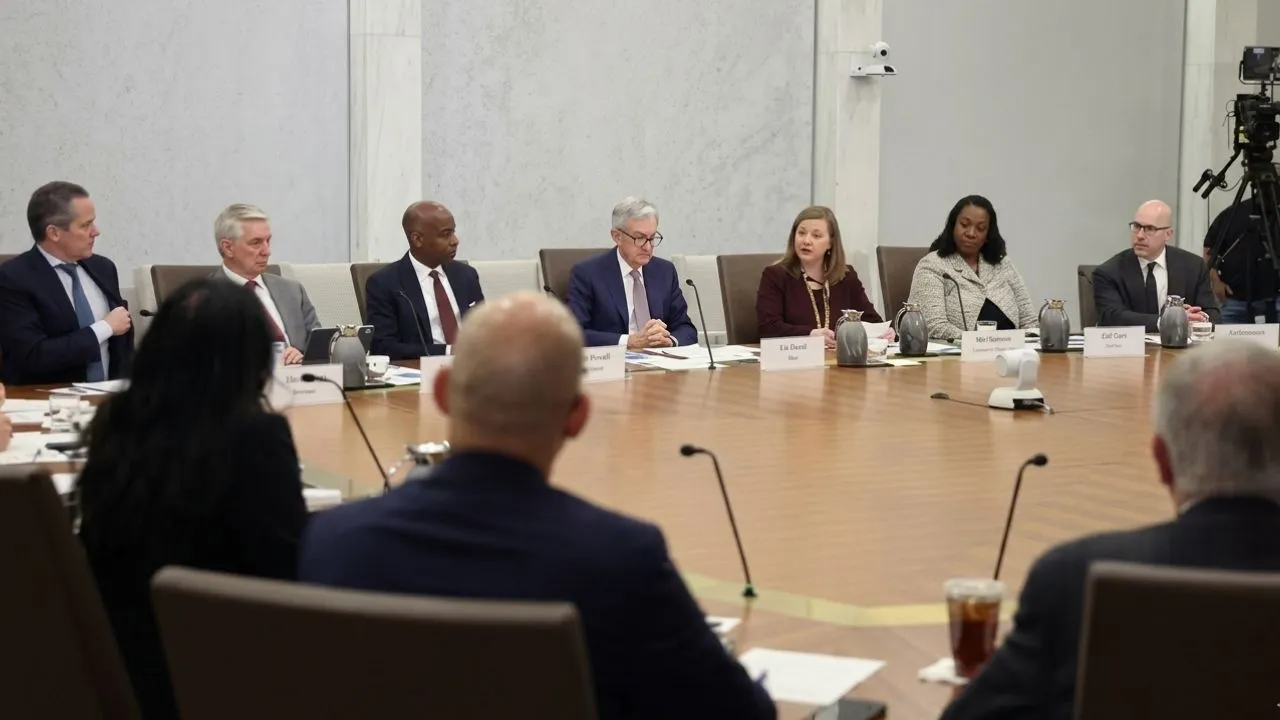
The FOMC enters its Sept. 15–16 meeting with the federal funds target range at 3.50% to 3.75%. The Fed held that range unchanged on July 29 in a 9–3 vote, with three officials preferring an immediate quarter-percentage-point increase. The committee said inflation remained elevated relative to its 2% goal.
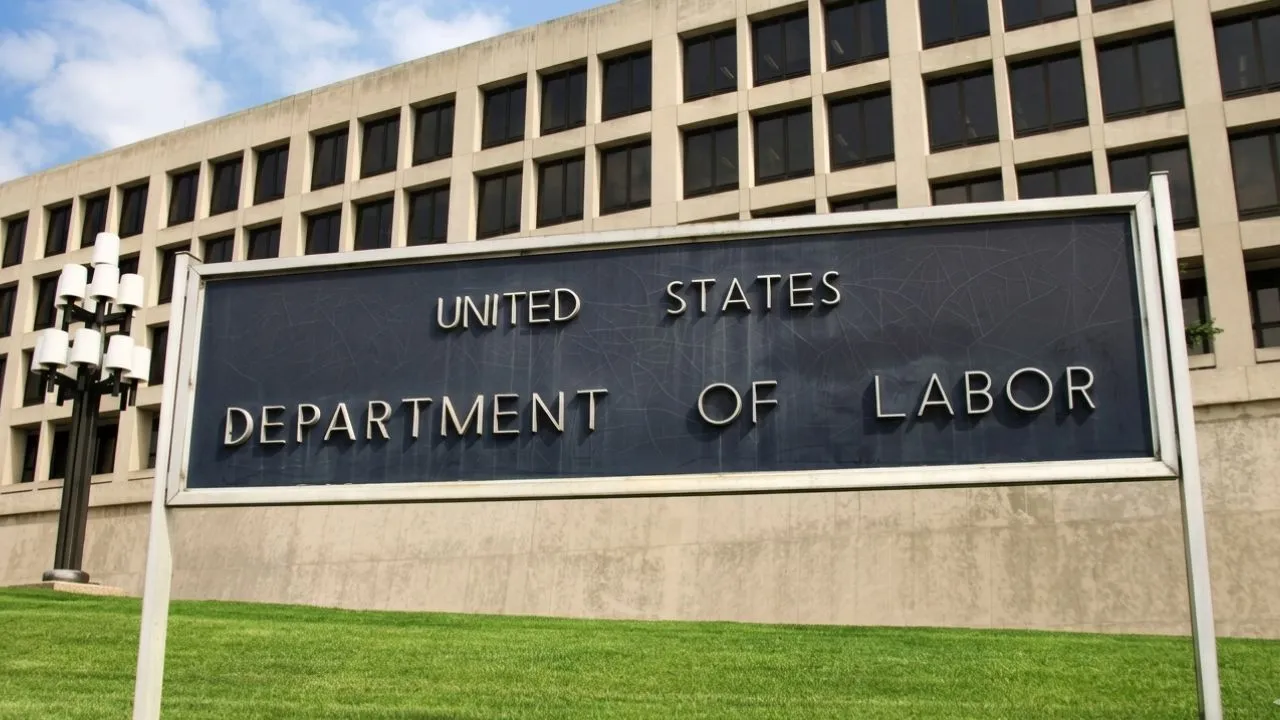
The economic data released since that decision have not produced an obvious case for sharply lower rates. The Bureau of Labor Statistics’ August Consumer Price Index report showed consumer prices rising 0.4% from July and 3.4% from a year earlier. Core prices, which exclude food and energy, rose 0.3% for the month and 2.4% over 12 months.
Energy was an important part of the monthly increase. The energy index rose 2.1% in August, while gasoline prices increased 3.9%. BLS said gasoline alone accounted for more than one-third of the monthly rise in the overall CPI.
The labor market, meanwhile, remained relatively firm. According to the August employment report from the Bureau of Labor Statistics, nonfarm payrolls increased by 162,000 and the unemployment rate remained at 4.1%. Average hourly earnings increased 0.3% during the month and 3.1% over the previous year.
Those figures do not determine what the Fed will do. They do, however, illustrate the gap between Trump’s preferred policy and the conditions policymakers must evaluate.
That gap is especially important because Trump’s statement does not itself change any U.S. interest rate. Only the FOMC can change the target range for the federal funds rate. The Fed’s official September calendar shows the two-day meeting beginning Tuesday, Sept. 15, with the policy decision scheduled for 2 p.m. Eastern Time on Wednesday, Sept. 16, followed by the chair’s press conference at 2:30 p.m.
The meeting also comes with a visible divide already inside the central bank. At the July meeting, Beth Hammack, Neel Kashkari and Lorie Logan voted for a 25-basis-point increase instead of another hold, according to the official July FOMC minutes. That was a change from June, when the committee had voted unanimously to keep rates unchanged.
For households, the immediate point is that Trump’s comments do not mean mortgage, credit-card, auto-loan or savings rates have been cut. The federal funds rate is an overnight rate between financial institutions, but changes in it can spread through the financial system. The Federal Reserve explains that adjustments to its target range influence other short-term rates and eventually affect household and business borrowing and spending.
The effect is not identical for every financial product. Credit-card and other short-term borrowing costs tend to respond more directly to changes in short-term rates, while mortgage rates also depend heavily on longer-term interest rates and expectations about future economic conditions. Readers who want the mechanics behind that relationship can see Investozora’s explanation of how the Federal Reserve controls interest rates.
That means the central question this week is not whether Trump wants lower rates. He has made that position clear repeatedly. The new question is how the Fed responds when the president is publicly demanding the world’s lowest rate while the latest inflation data remain above the central bank’s objective and several policymakers had already favored tighter policy at the previous meeting.
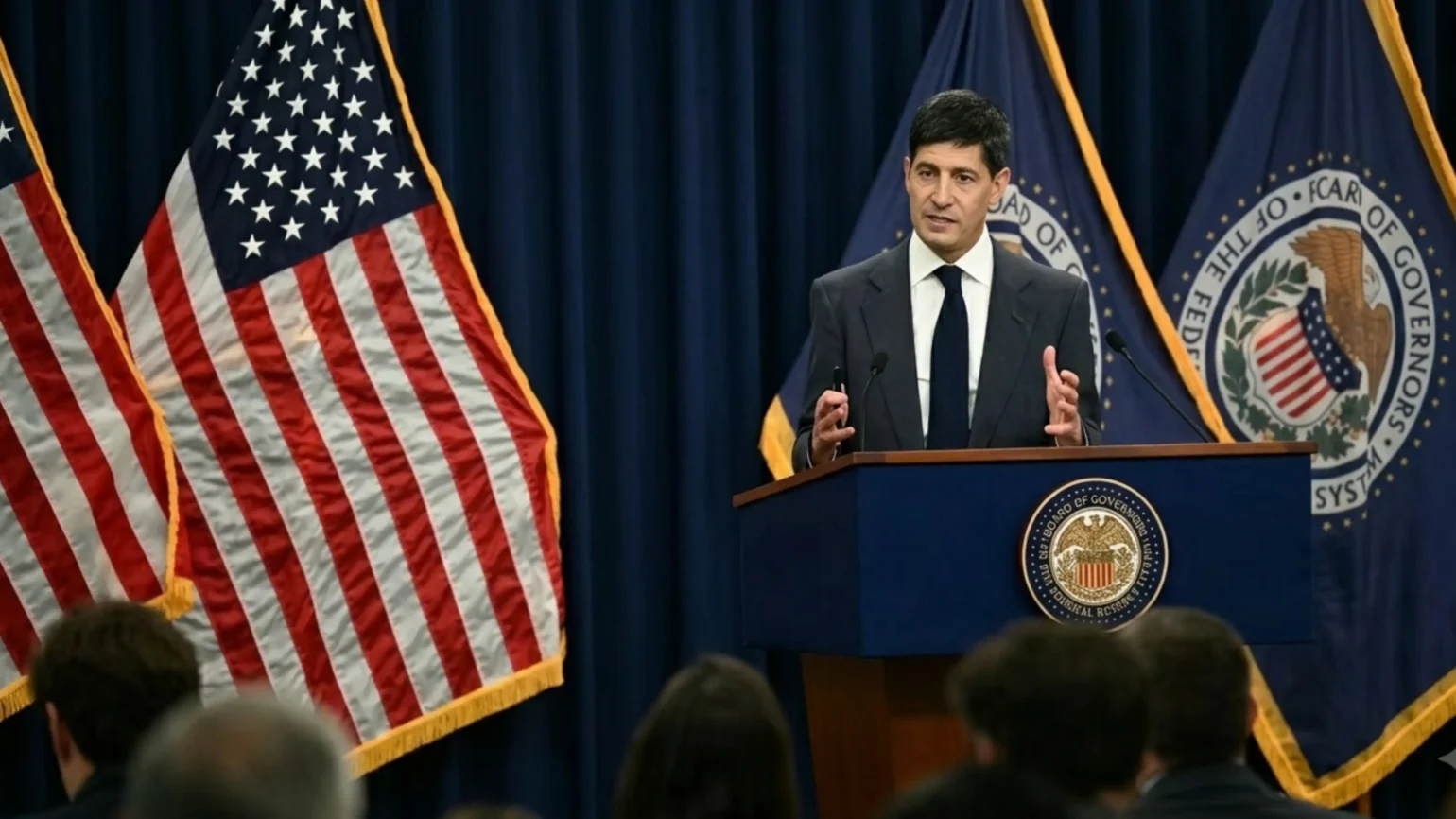
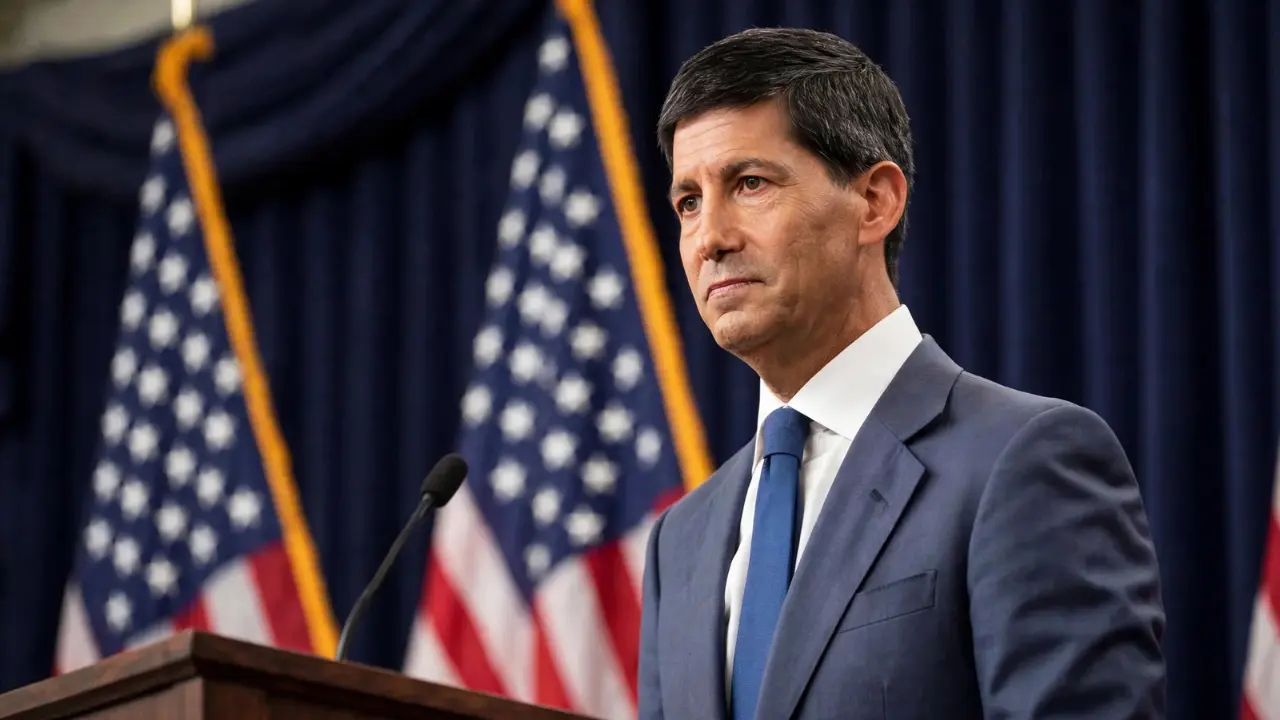
The answer will come Wednesday. Until then, a rate increase, hold or cut remains a future policy decision rather than a confirmed outcome. The Sept. 16 FOMC statement and the reasoning Fed Chair Kevin Warsh gives afterward will be the next event that materially changes this story.