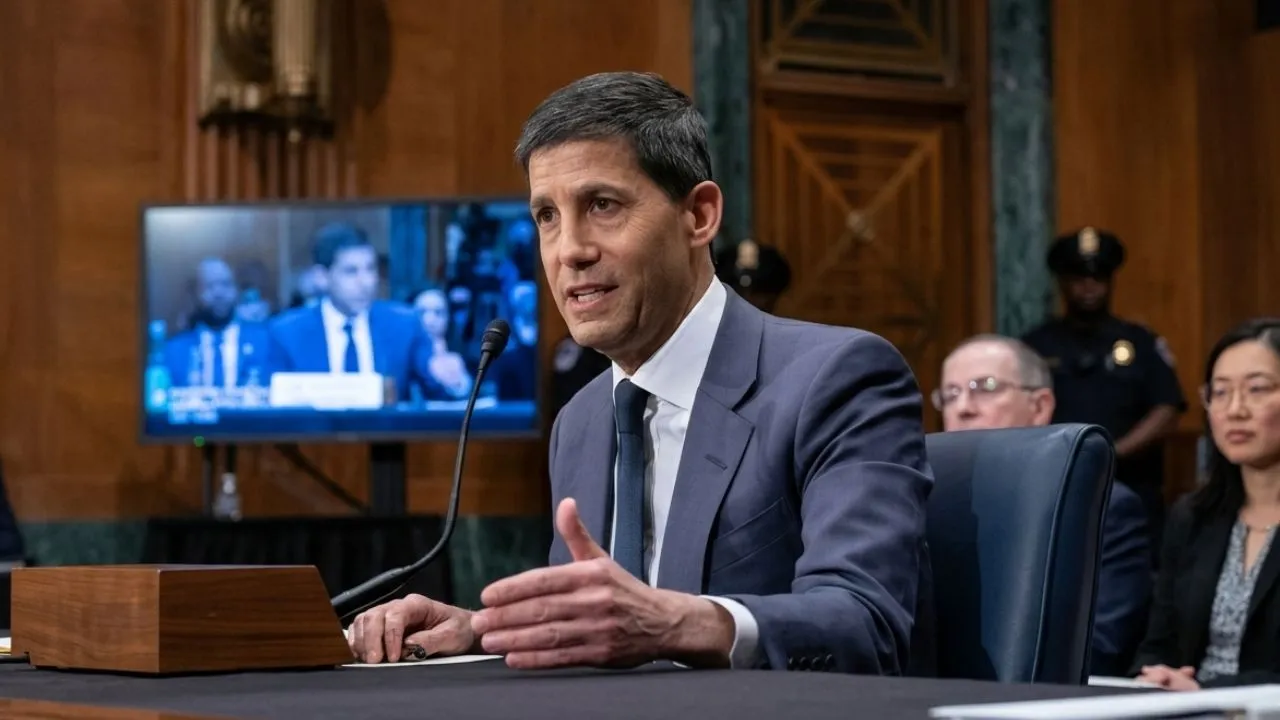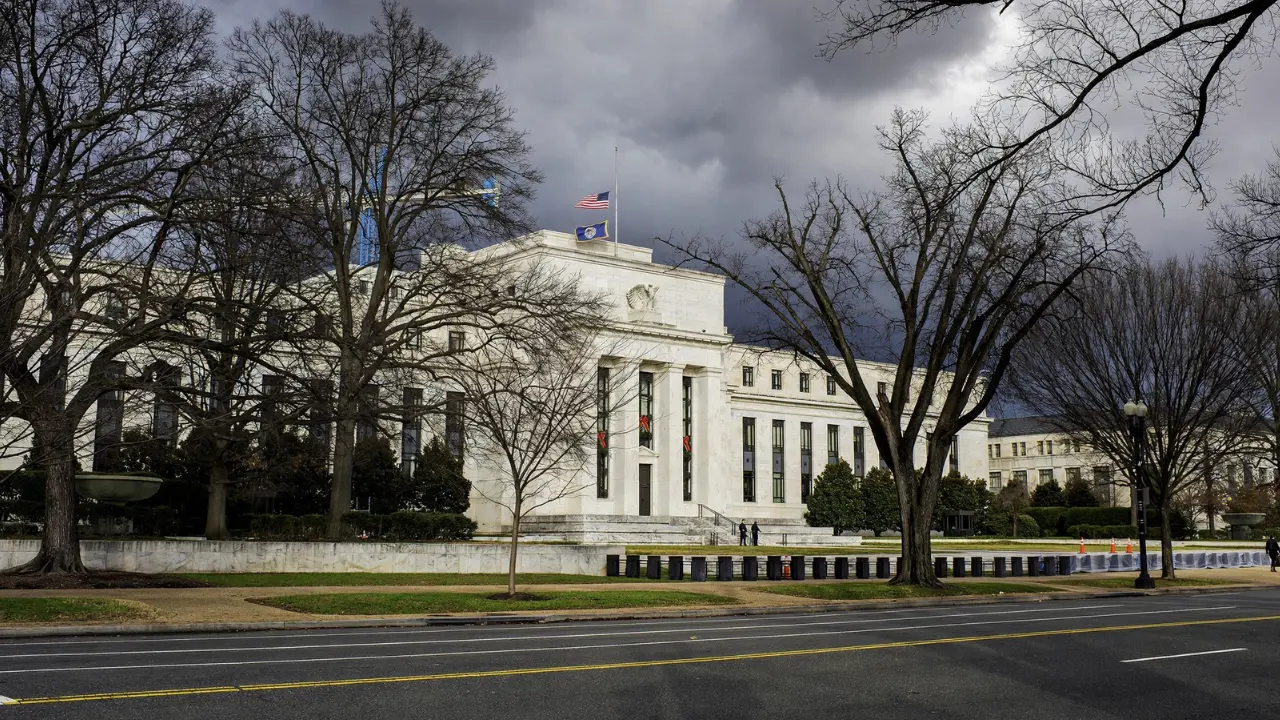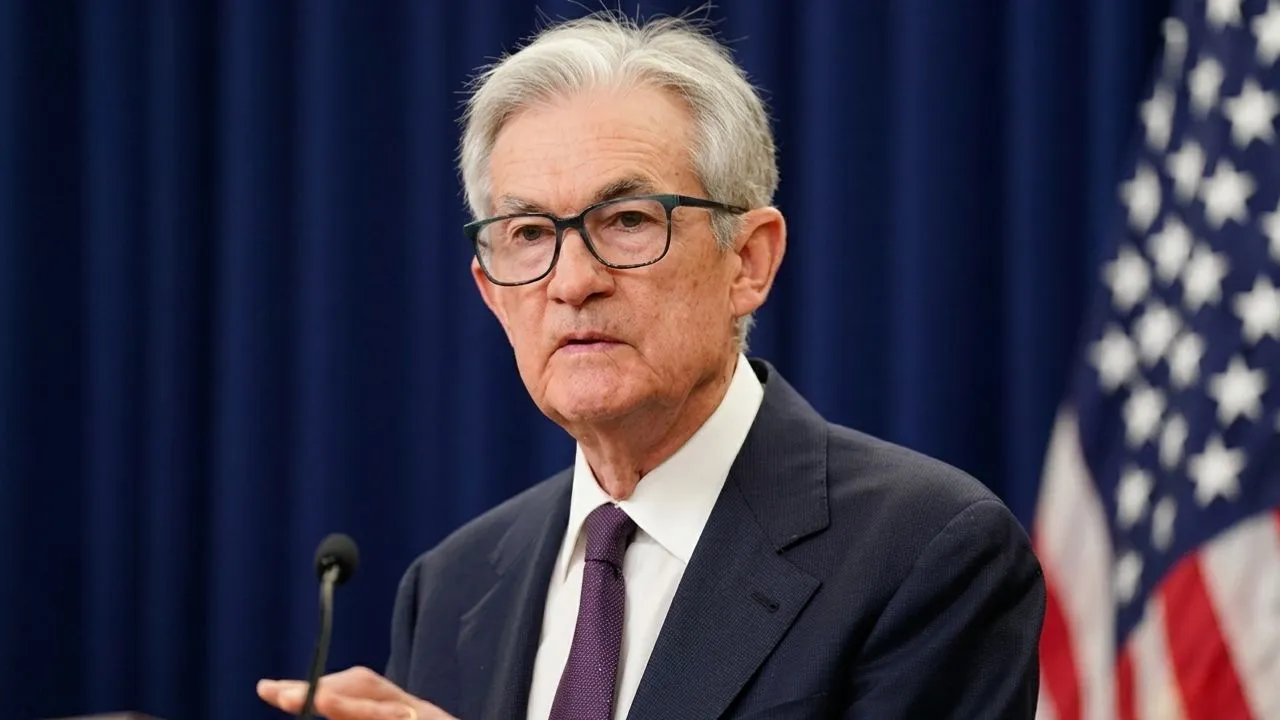
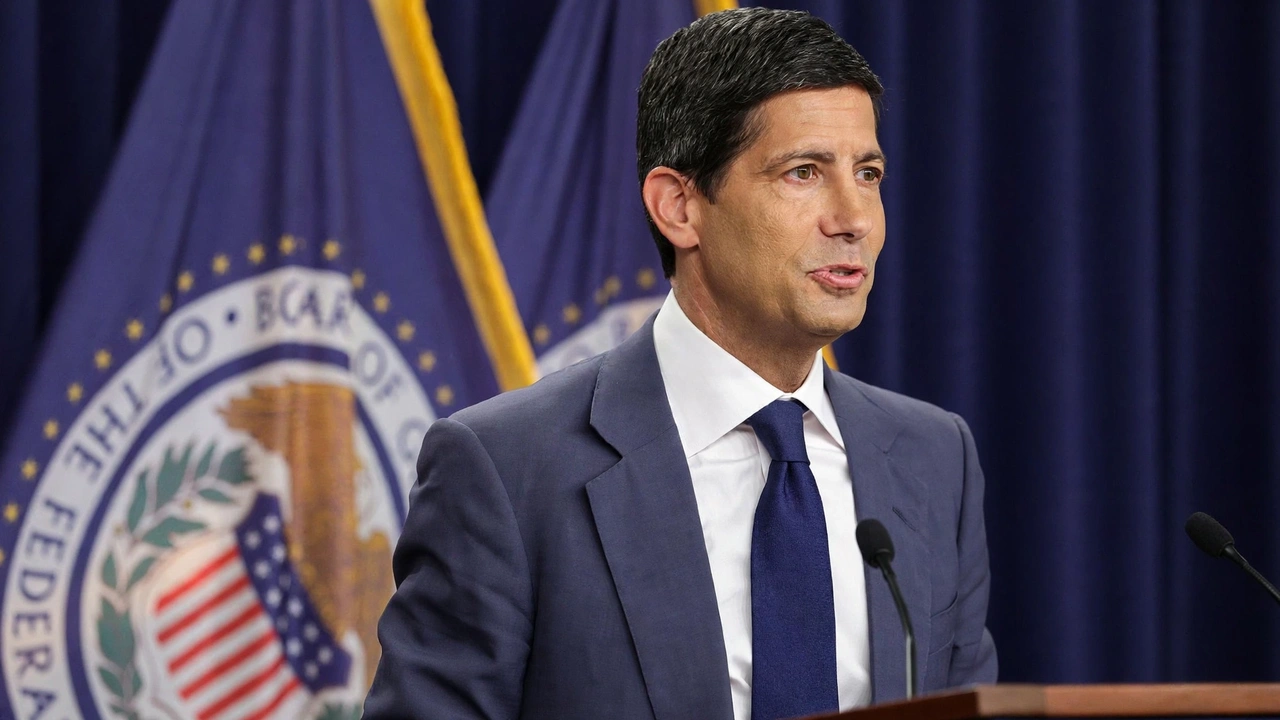
Federal Reserve Chair Kevin Warsh has outlined three possible futures for the American economy as artificial intelligence becomes more deeply embedded in businesses and workplaces.
One could bring stronger economic growth and widespread prosperity, another could leave more Americans unemployed despite a growing economy, and the third could see disappointing technology investments trigger an economic slowdown.
Speaking at the Productivity and Jobs Task Force Conference in San Francisco on November 16, 2026, Warsh revealed that Federal Reserve staff had begun examining different economic scenarios associated with advanced intelligence technologies. His opening remarks offer an important distinction between what AI could deliver for the American economy and what it could mean for the people working within it.
Warsh described the possibilities as “illustrative scenarios, not forecasts.” The Federal Reserve has not assigned publicly disclosed probabilities to these outcomes or established a timeline for when they might occur.
What stands out to me is that two of Warsh’s three scenarios involve economic growth exceeding its long-term average, yet only one keeps employment close to its full potential. For American workers, that distinction could become more important than the headline economic growth figures themselves.
The first possibility is the most favorable. Artificial intelligence makes businesses more productive, improves economic output and allows the resulting financial benefits to reach both workers and business owners.
Under this scenario, businesses could use AI to help employees complete more work rather than replace them. Higher productivity could support better wages, business expansion and additional employment opportunities, although none of those individual outcomes would be guaranteed.
Consider a small accounting firm with ten employees. If new technology reduces the time required to prepare financial documents, the business could serve more customers, expand its operations and increase employee compensation without reducing its workforce.
This is where the relationship between productivity and the Federal Reserve’s inflation target becomes important. If American businesses can produce more goods and services without corresponding increases in production costs, the economy could potentially sustain stronger growth without generating the same degree of inflationary pressure.
However, productivity improvements alone do not guarantee lower consumer prices. Businesses could retain the savings as profits, reinvest them or increase wages instead of reducing prices.
Warsh’s second scenario presents a more difficult future for American workers. Economic output continues to expand, but automation eliminates certain jobs faster than affected employees can transition into new occupations.
An economy can become more productive while becoming less accommodating to particular groups of workers. That possibility challenges the assumption that stronger economic growth necessarily creates better employment conditions for everyone.
Imagine a customer service company employing 100 people. If technology allows 80 employees to handle the same volume of customer inquiries, the company’s efficiency could improve even as 20 positions disappear.
This is a hypothetical example, not a projection of actual job losses. It illustrates why economic output and employment can move in different directions, particularly when technological adoption happens faster than workers can acquire new skills.
I would pay particular attention to hiring activity alongside unemployment figures. The labor market can experience weakening employment opportunities before widespread layoffs become visible, making the availability of new jobs an important part of understanding technological disruption.
Federal Reserve Governor Lisa Cook addressed a related problem in her September 28 speech. She explained that unemployment caused by a mismatch between workers’ skills and employers’ requirements could present a complicated challenge for monetary policy.
Reducing interest rates may encourage businesses to borrow, invest and hire. But cheaper borrowing cannot automatically give displaced employees the qualifications required for newly created occupations, and additional demand could create inflationary pressure. That distinction matters when considering how a Fed rate decision might affect an economy experiencing technological disruption.
The third possibility outlined by Warsh extends beyond employment and directly into financial markets. After substantial investment in artificial intelligence and rising stock valuations, the technology could fail to deliver the financial returns businesses and investors expect.
Companies might consequently reduce investment, stock prices could decline and economic activity could weaken. Unemployment could rise more substantially before the economy eventually recovers, without the anticipated productivity improvements.
For American households, the effects could extend beyond employees working at technology companies. Investors with retirement accounts exposed to technology stocks could experience declining portfolio values, while businesses supplying equipment, construction services and computing infrastructure could face weaker demand.
Recent technology stock declines demonstrate how quickly market valuations can change, although those movements do not establish that Warsh’s third scenario is already unfolding.
There is also an important difference between a technology being useful and an investment in that technology being profitable. Artificial intelligence could transform how businesses operate while some companies still fail to earn enough revenue to justify their spending.
In October, Warsh acknowledged that AI investment was strengthening demand before its longer-term supply benefits became fully apparent. His November remarks expand that discussion by considering what happens if the expected improvements materialize unevenly or disappoint altogether.
The two statements are not necessarily contradictory. Together, they show why the timing and distribution of technological gains matter alongside their eventual size.
Federal Reserve Governor Michael Barr raised another concern in his November 12 speech, examining whether technological advances could concentrate economic rewards among capital owners and dominant businesses while leaving some workers behind.
That concern adds another dimension to the existing AI inflation debate. Even if technology ultimately makes the economy more productive, Americans could experience very different financial outcomes depending on their occupations, skills, investment exposure and access to new employment opportunities.
In my analysis at Investozora, I would assess which of Warsh’s scenarios is emerging by following four indicators: business productivity, employment opportunities, inflation-adjusted wages and the financial returns generated by technology investment.
The Bureau of Labor Statistics’ productivity data and job openings data provide useful starting points. However, changes in these indicators cannot independently establish that artificial intelligence caused a particular economic outcome.
The Federal Reserve can respond to changing economic conditions through monetary policy, influencing borrowing costs and broader financial conditions. It cannot independently determine how businesses distribute productivity gains, which occupations disappear or how quickly displaced workers find new employment.
Warsh’s three scenarios ultimately raise a question that extends beyond how intelligent technology becomes: whether the economic wealth it creates will translate into better living standards and meaningful employment opportunities for ordinary Americans.
A larger economy would be welcome. But the most favorable future for American families is one in which economic growth is accompanied by stronger purchasing power, accessible employment opportunities and broadly shared prosperity.